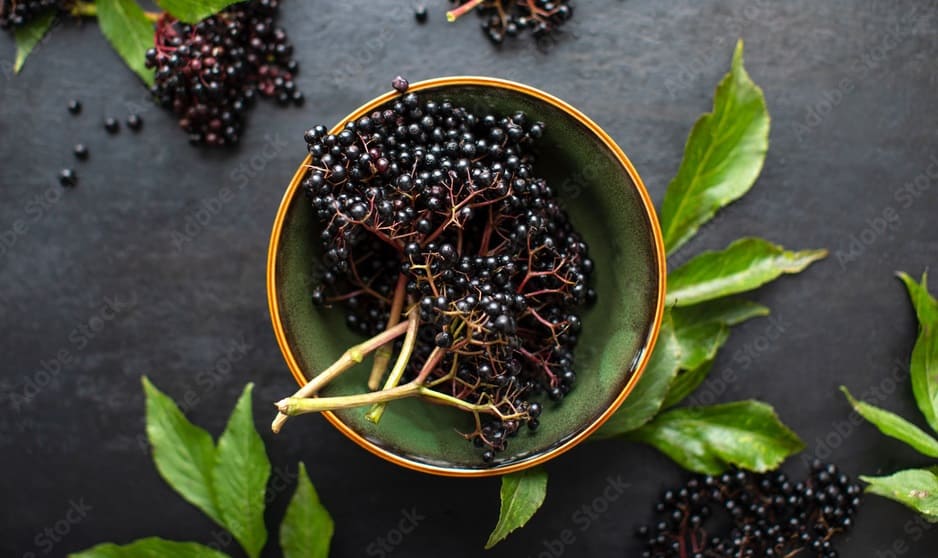
When it comes to nature’s healing treasures, elderberries have held a special place for centuries. Whether in folk remedies, herbal teas, or modern supplements, these small, dark purple berries are widely praised for their immune-boosting properties. But beyond immunity, elderberries are rich in nutrients and offer several benefits for overall health. Like any natural food, however, they also come with precautions and potential side effects that shouldn’t be ignored.
In this guide, we’ll take a human-friendly dive into everything you need to know about elderberries—what they are, their nutrition, proven health benefits, possible risks, and how to safely enjoy them in your daily life.
What are Elderberries?
Elderberries are the fruit of the Sambucus tree, most commonly the Sambucus nigra variety, also known as European elder. These small, round berries are typically black or dark purple and grow in clusters. For centuries, elderberries have been used in traditional medicine across Europe, North America, and parts of Asia. Ancient civilizations believed elderberries could fight infections, improve digestion, and even bring spiritual protection.
While the ripe berries are nutritious and safe when properly cooked, the raw form of elderberries (including their seeds, leaves, and stems) contain compounds that can cause toxicity. That’s why it’s important to consume them the right way. Today, elderberries are most commonly found in syrups, gummies, teas, wines, and even jams—showing how versatile they truly are.
Nutrition Facts of Elderberries
Here’s a details of what elderberries offer nutritionally (per 100 grams of raw elderberries):
| Nutrient | Amount |
|---|---|
| Calories | 73 kcal |
| Protein | 0.7 g |
| Carbohydrates | 18.4 g |
| Sugars | 0 g (low sugar content compared to other fruits) |
| Fiber | 7 g |
| Fat | 0.5 g |
| Vitamin C | 36 mg (60% of Daily Value) |
| Vitamin A | 30 µg |
| Vitamin B6 | 0.23 mg |
| Folate | 6 µg |
| Potassium | 280 mg |
| Calcium | 38 mg |
| Iron | 1.6 mg |
| Magnesium | 5 mg |
| Phosphorus | 39 mg |
Elderberries are especially known for their high vitamin C content, antioxidants (flavonoids and anthocyanins), and fiber, all of which contribute to their health benefits.
20 Science-Backed Health Benefits of Elderberries
Let’s explore the many ways elderberries can support your health and wellbeing:
- Boosts immunity – Elderberries are rich in vitamin C and antioxidants that strengthen the body’s defenses against infections.
- Helps reduce cold and flu symptoms – Studies suggest elderberry extracts can shorten the duration and severity of cold or flu symptoms.
- Fights inflammation – Antioxidants like flavonoids help reduce chronic inflammation.
- Supports heart health – Elderberries may reduce cholesterol levels and improve blood circulation.
- Aids in digestion – With high fiber content, elderberries support a healthy gut and regular bowel movements.
- Promotes skin health – The antioxidants help fight free radicals that cause premature aging and skin damage.
- Manages blood sugar levels – Some studies suggest elderberries may improve insulin sensitivity.
- Strengthens bones – The calcium, potassium, and magnesium content helps support bone density.
- Provides antiviral properties – Elderberries have natural compounds that help fight viral infections.
- Supports respiratory health – Elderberry teas and syrups have traditionally been used to soothe sore throats and coughs.
- Acts as a natural diuretic – Helps flush out toxins and reduce water retention.
- Protects against oxidative stress – The anthocyanins protect cells from damage caused by free radicals.
- May help with weight management – High fiber keeps you fuller for longer, supporting healthy weight control.
- Improves mental clarity – Antioxidants may protect brain health and slow down cognitive decline.
- Supports healthy vision – Vitamin A and antioxidants promote eye health.
- Encourages detoxification – Elderberries have been traditionally used for cleansing the body.
- Promotes healthy hair – The vitamins and antioxidants nourish scalp and hair follicles.
- Improves circulation – Helps maintain healthy blood vessels and flow.
- Supports urinary tract health – Elderberries’ diuretic properties may reduce risks of urinary infections.
- May reduce risk of chronic diseases – Regular antioxidant intake is linked with reduced risks of conditions like diabetes, heart disease, and cancer.
10 Side Effects of Elderberries
Although elderberries are beneficial, they are not without risks. Some possible side effects include:
- Nausea and vomiting – Consuming raw or unripe elderberries can cause stomach upset.
- Diarrhea – Excess consumption may irritate the digestive system.
- Dizziness – In rare cases, improper preparation can lead to dizziness or headaches.
- Allergic reactions – Some individuals may be sensitive to elderberries.
- Toxicity from seeds, leaves, and stems – These contain cyanogenic glycosides, which can release cyanide.
- Low blood sugar – Elderberries may lower blood sugar, which is risky for diabetics on medication.
- Overstimulation of the immune system – Those with autoimmune conditions may react negatively.
- Interference with certain medications – Elderberries may interact with diuretics, laxatives, or immune-suppressing drugs.
- Pregnancy concerns – Not enough evidence supports elderberry safety during pregnancy.
- Kidney issues – Excessive consumption may stress the kidneys due to their diuretic effect.
How to Eat Elderberries?
Since raw elderberries can be toxic, they must always be cooked or processed before eating. Here are common ways to consume them:
- Elderberry syrup – The most popular form, often taken during cold and flu season.
- Elderberry tea – Made from dried elderberries or flowers, soothing and warm.
- Elderberry gummies – Convenient supplements that are safe and tasty.
- Jams and jellies – Elderberries make a flavorful spread when cooked with sugar.
- Wine and juices – Elderberries are also used in alcoholic and non-alcoholic drinks.
- Baked goods – Can be added to pies, muffins, or cakes after cooking.
Tips for Consuming Elderberries
- Never eat raw elderberries.
- Stick to reputable brands when buying elderberry supplements.
- Start with small amounts to test tolerance.
- Pair elderberry tea or syrup with honey for added soothing benefits.
- Store homemade elderberry products in the refrigerator.
- Always follow dosage instructions for supplements.
- If you are on medication, consult your doctor before use.
Other Uses of Elderberries
Beyond food, elderberries have several other uses:
- Herbal medicine – Used in traditional remedies for centuries.
- Natural dye – Their deep purple color has been used as a fabric dye.
- Skincare – Elderberry extracts are used in lotions and creams for their antioxidant properties.
- Wine production – Elderberries are fermented to create rich, flavorful wines.
How Much Elderberries Can You Eat in a Day?
For general health, 1–2 tablespoons of elderberry syrup daily is considered safe for adults. For supplements, follow the label instructions, as concentration varies. Excessive intake may lead to digestive issues.
Best Time to Eat Elderberries
- Morning – Taking elderberry syrup or tea in the morning can support immunity throughout the day.
- At the first sign of illness – Elderberries may be most effective when consumed at the onset of cold or flu symptoms.
- Before bed – A cup of elderberry tea can help relax and support overnight recovery.
Who Should Eat Elderberries?
Elderberries may benefit:
- People with frequent colds or flu.
- Those looking to boost overall immunity.
- Individuals managing cholesterol or mild hypertension.
- People seeking natural remedies for digestion and skin health.
Who Should Not Eat Elderberries?
Avoid elderberries if you are:
- Pregnant or breastfeeding (safety not established).
- Allergic to elderberries or similar plants.
- Taking medications for diabetes, blood pressure, or diuretics without doctor’s advice.
- Diagnosed with autoimmune conditions (risk of overstimulation).
- Children under 12 (unless in child-safe preparations).
Precautions and Interactions
- Cooking is essential – Raw berries, seeds, and stems are unsafe.
- Medication interactions – Elderberries may interact with diuretics, immunosuppressants, and diabetes drugs.
- Dosage matters – Stick to recommended amounts; more doesn’t mean better.
- Monitor reactions – Stop use if you notice nausea, rash, or unusual symptoms.
- Consult a healthcare provider – Especially if you have chronic conditions or are taking medication.
Final Thoughts
Elderberries are a powerful fruit with a long history of medicinal use. From boosting immunity to supporting heart health and digestion, they offer plenty of benefits backed by both tradition and modern research. However, it’s important to remember that they must be consumed safely—cooked or processed, in proper amounts, and with awareness of possible side effects or interactions. When used wisely, elderberries can be a valuable addition to your wellness routine, helping you stay resilient, energized, and healthier naturally.
FAQ’s
Are elderberries safe to eat raw?
No, raw elderberries (along with their seeds, leaves, and stems) contain toxic compounds that can cause nausea, vomiting, and diarrhea. They must always be cooked or processed before consumption.
What are elderberries good for?
Elderberries are best known for boosting immunity, reducing cold and flu symptoms, improving digestion, supporting heart health, and providing antioxidants that fight inflammation and oxidative stress.
Can elderberries really help with colds and flu?
Yes, research shows that elderberry syrup or supplements may reduce the severity and duration of colds and flu when taken at the first sign of symptoms.
Can children take elderberry syrup?
Yes, but only in child-safe preparations and under parental guidance. Raw or homemade uncooked elderberry products are unsafe for children.
Are elderberries high in sugar?
Elderberries are relatively low in sugar compared to many fruits, making them a healthier option for those mindful of sugar intake.
Can elderberries help with skin health?
Yes, the antioxidants in elderberries protect skin cells from damage, fight signs of aging, and support a healthy, radiant complexion.
What is elderberry called in India?
Elderberry does not have a widely known traditional name in India, as it is not native to the region. It is generally referred to by its English name “elderberry” in Indian markets and herbal stores.
Is elderberry good for your liver?
Yes, elderberries contain antioxidants that may help protect the liver from oxidative stress. However, excessive intake or raw elderberries can be toxic and may harm the liver.
Does cooking elderberries destroy nutrients?
Cooking elderberries slightly reduces vitamin C levels, but most antioxidants and beneficial compounds remain intact. Proper cooking is essential to remove toxins.
Is elderberry good for weight loss?
Yes, elderberries are high in fiber and low in calories, which helps promote fullness and support weight management. However, they are not a magic solution for weight loss.
What does elderberry do for your brain?
The antioxidants in elderberries may protect brain cells from oxidative damage, support memory, and slow cognitive decline over time.
What happens when you have too much elderberry?
Overconsumption may cause nausea, vomiting, diarrhea, stomach cramps, or dizziness. Excessive use can also overstimulate the immune system in some people.
What not to mix with elderberry?
Avoid combining elderberries with diuretics, laxatives, immune-suppressing medications, or diabetes drugs without medical advice, as interactions may occur.
Does elderberry affect blood pressure?
Yes, elderberries may help lower high blood pressure due to their antioxidant and potassium content. However, people already on blood pressure medication should consult a doctor before use.
Why can’t diabetics take elderberry?
Elderberries can lower blood sugar, which may cause dangerous drops in glucose levels for diabetics already on medication.
Does elderberry lower cholesterol?
Some studies suggest elderberries may help reduce LDL (bad cholesterol) and improve heart health, but more research is needed.
Are elderberries better than blueberries?
Both are rich in antioxidants. Blueberries are lower in calories and widely studied, while elderberries have stronger antiviral properties. Each has unique benefits.
How to identify elderberry?
Elderberries grow in clusters on elder trees, appearing as small, round, dark purple to black berries. Their stems are woody, and the clusters often droop downward.
What to look for when buying elderberry?
Choose reputable brands for syrups or supplements, look for organic or pesticide-free options, and avoid raw berries unless you plan to cook them thoroughly.
Does elderberry affect the thyroid?
Elderberries don’t directly affect the thyroid, but interactions with thyroid medications are possible. People with thyroid conditions should consult their doctor before use.
Can elderberry cause pancreatitis?
There is no direct evidence linking elderberries to pancreatitis. However, very high intake may stress the digestive system, so moderation is key.
Also Read: