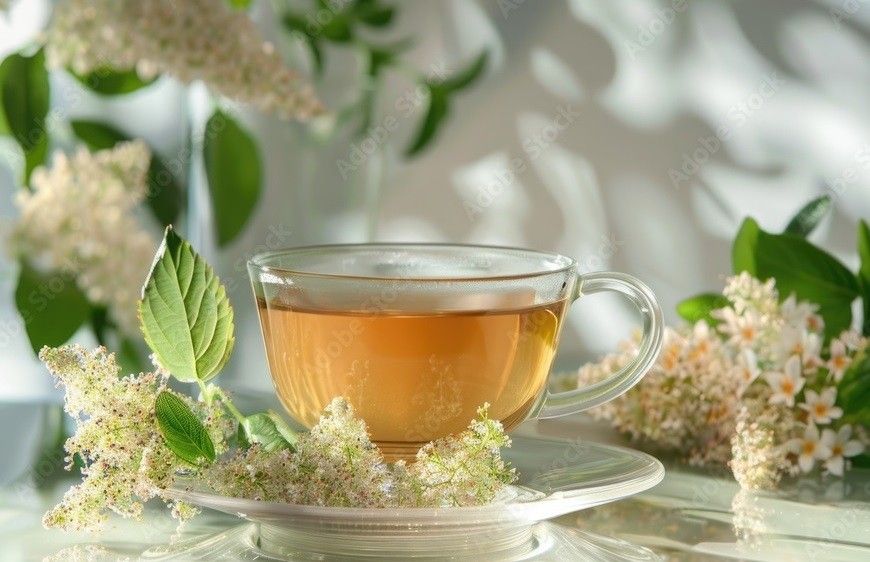
Herbal teas have long been valued across cultures for their comforting flavor and natural wellness benefits. Among them, elderflower tea stands out for its delicate floral aroma and impressive traditional medicinal use. Made from the blossoms of the elder plant (Sambucus nigra), this tea has been consumed for centuries in Europe and other regions for respiratory relief, immune support, and overall wellness.
Today, elderflower tea is gaining attention among health enthusiasts due to emerging scientific insights into its bioactive compounds and antioxidant potential. Whether you are exploring herbal remedies or simply looking for a refreshing caffeine-free drink, elderflower tea may be worth considering. This guide explores everything you need to know about elderflower tea — from nutrition and benefits to preparation methods and safety precautions.
What is Elderflower Tea?
Elderflower tea is an herbal infusion prepared from the dried or fresh flowers of the elder plant. The most commonly used variety is Sambucus nigra, also known as the European elder. The flowers are small, creamy-white blossoms that carry a mildly sweet and floral scent.
Traditionally, elderflowers have been used in folk medicine to address colds, fevers, sinus congestion, and inflammation. Unlike elderberries, which are also widely used, elderflowers are mainly consumed as tea, syrups, or extracts.
Key characteristics
- Naturally caffeine-free
- Mild floral flavor with slightly sweet notes
- Often blended with lemon, honey, or mint
- Used in both traditional herbal medicine and modern wellness routines
Elderflower tea is prepared by steeping the flowers in hot water, allowing beneficial plant compounds to infuse into the drink.
Components of Elderflower Tea
Below is an approximate nutritional and phytochemical overview per cup (240 ml):
| Nutrient/Compound | Approximate Amount |
|---|---|
| Calories | 2–5 kcal |
| Carbohydrates | <1 g |
| Protein | 0 g |
| Fat | 0 g |
| Vitamin C | Trace |
| Flavonoids | Present |
| Phenolic acids | Present |
| Antioxidants | Moderate |
| Essential oils | Trace |
| Tannins | Small amounts |
Note: Exact values vary depending on preparation and flower quality.
20 Science-Backed Benefits of Elderflower Tea
Research on elderflower specifically is still growing, but studies on its phytochemicals and traditional use suggest several potential benefits.
1. Rich in Antioxidants
Elderflowers contain flavonoids and phenolic compounds that help neutralize free radicals, potentially reducing oxidative stress.
2. Supports Immune Function
Antioxidants and vitamin-related compounds may help strengthen the body’s defense against infections.
3. May Relieve Cold and Flu Symptoms
Traditionally used to reduce fever and congestion, elderflower tea can promote sweating and mucus clearance.
4. Helps Reduce Sinus Congestion
Warm elderflower tea may soothe nasal passages and support respiratory comfort.
5. Anti-inflammatory Properties
Flavonoids may help reduce inflammation associated with chronic conditions.
6. Supports Respiratory Health
Often used for bronchial irritation, coughs, and throat discomfort.
7. Promotes Healthy Skin
Antioxidants may contribute to improved skin clarity and reduced oxidative damage.
8. Aids Digestion
Mild digestive stimulation may help reduce bloating or discomfort.
9. Natural Diuretic Effect
May encourage fluid elimination and support urinary tract function.
10. Helps Manage Fever
Traditional herbal medicine uses elderflower for promoting perspiration and cooling.
11. Supports Heart Health
Antioxidants may contribute to healthy blood vessel function.
12. May Assist Weight Management
Low calorie and hydrating, it can replace sugary beverages.
13. Supports Detoxification
The diuretic and sweating effects may assist natural detox processes.
14. Promotes Relaxation
Warm herbal tea rituals may help reduce stress and promote calmness.
15. May Reduce Allergic Discomfort
Some herbalists use it for seasonal allergies and nasal irritation.
16. Supports Oral Health
Mild antimicrobial properties may benefit mouth health.
17. Encourages Hydration
Pleasant taste may increase daily fluid intake.
18. Potential Antimicrobial Activity
Some compounds may inhibit certain microbes.
19. Supports Joint Comfort
Anti-inflammatory compounds may aid mild stiffness relief.
20. Enhances Overall Wellbeing
Combined hydration, antioxidants, and relaxation benefits contribute to holistic wellness.
10 Side Effects of Elderflower Tea
Although generally safe, excessive or improper use may cause issues.
1. Allergic Reactions
Some individuals may experience skin or respiratory sensitivity.
2. Digestive Upset
Large amounts may cause nausea or stomach discomfort.
3. Interaction with Medications
Possible interaction with diuretics or diabetes drugs.
4. Excessive Diuresis
Too much may increase urination.
5. Blood Sugar Effects
May influence glucose levels.
6. Low Blood Pressure Risk
Potential mild hypotensive effect.
7. Raw Plant Toxicity
Unprocessed plant parts may contain harmful compounds.
8. Pregnancy Concerns
Limited safety data for pregnant individuals.
9. Autoimmune Stimulation
Immune effects may not suit certain conditions.
10. Overconsumption Risks
Excess herbal intake may strain digestion.
How to Make Elderflower Tea?
Ingredients
- 1–2 teaspoons dried elderflowers (or fresh equivalent)
- 1 cup boiling water
Steps
- Place flowers in a teapot or cup.
- Pour boiling water over them.
- Cover and steep 5–10 minutes.
- Strain and serve.
- Optional: add honey or lemon.
Other Uses of Elderflower Tea
- Facial rinse or toner
- Hair rinse
- Herbal compress
- Ice cubes for beverages
- Base for syrups or desserts
How Much Elderflower Tea Can You Drink a Day?
Most adults can safely consume:
- 1–3 cups daily in moderation
Excessive intake is not recommended without professional advice.
Tips for Consuming Elderflower Tea
- Use high-quality dried flowers
- Avoid oversteeping to reduce bitterness
- Combine with citrus for flavor
- Drink freshly prepared
- Start with small amounts
Best Time to Drink Elderflower Tea
- Morning for hydration
- Afternoon relaxation
- During colds or congestion
- Evening as a calming ritual
Who Should Drink Elderflower Tea?
- Individuals seeking caffeine-free beverages
- People looking for mild immune support
- Those interested in herbal wellness
- Adults wanting low-calorie hydration
Who Should Not Drink Elderflower Tea?
- Pregnant or breastfeeding individuals without medical advice
- People allergic to elder plants
- Individuals on certain medications
- Children without supervision
Precautions and Interactions
- Consult a healthcare professional if on medication
- Avoid consuming raw plant parts
- Use moderation
- Monitor for reactions
- Purchase from trusted suppliers
FAQ’s
What does elderflower tea taste like?
Tea has a light, floral flavor with subtle sweetness and delicate fruity notes. It is refreshing and not overpowering, making it enjoyable both hot and cold.
Is elderflower tea caffeine-free?
Yes, tea is naturally caffeine-free since it is made from flowers rather than tea leaves. It can be consumed at any time of the day without affecting sleep.
Can you drink elderflower tea every day?
Most healthy adults can safely drink 1–3 cups daily in moderation. However, excessive consumption should be avoided, and individuals with medical conditions should consult a healthcare professional.
Is elderflower tea good for colds?
Traditionally, tea has been used to relieve cold symptoms such as congestion, fever, and sore throat. Warm consumption may provide soothing comfort.
Does elderflower tea help with immunity?
Elderflowers contain antioxidants and plant compounds that may support immune function and overall wellness when consumed regularly as part of a balanced lifestyle.
Can pregnant women drink elderflower tea?
There is limited research regarding its safety during pregnancy. Pregnant individuals should consult a healthcare professional before consuming it.
Is elderflower tea safe for children?
Small amounts may be safe for older children, but it is best to seek professional advice before offering herbal teas to children.
Can elderflower tea aid digestion?
Some people find it soothing for mild digestive discomfort due to its gentle herbal properties, though results may vary.
How long should elderflower tea steep?
Typically, tea should steep for about 5–10 minutes to extract flavor and beneficial compounds.
Can elderflower tea be consumed cold?
Yes, it can be chilled and served as iced tea. It is often combined with lemon or honey for added flavor.
Is elderflower the same as elderberry?
No. Elderflower refers to the blossoms of the plant, while elderberry refers to the fruit. Both are used differently and have distinct nutritional profiles.
Where can you buy elderflower tea?
It can be purchased at health food stores, herbal shops, or online retailers. Ensure the product is food-grade and sourced from reputable suppliers.
What is elderflower tea made from?
Elderflower tea is made from the dried or fresh blossoms of the elder plant, most commonly Sambucus nigra (European elder). The flowers are steeped in hot water to create a fragrant, caffeine-free herbal infusion.
How long does it take for elderflower tea to work?
The effects depend on the purpose of use. For hydration or relaxation, you may notice benefits shortly after drinking. When used for seasonal discomfort or immune support, consistent consumption over several days may be needed. Individual responses can vary.
How should elderflower tea be stored?
Dried elderflowers should be kept in an airtight container in a cool, dry place away from sunlight and moisture. Proper storage helps preserve flavor and potency. Brewed tea should be refrigerated and consumed within 24 hours.
What is elderflower tea good for?
Elderflower tea is commonly used to support immune health, soothe cold symptoms, promote relaxation, aid digestion, and provide antioxidant support. It is also valued as a caffeine-free, low-calorie beverage for daily hydration.
Also Read: