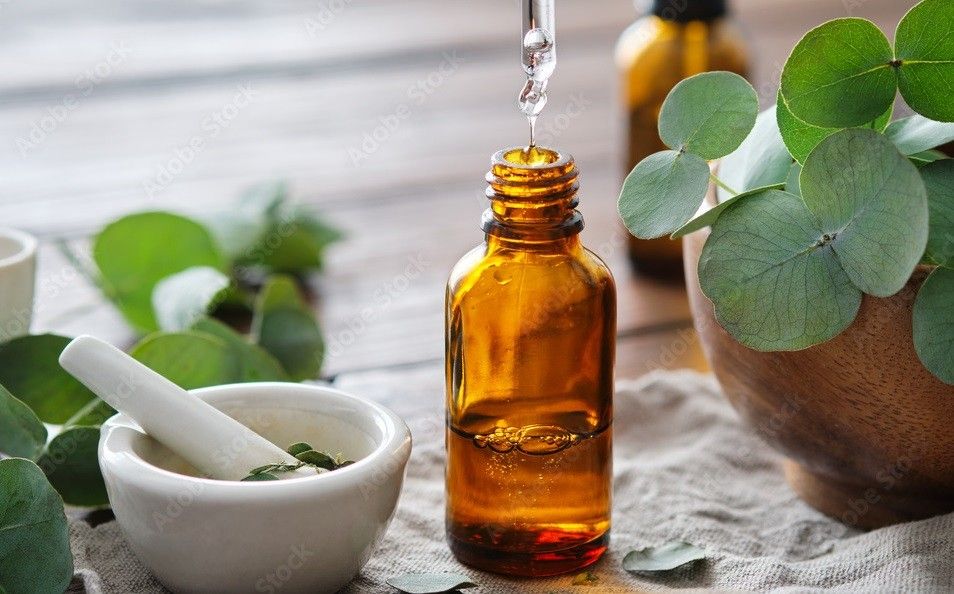
If you have ever opened a tiny bottle of eucalyptus oil, you already know the refreshing wave that hits your senses. It smells clean, sharp, and energizing — almost like walking into a cool forest after rain. For centuries, this essential oil has been a favorite in traditional medicine, steam inhalation, massage blends, skin care, and even household cleaning. But what exactly is eucalyptus oil, what makes it beneficial, and how much should you really use? This guide will walk you through everything you need to know.
What is Eucalyptus Oil?
Eucalyptus oil is a natural essential oil extracted from the leaves of the eucalyptus tree — particularly Eucalyptus globulus, Eucalyptus radiata, and Eucalyptus citriodora species. These tall Australian trees are known for their aromatic leaves rich in compounds like eucalyptol (1,8-cineole), which is largely responsible for the oil’s medicinal properties.
Historically, eucalyptus leaves were used by Australian Aboriginal communities for healing wounds, relieving congestion, and lowering fevers. Today, eucalyptus oil is widely used in aromatherapy, vapor rubs, massage oils, pain relief balms, and even natural insect repellents. Because it is highly concentrated, eucalyptus oil is not meant to be consumed directly and must always be used with caution.
Components of Eucalyptus Oil
Although eucalyptus oil is not consumed as food, it contains potent active compounds responsible for its effects.
| Nutrient/Compound | Approximate Amount | Role/Benefit |
|---|---|---|
| Eucalyptol (1,8-cineole) | 70–90 percent | Anti-inflammatory, decongestant, antimicrobial |
| Alpha-pinene | 5–7 percent | Anti-inflammatory, bronchodilator |
| Limonene | 1–3 percent | Antioxidant, uplifting scent |
| Globulol | Trace | Antimicrobial |
| Tannins | Trace | Wound healing |
| Flavonoids | Trace | Antioxidant |
Note: Values vary depending on eucalyptus species and extraction method.
20 Proven Benefits of Eucalyptus Oil
1. Relieves Nasal Congestion:
Eucalyptus oil acts as a natural decongestant. When inhaled, the vapors help loosen mucus and open blocked nasal passages, especially during colds, flu, or sinus infections.
2. Helps with Breathing Issues:
The compound eucalyptol supports easier breathing by reducing inflammation in the airways. People with asthma, bronchitis, or seasonal allergies often use eucalyptus steam inhalation for relief.
3. Reduces Cough and Throat Irritation:
Eucalyptus oil is commonly found in cough syrups, throat lozenges, and vapor rubs because it helps soothe irritation and break up mucus.
4. Acts as a Natural Antiseptic:
With strong antibacterial and antiviral properties, oil can help disinfect minor wounds, cuts, and insect bites when diluted.
5. Supports Pain Relief:
It has anti-inflammatory and analgesic effects. Massaging diluted eucalyptus oil on painful joints, muscles, or during headaches can offer relief.
6. Boosts Immunity:
Eucalyptus oil may stimulate the immune system by fighting harmful pathogens and reducing oxidative stress in the body.
7. Reduces Fever:
Traditionally called a “fever tree,” eucalyptus leaves were used to manage high body temperatures. The oil helps cool the body through improved blood circulation.
8. Helps Fight Bacteria and Viruses:
The oil inhibits the growth of many microbes, making it effective for respiratory infections, skin infections, and household cleaning.
9. Promotes Wound Healing:
Diluted eucalyptus oil supports faster healing of cuts, abrasions, ulcers, and insect bites by reducing inflammation and bacteria.
10. Works as a Natural Insect Repellent:
Its strong aroma keeps mosquitoes, flies, and other insects away. Many natural repellents use eucalyptus or citronella extracts.
11. Freshens Breath:
Oil is used in natural mouthwashes because it helps kill odor-causing bacteria. It should never be swallowed; only diluted rinses are safe.
12. Improves Focus and Mental Clarity:
Aroma therapists use eucalyptus to increase alertness and reduce mental fatigue. The refreshing scent helps clear the mind.
13. Reduces Stress and Tension:
Eucalyptus has calming properties. A warm bath with a few drops of diluted oil can help relax the body after a long day.
14. Supports Hair Growth:
The oil improves blood flow to the scalp and has antifungal properties, helping reduce dandruff and promoting a healthier scalp environment.
15. Helps Treat Dandruff:
Due to its antifungal nature, eucalyptus oil reduces fungal growth on the scalp, preventing flakes and itchiness.
16. Improves Skin Health:
Diluted eucalyptus oil can help soothe acne, reduce redness, and calm irritated skin due to its antimicrobial and anti-inflammatory action.
17. Helps with Arthritis Symptoms:
Applying diluted eucalyptus oil to swollen joints can help ease discomfort and stiffness because of its anti-inflammatory effects.
18. Natural Air Freshener:
Its crisp, clean aroma eliminates bad odors and purifies the air naturally without chemical sprays.
19. Enhances Sleep Quality:
The soothing scent helps relax your mind and body, promoting deeper and more restful sleep.
20. Supports Oral Health:
Eucalyptus extracts are used in dental products for reducing plaque, gum inflammation, and bacterial buildup.
10 Side Effects of Eucalyptus Oil
Despite its benefits, eucalyptus oil must be used with caution.
1. Skin Irritation:
Direct application without dilution may cause redness, itching, or burning sensation, especially in people with sensitive skin.
2. Allergic Reactions:
Some individuals are allergic to eucalyptus compounds. Symptoms may include rashes, hives, swelling, or difficulty breathing.
3. Nausea or Dizziness:
Strong vapors may overwhelm some people and cause nausea or light-headedness.
4. Toxicity if Consumed Undiluted:
Oil is poisonous when swallowed directly. Even small amounts can cause vomiting, diarrhea, confusion, or seizures.
5. Breathing Issues in Children:
Infants and young children may experience breathing problems when exposed to strong eucalyptus vapors.
6. Worsening Asthma in Some People:
Although it helps many, others may find eucalyptus triggers their symptoms.
7. Eye Irritation:
The vapors can irritate the eyes, causing watering, redness, or burning.
8. Interaction with Medications:
Eucalyptus may interact with drugs for diabetes, cholesterol, or blood pressure.
9. Headaches:
Strong concentration or prolonged exposure sometimes leads to headaches.
10. Digestive Distress:
If accidentally ingested, diluted or not, eucalyptus oil may cause stomach discomfort.
How to Use Eucalyptus Oil?
You can use eucalyptus oil in many ways depending on your goal:
- Steam inhalation for congestion
- Diffusing for relaxation or air purification
- Massage application mixed with a carrier oil
- Adding to bathwater for stress relief
- Skin care blends with proper dilution
- Hair care mixed with oils or shampoos
- Natural cleaning by adding drops to water or vinegar
Other Uses of Eucalyptus Oil
Beyond health benefits, eucalyptus oil has several practical uses:
- Natural room freshener
- Removes foul odors from shoes or furniture
- Natural antiseptic cleaning spray
- Laundry freshener
- Natural insect repellent for home
- Used in homemade candles, soaps, and balms
Tips for Consuming Eucalyptus Oil
Important note: eucalyptus oil should not be consumed directly.
However, some commercially prepared capsules, teas, or extracts use safe diluted forms.
Tips:
- Only use products labeled safe for internal use
- Never exceed recommended doses
- Consult your doctor before internal use
- Avoid giving internal eucalyptus products to children
How to Take Eucalyptus Oil?
If using capsules or diluted preparations:
- Follow package instructions strictly
- Typically 100 to 200 mg of eucalyptus extract per day (not pure oil)
- Always take after meals to avoid stomach irritation
Never take raw essential oil orally.
How to Make Eucalyptus Oil at Home?
Homemade eucalyptus oil is not as strong as commercially distilled oil, but you can create an infused version.
Ingredients:
- Fresh eucalyptus leaves
- Carrier oil (olive oil, coconut oil)
Steps:
- Wash and dry the leaves.
- Crush them slightly to release the aroma.
- Heat the carrier oil gently and add the leaves.
- Let it simmer on low heat for 30 minutes.
- Allow the mixture to cool.
- Strain and store in a glass bottle.
How Much Eucalyptus Oil Can You Use Per Day?
For topical use:
3 to 4 drops diluted with a carrier oil, up to twice a day.
For inhalation:
2 to 3 drops in hot water, once or twice daily.
For diffusion:
3 to 5 drops in a diffuser.
Do not exceed these unless advised by a professional.
Eucalyptus Oil Dosage
| Use Type | Recommended Dosage |
|---|---|
| Steam inhale | 2–3 drops |
| Diffuser | 3–5 drops |
| Massage | 3 drops per tablespoon carrier oil |
| Bath | 4–6 drops |
| Oral extract | Only doctor-approved preparations |
Best Time to Use Eucalyptus Oil
- For congestion: mornings and evenings
- For relaxation: before bedtime
- For pain relief: after a warm shower
- For focus: during daytime work hours
Who Should Use Eucalyptus Oil?
- People with colds or cough
- Those struggling with blocked sinuses
- Individuals needing relaxation
- People with muscle tension
- Anyone looking for natural household cleaners
Who Should Not Use Eucalyptus Oil?
- Children under 6 years
- Pregnant women
- Nursing mothers
- People with asthma triggers
- Individuals allergic to eucalyptus
- Those taking diabetes or cholesterol medications
How to Store Eucalyptus Oil?
- Keep in a dark glass bottle
- Store in a cool, dry place
- Avoid direct sunlight
- Keep tightly sealed
- Store away from children and pets
Precautions and Interactions
- Always dilute before use
- Do a patch test before applying to skin
- Do not use around infants
- Avoid ingesting raw oil
- May interact with diabetes medications
- May reduce the effectiveness of some antibiotics
- Can cause breathing issues in sensitive individuals
FAQ’s
What is eucalyptus oil good for?
Eucalyptus oil is mainly used for respiratory relief, pain reduction, relaxation, skin and hair care, and as a natural antiseptic.
Can I use eucalyptus oil every day?
Yes, in small diluted amounts for topical, inhalation, or diffusion purposes. Oral use should follow doctor-approved preparations.
Is eucalyptus oil safe for children?
It is not recommended for children under 6 years old due to the risk of respiratory issues.
What does eucalyptus oil smell like?
It has a fresh, camphor-like, minty scent that is invigorating and refreshing.
Can I put eucalyptus oil in my hair?
Yes, when diluted with a carrier oil or added to shampoo, it can help promote scalp health and reduce dandruff.
Can I apply eucalyptus oil on my face?
Yes, but only in highly diluted form (1–2 drops per teaspoon of carrier oil) to avoid irritation, and always do a patch test first.
Can eucalyptus oil help with colds and congestion?
Yes, steam inhalation or diffuser use can help clear nasal passages and ease breathing.
What is eucalyptus oil used for?
Oil is primarily used for respiratory relief, pain management, muscle relaxation, skin and hair care, boosting immunity, and as a natural antiseptic. It’s also used in aromatherapy and as a household cleaner.
Is eucalyptus oil good for back pain?
Yes, when diluted with a carrier oil, eucalyptus oil can be massaged onto the back to reduce muscle pain and inflammation. It provides a warming, soothing effect.
Is it safe to inhale eucalyptus oil?
Inhalation is generally safe for adults when used in moderation (2–3 drops in steam or a diffuser). Avoid inhaling around young children, infants, or people with asthma without medical advice.
Does eucalyptus oil clear the lungs?
Oil may help loosen mucus and ease breathing, supporting respiratory function. However, it does not “cure” lung diseases and should be used as a supportive remedy.
Can you apply eucalyptus oil directly to the chest?
No, oil should always be diluted with a carrier oil before applying to the chest to prevent skin irritation. A safe ratio is 3–4 drops per tablespoon of carrier oil.
Can pregnant women use eucalyptus oil?
Pregnant women should avoid using oil, especially in concentrated form. Inhalation or topical use may be risky, and it’s best to consult a doctor before using it during pregnancy.
Also Read: