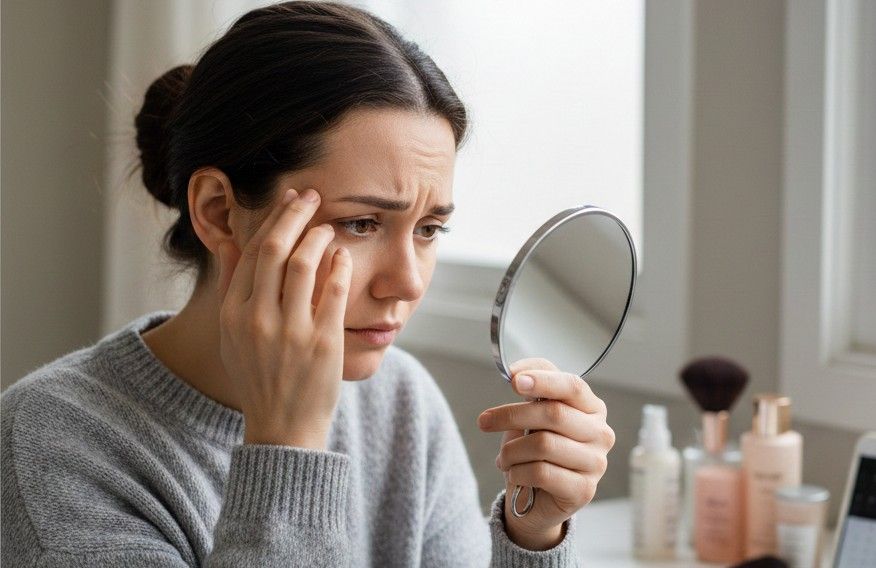
Eyebrows have always been more than just a beauty statement. From the power of a raised brow to the elegance of a well-groomed arch, our eyebrows communicate emotions, confidence, and personality. However, beyond aesthetics, your eyebrows can reveal subtle but important clues about your overall health. Thinning eyebrows, in particular, may be more than a cosmetic concern—they can indicate underlying medical conditions, nutritional deficiencies, or hormonal imbalances. In this guide, we explore the various reasons behind eyebrow thinning, what it may reveal about your health, and when you should seek professional advice.
What is Eyebrow Thinning?
Eyebrow thinning, also known as eyebrow hair loss or madarosis, is the partial or complete loss of hair from the eyebrow region. While gradual thinning can be a normal part of aging, sudden or patchy loss often warrants attention. Eyebrows are composed of hair follicles, sebaceous glands, and surrounding skin tissue, all of which are influenced by genetics, nutrition, hormones, and health conditions.
Eyebrow hair grows in cycles, including:
- Anagen (growth phase): Lasts about 30–45 days for eyebrows, shorter than scalp hair.
- Catagen (transitional phase): Hair stops growing and the follicle shrinks.
- Telogen (resting phase): Hair eventually falls out and is replaced by new growth.
When these cycles are disrupted due to health issues or lifestyle factors, hair thinning or loss may occur.
Common Health-Related Causes of Eyebrow Thinning
Eyebrow thinning can have multiple causes, ranging from benign and temporary to more serious medical conditions. Understanding the underlying cause is crucial to addressing the problem effectively.
1. Thyroid Disorders
One of the most well-known health conditions linked to eyebrow thinning is a thyroid disorder. The thyroid gland produces hormones that regulate metabolism, hair growth, and skin health. Both hypothyroidism (underactive thyroid) and hyperthyroidism (overactive thyroid) can affect eyebrow hair.
- Hypothyroidism: Often causes thinning of the outer third of the eyebrows. Other symptoms may include fatigue, dry skin, brittle nails, and weight gain.
- Hyperthyroidism: Can lead to diffuse thinning of hair across the body, including the eyebrows, and may be accompanied by symptoms like rapid heartbeat, weight loss, and increased sweating.
If you notice eyebrow thinning alongside these systemic symptoms, it is important to consult a healthcare provider and consider a thyroid function test.
2. Nutritional Deficiencies
Hair follicles require adequate nutrition to maintain healthy growth. Deficiencies in certain vitamins and minerals can lead to eyebrow thinning:
- Iron: Essential for oxygen transport to hair follicles. Iron deficiency can result in hair loss.
- Zinc: Plays a role in tissue growth and repair; deficiency can cause hair shedding.
- Biotin (Vitamin B7): Supports keratin production; low levels may lead to weak and sparse hair.
- Vitamin D: Promotes hair follicle cycling; insufficient levels can affect hair density.
- Protein: Hair is primarily made of protein, so low protein intake can weaken hair growth.
A balanced diet rich in leafy greens, nuts, seeds, eggs, fish, and lean meats can help prevent nutritional hair loss.
3. Hormonal Imbalances
Hormones significantly influence hair growth. Changes in hormone levels due to pregnancy, menopause, polycystic ovary syndrome (PCOS), or other endocrine disorders can cause eyebrow thinning.
- Low estrogen: Often during menopause or postpartum, can lead to hair thinning.
- High androgens: Conditions like PCOS can cause hair thinning on the scalp while increasing facial hair elsewhere.
Hormonal imbalances often require professional evaluation and may benefit from dietary adjustments, lifestyle changes, or medical treatment.
4. Aging
Hair density naturally decreases with age, and eyebrows are no exception. The hair follicles shrink over time, resulting in thinner, lighter, and slower-growing hair. While this is a normal part of aging, it can sometimes be exacerbated by other underlying conditions.
5. Skin Conditions
Certain dermatological conditions can affect eyebrow hair growth:
- Eczema and dermatitis: Can cause inflammation and hair loss in the affected area.
- Psoriasis: Leads to thick, scaly patches that may prevent hair growth.
- Alopecia areata: An autoimmune condition causing patchy hair loss, including eyebrows.
- Fungal infections: Ringworm of the eyebrow area can damage hair follicles.
Proper treatment of skin conditions is crucial to prevent permanent hair loss.
6. Stress and Emotional Trauma
Chronic stress can trigger hair loss through a process known as telogen effluvium. Stress hormones push hair follicles into the resting phase prematurely, causing shedding. This condition is usually temporary but can affect eyebrows as well as scalp hair.
7. Medications
Certain medications may contribute to hair thinning, including:
- Chemotherapy drugs
- Beta-blockers and ACE inhibitors
- Retinoids
- Anticoagulants
If hair loss coincides with new medication, discuss alternatives or supportive treatments with your doctor.
8. Over-Plucking or Cosmetic Procedures
Frequent eyebrow plucking, waxing, threading, or the use of harsh cosmetic chemicals can weaken follicles over time. This may result in permanent thinning if hair follicles are severely damaged.
What Eyebrow Thinning Can Reveal About Specific Health Issues
Eyebrow thinning is not just a cosmetic concern; the pattern, location, and speed of thinning can provide clues about your health.
Outer Third Thinning
- Indicative of: Hypothyroidism
- Associated symptoms: Fatigue, cold intolerance, weight gain, dry skin
Diffuse Thinning Across Eyebrows
- Indicative of: Nutritional deficiencies, stress, aging, or systemic illnesses
- Associated symptoms: Hair thinning on scalp, brittle nails, fatigue
Patchy Loss
- Indicative of: Alopecia areata, fungal infections, or localized skin conditions
- Associated symptoms: Smooth bald patches, redness, scaling
Sudden and Rapid Loss
- Indicative of: Telogen effluvium due to stress, illness, or medications
- Associated symptoms: Generalized hair shedding, weakness, recent trauma
Nutritional and Lifestyle Approaches to Improve Eyebrow Health
Restoring eyebrow health often begins with addressing lifestyle and nutrition factors.
1. Balanced Diet
- Iron-rich foods: Spinach, red meat, lentils
- Zinc-rich foods: Pumpkin seeds, oysters, chickpeas
- Biotin sources: Eggs, almonds, whole grains
- Protein: Fish, poultry, legumes
A diet rich in these nutrients supports hair follicle health and can gradually restore eyebrow density.
2. Hydration and Skin Care
Healthy hair follicles require a well-hydrated and nourished skin environment. Regularly moisturizing the brow area with gentle oils like castor oil or coconut oil may support hair growth.
3. Stress Management
Incorporating stress-reducing practices such as meditation, yoga, regular exercise, or mindfulness techniques can help prevent stress-related hair loss.
4. Gentle Grooming Practices
- Avoid over-plucking or harsh waxing.
- Limit chemical treatments around the eyebrow area.
- Use soft brushes to stimulate blood circulation in the brows.
5. Supplements (if necessary)
Under medical guidance, supplements such as biotin, zinc, vitamin D, or iron may help restore hair growth in cases of deficiency. Blood tests can confirm whether supplementation is needed.
When to See a Doctor about Eyebrow Thinning?
While mild eyebrow thinning may be normal, certain signs warrant medical attention:
- Sudden or patchy eyebrow loss
- Eyebrow thinning accompanied by other hair loss on the scalp or body
- Symptoms like fatigue, weight changes, or changes in skin and nails
- Eyebrow hair loss associated with skin irritation, redness, or scaling
A dermatologist or endocrinologist can conduct a thorough evaluation, including blood tests, scalp and eyebrow biopsy, or skin assessments, to identify the underlying cause.
Treatments for Eyebrow Thinning
Treatment options for eyebrow thinning depends on the underlying cause:
- Medical Treatment
- Thyroid hormone replacement for hypothyroidism
- Hormonal therapy for imbalances
- Topical corticosteroids for inflammatory skin conditions
- Antifungal treatments for fungal infections
- Cosmetic Solutions
- Eyebrow serums containing peptides and vitamins to stimulate growth
- Microblading or tattooing for cosmetic enhancement
- Lash and brow conditioners to improve hair strength
- Lifestyle Adjustments
- Optimizing diet and nutrition
- Stress reduction
- Avoiding damaging grooming habits
Final Thought
Eyebrow thinning is more than a cosmetic concern—it can serve as a subtle indicator of underlying health issues. Patterns of thinning, such as loss at the outer edges or diffuse thinning, along with other systemic symptoms, can reveal thyroid disorders, nutritional deficiencies, hormonal imbalances, or autoimmune conditions.
By paying attention to eyebrow changes, maintaining a nutrient-rich diet, practicing gentle grooming, and addressing stress, you can support eyebrow health. However, persistent or sudden thinning should prompt consultation with a healthcare professional to rule out serious conditions and receive proper treatment.
FAQ’s
Can nutritional deficiencies cause eyebrow thinning?
Yes, deficiencies in iron, zinc, biotin, vitamin D, and protein can lead to sparse or thinning eyebrows.
Can eyebrow thinning indicate a thyroid problem?
Yes. Thinning of the outer third of the eyebrows is often associated with hypothyroidism, while diffuse thinning may be linked to hyperthyroidism. Additional symptoms may include fatigue, weight changes, dry skin, and changes in nails.
Which nutrients affect eyebrow health?
Iron, zinc, biotin (vitamin B7), vitamin D, protein, and other essential vitamins and minerals play a key role in hair follicle health. Deficiency in any of these nutrients can lead to eyebrow thinning.
Can stress cause eyebrow hair loss?
Yes. Chronic stress can trigger telogen effluvium, a condition where hair follicles prematurely enter the resting phase, leading to temporary eyebrow and scalp hair loss.
How can I restore thinning eyebrows naturally?
Restoring eyebrow hair can involve improving nutrition, managing stress, gentle grooming, moisturizing the brow area with oils like castor or coconut oil, and using eyebrow growth serums.
Is eyebrow thinning permanent?
Not always. If caused by stress, nutritional deficiencies, or mild thyroid issues, eyebrow thinning can be reversible with proper care. However, permanent damage may occur due to over-plucking, scarring, or autoimmune conditions like alopecia areata.
Can medications cause eyebrow thinning?
Yes. Chemotherapy drugs, beta-blockers, retinoids, anticoagulants, and certain other medications can contribute to hair loss, including the eyebrows.
Can cosmetic procedures affect eyebrow health?
Frequent plucking, threading, waxing, or harsh chemical treatments can weaken hair follicles over time, sometimes leading to permanent thinning if follicles are damaged.
Also Read: