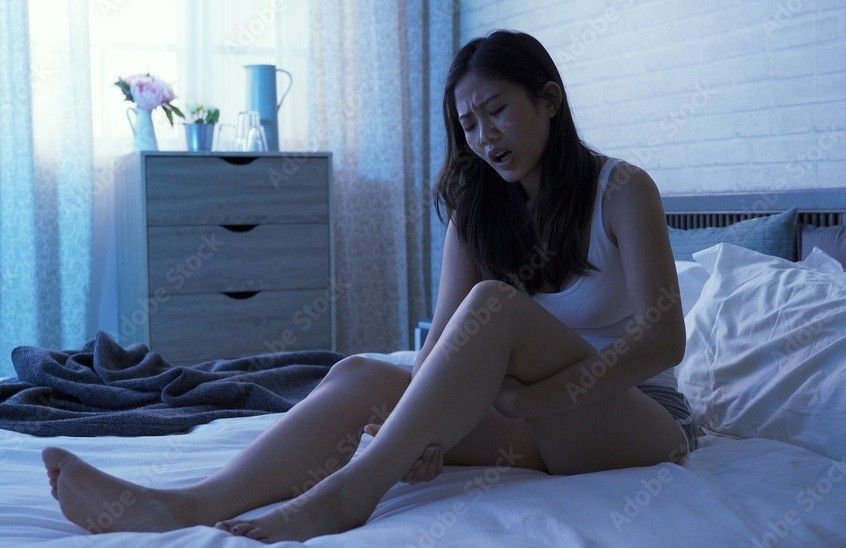
Have you ever ended a long day only to find your feet swollen and uncomfortable? Swelling in the feet at night is a common problem that affects people of all ages. While sometimes harmless, it can also signal underlying health issues that require attention. Understanding why this happens is the first step toward relief and prevention. In this guide, we will explore the causes of nighttime feet swelling, risk factors, symptoms to watch for, preventive measures, treatment options, and when to seek medical help.
What Is Foot Swelling?
Foot swelling, medically referred to as edema, is the accumulation of excess fluid in the tissues of the feet, ankles, or legs. It occurs when the body’s circulatory system, lymphatic system, or kidneys fail to properly manage fluid distribution. Swelling can be mild and temporary or severe and persistent, sometimes causing pain and discomfort.
Nighttime swelling is particularly common because the body’s natural processes for fluid distribution slow down as you rest. Gravity, blood circulation, and certain health conditions all play a role in why your feet may swell after a long day.
Causes of Feet Swelling at Night
Several factors can lead to swollen feet at night. Some are harmless, while others may need medical attention. Here are the most common causes:
1. Prolonged Standing or Sitting
If your daily routine involves long hours of standing or sitting, you may notice your feet swelling by the evening. Standing for long periods increases pressure in the veins of your legs, causing fluid to leak into surrounding tissues. Similarly, sitting without movement can slow blood circulation, leading to fluid accumulation in the lower extremities.
2. High Sodium Intake
Consuming foods high in salt can cause the body to retain water. Excess sodium disrupts the balance of fluids in your body, leading to puffiness and swelling in the feet and ankles. Processed foods, fast food, and salty snacks are common contributors to nighttime foot swelling.
3. Hormonal Changes
Hormonal fluctuations, particularly during menstruation, pregnancy, or menopause, can cause water retention. Estrogen and progesterone can affect fluid balance, leading to swelling in the feet and ankles, especially at the end of the day.
4. Pregnancy
Pregnancy is one of the most well-known causes of swollen feet at night. As the uterus grows, it puts pressure on veins in the pelvis and legs, slowing blood return to the heart. Additionally, increased blood volume and fluid retention during pregnancy can contribute to swelling. This is often more noticeable in the third trimester.
5. Injury or Trauma
Injury to the feet, ankles, or legs—such as a sprain, fracture, or bruise—can cause localized swelling. When tissues are injured, the body sends extra fluid to the affected area to promote healing, which often becomes more noticeable in the evening.
6. Medications
Certain medications can cause fluid retention as a side effect. Common culprits include:
- Blood pressure medications (calcium channel blockers)
- Steroids
- Hormonal medications (birth control or hormone replacement therapy)
- Nonsteroidal anti-inflammatory drugs (NSAIDs)
If you suspect your medication is causing swelling, consult your healthcare provider before making any changes.
7. Chronic Health Conditions
Persistent swelling in the feet at night can be a sign of an underlying health condition. Some of the most common include:
- Heart disease: Congestive heart failure can cause fluid buildup in the lower extremities.
- Kidney disease: Impaired kidney function affects fluid balance, leading to edema.
- Liver disease: Liver conditions such as cirrhosis can reduce protein levels in the blood, causing fluid retention.
- Venous insufficiency: Weak or damaged veins struggle to return blood to the heart, resulting in swelling.
8. Lymphedema
Lymphedema occurs when the lymphatic system is unable to properly drain fluid from tissues, causing swelling. It can be a result of surgery, infection, or congenital issues and may worsen in the evening due to fluid accumulation throughout the day.
9. Lifestyle Factors
Lifestyle habits such as wearing tight shoes, standing in one position for too long, lack of exercise, and obesity can contribute to swollen feet at night. Maintaining healthy body weight, stretching, and using proper footwear can reduce the risk of edema.
Symptoms Accompanying Swollen Feet
Swelling in the feet is not always an isolated symptom. Other signs may accompany the swelling, depending on the cause:
- Pitting: When you press on the swollen area, it leaves a dent.
- Redness or warmth: Could indicate infection or inflammation.
- Pain or tenderness: Common with injury or venous issues.
- Fatigue or heaviness: Feet may feel tired after a long day.
- Shortness of breath: If accompanied by swelling, could signal heart failure.
It is important to monitor these symptoms. If swelling persists or is accompanied by severe pain, shortness of breath, or chest pain, seek medical attention immediately.
Why Feet Swelling Gets Worse at Night
Many people notice that foot swelling is more pronounced in the evening. Here’s why:
- Gravity: Throughout the day, standing or sitting causes fluid to pool in the lower extremities.
- Circulation slows: During prolonged inactivity, blood and lymph flow decrease, allowing fluid to accumulate.
- Body’s repair mechanisms: At night, the body focuses on repair and redistribution of fluids, which can make swelling more noticeable.
How to Prevent Feet Swelling at Night?
While some causes of swelling are unavoidable, there are many strategies to reduce or prevent it.
1. Elevate Your Feet
Raising your feet above heart level for 15–20 minutes a few times a day can help fluids drain back toward the heart. Using a pillow or recliner can make this more comfortable.
2. Stay Active
Regular physical activity promotes healthy circulation and prevents fluid accumulation. Simple exercises such as walking, cycling, or stretching the legs can be effective.
3. Wear Compression Socks
Compression socks or stockings apply gentle pressure to the legs, preventing fluid from pooling in the lower extremities. They are especially useful for people who stand or sit for long periods.
4. Reduce Sodium Intake
Limiting high-sodium foods can reduce water retention. Focus on fresh fruits, vegetables, and lean proteins while avoiding processed snacks, canned foods, and fast food.
5. Hydrate Adequately
Drinking enough water helps maintain fluid balance in the body. Ironically, dehydration can sometimes worsen swelling because the body retains fluids when it senses a lack of hydration.
6. Maintain a Healthy Weight
Excess body weight increases pressure on the veins in your legs, contributing to swelling. Maintaining a healthy weight can improve circulation and reduce edema.
7. Avoid Tight Clothing
Tight socks, shoes, or leggings can restrict blood flow and worsen swelling. Choose comfortable, well-fitting footwear and clothing.
8. Limit Alcohol and Caffeine
Both alcohol and caffeine can affect fluid balance and contribute to swelling. Consuming them in moderation can help manage edema.
9. Monitor Medication Side Effects
If your medications are causing swelling, discuss alternatives or dosage adjustments with your healthcare provider. Never stop prescribed medication without professional guidance.
Home Remedies for Swollen Feet
In addition to prevention, certain home remedies can help relieve foot swelling at night:
- Warm and cold compresses: Alternating between warm and cold packs can improve circulation and reduce discomfort.
- Epsom salt soak: Soaking feet in warm water with Epsom salt for 15–20 minutes can reduce swelling and soothe pain.
- Foot massage: Gently massaging the feet and ankles promotes fluid movement and reduces puffiness.
- Herbal remedies: Herbs such as ginger, turmeric, and dandelion may have anti-inflammatory or diuretic properties that can help with mild edema.
When to Seek Medical Attention
While occasional foot swelling is often harmless, certain signs indicate that you should consult a healthcare professional:
- Persistent or worsening swelling
- Swelling in only one foot or leg
- Pain, redness, or warmth
- Shortness of breath or chest pain
- Swelling accompanied by sudden weight gain
These symptoms could indicate serious conditions such as heart failure, kidney disease, blood clots, or infections. Early intervention is critical to prevent complications.
Medical Treatments for Feet Swelling
If lifestyle changes and home remedies are not sufficient, a doctor may recommend medical interventions:
- Diuretics: Medications that help remove excess fluid from the body.
- Compression therapy: Specialized stockings or devices to improve circulation.
- Surgery: In rare cases, surgical procedures may be required to address venous insufficiency or lymphatic blockages.
- Treatment of underlying conditions: Managing chronic illnesses such as heart, kidney, or liver disease can significantly reduce swelling.
Special Considerations
Pregnancy
Pregnant women should consult their healthcare provider if swelling is sudden, severe, or associated with high blood pressure, as this could indicate preeclampsia, a serious condition that requires immediate attention.
Older Adults
Foot swelling is more common in older adults due to decreased circulation, medications, and underlying health conditions. Regular monitoring and preventive measures are especially important for seniors.
Athletes
Athletes may experience temporary swelling due to intense physical activity. Elevation, rest, and proper footwear usually resolve the issue.
Lifestyle Adjustments to Reduce Nighttime Swelling
In addition to the preventive tips mentioned earlier, consider these daily adjustments:
- Take breaks from standing or sitting: Move every hour to encourage blood flow.
- Foot exercises: Flexing and rotating ankles can help circulate blood.
- Healthy diet: Include potassium-rich foods such as bananas, oranges, and spinach to help balance sodium levels.
- Monitor fluid intake strategically: Drinking small amounts of water throughout the day rather than excessive amounts in the evening can help.
Final Thought
Swollen feet at night are a common and often harmless problem, but they can sometimes indicate underlying health issues. Understanding the causes, such as prolonged standing, high sodium intake, hormonal changes, injury, medication, or chronic conditions, is crucial to managing this condition. By adopting preventive measures like elevating the feet, staying active, wearing compression socks, maintaining a healthy diet, and monitoring fluid intake, you can reduce nighttime swelling and improve comfort. However, persistent, painful, or asymmetrical swelling should never be ignored. Consulting a healthcare professional ensures that underlying conditions are detected early and managed effectively.
FAQ’s
Q: Can swollen feet at night indicate a serious problem?
A: Sometimes. Persistent or painful swelling, especially if accompanied by shortness of breath, chest pain, or redness in one leg, could signal heart, kidney, liver issues, or a blood clot. Seek medical attention in such cases.
Q: Is swelling during pregnancy normal?
A: Mild swelling in pregnancy is common, especially in the third trimester. However, sudden, severe swelling, especially with high blood pressure, may indicate preeclampsia and needs immediate medical attention.
Q: When should I see a doctor for swollen feet?
A: See a doctor if swelling is persistent, severe, occurs in only one leg, or is accompanied by pain, redness, shortness of breath, or chest discomfort. These could indicate underlying medical conditions.
Q: Can medications cause foot swelling?
A: Yes. Some blood pressure medications, steroids, NSAIDs, and hormonal medications can cause fluid retention and swelling in the feet and ankles.
Q: Can dehydration cause foot swelling?
A: Surprisingly, yes. When the body is dehydrated, it tends to retain fluids to compensate, which can lead to swelling in the feet and ankles.
Q: Does standing all day at work cause nighttime foot swelling?
A: Absolutely. Prolonged standing increases pressure in the veins of your legs, making fluid accumulate in your feet and ankles by the evening.
Q: Can too much salt in my diet make my feet swell?
A: Yes. High sodium intake causes the body to retain water, which can lead to puffy feet, especially after a long day.
Q: Are swollen feet a sign of heart problems?
A: Sometimes. Persistent swelling, especially with shortness of breath or fatigue, may indicate heart conditions such as congestive heart failure. Consult a doctor if these symptoms appear.
Q: Can alcohol make my feet swell?
A: Yes. Alcohol can cause fluid retention and increase swelling in the feet and ankles, particularly after heavy drinking.
Q: Can wearing tight shoes cause nighttime foot swelling?
A: Definitely. Tight shoes restrict blood flow and can cause fluid to accumulate in the feet, leading to swelling by the evening.
Q: How long does foot swelling usually last?
A: Mild swelling often goes away after resting with your feet elevated for 15–30 minutes. Persistent swelling that lasts for days may require medical evaluation.
Q: Can herbal teas help reduce swollen feet?
A: Some herbal teas like dandelion or ginger tea may have mild diuretic or anti-inflammatory effects that can help reduce mild swelling.
Q: Is swelling worse in one foot a concern?
A: Yes. Swelling in only one foot or leg may indicate a blood clot or infection and should be evaluated by a doctor immediately.
Q: Can exercise help prevent foot swelling at night?
A: Absolutely. Regular movement improves circulation, reducing fluid buildup in the feet and ankles. Simple stretches, walking, or ankle rotations are effective.
Q: Is foot swelling at night more common in older adults?
A: Yes. Aging affects circulation, kidney function, and vein health, making older adults more prone to nighttime foot swelling.
Also Read: