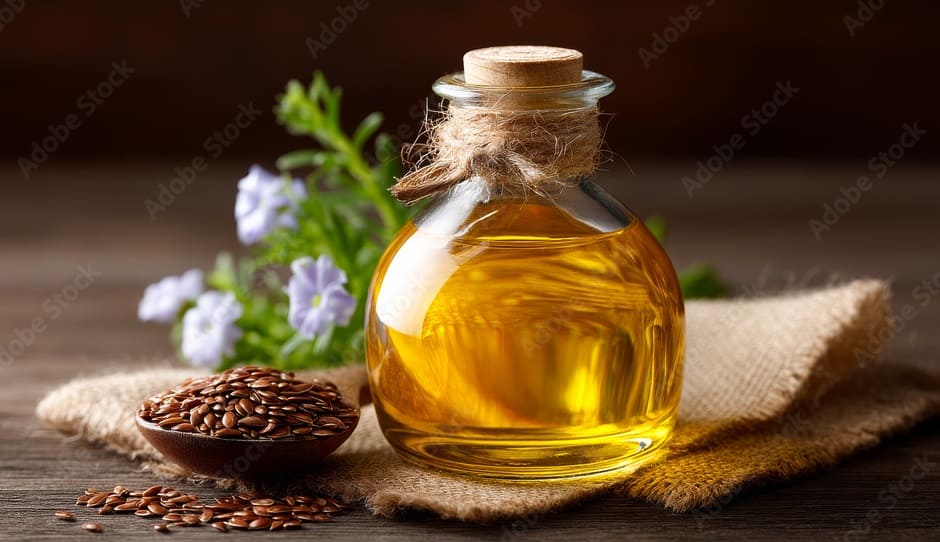
When you think of “healthy oils,” olive oil or coconut oil might come to mind. But there’s another powerful oil that often flies under the radar — flaxseed oil. Extracted from the seeds of the flax plant (Linum usitatissimum), this golden oil has been cherished for centuries for its impressive nutritional and therapeutic benefits.
From improving heart health to nourishing your skin and hair, flaxseed oil (also known as linseed oil) is a true multitasker in the world of natural wellness. Whether you consume it directly, use it in your diet, or apply it topically, flaxseed oil offers numerous advantages backed by science. Let’s explore everything you need to know about this nutrient-rich oil — from its nutrition facts and benefits to its dosage, side effects, and how to use it effectively.
What is Flaxseed Oil?
Flaxseed oil is extracted from flax seeds, tiny brown or golden seeds that are considered one of the richest plant sources of omega-3 fatty acids, especially alpha-linolenic acid (ALA). It’s obtained through a process called cold pressing, which helps retain the nutritional value of the seeds.
Unlike flaxseeds, which contain fiber and lignans, the oil focuses mainly on healthy fats — making it ideal for those looking to boost their omega-3 intake without adding extra fiber to their diet. It’s commonly used in cooking (in non-heated recipes), as a dietary supplement, and as a skincare or haircare remedy due to its anti-inflammatory and moisturizing properties.
Nutrition Facts of Flaxseed Oil
Here’s a nutritional profile of 1 tablespoon (13.6 g) of flaxseed oil:
| Nutrients | Amount per 1 tbsp (13.6 g) |
|---|---|
| Calories | 120 kcal |
| Total Fat | 13.6 g |
| Saturated Fat | 1.3 g |
| Monounsaturated Fat | 2.7 g |
| Polyunsaturated Fat | 8.9 g |
| Omega-3 Fatty Acids (ALA) | 7,196 mg |
| Omega-6 Fatty Acids (Linoleic acid) | 1,714 mg |
| Cholesterol | 0 mg |
| Protein | 0 g |
| Carbohydrates | 0 g |
| Vitamin E | 0.47 mg |
Flaxseed oil stands out for its high omega-3 content, making it an excellent plant-based alternative to fish oil for vegetarians and vegans.
20 Proven Health Benefits of Flaxseed Oil
Flaxseed oil isn’t just a nutritional supplement; it’s a holistic health booster. Here are 20 science-backed benefits that make it a powerful addition to your lifestyle:
- Supports Heart Health – The omega-3 fatty acids in flaxseed oil help reduce bad cholesterol (LDL) levels and improve good cholesterol (HDL), lowering the risk of heart disease.
- Reduces Inflammation – ALA in flaxseed oil helps combat inflammation, which plays a role in conditions like arthritis and autoimmune diseases.
- Promotes Digestive Health – Though the oil lacks fiber, it helps lubricate the digestive tract, easing bowel movements and relieving constipation.
- Improves Skin Elasticity – Regular consumption or topical application can hydrate and smooth the skin, reducing dryness and irritation.
- Enhances Hair Health – Flaxseed oil nourishes the scalp and strengthens hair follicles, reducing hair breakage and promoting growth.
- Supports Weight Management – Omega-3s improve metabolism and reduce inflammation that may contribute to weight gain.
- Aids in Hormonal Balance – Especially beneficial for women, flaxseed oil helps balance estrogen levels and ease symptoms of PMS and menopause.
- Improves Brain Function – ALA supports brain health, improving memory, focus, and overall cognitive performance.
- Boosts Immune System – The anti-inflammatory and antioxidant properties strengthen your immune defense against infections.
- Helps Control Blood Pressure – Flaxseed oil supports healthy blood vessel function, which may help maintain optimal blood pressure levels.
- Supports Joint Health – Its anti-inflammatory effects can help relieve stiffness and pain in conditions like rheumatoid arthritis.
- Reduces Dry Eye Symptoms – Regular intake of flaxseed oil can improve tear quality and reduce dryness or irritation.
- May Help Manage Diabetes – ALA may improve insulin sensitivity and help regulate blood sugar levels.
- Promotes Wound Healing – Topical flaxseed oil can speed up skin repair and reduce inflammation in minor cuts or burns.
- Improves Mood and Reduces Anxiety – Omega-3 fatty acids are known to play a role in mood stabilization and may help combat depression.
- Supports Liver Health – Flaxseed oil helps reduce fat accumulation in the liver, protecting against fatty liver disease.
- Boosts Fertility – Its hormone-balancing effects may support reproductive health in both men and women.
- Protects Against Certain Cancers – Some studies suggest that flaxseed’s ALA and lignans may have anti-cancer properties, particularly in breast and prostate cancer prevention.
- Supports Bone Health – The oil’s anti-inflammatory effects can help reduce bone loss and support bone density.
- Improves Skin Conditions – It may help with skin issues like eczema, psoriasis, and dermatitis when used regularly.
10 Side Effects of Flaxseed Oil
While flaxseed oil is generally safe, overconsumption or improper use may cause some side effects:
- Digestive Issues – High doses may cause diarrhea, loose stools, or bloating.
- Allergic Reactions – Some people may experience itching, rash, or swelling after consumption.
- Blood Thinning – Omega-3s can thin the blood, which may increase bleeding risk in those on anticoagulant medications.
- Low Blood Pressure – Overuse may lower blood pressure excessively in those already on hypertension medication.
- Hormonal Effects – In rare cases, flaxseed oil may mildly influence hormone-sensitive conditions.
- May Interfere with Medications – It can interact with diabetes, blood pressure, or blood-thinning drugs.
- Not Suitable for Cooking at High Heat – Heating can destroy nutrients and create harmful compounds.
- Oxidation Risk – If not stored properly, the oil can turn rancid quickly.
- Pregnancy Concerns – High doses are not recommended during pregnancy due to limited research.
- Eye Irritation (Topical Use) – If it accidentally gets into the eyes, it may cause temporary irritation.
How to Use Flaxseed Oil?
Flaxseed oil can be used both internally and externally depending on your health or beauty goals:
- As a supplement: Take it directly by spoon or in capsule form.
- In food: Add to smoothies, salads, yogurt, or dips.
- For skincare: Apply a few drops on clean skin to lock in moisture.
- For haircare: Massage into the scalp or mix with carrier oils like coconut or castor oil.
Avoid using flaxseed oil for frying or high-heat cooking, as it loses its nutrients when exposed to high temperatures.
Other Uses of Flaxseed Oil
Beyond health and beauty, flaxseed oil has multiple practical uses:
- Wood Polish: It’s a natural polish for furniture and wooden utensils.
- Paint and Varnish Base: Used as a drying oil in paints and coatings.
- Leather Conditioner: Helps restore shine and flexibility to leather goods.
- Pet Supplement: A small amount can enhance your pet’s coat and skin health (consult a vet first).
- Massage Oil: Its smooth texture makes it a great carrier oil for massages.
Tips for Consuming Flaxseed Oil
To get the most benefits from flaxseed oil, keep these tips in mind:
- Use Cold-Pressed Oil – It retains the most nutrients and antioxidants.
- Add It to Cold Foods – Mix into salad dressings, smoothies, or dips, not hot dishes.
- Store Properly – Keep in a dark, airtight bottle in the refrigerator.
- Start Small – Begin with half a teaspoon a day and increase gradually.
- Check for Freshness – The oil should smell mild and nutty, not sour or fishy.
- Combine with Vitamin E – It helps prevent oxidation inside the body.
- Avoid High Heat – Never use flaxseed oil for frying or baking.
- Consult a Doctor – Especially if you have health conditions or take medications.
- Consume with Food – It’s best absorbed with meals.
- Use Within Expiry Date – Flaxseed oil spoils faster than most oils.
How to Take Flaxseed Oil?
You can take flaxseed oil in several ways depending on your lifestyle:
- Liquid Form: 1–2 teaspoons daily, mixed into smoothies or salads.
- Capsules: Convenient for those who don’t like the taste.
- Topical Use: Massage directly onto the skin or hair.
- With Meals: Taking it with food improves absorption and prevents nausea.
How Much Flaxseed Oil Can You Use Per Day?
The ideal daily intake depends on age, health status, and dietary needs.
- Adults: 1–2 tablespoons (15–30 ml) daily is generally considered safe.
- Children: 1 teaspoon (5 ml) daily under supervision.
- Pregnant/Breastfeeding Women: Consult your doctor before use.
It’s best to start with small doses and monitor how your body responds.
Flaxseed Oil Dosage
| Purpose | Recommended Dosage |
|---|---|
| General Health | 1 tablespoon (15 ml) daily |
| Heart Health | 1–2 tablespoons daily |
| Skin/Hair Benefits | 1 teaspoon daily or apply topically |
| Joint Pain | 2 tablespoons daily under supervision |
| Constipation Relief | 1 tablespoon daily with water |
Always use high-quality, food-grade flaxseed oil and avoid exceeding 2 tablespoons per day without professional advice.
Best Time to Take Flaxseed Oil
The best time depends on your goals:
- For Heart and Brain Health: Morning, with breakfast.
- For Digestive Benefits: Before bedtime or with dinner.
- For Skin and Hair: Any time, as consistency matters more than timing.
Taking it with meals improves absorption and reduces digestive discomfort.
Who Should Take Flaxseed Oil?
Flaxseed oil can benefit almost everyone, especially:
- People with high cholesterol or blood pressure
- Those with dry skin, eczema, or brittle hair
- Vegetarians and vegans lacking omega-3s from fish
- Individuals with joint pain or inflammation
- People looking to improve digestion and immunity
Who Should Not Take Flaxseed Oil?
Some individuals should avoid or limit flaxseed oil:
- Pregnant or breastfeeding women
- People on blood thinners (like warfarin or aspirin)
- Those with low blood pressure or taking antihypertensive medication
- Individuals with bleeding disorders
- People scheduled for surgery (stop 1–2 weeks before)
- Anyone allergic to flaxseed
How to Store Flaxseed Oil?
Proper storage is essential to maintain its freshness:
- Keep in a Dark Bottle – Light exposure causes oxidation.
- Store in the Refrigerator – Especially after opening.
- Avoid Air Exposure – Always seal tightly after each use.
- Do Not Heat – High temperatures degrade the oil.
- Check Expiry Date – Use within a few months of opening.
If the oil smells bitter or has a strong off odor, discard it — it’s likely rancid.
Precautions and Interactions
Before incorporating flaxseed oil into your diet, keep these precautions in mind:
- Medication Interactions: It may interact with blood thinners, diabetes, and blood pressure medications.
- Pregnancy and Breastfeeding: Limited research, so consult a healthcare provider.
- Allergies: Perform a patch test before topical use.
- Surgery: Stop using at least two weeks before any planned operation.
- Storage Caution: Always refrigerate and avoid using expired oil.
If you’re under medical supervision, discuss flaxseed oil use with your doctor to ensure it’s safe for your condition.
Final Thoughts
Flaxseed oil truly stands out as a natural health powerhouse — a golden oil that nourishes your heart, brain, skin, and hair from within. It’s one of the simplest yet most effective ways to add plant-based omega-3s to your diet, especially for those who don’t consume fish. However, like any supplement, moderation is key. Use it wisely, store it correctly, and consult a professional if you’re on medications or have specific health concerns.
FAQ’s
Is flaxseed oil better than flaxseeds?
Flaxseeds provide fiber and lignans, while flaxseed oil offers concentrated omega-3s. Both have unique benefits, so including both is ideal.
Can flaxseed oil help with weight loss?
Yes, it may help regulate appetite and metabolism when combined with a balanced diet and regular exercise.
Is flaxseed oil safe for daily use?
Yes, moderate daily use (1–2 tablespoons) is generally safe for most people.
Can flaxseed oil be used for cooking?
It’s best used in cold dishes or added after cooking to preserve nutrients. Avoid frying or baking with it.
Is flaxseed oil good for skin and hair?
Absolutely. It deeply hydrates the skin, reduces inflammation, and promotes shiny, healthy hair.
Can pregnant women take flaxseed oil?
Only under medical supervision, as research on its safety during pregnancy is limited.
What does flaxseed oil taste like?
It has a mild, nutty flavor that blends well in smoothies and salads.
How long does flaxseed oil last?
Typically 6–8 months if stored properly in a cool, dark place or refrigerator.
Can children take flaxseed oil?
Yes, in small amounts (about 1 teaspoon daily) under parental supervision.
What is flaxseed oil good for?
Flaxseed oil is excellent for heart, skin, hair, and overall wellness. It’s rich in omega-3 fatty acids, which help reduce inflammation, support heart health, and improve cholesterol levels. It also promotes glowing skin, shiny hair, better digestion, and improved brain function.
Which is better to lower cholesterol, fish oil or flaxseed oil?
Both are beneficial, but fish oil is generally more effective for lowering cholesterol because it contains EPA and DHA, the active forms of omega-3s that directly support heart health. However, flaxseed oil is an excellent plant-based alternative for vegetarians and vegans, as it provides ALA (alpha-linolenic acid), which the body can partially convert into EPA and DHA.
How long does it take for flaxseed oil to start working?
The benefits of flaxseed oil usually become noticeable after 2 to 6 weeks of consistent use. Improvements in skin texture, digestion, and inflammation may appear sooner, while heart health or cholesterol changes may take a bit longer — around 8 to 12 weeks. Regular use and a balanced diet make a big difference in how quickly you see results.
Which is better, coconut oil or flaxseed oil?
It depends on your goal. Flaxseed oil is better for heart health, brain function, and reducing inflammation because of its high omega-3 content. Coconut oil, on the other hand, is richer in medium-chain triglycerides (MCTs), which can boost energy and metabolism. For everyday wellness and cholesterol management, flaxseed oil is generally the better choice.
What to look for when buying flaxseed oil?
When buying flaxseed oil, look for:
- Cold-pressed or expeller-pressed oil (retains nutrients)
- Dark glass bottles (protects from light damage)
- Refrigerated storage (prevents oxidation)
- Fresh manufacture date (flaxseed oil spoils quickly)
- Organic and non-GMO labels (ensures purity and safety)
Avoid oils with a strong, fishy, or sour smell — that’s a sign it’s gone rancid.
What is better than flaxseed oil?
“Better” depends on what you need. For pure omega-3 power, fish oil or algae oil may be more effective because they provide direct EPA and DHA. But if you prefer a vegan, plant-based option, flaxseed oil remains one of the best choices. Other good alternatives include chia seed oil, hemp seed oil, and walnut oil, which also offer healthy fats and antioxidants.
What is the best way to use flaxseed oil?
The best way to use flaxseed oil is raw and unheated. Add 1–2 teaspoons daily to smoothies, salad dressings, dips, or yogurt. You can also apply it topically for skin hydration or mix it with carrier oils for hair nourishment. Avoid using flaxseed oil for frying or baking, as heat destroys its beneficial omega-3 fats.
Also Read: