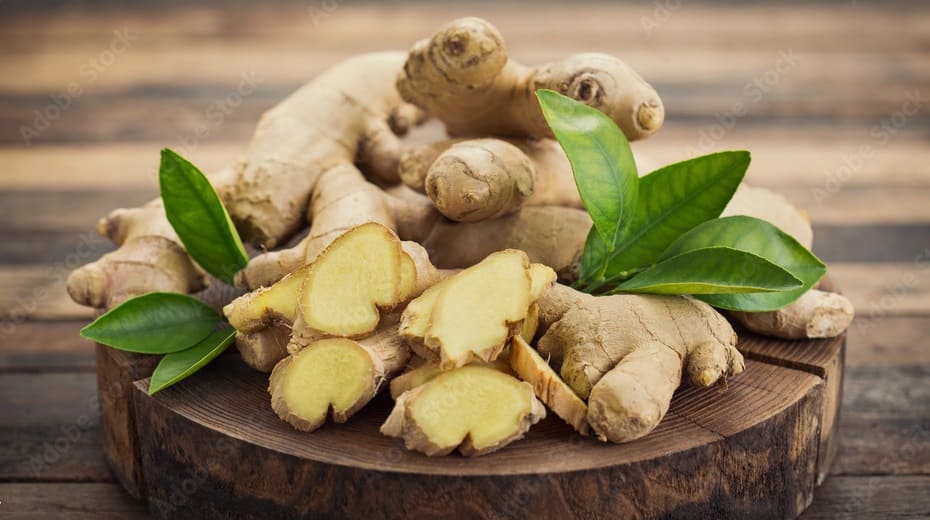
When you think about home remedies passed down through generations, one ingredient almost always makes its way to the top of the list—ginger. Whether it’s your grandmother giving you ginger tea for a cold, or chefs around the world using it to add a kick to their dishes, ginger has earned its reputation as a powerhouse spice. But beyond its bold, warming flavor, ginger carries centuries of medicinal use, health benefits, and culinary magic. In this guide, we’ll take a deep dive into everything you need to know about ginger—from its nutritional profile and health benefits to its uses, dosage, side effects, and more.
What is Ginger?
Ginger, scientifically known as Zingiber officinale, is a flowering plant native to Southeast Asia. It belongs to the same family as turmeric and cardamom, known as the Zingiberaceae family. The part we commonly use is the underground stem, or rhizome, which is packed with bioactive compounds that contribute to both its strong aroma and medicinal properties.
For thousands of years, ginger has been used in traditional medicines like Ayurveda, Traditional Chinese Medicine (TCM), and herbal practices worldwide. Today, modern science also backs many of its benefits, making it one of the most researched and respected herbs available.
Nutrition Facts of Ginger
Here’s a nutritional value of fresh ginger (per 100 grams):
| Nutrient | Amount |
|---|---|
| Calories | 80 kcal |
| Carbohydrates | 17.8 g |
| Protein | 1.8 g |
| Fat | 0.8 g |
| Fiber | 2 g |
| Sugars | 1.7 g |
| Vitamin C | 5 mg (8% DV) |
| Vitamin B6 | 0.16 mg (8% DV) |
| Potassium | 415 mg (12% DV) |
| Magnesium | 43 mg (11% DV) |
| Iron | 0.6 mg (3% DV) |
| Manganese | 0.2 mg (10% DV) |
What makes ginger so special is not just its vitamins and minerals, but its unique compounds—especially gingerols, shogaols, and zingerone—which are responsible for its medicinal effects.
20 Proven Health Benefits of Ginger
Ginger isn’t just a spice; it’s nature’s medicine cabinet. Let’s look at 20 science-backed health benefits:
- Eases nausea and vomiting – A natural remedy for morning sickness, motion sickness, and chemotherapy-related nausea.
- Supports digestion – Stimulates saliva and bile production, helping food move smoothly through the gut.
- Reduces bloating and gas – Acts as a carminative, breaking down gas and soothing the digestive tract.
- Boosts immunity – Its antioxidant and antimicrobial properties strengthen defense against infections.
- Fights inflammation – Gingerols have powerful anti-inflammatory effects, helping conditions like arthritis.
- Relieves pain – Useful for headaches, muscle soreness, and menstrual cramps.
- Improves circulation – Helps blood flow better, reducing risks of clotting.
- Supports heart health – Lowers cholesterol, improves blood pressure, and may reduce the risk of heart disease.
- Controls blood sugar – Improves insulin sensitivity, making it beneficial for people with diabetes.
- Supports weight management – Boosts metabolism and promotes satiety.
- Improves brain health – May protect against age-related cognitive decline and Alzheimer’s disease.
- Relieves respiratory issues – Helps loosen mucus, making it useful in coughs, colds, and asthma.
- Soothes sore throat – Its anti-inflammatory and antibacterial effects calm irritation.
- Supports liver health – Protects the liver from toxins and oxidative stress.
- Improves skin health – Its antioxidants reduce aging signs and help with acne.
- Fights infections – Effective against oral bacteria, respiratory infections, and even certain fungi.
- Promotes hair health – Stimulates circulation in the scalp, supporting hair growth.
- Reduces menstrual discomfort – Studies show it can be as effective as painkillers for cramps.
- Helps detoxification – Encourages sweating and supports kidney and liver cleansing.
- Supports overall energy – Its warming nature revitalizes and combats fatigue.
10 Side Effects of Ginger
While ginger is generally safe, too much of anything can cause trouble. Here are 10 potential side effects:
- Heartburn or acid reflux – Its strong compounds may irritate sensitive stomachs.
- Mouth irritation – Chewing raw ginger may cause burning sensations.
- Diarrhea – Overconsumption can speed up digestion excessively.
- Increased bleeding risk – Ginger thins the blood, which may be problematic for people on anticoagulants.
- Lower blood sugar – Can interfere with medications for diabetes.
- Allergic reactions – Rare, but some people may develop skin rashes or irritation.
- Stomach upset – Large doses may cause discomfort in sensitive individuals.
- Interaction with blood pressure medications – May lower blood pressure too much.
- Excessive sweating – Its warming nature sometimes overstimulates sweat glands.
- Potential risk in pregnancy (high doses) – While small amounts are safe, excess may stimulate uterine contractions.
How to Eat Ginger?
The beauty of ginger is its versatility. You can enjoy it:
- Fresh and raw in salads, juices, or smoothies.
- Grated or sliced into curries, stir-fries, and soups.
- Dried and ground as a spice in baking or spice blends.
- As tea by steeping fresh slices in hot water.
- Pickled (common in Japanese cuisine with sushi).
- Crystallized or candied for snacking.
Tips for Consuming Ginger
- Start with small amounts, especially if you’ve never eaten it before.
- Pair ginger with honey or lemon to balance its strong flavor.
- For digestion, try ginger tea after meals.
- For colds, combine ginger with turmeric and black pepper for extra potency.
- Avoid consuming on an empty stomach if you’re prone to acidity.
How to Use Ginger?
Beyond eating it raw or cooked, ginger can be used in multiple ways:
- Tea – A classic home remedy for colds, digestion, and relaxation.
- Juice shots – Popular in wellness routines for quick energy and immunity boost.
- Powder – Perfect for baking, spicing, or even capsules.
- Essential oil – Used in aromatherapy and massage for pain relief.
- Topical paste – Applied for joint pain or skin issues in traditional practices.
Other Uses of Ginger
- In cosmetics – Added to skincare for its anti-aging and anti-inflammatory benefits.
- In beverages – Found in ginger ale, ginger beer, and herbal tonics.
- In aromatherapy – Uplifts mood and relieves fatigue.
- In preservation – Its antimicrobial nature helps preserve food.
Ginger Medicinal Uses
Traditional medicine has long valued ginger for:
- Relieving morning sickness during pregnancy.
- Reducing arthritis pain by lowering inflammation.
- Calming motion sickness for travelers.
- Soothing migraines with its pain-relieving properties.
- Detoxifying the body in Ayurvedic treatments.
Modern research continues to validate many of these uses.
How to Store Ginger?
- Fresh ginger – Keep in the refrigerator, wrapped in paper towels inside a plastic bag.
- Cut ginger – Store in an airtight container, use within a week.
- Peeled ginger – Store submerged in alcohol or vinegar for longer shelf life.
- Powdered ginger – Keep in a cool, dry place away from sunlight.
- Frozen ginger – You can freeze whole ginger root and grate it as needed.
How Much Ginger Can You Eat in a Day?
Most experts recommend 2–4 grams of fresh ginger or 1 gram of powdered ginger per day for adults. This is enough to enjoy the benefits without risking side effects.
Ginger Dosage
- Nausea – 1 gram daily, split into small doses.
- Menstrual pain – 250 mg four times a day during the first 3 days of menstruation.
- Osteoarthritis – 250–500 mg twice daily.
- Indigestion – 1–2 grams before meals.
Always consult a healthcare provider before using ginger as a treatment.
Best Time to Eat Ginger
- Morning – Boosts metabolism and energy.
- After meals – Helps digestion and prevents bloating.
- Before bedtime – A warm ginger tea relaxes the body and improves sleep quality.
Who Should Eat Ginger?
- People with frequent colds, coughs, or sore throats.
- Those with digestive issues like bloating, nausea, or slow metabolism.
- Individuals with joint pain or arthritis.
- People looking for natural ways to support immunity and heart health.
Who Should Not Eat Ginger?
- People on blood thinners (warfarin, aspirin).
- Those with bleeding disorders.
- People with severe acid reflux or ulcers.
- Pregnant women (should only consume in moderation after consulting a doctor).
- Individuals with low blood sugar or on diabetes medications.
Precautions and Interactions
- With medications – Ginger may interact with blood thinners, blood pressure drugs, and diabetes medications.
- During pregnancy – Small amounts are safe, but high doses should be avoided.
- For children – Can be given in small amounts (like ginger tea) but avoid strong doses.
- Before surgery – Stop consuming ginger at least 1 week prior due to its blood-thinning properties.
Final Thoughts
Ginger is more than just a spice—it’s a bridge between food and medicine. From soothing a sore throat to protecting your heart, this golden root deserves a place in every kitchen and home remedy box. Still, like any powerful natural medicine, it should be consumed with awareness and balance. Incorporating ginger into your daily routine—whether as tea, spice, or supplement—can be one of the simplest yet most impactful ways to support your overall health.
FAQ’s
What is ginger mainly used for?
Ginger is widely used as both a spice and a natural remedy. It adds flavor to dishes and drinks while also helping with digestion, nausea, inflammation, and overall immunity.
Is it safe to eat ginger every day?
Yes, consuming ginger daily in moderate amounts (2–4 grams fresh or 1 gram powdered) is safe for most people. However, those on blood thinners or with certain health conditions should consult a doctor.
Can ginger help with weight loss?
Yes. Ginger may boost metabolism, control appetite, and improve digestion, making it supportive in a weight loss journey when paired with a healthy lifestyle.
Does ginger reduce inflammation?
Absolutely. Ginger contains compounds like gingerols that fight inflammation, which may help with conditions such as arthritis, sore muscles, and general body pain.
Is ginger good for the stomach?
Yes. Ginger eases nausea, reduces bloating, and supports digestion by speeding up food movement through the stomach.
Can pregnant women eat ginger?
In small amounts, ginger can help relieve morning sickness during pregnancy. However, high doses may not be safe and should only be taken after consulting a doctor.
Is ginger a blood thinner?
Yes, ginger has natural blood-thinning properties. People taking blood-thinning medications should avoid large amounts to prevent complications.
Can ginger lower blood pressure?
Yes, ginger may help improve circulation and slightly lower blood pressure. But it can also interact with medications, so people with low blood pressure should be cautious.
How much ginger is too much?
Consuming more than 4 grams a day may cause side effects such as heartburn, diarrhea, or stomach upset. Always keep intake moderate.
What does ginger taste like?
Ginger has a strong, warm, and slightly sweet taste with a peppery, pungent kick. Fresh ginger is more vibrant and spicy, while dried or powdered ginger has a milder, slightly sweet flavor.
Can children eat ginger?
Yes, children can eat ginger in small amounts. It can help with digestion, nausea, and colds. However, avoid giving them strong doses or concentrated ginger supplements.
Is ginger anti-inflammatory?
Yes, ginger contains compounds like gingerols and shogaols that have powerful anti-inflammatory properties, helping with arthritis, muscle pain, and general inflammation in the body.
What infections does ginger cure?
Ginger has antimicrobial properties that can help fight certain bacterial, viral, and fungal infections, such as respiratory infections, oral bacteria, and some digestive infections. It supports the immune system but should not replace medical treatment for serious infections.
Which disease is cured by ginger?
Ginger is not a cure but can help manage and alleviate symptoms of several conditions, including nausea, digestive disorders, arthritis, colds, and inflammation-related diseases.
Does ginger destroy bacteria?
Ginger has natural antibacterial and antifungal properties. It can inhibit the growth of harmful bacteria, especially in the gut and oral cavity, helping prevent infections.
What organ is ginger good for?
Ginger primarily benefits the digestive system, heart, liver, and lungs. It supports digestion, improves circulation, detoxifies the liver, and helps relieve respiratory issues.
How to use ginger as an antibiotic?
Ginger can’t replace antibiotics prescribed by a doctor, but it can support immunity and help fight mild infections. Use fresh ginger in teas, juices, or soups, or add powdered ginger to meals for its antimicrobial benefits.
Is ginger good for your liver?
Yes, ginger has antioxidant properties that help protect the liver from oxidative stress and support liver detoxification. Regular moderate consumption may improve liver health.
Why can’t diabetics take ginger?
Diabetics can take ginger, but with caution. Ginger may lower blood sugar levels, which can interfere with diabetes medications and lead to hypoglycemia if not monitored.
Does ginger increase insulin?
Ginger may improve insulin sensitivity, helping the body use insulin more effectively, which can aid in blood sugar control. However, it doesn’t directly increase insulin production.
Also Read: