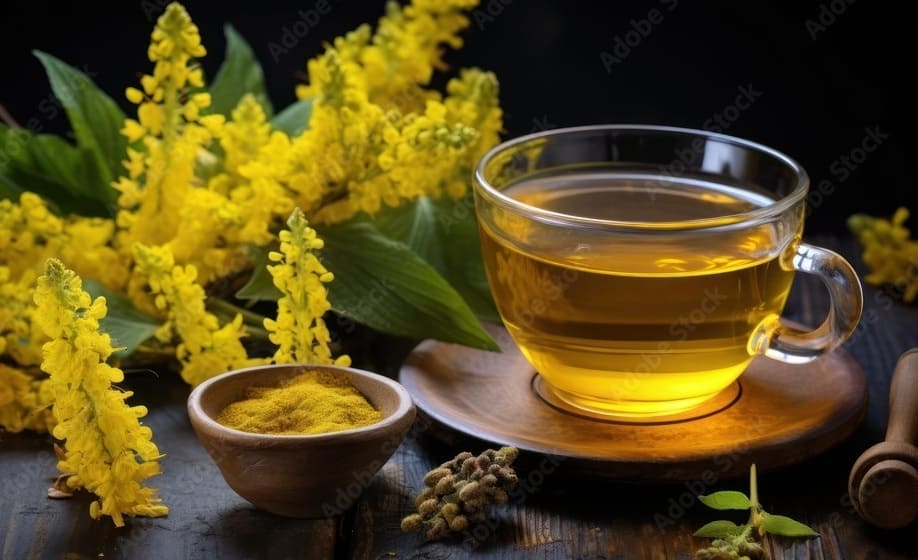
Goldenrod tea has been a part of traditional herbal medicine for centuries, often praised for its soothing properties and potential to support kidney and urinary health. While this herbal infusion is less mainstream than green tea or chamomile, it is gaining attention for its wide range of benefits backed by both tradition and modern research. In this guide, we’ll dive deep into everything you need to know about goldenrod tea—its nutritional facts, benefits, side effects, preparation methods, and more.
What is Goldenrod Tea?
Goldenrod tea is an herbal infusion made from the leaves and flowering tops of the goldenrod plant (Solidago species). Known for its bright yellow flowers that bloom in late summer and early autumn, goldenrod has long been used in Native American and European folk medicine.
The tea is typically brewed from dried goldenrod leaves and flowers. It is mildly bitter with earthy undertones and is often consumed to support kidney health, relieve inflammation, and promote overall wellness. Goldenrod tea is caffeine-free, making it a calming choice for both daytime and evening consumption.
There are over 100 species of goldenrod, but the most commonly used in herbal medicine are:
- Solidago virgaurea (European goldenrod)
- Solidago canadensis (Canadian goldenrod)
- Solidago gigantea (Giant goldenrod)
Nutritional Facts of Goldenrod Tea
Goldenrod tea is not rich in calories or macronutrients, but it contains a wide range of phytochemicals, flavonoids, and antioxidants that give it its medicinal qualities.
Here is an approximate nutritional breakdown per one cup (240 ml) of brewed goldenrod tea:
| Nutrient | Amount (Approx.) | Role in Health |
|---|---|---|
| Calories | 0–5 kcal | Very low in calories |
| Carbohydrates | <1 g | Minimal impact on blood sugar |
| Protein | 0 g | Not a protein source |
| Fat | 0 g | Fat-free |
| Vitamin C | Trace amounts | Supports immunity |
| Vitamin A | Trace amounts | Eye and skin health |
| Flavonoids (e.g., quercetin, rutin) | Present | Antioxidant and anti-inflammatory properties |
| Saponins | Present | Supports kidney and urinary tract |
| Tannins | Present | Astringent and protective effect |
| Essential oils | Present in small amounts | May provide antimicrobial benefits |
20 Science-Backed Health Benefits of Goldenrod Tea
Goldenrod tea has a reputation in traditional medicine, and modern science has begun to explore its potential. Here are 20 proven health benefits supported by traditional use and research:
- Supports Kidney Health – Promotes urine flow and helps cleanse the kidneys.
- Relieves Urinary Tract Infections (UTIs) – Its antimicrobial and diuretic properties may ease UTI symptoms.
- Reduces Inflammation – Contains flavonoids that help fight inflammation.
- Acts as a Natural Diuretic – Helps flush out excess fluids and salts from the body.
- Soothes Allergies – May help reduce seasonal allergy symptoms.
- Supports Joint Health – Traditionally used to ease arthritis-related pain and stiffness.
- Protects Against Oxidative Stress – Rich in antioxidants that protect cells.
- Supports Respiratory Health – Used in folk medicine to relieve coughs and congestion.
- Eases Sore Throat – Warm goldenrod tea can soothe throat irritation.
- Promotes Healthy Skin – Antioxidants may support skin repair and reduce irritation.
- Helps with Digestive Health – Can relieve mild bloating and indigestion.
- May Reduce Kidney Stones Risk – Its diuretic effect may prevent stone formation.
- Supports Wound Healing – Traditionally applied externally to promote healing.
- Improves Bladder Function – Can ease bladder irritation and overactivity.
- Supports Heart Health – Antioxidants may help protect cardiovascular health.
- Helps Manage Blood Pressure – Its diuretic effect may aid in balancing fluid levels.
- Boosts Immunity – Vitamin C and plant compounds support immune defense.
- Eases Muscle Spasms – Some studies suggest it may reduce cramps and spasms.
- Supports Oral Health – Its antimicrobial effects may help fight oral infections.
- Provides Relaxation – A caffeine-free herbal tea that can calm the body and mind.
10 Side Effects of Goldenrod Tea
Although goldenrod tea is generally safe, overconsumption or sensitivity can cause unwanted effects:
- Allergic Reactions – May trigger allergies, especially in those allergic to ragweed, daisies, or marigolds.
- Digestive Upset – Can cause stomach discomfort or diarrhea in some people.
- Dehydration Risk – Excessive diuretic effect may cause dehydration.
- Electrolyte Imbalance – Overuse may reduce sodium and potassium levels.
- Pregnancy Concerns – Not recommended during pregnancy due to lack of safety data.
- Breastfeeding Risks – Limited information on safety while nursing.
- Medication Interactions – Can interfere with diuretics, blood pressure drugs, or lithium.
- Skin Sensitivity – Topical use may cause rashes in sensitive individuals.
- Blood Pressure Fluctuations – May lower blood pressure too much in some users.
- Excessive Urination – Can lead to frequent urination and discomfort.
How to Make Goldenrod Tea?
Making goldenrod tea is simple and requires only a few ingredients.
Ingredients:
- 1–2 teaspoons of dried goldenrod leaves and flowers (or a tea bag)
- 1 cup hot water
- Honey or lemon (optional)
Instructions:
- Bring water to a boil.
- Add dried goldenrod (or tea bag) to a cup.
- Pour hot water over the herbs.
- Cover and steep for 10–15 minutes.
- Strain if using loose herbs.
- Add honey or lemon if desired and enjoy warm.
Other Uses of Goldenrod Tea
Besides drinking, goldenrod has several traditional applications:
- Skin Rinse: Used as a wash for minor wounds and skin irritation.
- Gargle: Warm tea used as a gargle for sore throat.
- Compress: Applied to bruises or muscle pain.
- Hair Rinse: Some use it as a natural rinse to promote scalp health.
How Much Goldenrod Tea Can You Drink a Day?
Most herbalists recommend 1–3 cups of goldenrod tea per day. This amount is generally considered safe for adults. Excessive consumption (over 4 cups daily) may increase risks of dehydration or electrolyte imbalance.
Tips for Consuming Goldenrod Tea
- Start with one cup a day to test tolerance.
- Always drink water alongside goldenrod tea to prevent dehydration.
- Use organic, pesticide-free herbs for maximum safety.
- Combine with other calming herbs like chamomile for added relaxation.
- Avoid adding too much sugar; opt for honey or drink it plain.
Best Time to Drink Goldenrod Tea
- Morning: To help flush out excess fluids and start the day fresh.
- Afternoon: As a mild pick-me-up without caffeine.
- Evening: Safe before bedtime since it’s caffeine-free, though avoid very late consumption if frequent urination disrupts your sleep.
Who Should Drink Goldenrod Tea?
Goldenrod tea may be especially beneficial for:
- People prone to urinary tract infections.
- Those with mild water retention or swelling.
- Individuals with seasonal allergies.
- People seeking a natural caffeine-free herbal tea.
- Those looking for antioxidant support for general wellness.
Who Should Not Drink Goldenrod Tea?
Goldenrod tea should be avoided or taken with caution by:
- Pregnant or breastfeeding women.
- People with allergies to ragweed or related plants.
- Individuals with kidney disease without medical advice.
- Those on diuretics, lithium, or blood pressure medications.
- Anyone prone to low blood pressure or electrolyte imbalances.
Precautions and Interactions
Before adding goldenrod tea to your routine, keep these points in mind:
- Medication Interactions: Consult your doctor if you’re taking diuretics, heart medication, or lithium.
- Dosage: Limit to 1–3 cups daily unless guided otherwise by a healthcare provider.
- Allergies: Test with a small amount if you’re prone to plant allergies.
- Kidney Disorders: Avoid long-term use if you have kidney problems without medical supervision.
- Children: Not recommended for children under 12 due to limited safety research.
Final Thoughts
Goldenrod tea is a gentle yet powerful herbal infusion with centuries of traditional use and growing scientific backing. It offers a wide range of benefits—from supporting kidney and urinary tract health to easing inflammation and boosting overall wellness. However, like any herbal remedy, it should be consumed mindfully, especially if you are on medication or have specific health conditions. When enjoyed in moderation, goldenrod tea can be a soothing, health-boosting addition to your daily wellness routine.
FAQ’s
What does goldenrod tea taste like?
Goldenrod tea has a mild, earthy, slightly bitter taste with subtle floral notes. Some people add honey or lemon to enhance its flavor.
Can I drink goldenrod tea every day?
Yes, drinking 1–3 cups of goldenrod tea daily is generally safe for most healthy adults. However, excessive intake may cause dehydration or electrolyte imbalance due to its diuretic effect.
Is goldenrod tea good for urinary tract infections (UTIs)?
Goldenrod tea has traditionally been used to support urinary tract health. Its mild diuretic and antimicrobial properties may help relieve UTI symptoms, but it should not replace prescribed medical treatment.
Can pregnant women drink goldenrod tea?
No, goldenrod tea is not recommended during pregnancy due to insufficient safety research. Pregnant women should consult their doctor before consuming any herbal tea.
Does goldenrod tea have caffeine?
No, goldenrod tea is naturally caffeine-free, making it suitable for those who are sensitive to caffeine or prefer calming herbal teas.
Is goldenrod tea safe for people with kidney problems?
People with chronic kidney disease or kidney disorders should avoid goldenrod tea unless advised by a healthcare professional, as it may put extra strain on the kidneys.
Can children drink goldenrod tea?
Goldenrod tea is not recommended for children under 12, since its safety for young children has not been well studied.
How long should I steep goldenrod tea?
For the best results, steep dried goldenrod leaves and flowers in hot water for 10–15 minutes before drinking.
Does goldenrod tea help with allergies?
Yes, goldenrod contains flavonoids and antioxidants that may help reduce seasonal allergy symptoms, though more scientific studies are needed.
Where can I buy goldenrod tea?
Goldenrod tea can be found at health food stores, herbal shops, online retailers, or you can make your own by drying goldenrod leaves and flowers at home.
What is goldenrod tea good for?
Goldenrod tea is mainly known for supporting kidney and urinary tract health. It also helps reduce inflammation, ease seasonal allergies, promote detoxification, and provide antioxidant protection.
How to drink goldenrod tea?
You can drink goldenrod tea hot or warm, usually brewed with 1–2 teaspoons of dried goldenrod in a cup of boiling water for 10–15 minutes. For best results, drink 1–3 cups daily, plain or with a touch of honey and lemon.
Also Read: