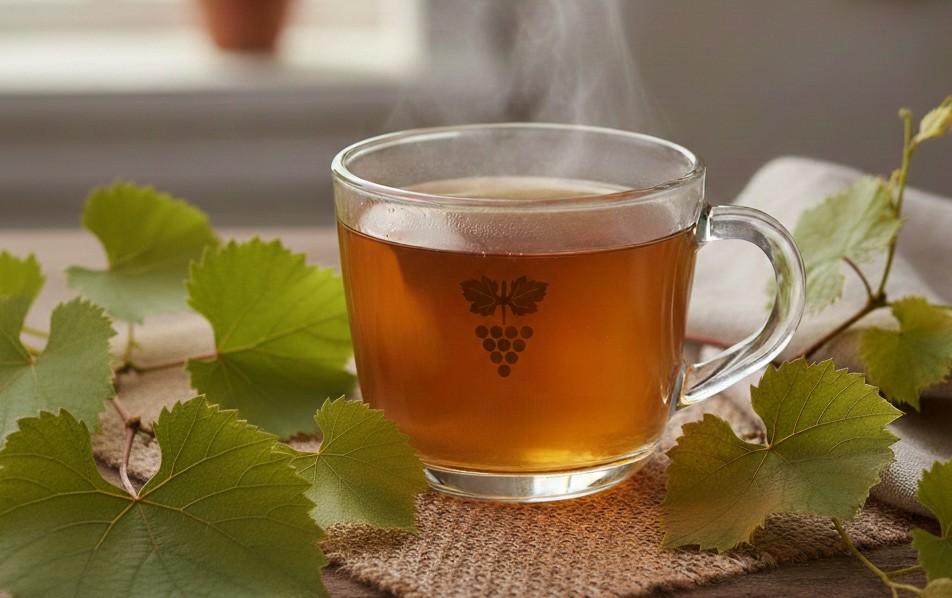
Grape Leaf Tea is a traditional herbal infusion made from the leaves of the grapevine plant, long valued in Mediterranean and Middle Eastern cultures for its nutritional richness and therapeutic potential. While grapes themselves are widely consumed as fruit and wine, the leaves of the grapevine are equally impressive in their health-supporting properties.
In this comprehensive guide, we will explore everything you need to know about Grape Leaf Tea — from its nutritional profile and proven health benefits to potential side effects, preparation methods, dosage recommendations, and precautions.
What is Grape Leaf Tea?
Grape Leaf Tea is an herbal tea prepared from the dried or fresh leaves of the grapevine plant, scientifically known as Vitis vinifera. The leaves are rich in antioxidants, flavonoids, vitamins, and plant compounds that may support circulation, digestion, inflammation control, and overall wellness.
The grapevine (Vitis vinifera) is native to the Mediterranean region but is now cultivated worldwide for fruit and wine production. The leaves are commonly used in culinary dishes such as stuffed grape leaves, but when brewed as tea, they offer a mild, slightly grassy, and tangy flavor with subtle earthy notes. Unlike green or black tea, Grape Leaf Tea is naturally caffeine-free, making it suitable for those seeking a calming herbal beverage.
Nutritional Facts of Grape Leaf Tea
Below is an approximate nutritional composition of grape leaves per 100 grams (values may vary based on growing conditions and preparation):
| Nutrient | Approximate Amount |
|---|---|
| Calories | 93 kcal |
| Carbohydrates | 17 g |
| Fiber | 11 g |
| Protein | 5.6 g |
| Fat | 2.1 g |
| Vitamin A | 1376 IU |
| Vitamin C | 11 mg |
| Vitamin K | 108 µg |
| Calcium | 363 mg |
| Iron | 2.6 mg |
| Magnesium | 95 mg |
| Potassium | 272 mg |
| Flavonoids | Present |
| Polyphenols | Present |
| Tannins | Present |
When consumed as tea, the nutritional concentration is lower than eating whole leaves, but many bioactive compounds still infuse into the water.
20 Science-Backed Benefits of Grape Leaf Tea
1. Rich in Antioxidants – Helps Neutralize Free Radicals
Grape Leaf Tea contains polyphenols and flavonoids that help combat oxidative stress and reduce cellular damage.
2. Supports Healthy Circulation – Improves Blood Flow
Compounds in Vitis vinifera leaves may strengthen blood vessels and promote better circulation.
3. Reduces Inflammation – Eases Chronic Inflammatory Conditions
The anti-inflammatory properties may help reduce inflammation linked to arthritis and metabolic disorders.
4. Promotes Heart Health – Supports Cardiovascular Function
Flavonoids and antioxidants may help lower LDL oxidation and support heart wellness.
5. Helps Manage Blood Sugar – Supports Glucose Regulation
Some plant compounds in grape leaves may improve insulin sensitivity.
6. Strengthens Blood Vessels – Reduces Capillary Fragility
Grape leaf extracts have traditionally been used to improve venous insufficiency and capillary strength.
7. Aids Digestive Health – Supports Gut Function
Tannins present in the leaves may help reduce mild diarrhea and soothe digestive discomfort.
8. Supports Immune System – Enhances Natural Defense
Vitamin C and plant antioxidants may assist immune response.
9. May Help with Varicose Veins – Supports Venous Tone
Herbal medicine traditions use grape leaves to ease symptoms of varicose veins and leg swelling.
10. Promotes Skin Health – Protects Against Oxidative Damage
Antioxidants may protect skin cells from premature aging.
11. Supports Bone Health – Provides Vitamin K and Calcium
Vitamin K and calcium play roles in bone mineralization and strength.
12. Helps Reduce Edema – Decreases Fluid Retention
Traditionally used for reducing swelling in the legs and ankles.
13. May Support Weight Management – Low-Calorie Herbal Beverage
As a caffeine-free herbal tea, it may replace sugary beverages.
14. Detox Support – Assists Natural Liver Function
Polyphenols may support the body’s detoxification pathways.
15. May Help with Menstrual Discomfort – Traditional Herbal Use
Historically used to ease heavy bleeding and cramps.
16. Supports Eye Health – Contains Vitamin A
Vitamin A supports healthy vision and immune function.
17. May Improve Microcirculation – Enhances Capillary Health
Research on grape leaf extracts suggests improved microvascular function.
18. Antimicrobial Properties – May Combat Harmful Bacteria
Some studies indicate antimicrobial activity of grape leaf compounds.
19. Supports Wound Healing – Traditionally Used Topically
Grape leaves have been used externally to assist minor wound healing.
20. Calming and Relaxing – Naturally Caffeine-Free
Its caffeine-free nature makes it suitable for evening consumption.
10 Side Effects of Grape Leaf Tea
1. Digestive Upset – May Cause Mild Stomach Discomfort
Excessive consumption may lead to nausea or bloating.
2. Allergic Reactions – Rare but Possible
Individuals allergic to grapes may react to grape leaves.
3. Low Blood Pressure – May Reduce Blood Pressure Further
Those on antihypertensive medication should monitor intake.
4. Blood Thinning Effects – High Vitamin K Content
Vitamin K may interfere with blood-thinning medications.
5. Hypoglycemia Risk – May Lower Blood Sugar
People on diabetes medication should monitor glucose levels.
6. Interaction with Diuretics – May Increase Fluid Loss
Combined use may lead to dehydration.
7. Headache – Rare Sensitivity Reaction
Some individuals may experience mild headaches.
8. Pregnancy Concerns – Limited Research Available
Safety during pregnancy has not been well established.
9. Iron Absorption Interference – Tannins May Bind Iron
Drinking large amounts with meals may reduce iron absorption.
10. Contamination Risk – Pesticide Residue if Not Organic
Non-organic leaves may contain chemical residues.
How to Make Grape Leaf Tea?
Ingredients:
- 1 tablespoon dried grape leaves (or 3–4 fresh leaves)
- 1 cup hot water
Instructions:
- Rinse fresh leaves thoroughly if using fresh.
- Bring water to a gentle boil.
- Add leaves to a teapot or cup.
- Pour hot water over the leaves.
- Cover and steep for 10–15 minutes.
- Strain and serve warm.
Optional additions: honey, lemon, or mint for flavor.
Other Uses of Grape Leaf Tea
- As a cooling summer beverage (served chilled)
- As a mild digestive tonic after meals
- As a gentle herbal compress for skin soothing
- As part of detox or wellness routines
- Gargle for mild throat irritation
How Much Grape Leaf Tea Can You Drink a Day?
For most healthy adults, 1–2 cups per day is considered moderate and generally safe. Therapeutic herbal use may involve up to 3 cups daily, but long-term high intake should be supervised by a healthcare professional.
Start with one cup daily to assess tolerance.
Tips for Consuming Grape Leaf Tea
- Choose organic leaves to avoid pesticide exposure.
- Avoid drinking immediately with iron-rich meals.
- Store dried leaves in an airtight container away from moisture.
- Start with small amounts if you are new to herbal teas.
- Consult a healthcare provider if you take prescription medications.
Best Time to Drink Grape Leaf Tea
- After meals for digestive support
- In the evening for a caffeine-free relaxing drink
- Midday for circulation support
Avoid drinking on an empty stomach if you have digestive sensitivity.
Who Should Drink Grape Leaf Tea?
- Individuals seeking antioxidant support
- Those with mild circulation concerns
- People looking for caffeine-free alternatives
- Individuals interested in traditional Mediterranean herbal remedies
Who Should Not Drink Grape Leaf Tea?
- People allergic to grapes
- Individuals on blood-thinning medications
- Pregnant or breastfeeding women without medical approval
- Those with low blood pressure
- People with uncontrolled diabetes
Precautions and Interactions
Grape Leaf Tea may interact with:
- Blood pressure medications
- Blood thinners
- Diabetes medications
- Diuretics
Always consult a qualified healthcare professional before starting herbal remedies if you have chronic medical conditions or take prescription drugs.
Final Thoughts
Grape Leaf Tea is a nutrient-rich herbal infusion made from Vitis vinifera leaves that offers antioxidant, anti-inflammatory, circulatory, and digestive support. While not a miracle cure, its traditional use and emerging scientific interest suggest promising health benefits when consumed responsibly. As with any herbal remedy, moderation and medical guidance are essential. When prepared properly and consumed thoughtfully, Grape Leaf Tea can be a soothing and health-supportive addition to your daily routine.
FAQ’s
What is Grape Leaf Tea made from?
Grape Leaf Tea is made from the dried or fresh leaves of the grapevine plant, scientifically known as Vitis vinifera.
Is Grape Leaf Tea caffeine-free?
Yes, Grape Leaf Tea is naturally caffeine-free, making it suitable for evening consumption and for those sensitive to caffeine.
What does Grape Leaf Tea taste like?
Grape Leaf Tea has a mild, slightly grassy and earthy flavor with subtle tangy notes, similar to light herbal greens.
What is Grape Leaf Tea good for?
Grape Leaf Tea is commonly used for supporting circulation, reducing inflammation, aiding digestion, and providing antioxidant protection.
Can Grape Leaf Tea help with varicose veins?
Traditionally, grape leaves have been used to support vein health and may help reduce mild swelling and discomfort associated with varicose veins.
Is Grape Leaf Tea safe during pregnancy?
There is limited research on its safety during pregnancy, so it is best to consult a healthcare professional before use.
Does Grape Leaf Tea help with blood sugar control?
Some plant compounds in grape leaves may support glucose regulation, but it should not replace prescribed diabetes treatment.
Can children drink Grape Leaf Tea?
There is limited research on its safety in children, so it is advisable to consult a pediatric healthcare provider before giving it to them.
How should Grape Leaf Tea be stored?
Store dried grape leaves in an airtight container in a cool, dry place away from direct sunlight to preserve freshness and potency.
Can I drink Grape Leaf Tea every day?
Yes, moderate daily consumption (1–2 cups) is generally considered safe for healthy adults.
How long does it take for Grape Leaf Tea to work?
Digestive effects may be noticed within hours, while circulation or antioxidant benefits may require consistent use for a few weeks.
Are grape leaves tea good for your liver?
Grape Leaf Tea contains antioxidants from Vitis vinifera that may support liver health, but it is not a medical treatment for liver disease.
Can Grape Leaf Tea lower blood pressure?
Grape leaves may support healthy circulation and could mildly lower blood pressure, so individuals on antihypertensive medication should monitor intake.
Also Read: