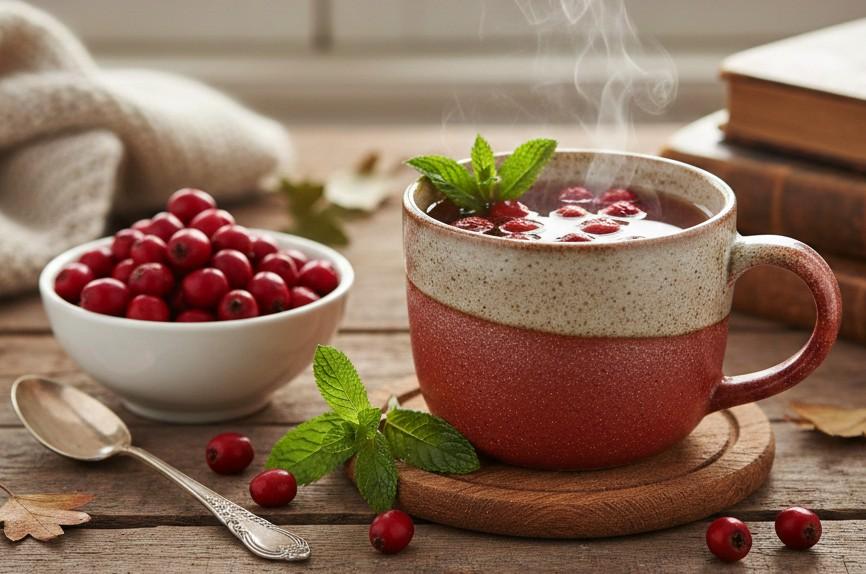
Herbal teas have been part of traditional wellness practices for centuries, and one that continues to gain attention is hawthorn berry tea. Known for its deep roots in traditional European and Chinese herbal medicine, hawthorn berry tea is often associated with heart health, circulation support, and overall vitality. Made from the berries of the hawthorn plant (Crataegus species), this tea offers a mild, slightly tart flavor along with a range of plant compounds believed to support wellness. In this guide, we’ll explore everything you need to know about hawthorn berry tea — from what it is and its nutritional profile to its proven health benefits, side effects, preparation methods, and precautions.
What is Hawthorn Berry Tea?
Hawthorn berry tea is an herbal infusion prepared from dried berries of the hawthorn plant, a shrub or small tree belonging to the rose family. The plant produces small red berries that have long been valued in traditional medicine for supporting cardiovascular function and digestive balance.
The tea is typically made by steeping crushed or dried berries in hot water. Some preparations may also include hawthorn leaves or flowers, but berry-based tea is especially popular for its concentrated plant compounds such as flavonoids, oligomeric proanthocyanidins, and antioxidants.
Traditionally, hawthorn berries have been used to:
- Support heart and circulatory health
- Aid digestion
- Promote relaxation
- Provide antioxidant protection
Modern research continues to investigate these traditional uses, and while many benefits show promise, it is important to approach herbal remedies with balanced expectations and proper guidance.
Components of Hawthorn Berry Tea
Hawthorn berry tea is low in calories and not consumed primarily for macronutrients, but it contains small amounts of bioactive compounds and micronutrients extracted during steeping. Below is an approximate nutritional profile per 1 cup (240 ml) of brewed hawthorn berry tea:
| Nutrient/Compound | Approximate Amount |
|---|---|
| Calories | 2–5 kcal |
| Carbohydrates | <1 g |
| Vitamin C | Trace amounts |
| Potassium | Small amounts |
| Magnesium | Trace amounts |
| Polyphenols | Moderate |
| Flavonoids | Present |
| Proanthocyanidins | Present |
| Antioxidants | High relative activity |
| Caffeine | 0 mg |
Values vary depending on berry quality, steeping time, and preparation method.
20 Science-Backed Benefits of Hawthorn Berry Tea
- Supports heart health: Hawthorn berry tea contains flavonoids that may help improve heart muscle function and circulation.
- May help regulate blood pressure: Its vasodilatory properties can support relaxation of blood vessels and promote healthier blood pressure levels.
- Improves circulation: Regular consumption may enhance blood flow throughout the body by supporting vascular flexibility.
- Provides antioxidant protection: The tea is rich in polyphenols that help neutralize free radicals and reduce oxidative stress.
- Supports cholesterol balance: Some research suggests hawthorn compounds may assist in maintaining healthy lipid levels.
- Aids digestion: Traditionally, the tea has been used to soothe stomach discomfort, bloating, and indigestion.
- Reduces inflammation: Plant compounds present in hawthorn berries may contribute to lowering inflammatory responses.
- Promotes relaxation: Mild calming properties may help ease stress and tension.
- Supports sleep quality: Drinking the tea in the evening may encourage relaxation and better rest.
- May assist blood sugar balance: Early studies indicate it could help support healthy glucose metabolism.
- Enhances exercise recovery: Improved circulation may support oxygen delivery and muscle recovery after activity.
- Boosts immune defense: Antioxidants contribute to maintaining a resilient immune system.
- Supports skin health: Reduced oxidative damage may promote clearer and healthier-looking skin.
- Encourages weight management: As a low-calorie beverage, it can replace sugary drinks and support hydration.
- Supports respiratory comfort: Traditional use includes easing mild respiratory irritation.
- Promotes liver support: Antioxidants may assist natural detoxification pathways.
- Protects against cellular damage: Regular intake may help protect tissues from environmental stressors.
- Supports cognitive circulation: Improved blood flow may benefit brain oxygenation and focus.
- May ease menstrual discomfort: Traditional herbal use suggests potential soothing effects for cramps.
- Contributes to overall wellness: Consistent intake can support hydration and provide beneficial plant compounds.
10 Side Effects of Hawthorn Berry Tea
- May cause dizziness: Lowered blood pressure effects may lead to lightheadedness in some individuals.
- Can trigger nausea: Sensitive users might experience mild stomach upset after consumption.
- May lead to headaches: Some people report headaches when drinking excessive amounts.
- Possible heart palpitations: Rarely, sensitive individuals may notice changes in heartbeat sensations.
- May cause fatigue: Relaxing effects can sometimes lead to unusual tiredness.
- Allergic reactions: Although uncommon, itching or rash may occur in those sensitive to the plant.
- Medication interactions: Hawthorn may interact with heart or blood pressure medications.
- Excessive blood pressure drop: Drinking large quantities may overly reduce blood pressure.
- May cause drowsiness: Higher intake could lead to sleepiness or reduced alertness.
- Not well studied in pregnancy: Due to limited safety data, it may pose potential risks during pregnancy or breastfeeding.
How to Make Hawthorn Berry Tea?
Ingredients:
- 1–2 teaspoons dried hawthorn berries
- 1 cup water
Instructions:
- Bring water to a boil.
- Lightly crush berries to release compounds.
- Add berries to hot water.
- Simmer or steep for 10–15 minutes.
- Strain and serve warm.
Optional additions include honey, cinnamon, or lemon for flavor.
Other Uses of Hawthorn Berry Tea
- Base for herbal blends
- Ingredient in detox routines
- Added to smoothies after cooling
- Used as a compress for skin
- Incorporated into wellness tonics
How Much Hawthorn Berry Tea Can You Drink a Day?
For most healthy adults:
- 1–3 cups daily is commonly considered moderate
- Start with 1 cup to assess tolerance
- Consult a healthcare provider for therapeutic use
Excess consumption may increase side effect risk.
Tips for Consuming Hawthorn Berry Tea
- Use high-quality dried berries
- Avoid excessive sweeteners
- Brew fresh rather than storing long periods
- Monitor body response
- Combine with balanced diet and lifestyle
Best Time to Drink Hawthorn Berry Tea
- Morning: supports circulation
- Afternoon: digestive comfort
- Evening: relaxation support
Consistency matters more than exact timing.
Who Should Drink Hawthorn Berry Tea?
It may be suitable for:
- Adults seeking heart-friendly herbal support
- Individuals interested in antioxidant-rich beverages
- Those reducing caffeine intake
- People wanting gentle digestive support
Who Should Not Drink Hawthorn Berry Tea?
Avoid or consult a doctor if you are:
- Pregnant or breastfeeding
- Taking heart or blood pressure medications
- Experiencing chronic health conditions
- Preparing for surgery
- Allergic to related plants
Precautions and Interactions
- Hawthorn may interact with cardiovascular medications such as beta blockers or nitrates
- Monitor blood pressure regularly if consumed frequently
- Avoid combining with similar herbal heart tonics without guidance
- Stop use if unusual symptoms occur
- Always consult healthcare professionals before therapeutic use
Conclusion
Hawthorn berry tea represents a fascinating blend of traditional herbal wisdom and modern scientific interest. Known primarily for its association with heart health, it offers antioxidant support, digestive comfort, and relaxation benefits when consumed in moderation. However, like all herbal remedies, it is not risk-free and should be approached with awareness of potential side effects and interactions.
Incorporating hawthorn berry tea into your routine can be a soothing and potentially beneficial addition to a healthy lifestyle, especially when paired with balanced nutrition, exercise, and medical guidance where needed.
FAQ’s
What is hawthorn berry tea made from?
Hawthorn berry tea is made by steeping dried berries from the hawthorn plant (Crataegus species) in hot water, sometimes combined with the plant’s leaves or flowers for added herbal benefits.
What does hawthorn berry tea taste like?
It typically has a mild, slightly tart, and fruity flavor with subtle earthy notes, and it can be sweetened or blended with spices for variety.
Can you drink hawthorn berry tea every day?
Most healthy adults can consume 1–3 cups daily in moderation, but regular use for therapeutic purposes should be discussed with a healthcare professional.
How long does it take for hawthorn berry tea to work?
Effects such as relaxation or digestive comfort may be noticed shortly after consumption, while potential cardiovascular support may require consistent intake over weeks.
Is hawthorn berry tea caffeine-free?
Yes, hawthorn berry tea is naturally caffeine-free, making it suitable for people avoiding stimulants.
Can hawthorn berry tea lower blood pressure?
It may help support healthy blood pressure due to its vessel-relaxing properties, but it should not replace prescribed treatments.
Can hawthorn berry tea help with sleep?
Its mild calming properties may promote relaxation, which could indirectly support better sleep when consumed in the evening.
How should hawthorn berry tea be stored?
Dried berries should be stored in an airtight container in a cool, dry place, and brewed tea should be refrigerated and consumed within 1–2 days.
Is hawthorn berry tea safe for long-term use?
Moderate intake is generally considered safe for many adults, but long-term use should be monitored with professional guidance, especially if you have health concerns.
Is Hawthorn Berry Tea safe for pregnant women?
Hawthorn berry tea is generally not recommended during pregnancy because its safety has not been well studied, and it may influence circulation or blood pressure, so medical advice should be sought before use.
Is Hawthorn Berry Tea safe for children?
Occasional small amounts may be tolerated, but regular consumption is not typically advised for children unless approved by a healthcare professional due to limited safety data.
What is Hawthorn Berry Tea good for?
Hawthorn berry tea is commonly used to support heart health, circulation, digestion, relaxation, and antioxidant protection as part of a balanced wellness routine.
Also Read: