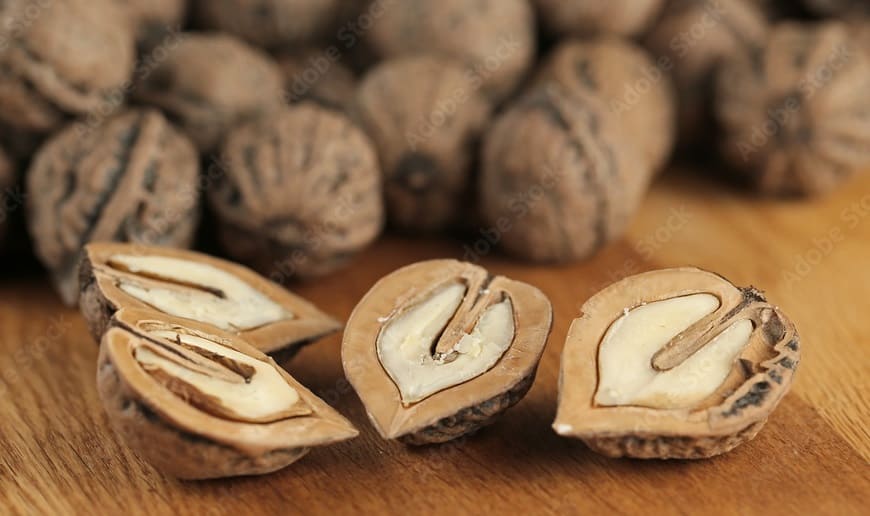
Have you ever seen a nut shaped like a heart? If not, let me introduce you to one of the most unique and charming nuts in the world: Heartnuts. Beyond their eye-catching shape, Japanese walnuts are rich in nutrients, packed with antioxidants, and known for supporting heart and brain health. They are a close relative of the common walnut but are milder, sweeter, and easier to crack. This makes them not only delicious but also a wonderful powerhouse nut worth adding to your diet.
In this guide, we will explore what heartnuts are, their nutrition profile, science-backed health benefits, side effects, how to eat them, precautions, and much more. By the end, you will know exactly why this tiny heart-shaped nut deserves a place in your kitchen and your heart.
What is Heartnuts?
Heartnuts come from the Japanese walnut tree (scientifically known as Juglans ailantifolia). They are named for their natural heart-shaped shell, which splits cleanly into two halves when cracked. Originally native to Japan and parts of East Asia, heartnuts are now cultivated in many regions around the world, including North America and Europe, where the demand for unique and nutritious nuts continues to rise.
Although they are technically a type of walnut, heartnuts have several differences from the traditional English walnut:
- Sweeter and milder in flavor
- Smooth shell that cracks open easily
- Aesthetic heart-shaped appearance
- Lower bitterness compared to regular walnuts
They are often enjoyed for snacking, baking, and gourmet dishes. Because of their appealing look, they are also used in decorative crafts and as gifts.
Nutrition Facts of Heartnuts
Heartnuts are incredibly nutritious and provide a wide range of vitamins, minerals, and beneficial plant compounds. Here is a closer look at what 100 grams of heartnuts typically contains:
| Nutrient | Amount (Per 100g) |
|---|---|
| Calories | 610 kcal |
| Protein | 16.7 g |
| Total Fat | 59.5 g |
| Saturated Fat | 6.2 g |
| Polyunsaturated Fat | 38 g |
| Omega-3 Fatty Acids | 9.1 g |
| Carbohydrates | 14.5 g |
| Fiber | 6.5 g |
| Vitamin E | 0.65 mg |
| Vitamin B6 | 0.537 mg |
| Folate | 98 mcg |
| Calcium | 98 mg |
| Magnesium | 158 mg |
| Potassium | 523 mg |
| Iron | 3 mg |
| Zinc | 3.3 mg |
| Copper | 1.6 mg |
| Antioxidants | High concentration |
These nutrients work together to support heart health, brain function, metabolism, immunity, and more.
20 Proven Health Benefits of Heartnuts
Here are the science-backed reasons why health experts and nut lovers appreciate heartnuts:
- Boost Heart Health: High in omega-3 fatty acids and antioxidants, heartnuts help reduce bad cholesterol and promote a healthier heart.
- Support Brain Function: The combination of healthy fats and Vitamin B6 nourishes the brain and enhances memory and concentration.
- Rich in Antioxidants: Japanese walnuts contain polyphenols that fight oxidative stress and protect cells from damage.
- Reduce Inflammation: Anti-inflammatory compounds help lower chronic inflammation linked to arthritis and diabetes.
- Improve Digestive Health: Their fiber content supports digestion and prevents constipation.
- Help Manage Weight: Even though heartnuts are calorie-dense, their healthy fats and protein keep you full longer, reducing overeating.
- Better Blood Sugar Control: They have a low glycemic index and help regulate glucose levels.
- Support Healthy Blood Pressure: Magnesium and potassium work together to maintain balanced blood pressure levels.
- Strengthen Bones: Calcium and magnesium contribute to strong, healthy bones.
- Enhance Immunity: The zinc and antioxidants in Japanese walnuts support a strong immune system.
- Promote Healthy Skin: Vitamin E and healthy fats keep the skin nourished and youthful.
- Improve Sleep Quality: Magnesium helps relax the nervous system, promoting restful sleep.
- Boost Energy Levels: Protein and healthy fats provide long-lasting energy throughout the day.
- Support Hormonal Balance: Nutrient-rich composition helps regulate hormone production in both men and women.
- Improve Hair Health: Healthy fats and minerals prevent hair loss and improve hair texture.
- Support Liver Function: Antioxidants reduce liver stress and toxin buildup.
- Good for Eye Health: Vitamin A and antioxidants contribute to improved vision.
- Cancer-Preventive Benefits: Certain bioactive compounds have shown potential in reducing cancer risk.
- Enhance Reproductive Health: Zinc improves fertility and supports reproductive hormones.
- Promote Healthy Aging: Regular consumption helps slow down age-related decline in organs and cognitive function.
10 Side Effects of Heartnuts
Heartnuts are healthy, but they should be consumed in moderation. Possible side effects may include:
- Weight Gain: Heartnuts are calorie-dense, and eating too many can contribute to weight gain.
- Allergic Reactions: People with tree nut allergies may experience itching, swelling, hives, breathing difficulty, or severe reactions.
- Digestive Discomfort: Excessive consumption may cause bloating, gas, or stomach cramps due to high fat and fiber content.
- Diarrhea in Large Amounts: Too many healthy fats can irritate digestion in sensitive individuals.
- Kidney Strain: People with kidney disease should moderate intake because Japanese walnuts contain potassium and phosphorus.
- Possible Mold Contamination: If stored improperly, nuts may develop mold containing harmful toxins.
- Interference with Blood-Thinning Medications: Their omega-3 content may enhance the effects of anticoagulants; medical advice is recommended.
- Choking Hazard for Children: Whole nuts can be risky for young children if not chopped or chewed properly.
- Risk of Acne in Sensitive Individuals: Some people may experience increased oiliness or breakouts when consuming too many nuts.
- Can Trigger Migraines in Rare Cases: Certain compounds naturally found in nuts may contribute to headaches in susceptible individuals.
If you have an allergy, intolerance, or medical condition, always consult a healthcare professional before adding heartnuts to your diet.
How to Eat Heartnuts?
Heartnuts can be enjoyed in many delicious ways:
- Eat them raw as a healthy snack.
- Roast them lightly for a crunchy flavor.
- Add to salads for extra texture.
- Mix in yogurts, smoothies, or cereals.
- Use in baked goods like cookies, bread, or cakes.
- Crush into sauces or spreads.
- Pair with dark chocolate for a nutritious dessert.
- Add to stir-fries for a richer taste.
Whether sweet or savory, heartnuts enhance the flavor of countless dishes.
Tips for Consuming Heartnuts
To get the most out of heartnuts, follow these tips:
- Start with a small serving and gradually increase.
- Always chew thoroughly for easy digestion.
- Choose fresh, clean, and mold-free nuts.
- Toast lightly to enhance taste if preferred.
- Pair with fruits for better nutrient absorption.
- Avoid salted or heavily flavored processed nuts to keep sodium low.
Other Uses of Heartnuts
Heartnuts are not just for eating. They are also used for:
- Crafting and Decoration
Their symmetrical heart-shaped shells make beautiful craft materials and ornaments. - Gift Packaging
Given as lucky charms symbolizing love, happiness, and good fortune. - Natural Dyes
Shells and husks can be used to create natural color dyes. - Tree Plantations
The trees are planted for shade, landscaping, and soil improvement.
How Much Heartnuts Can You Eat in a Day?
A healthy serving is:
20 to 30 grams per day
(about 6-8 heartnuts depending on size)
This provides healthy fats and nutrients without excessive calories.
Heartnuts Dosage
For specific health goals:
| Purpose | Recommended Daily Intake |
|---|---|
| General health | 6–8 heartnuts |
| Weight management | 4–6 heartnuts |
| Heart health support | 8–10 heartnuts |
| Brain health boost | 6–8 heartnuts |
Always adjust based on your diet, age, and medical conditions.
Best Time to Eat Heartnuts
Japanese walnuts can be eaten anytime, but these times are particularly beneficial:
- Morning: Best for metabolism and energy boost.
- Mid-day snack: Prevents unhealthy snacking.
- Before workouts: Provides fuel and stamina.
Avoid eating large amounts late at night as they may feel heavy to digest.
Who Should Eat Heartnuts?
Japanese walnuts are great for:
- Adults looking to improve heart and brain function
- Growing teenagers for bone and muscle health
- Older adults for cognitive support and anti-aging
- Athletes for energy and muscle recovery
- Individuals managing weight or blood sugar levels
Who Should Not Eat Heartnuts?
Japanese walnuts may not be suitable for:
- People with walnut or tree nut allergies
- Individuals struggling with severe digestive issues
- Patients advised to avoid high-fat foods
- Babies under 2 years old due to choking risks
- People taking strong blood-thinning medications (consult doctor first)
How to Store Heartnuts?
Proper storage ensures freshness and prevents mold:
- Keep in an airtight container.
- Store unshelled nuts in a cool, dry place.
- Refrigerate shelled Japanese walnuts to preserve omega-3 fats.
- For long-term storage, freeze them safely for up to one year.
- Avoid moisture and direct sunlight.
Precautions and Interactions
- Always check for nut allergies before consuming.
- Stick to recommended quantities to avoid excess calories.
- People with kidney or liver disorders should consult a doctor.
- May interact with anticoagulant medicines; medical guidance recommended.
- Avoid eating moldy nuts as they may contain harmful toxins.
Final Thoughts
Heartnuts are more than just attractive nuts with a unique shape. They are nutrient-dense, support overall health, and bring delightful flavor to your meals. From better heart function and improved digestion to enhanced brain and skin health, heartnuts provide several benefits in every bite.
However, like all nuts, moderation is key. A small daily handful is enough to enjoy their protective properties without unwanted side effects. If you are looking for a new, nutrient-rich snack or a creative ingredient to elevate your dishes, Japanese walnuts deserve a special place in your diet, pantry, and even in your heart.
FAQ’s
What do heartnuts taste like?
Heartnuts have a mild, sweet, and buttery taste with less bitterness than regular walnuts. Their smooth texture makes them enjoyable for snacking and cooking.
Are heartnuts good for your heart?
Yes. Japanese walnuts are rich in omega-3 fatty acids, antioxidants, and potassium, which help reduce bad cholesterol and support overall heart health.
Can children eat heartnuts?
Yes, children can eat them in small amounts, provided they do not have a nut allergy. Always serve finely chopped nuts to prevent choking.
Can pregnant women eat heartnuts?
Generally yes, in moderation. Japanese walnuts provide healthy fats and nutrients beneficial during pregnancy. However, pregnant women with nut allergies or digestive issues should consult their doctor first.
Are heartnuts good for weight loss?
In limited portions, yes. The protein, fiber, and healthy fats in Japanese walnuts help keep you full longer, reducing overeating.
Do heartnuts help improve memory?
Yes. The omega-3s and Vitamin B6 in Japanese walnuts support brain function, cognition, and memory.
Can heartnuts cause allergies?
Yes. Like other tree nuts, Japanese walnuts can trigger allergic reactions in sensitive individuals. If you experience itching, swelling, or breathing difficulty, seek medical help immediately.
Can you eat heartnuts raw?
Yes, Japanese walnuts can be eaten raw. In fact, many people prefer them this way because their natural sweetness and buttery flavor are more noticeable. Just be sure they are fresh, clean, and properly shelled before eating.
Is it good to eat heartnuts every day?
Yes, eating heartnuts daily in moderation can be very beneficial. A small portion of 6 to 8 Japanese walnuts a day supports heart health, brain function, digestion, and overall nutrition. However, overeating may cause digestive discomfort or weight gain due to their high calorie content.
What is the difference between a heartnut and a butternut?
Heartnuts and butternuts are both related to walnuts but have distinct differences:
- Shape: Japanese walnuts have a heart-shaped shell, while butternuts are elongated and oval.
- Flavor: Heartnuts are mild and sweet, whereas butternuts have a richer, buttery taste.
- Shell Texture: Japanese walnuts have a smooth shell that cracks cleanly; butternuts have a rougher, more irregular shell.
- Origin: Heartnuts originate from Japan, while butternuts are native to North America.
- Ease of Cracking: Japanese walnuts are much easier to crack open than butternuts.
Both are nutritious and tasty, but Japanese walnuts are often favored for snacking and decorative use due to their appealing shape.
Also Read: