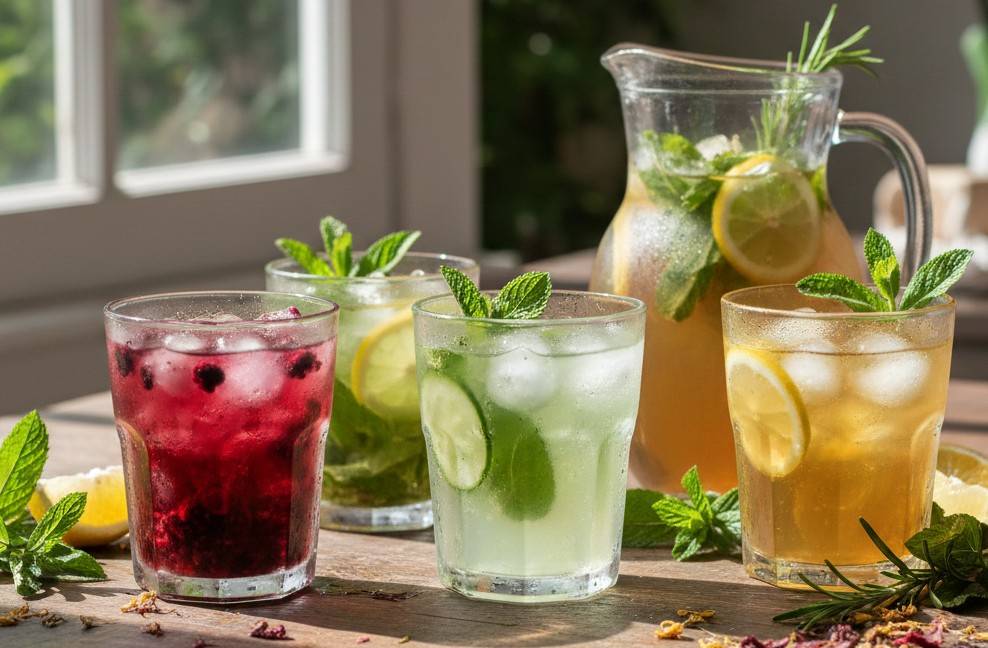
Herbal iced tea has become a refreshing and health-conscious alternative to sugary drinks and caffeinated beverages. Made from steeped herbs, flowers, fruits, and spices, this chilled infusion combines hydration with natural plant compounds that may support overall wellness. From calming chamomile to antioxidant-rich hibiscus, herbal iced teas offer a wide spectrum of flavors and potential health benefits. In this guide, you’ll learn everything about herbal iced tea — what it is, its nutritional profile, scientifically supported benefits, possible side effects, preparation methods, and safety considerations.
What is Herbal Iced Tea?
Herbal iced tea is a cold beverage prepared by brewing herbs, botanicals, or plant parts in hot or cold water and then chilling the infusion. Unlike traditional tea made from Camellia sinensis leaves (black, green, or oolong tea), herbal teas — often called tisanes — are naturally caffeine-free unless blended with tea leaves.
Common ingredients include:
- Chamomile flowers
- Peppermint leaves
- Hibiscus petals
- Lemongrass
- Ginger root
- Tulsi (holy basil)
- Rooibos
- Lavender
- Rose petals
After steeping, the infusion is cooled and served over ice, sometimes with natural sweeteners, citrus slices, or fresh herbs. Herbal iced tea can be enjoyed purely for refreshment or consumed for its potential functional health properties.
Components of Herbal Iced Tea
The exact nutritional content depends on the herbs used and whether sweeteners are added. Unsweetened herbal iced tea generally contains minimal calories and nutrients but provides beneficial plant compounds.
Approximate nutritional values per 1 cup (240 ml) unsweetened herbal iced tea
| Nutrient | Amount |
|---|---|
| Calories | 0–5 kcal |
| Carbohydrates | 0 g |
| Sugars | 0 g |
| Protein | 0 g |
| Fat | 0 g |
| Sodium | 0–5 mg |
| Potassium | 10–40 mg |
| Antioxidants | Variable |
| Polyphenols | Present |
| Flavonoids | Present |
Note: Nutrient levels vary depending on herbs, steeping time, and preparation.
20 Science-Backed Benefits of Herbal Iced Tea
Below are potential benefits supported by research on commonly used herbs found in herbal teas.
1. Supports Hydration
Chilled herbal tea encourages fluid intake, helping maintain hydration, temperature regulation, and metabolic function.
2. Rich in Antioxidants
Many herbs such as hibiscus and rooibos contain polyphenols that help neutralize oxidative stress.
3. May Support Heart Health
Hibiscus tea has been associated with improved cholesterol levels and mild blood pressure reduction.
4. Helps Digestion
Peppermint and ginger may soothe gastrointestinal discomfort and promote healthy digestion.
5. Reduces Stress
Chamomile and lavender may support relaxation by influencing neurotransmitter activity.
6. May Improve Sleep Quality
Certain herbs, especially chamomile, are studied for mild sedative effects that can aid sleep when consumed in the evening.
7. Supports Immune Function
Tulsi and ginger possess antimicrobial and anti-inflammatory compounds that may enhance immune defenses.
8. Anti-Inflammatory Properties
Many herbal infusions contain bioactive compounds that may help modulate inflammation.
9. May Aid Weight Management
Replacing sugary beverages with unsweetened herbal iced tea reduces calorie intake.
10. Promotes Skin Health
Antioxidant compounds may contribute to healthier skin by combating oxidative damage.
11. Supports Blood Sugar Control
Some herbal teas have shown potential in improving glucose metabolism when consumed regularly.
12. Helps Relieve Menstrual Discomfort
Chamomile and ginger may reduce cramps through muscle-relaxing effects.
13. Freshens Breath
Mint-based iced teas may reduce oral bacteria associated with bad breath.
14. May Improve Mood
Aromatic herbs can influence emotional well-being through sensory stimulation.
15. Supports Liver Function
Certain botanicals studied in herbal infusions may assist natural detoxification pathways.
16. May Reduce Bloating
Peppermint and fennel can help relieve bloating and gas.
17. Promotes Cooling Effect
Cold herbal drinks help regulate body temperature in hot climates.
18. Supports Cognitive Calmness
Some herbs may enhance focus while reducing mental fatigue.
19. Natural Alternative to Sugary Drinks
Herbal iced tea provides flavor without excessive sugar or additives.
20. Versatile Wellness Beverage
Different herbs offer targeted benefits, allowing customized blends for individual needs.
10 Side Effects of Herbal Iced Tea
While generally safe, excessive or improper consumption may cause issues.
1. Allergic Reactions
Some individuals may react to specific herbs.
2. Digestive Upset
Strong infusions can cause nausea or discomfort.
3. Medication Interactions
Certain herbs may interfere with prescription drugs.
4. Hormonal Effects
Herbs like licorice may influence hormone balance.
5. Blood Pressure Changes
Some herbal components may raise or lower blood pressure.
6. Blood Sugar Fluctuations
People with diabetes should monitor intake.
7. Pregnancy Risks
Not all herbs are safe during pregnancy.
8. Kidney Strain
Excess intake of certain compounds could stress kidneys.
9. Drowsiness
Relaxing herbs may cause sedation.
10. Contamination Risks
Low-quality products may contain pesticides or heavy metals.
How to Make Herbal Iced Tea?
Hot Brew Method:
- Boil 2 cups of water.
- Add 1–2 tablespoons dried herbs.
- Steep for 5–10 minutes.
- Strain and cool.
- Serve over ice.
Cold Brew Method:
- Add herbs to cold water.
- Refrigerate 6–12 hours.
- Strain and serve chilled.
Optional additions:
- Lemon slices
- Honey
- Mint leaves
- Fruit pieces
Other Uses of Herbal Iced Tea
- Base for smoothies
- Natural popsicles
- Cocktail or mocktail mixers
- Cooking liquid for grains
- Skin toners or compresses
- Aromatic bath additions
How Much Herbal Iced Tea Can You Drink a Day?
A moderate intake is generally:
- 2–4 cups daily for most healthy adults
Factors influencing safe intake:
- Type of herbs
- Body sensitivity
- Medical conditions
- Pregnancy status
Rotating herbs and avoiding excessive concentration is recommended.
Tips for Consuming Herbal Iced Tea
- Choose high-quality, organic herbs
- Avoid excessive sweeteners
- Store refrigerated and consume within 24–48 hours
- Start with mild blends
- Rotate varieties
- Monitor body response
Best Time to Drink Herbal Iced Tea
- Morning: energizing blends like mint or ginger
- Afternoon: refreshing hydration
- Evening: calming herbs like chamomile
- After meals: digestive support blends
Timing depends on the herbs used.
Who Should Drink Herbal Iced Tea?
- Individuals seeking healthy hydration alternatives
- Those reducing caffeine intake
- People wanting plant-based wellness support
- Individuals in warm climates needing cooling beverages
- Those exploring natural relaxation methods
Who Should Not Drink Herbal Iced Tea?
- Individuals allergic to certain botanicals
- Pregnant or breastfeeding individuals without medical guidance
- People on medications affected by herbs
- Those with kidney or liver disorders requiring restrictions
- Children consuming strong herbal formulations
Precautions and Interactions
- Consult healthcare providers if on medication
- Avoid excessive consumption
- Verify herb safety during pregnancy
- Monitor blood pressure or glucose levels
- Avoid mixing multiple potent herbs without guidance
- Purchase from reputable sources
- Store properly to prevent spoilage
Conclusion
Herbal iced tea is more than a refreshing beverage — it’s a versatile and customizable wellness drink combining hydration with plant-derived compounds that may support various aspects of health. While research supports many potential benefits of individual herbs, responsible consumption and awareness of personal health conditions are essential. By selecting quality ingredients, preparing infusions carefully, and enjoying them in moderation, herbal iced tea can become a flavorful and functional addition to daily routines.
FAQ’s
Is herbal iced tea caffeine-free?
Most herbal iced teas are naturally caffeine-free because they are made from herbs, flowers, or fruits rather than tea leaves. However, blends that include green or black tea may contain caffeine, so checking the ingredients is important.
Can I drink herbal iced tea every day?
Yes, moderate daily consumption — typically 2 to 4 cups — is safe for most healthy adults. Rotating herbs and avoiding highly concentrated infusions can help reduce the risk of side effects.
Does herbal iced tea help with weight loss?
Herbal iced tea may support weight management indirectly by replacing sugary drinks and helping with hydration. Some herbs may influence metabolism or digestion, but it is not a substitute for a balanced diet and exercise.
How long does herbal iced tea last in the fridge?
Freshly prepared herbal iced tea generally stays safe for 24 to 48 hours when stored in an airtight container in the refrigerator.
Can children drink herbal iced tea?
Mild herbal infusions may be suitable for children in small amounts, but strong blends or certain herbs should be avoided. Consulting a healthcare professional is recommended.
Is herbal iced tea good for skin health?
Herbal teas rich in antioxidants may contribute to overall skin health by reducing oxidative stress and supporting hydration, though they are not a medical treatment.
Can pregnant women drink herbal iced tea?
Some herbs are safe during pregnancy, while others are not recommended. Medical guidance is essential before consuming herbal infusions during pregnancy.
What is the best herb for iced tea?
This depends on preference and goals. Hibiscus offers tart flavor and antioxidants, peppermint provides refreshing digestion support, and chamomile promotes relaxation.
Can I sweeten herbal iced tea?
Yes, natural sweeteners such as honey, stevia, or fruit slices can enhance flavor without excessive refined sugar.
Is store-bought herbal iced tea healthy?
Some commercial products contain added sugars or artificial flavors. Reading labels and choosing unsweetened options is important for maintaining health benefits.
What is Herbal Iced Tea made from?
Herbal iced tea is made by steeping herbs, flowers, spices, or fruits in water and then chilling the infusion. Common ingredients include chamomile, peppermint, hibiscus, ginger, lemongrass, tulsi, rooibos, or lavender. Unlike traditional tea, it typically does not contain tea leaves and is usually caffeine-free.
How long does it take for Herbal Iced Tea to work?
The effects depend on the herbs used and the purpose of consumption. Hydration benefits are immediate, while digestive or calming effects may be noticed within 15–60 minutes. Long-term wellness benefits, such as antioxidant support, generally require consistent intake over time rather than producing instant results.
What is Herbal Iced Tea good for?
Herbal iced tea is commonly consumed for hydration, relaxation, digestive support, antioxidant intake, and as a healthier alternative to sugary beverages. Specific benefits vary depending on the herbal ingredients included in the blend.
What does Herbal Iced Tea taste like?
The taste varies widely based on the herbs used. Peppermint blends are cool and refreshing, hibiscus is tart and fruity, chamomile is mild and floral, while ginger or spice blends may be warm and slightly sharp. It can be customized with citrus, fruits, or natural sweeteners to suit personal preference.
Also Read: