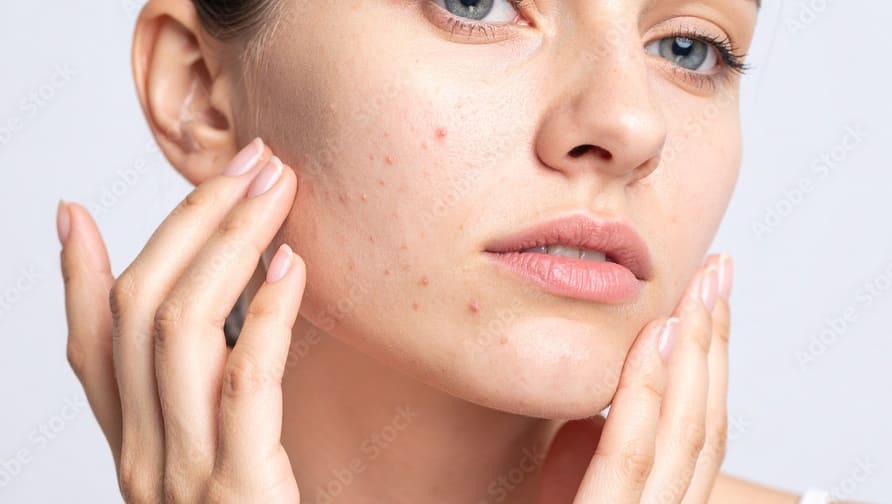
Acne is often seen as a teenage problem, a rite of passage that most people hope to leave behind once high school ends. However, for many adults, acne doesn’t disappear with age. One of the most common and persistent forms of acne in adults is hormonal acne. It can be frustrating, emotionally draining, and sometimes even painful. Understanding hormonal acne, its causes, and the ways to manage it is key to regaining not just clear skin, but also confidence and comfort in your own body.
What is Hormonal Acne?
Hormonal acne is acne that occurs due to fluctuations in hormones. Hormones are chemical messengers in your body that regulate many processes, including your skin’s oil production. When hormone levels fluctuate, particularly during periods of increased androgen hormones (like testosterone), it can trigger excess sebum (oil) production. This excess oil clogs pores, traps bacteria, and leads to inflammation, resulting in acne.
Unlike common acne, hormonal acne often appears in specific areas of the face, such as the jawline, chin, and lower cheeks. It can also extend to the neck, back, and chest in some cases. Hormonal acne is often cyclical, meaning it may flare up around certain times, especially before or during menstruation in women.
Causes of Hormonal Acne
Understanding the root cause of hormonal acne is essential for effective treatment. Here are the main factors that contribute to it:
1. Androgen Hormones
Androgens are a group of hormones, including testosterone, that are present in both men and women. Higher levels of androgens can cause your sebaceous glands to produce more oil, leading to clogged pores and acne. Women are particularly sensitive to small changes in hormone levels, which is why hormonal acne is more common in adult women than in men.
2. Menstrual Cycle
Many women notice acne flare-ups about a week before their period. This is because estrogen and progesterone levels fluctuate throughout the menstrual cycle. The drop in estrogen and the relative rise in androgens just before menstruation can trigger breakouts.
3. Pregnancy and Postpartum
During pregnancy, hormonal changes are extreme, which can either improve or worsen acne. Postpartum acne is common due to the sudden drop in estrogen and progesterone after giving birth, which can unbalance oil production.
4. Polycystic Ovary Syndrome (PCOS)
PCOS is a hormonal disorder that causes women to have higher-than-normal androgen levels. One of the hallmark symptoms of PCOS is hormonal acne, often appearing along the jawline and chin. Women with PCOS may also experience irregular periods, excessive hair growth, and weight gain.
5. Menopause
The transition into menopause is accompanied by a decrease in estrogen and progesterone levels. Lower estrogen can make androgens relatively more dominant, which can trigger breakouts even in women who haven’t experienced acne for years.
6. Stress
Stress may not directly cause hormonal acne, but it can exacerbate it. Stress triggers the release of cortisol, which can indirectly increase oil production and inflammation, worsening existing acne.
Hormonal Acne Symptoms: How to Recognize Them
Hormonal acne is different from typical teenage or stress-related acne. Understanding its unique signs and patterns can help you identify it early and manage it effectively.
1. Acne Appears in Specific Areas:
Unlike general acne, hormonal acne tends to show up in particular areas of the face and body:
- Jawline and Chin: The most common areas affected.
- Lower Cheeks: Often near the mouth and along the sides of the face.
- Neck, Chest, and Back: In some cases, hormonal acne can extend to these areas.
This distribution is linked to hormone-sensitive sebaceous (oil) glands in these regions.
2. Deep, Painful, or Cystic Pimples:
Hormonal acne often presents as cystic or nodular acne:
- Cystic Acne: Large, red, and painful bumps filled with pus beneath the skin.
- Nodules: Firm, solid, and painful lumps under the skin that can last weeks or months.
These types of acne are different from superficial whiteheads or blackheads and can leave scars if not treated properly.
3. Cyclical Breakouts:
Hormonal acne often follows a pattern, particularly in women:
- Breakouts commonly occur 1–2 weeks before menstruation.
- Acne may improve or worsen depending on hormonal fluctuations during the menstrual cycle.
- Women using birth control may notice changes in acne severity based on the type of pill.
This cyclical nature is a strong indicator that acne is hormonal rather than caused by external factors.
4. Resistant to Over-the-Counter Treatments:
Hormonal acne often does not respond well to standard acne treatments:
- Cleansers, masks, or over-the-counter creams may have minimal effect.
- Persistent acne despite good skincare suggests a hormonal influence.
5. Presence of Other Hormonal Symptoms:
Hormonal acne is often accompanied by signs of hormonal imbalance, especially in women:
- Irregular menstrual cycles
- Excess hair growth on the face or body (hirsutism)
- Thinning hair on the scalp
- Weight gain or difficulty losing weight
These additional symptoms can indicate conditions like polycystic ovary syndrome (PCOS) or other endocrine disorders.
6. Redness and Inflammation:
Hormonal acne is usually inflamed:
- Red, swollen bumps that are tender to touch
- Sometimes forming pus-filled lesions
- Can leave dark spots or hyperpigmentation after healing
Unlike mild acne, which is primarily surface-level, hormonal acne affects deeper layers of the skin, leading to more noticeable inflammation.
7. Recurring Flare-Ups:
- Even after healing, hormonal acne tends to reappear in cycles.
- Breakouts are often persistent for months or years if underlying hormone imbalance isn’t addressed.
Types of Hormonal Acne
Hormonal acne can present in different forms, including:
1. Cystic Acne:
Cystic acne is characterized by large, painful, and red bumps that are filled with pus. These cysts form deep under the skin and can take weeks to heal. They are the most common type of hormonal acne and often leave scars if not treated properly.
2. Nodular Acne:
Nodular acne is similar to cystic acne but harder and more solid. Nodules are inflamed and can persist for months. Like cysts, they can be painful and may require medical intervention to heal.
3. Comedonal Acne:
This type is less severe and is marked by blackheads and whiteheads. It is usually caused by mild hormonal fluctuations and is easier to manage with topical treatments.
How Hormonal Acne Differs from Other Acne
Understanding the difference between hormonal and other forms of acne can guide treatment:
| Feature | Hormonal Acne | Regular Acne |
|---|---|---|
| Common Locations | Jawline, chin, lower cheeks | Forehead, nose, upper cheeks |
| Type of Lesions | Cystic, nodular, deep | Blackheads, whiteheads, mild pimples |
| Age of Onset | Adulthood (20s-40s) | Teenagers (12-19) |
| Flare Pattern | Cyclical, often premenstrual | Constant or random |
| Response to OTC Products | Often resistant | Often responds well |
Emotional Impact of Hormonal Acne
Acne is not just a skin condition—it affects mental and emotional health. Hormonal acne can be particularly challenging because it often occurs in adulthood, when societal expectations around clear skin are higher. People with hormonal acne may experience:
- Low self-esteem due to visible blemishes.
- Social anxiety, avoiding social events or photos.
- Stress and frustration, especially when acne persists despite treatment.
Addressing the emotional impact is as important as treating the physical symptoms. Consulting a dermatologist or mental health professional can help manage both aspects.
Treatments for Hormonal Acne
Hormonal acne often requires more than over-the-counter creams and cleansers to manage effectively. When acne is persistent, deep, or cystic, a dermatologist-prescribed treatment can make a significant difference. Medical treatments target the root cause—hormonal imbalances and inflammation—rather than just masking symptoms.
1. Oral Medications
a. Birth Control Pills (Oral Contraceptives)
Certain birth control pills help regulate hormones that contribute to acne. They work by:
- Reducing androgen levels in women, which lowers excess oil production.
- Stabilizing hormone fluctuations that trigger acne flare-ups, especially premenstrual breakouts.
Commonly prescribed types: Pills containing both estrogen and progestin. Not all birth control pills work for acne, so a dermatologist can recommend the most suitable one.
Important considerations:
- May take 2–3 months to see improvement.
- Possible side effects include nausea, weight changes, or mood changes.
- Not suitable for women with certain health conditions like a history of blood clots.
b. Anti-Androgen Medications (Spironolactone)
Spironolactone is an oral medication that blocks androgen receptors in the skin, reducing oil production and inflammation. It is particularly effective for women with:
- Persistent hormonal acne
- Acne along the jawline and chin
- Signs of excess androgen activity, such as unwanted hair growth
Important considerations:
- Usually taken daily for several months.
- Can cause side effects like menstrual irregularities, breast tenderness, or dizziness.
- Regular monitoring by a healthcare provider is recommended.
c. Oral Antibiotics
In cases of inflamed cystic acne, oral antibiotics such as doxycycline or minocycline may be prescribed. They work by:
- Reducing the bacteria that contribute to acne
- Lowering inflammation in the skin
Important considerations:
- Usually prescribed for short-term use (typically 3–6 months) to avoid antibiotic resistance.
- Should be combined with topical treatments for better results.
2. Topical Prescription Treatments
a. Retinoids
Prescription-strength retinoids like tretinoin, adapalene, or tazarotene are vitamin A derivatives that:
- Promote skin cell turnover, preventing clogged pores
- Reduce inflammation and acne formation
- Improve skin texture and tone
Important considerations:
- Can cause dryness, redness, or irritation initially.
- Sun protection is essential as skin becomes more sensitive.
- Results typically appear after 8–12 weeks.
b. Topical Antibiotics
Topical antibiotics, such as clindamycin or erythromycin, help:
- Reduce acne-causing bacteria on the skin
- Control inflammation in localized areas
Important considerations:
- Often combined with benzoyl peroxide to prevent antibiotic resistance.
- Works best on inflammatory lesions rather than comedones.
c. Combination Treatments
Many dermatologists prescribe combination gels or creams that include a retinoid, benzoyl peroxide, and/or topical antibiotic. This approach targets multiple acne triggers at once, improving results.
3. Procedural Treatments
a. Chemical Peels
Chemical peels involve applying a solution (like salicylic or glycolic acid) to exfoliate the top layers of the skin. Benefits include:
- Reducing clogged pores
- Decreasing inflammation
- Improving skin texture and pigmentation
Important considerations:
- Multiple sessions may be needed.
- Temporary redness or peeling is common after treatment.
b. Laser and Light Therapies
Laser treatments can target bacteria, inflammation, and excess oil production. Common types include:
- Blue light therapy: Kills acne-causing bacteria.
- Fractional lasers: Reduce scarring and promote skin healing.
- Pulsed light therapy: Minimizes inflammation and redness.
Important considerations:
- Usually done in a series of sessions.
- Can be costly, but effective for persistent cystic acne.
c. Corticosteroid Injections
For large, painful cysts, dermatologists may inject a corticosteroid directly into the lesion. Benefits include:
- Rapid reduction in inflammation and pain
- Prevents cysts from leaving scars
Important considerations:
- Used selectively for severe cysts only
- May slightly lighten the skin at the injection site
4. Hormone Testing and Treatment Adjustment
For women with severe or resistant hormonal acne, dermatologists may recommend hormone testing to identify conditions such as PCOS or thyroid imbalances. Based on results, treatments may include:
- Adjusting oral contraceptives
- Prescribing anti-androgens
- Referring to an endocrinologist for specialized care
5. Combining Treatments for Better Results
Most effective acne treatment plans use a combination approach:
- Oral medications to address underlying hormonal issues
- Topical treatments to manage surface acne and prevent new breakouts
- Procedures for stubborn lesions or scars
Consistency and patience are key—hormonal acne can take several months to respond to treatment.
Home Remedies for Hormonal Acne
While medical treatments are often the most effective way to manage hormonal acne, many people find that natural remedies and lifestyle adjustments can complement these treatments. Home remedies can help reduce inflammation, soothe the skin, and prevent new breakouts.
1. Gentle Skincare Routine
A consistent and gentle skincare routine is the first step in managing hormonal acne at home:
- Cleanse Twice Daily: Use a mild, non-comedogenic cleanser to remove dirt, excess oil, and makeup without irritating the skin. Avoid harsh scrubs, as they can worsen inflammation.
- Moisturize: Even oily skin needs hydration. Use lightweight, oil-free moisturizers to maintain skin barrier health.
- Sun Protection: Daily sunscreen helps prevent dark spots and irritation, which can worsen after acne heals.
Tip: Avoid touching your face frequently and change pillowcases regularly to minimize bacterial exposure.
2. Tea Tree Oil
Tea tree oil is a natural antibacterial and anti-inflammatory agent that can help reduce acne-causing bacteria and calm redness.
- How to use:
- Dilute 2–3 drops of tea tree oil with a teaspoon of carrier oil (like jojoba or coconut oil).
- Apply directly to pimples using a cotton swab once daily.
Important: Always patch-test before using, as it can irritate sensitive skin.
3. Aloe Vera
Aloe vera has soothing and healing properties that help reduce inflammation and redness associated with hormonal acne.
- How to use:
- Apply pure aloe vera gel directly to affected areas.
- Leave it on overnight or for 30–60 minutes before washing off.
Tip: Look for natural, pure aloe vera gel without added fragrances or alcohol.
4. Honey and Cinnamon Mask
Honey has antibacterial properties, and cinnamon can improve blood circulation to the skin. Together, they may help reduce acne and inflammation.
- How to use:
- Mix 1 teaspoon of honey with ½ teaspoon of cinnamon.
- Apply as a mask to acne-prone areas for 10–15 minutes.
- Rinse with lukewarm water.
Note: Use this mask 1–2 times per week to avoid irritation.
5. Green Tea
Green tea contains antioxidants called catechins, which reduce inflammation and sebum production.
- How to use topically:
- Brew green tea, let it cool, and apply it to affected areas with a cotton ball.
- How to use internally:
- Drink 1–2 cups of green tea daily to support overall hormone balance and reduce inflammation.
6. Spearmint Tea
Some studies suggest that spearmint tea may help reduce androgen levels in women, which can directly decrease hormonal acne.
- How to use:
- Drink 1–2 cups of spearmint tea daily, preferably in the morning.
- Benefits: May help regulate hormone levels and reduce flare-ups, particularly for jawline and chin acne.
7. Apple Cider Vinegar (ACV)
ACV has antibacterial properties and may help balance the skin’s pH.
- How to use:
- Mix 1 part ACV with 3 parts water.
- Apply with a cotton pad to acne-prone areas for 5–10 minutes, then rinse.
- Caution: ACV is highly acidic. Always dilute it and do a patch test to avoid burns or irritation.
8. Dietary Adjustments
Diet can influence hormonal acne by affecting inflammation and hormone levels:
- Reduce Sugar and High-Glycemic Foods: Foods like white bread, pastries, and sugary drinks can spike insulin, which may worsen acne.
- Limit Dairy (if sensitive): Some people find that dairy products trigger acne flare-ups.
- Increase Anti-Inflammatory Foods: Include fatty fish, nuts, seeds, leafy greens, and fruits rich in antioxidants.
- Stay Hydrated: Drinking adequate water helps flush toxins and maintain healthy skin.
9. Stress Management
Stress increases cortisol, which can indirectly exacerbate hormonal acne. Home remedies for stress management include:
- Practicing yoga or meditation
- Regular exercise
- Deep breathing exercises or mindfulness techniques
- Adequate sleep (7–8 hours per night)
Managing stress can help prevent flare-ups and improve overall skin health.
10. Zinc and Other Supplements
Certain supplements may support hormone balance and reduce acne:
- Zinc: Helps reduce inflammation and regulate oil production.
- Omega-3 Fatty Acids: Found in fish oil or flaxseeds, they have anti-inflammatory properties.
- Vitamin D: Supports immune function and skin health.
Important: Consult a healthcare professional before taking supplements, especially if you have other health conditions or are on medication.
Tips for Using Home Remedies Effectively
- Be consistent: Home remedies take time to show results; expect at least 4–6 weeks of regular use.
- Avoid mixing too many treatments at once to prevent irritation.
- Monitor your skin: If irritation, redness, or worsening acne occurs, stop the remedy and consult a dermatologist.
- Combine home remedies with a gentle skincare routine for better results.
How to Prevent Hormonal Acne?
Although you cannot completely prevent hormonal acne, especially if it is tied to genetics or underlying conditions, certain strategies can minimize flare-ups:
- Stick to a consistent skincare routine.
- Avoid touching your face frequently.
- Change pillowcases and towels regularly.
- Manage stress effectively.
- Maintain a balanced diet and avoid excessive dairy or sugar if they trigger flare-ups.
When to See a Dermatologist
If acne is:
- Severe or painful
- Causing emotional distress
- Leaving scars
- Persistent despite over-the-counter treatments
…it’s time to see a dermatologist. Early intervention can prevent scarring, reduce inflammation, and help you find the most effective treatment plan.
Hormonal Acne and Self-Care
It’s crucial to remember that acne does not define your beauty or worth. Practicing self-care and self-compassion is an important part of managing hormonal acne. This includes:
- Being gentle with your skin
- Avoiding comparison with idealized images in media
- Celebrating progress, no matter how small
- Acknowledging that flare-ups are part of a natural process
Conclusion
Hormonal acne is more than just a cosmetic issue. It’s a complex condition influenced by hormones, lifestyle, and genetics. Understanding its causes, recognizing the signs, and adopting a holistic approach to treatment can make a significant difference. Combining proper skincare, lifestyle adjustments, and medical interventions when needed can help you manage acne effectively and restore confidence in your skin.
Remember, hormonal acne is common, and you are not alone. With patience, care, and the right guidance, it is possible to heal, manage, and even prevent future breakouts. Your journey to clearer skin is also a journey toward understanding your body, your hormones, and your self-worth.
FAQ’s
How will I know if my acne is hormonal?
Signs include acne on the jawline and chin, cystic or deep pimples, cyclical flare-ups (often before menstruation), and poor response to over-the-counter treatments.
Can hormonal acne be treated?
Yes. Hormonal acne can be treated with a combination of lifestyle changes, skincare routines, oral medications like birth control pills or anti-androgens, and dermatological procedures if needed.
Can hormonal acne leave scars?
Yes, cystic and nodular hormonal acne can leave scars if not treated properly. Early medical intervention can help minimize scarring.
Does diet affect hormonal acne?
A balanced diet low in high-glycemic foods and excess dairy may help reduce flare-ups, though responses vary from person to person.
Is hormonal acne only a problem for women?
Hormonal acne is more common in adult women due to menstrual cycles and hormonal fluctuations, but men can also experience hormonal acne, usually due to increased androgen levels.
Can stress worsen hormonal acne?
Yes, stress increases cortisol levels, which can indirectly trigger oil production and inflammation, worsening hormonal acne.
How to clear up hormonal acne fast?
Clearing hormonal acne quickly usually requires a mix of topical treatments like benzoyl peroxide or retinoids, along with oral medications such as birth control pills or spironolactone for persistent cases. Maintaining a gentle skincare routine and avoiding picking at pimples also helps prevent scarring.
Is azelaic acid or retinol better for hormonal acne?
Azelaic acid is gentler and reduces inflammation and pigmentation, while retinol promotes skin cell turnover and unclogs pores. Many benefit from using both gradually for optimal results.
Is AHA or BHA better for hormonal acne?
BHA (salicylic acid) is better for hormonal acne because it penetrates pores and reduces inflammation. AHAs mainly exfoliate the surface and help with pigmentation rather than active breakouts.
How to treat hormonal acne while pregnant?
During pregnancy, avoid retinoids and some antibiotics. Safe options include azelaic acid, low-concentration glycolic acid, and gentle cleansers, always under a dermatologist’s guidance.
Is salicylic acid better for hormonal acne?
Yes, salicylic acid unclogs pores, reduces oil, and calms inflammation, making it very effective for hormonal acne.
What will a dermatologist recommend for hormonal acne?
Treatment often includes topical retinoids or azelaic acid, oral contraceptives or anti-androgens for women, oral antibiotics for severe cases, and sometimes procedures like chemical peels or laser therapy.
Which is better for hormonal acne, salicylic acid or benzoyl peroxide?
Salicylic acid clears clogged pores, while benzoyl peroxide kills acne-causing bacteria. Using both strategically often works best.
What cleanser is best for hormonal acne?
A gentle, non-comedogenic cleanser with salicylic acid or benzoyl peroxide is ideal. Avoid harsh scrubs that can worsen inflammation.
How many times should I wash my face if I have hormonal acne?
Twice daily—morning and night—is sufficient. Over-washing can irritate skin and increase oil production.
What does hormonal acne look like?
It appears as deep, painful cysts or nodules, usually on the jawline, chin, and lower cheeks, often red and inflamed, sometimes leaving dark spots or scars.
What can I drink to clear hormonal acne?
Water, green tea, and spearmint tea can help. Avoid sugary drinks and excess dairy if they trigger breakouts.
How do I stop hormonal acne?
A consistent skincare routine, targeted treatments, healthy lifestyle habits, and addressing hormonal imbalances through medical care can help stop hormonal acne over time.
What foods help hormonal acne?
Anti-inflammatory and antioxidant-rich foods like leafy greens, berries, omega-3 fatty acids, and low-glycemic foods help. Limiting sugar, refined carbs, and possibly dairy may reduce flare-ups.
Which acid is best for hormonal acne?
Salicylic acid is best for unclogging pores and controlling active acne, while azelaic acid reduces inflammation and pigmentation. AHAs mainly improve texture.
Which is better for hormonal acne, salicylic acid or niacinamide?
Salicylic acid targets clogged pores and active breakouts, while niacinamide reduces inflammation and oil production. Using both together can be effective.
What is the blood test for hormonal acne?
Blood tests measure androgen levels like testosterone and DHEAS to identify hormonal imbalances or conditions such as PCOS, guiding treatment decisions.
Also Read: