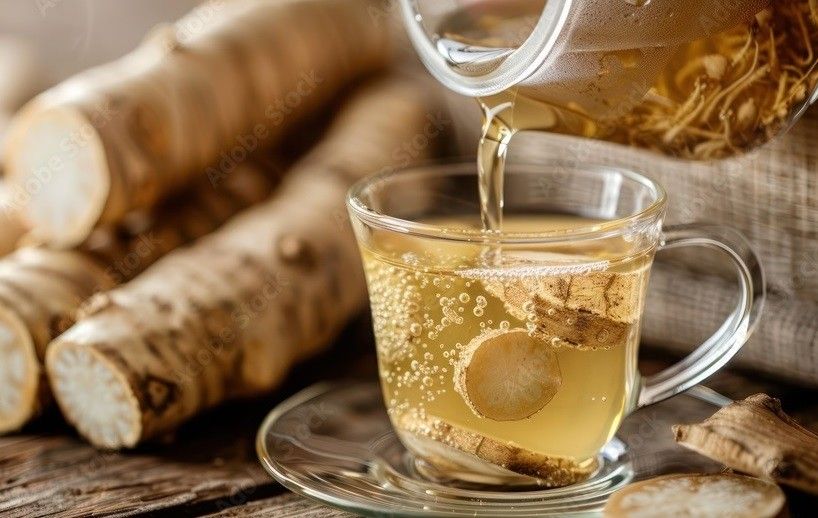
Herbal teas have long been valued for their healing and wellness-supporting properties, and horseradish tea is one of the lesser-known yet potent options. Derived from the sharp, spicy root of the horseradish plant (Armoracia rusticana), this tea offers a unique flavor and a wide range of potential health benefits. Traditionally used in folk medicine across Europe and parts of Asia, horseradish tea is believed to support digestion, respiratory health, and immunity thanks to its bioactive compounds. This guide explores what horseradish tea is, its nutritional composition, proven health benefits, possible side effects, preparation methods, and practical consumption tips.
What is Horseradish Tea?
Horseradish tea is a herbal infusion made from the grated root of the horseradish plant, a member of the Brassicaceae family, which also includes mustard, cabbage, and broccoli. The root is known for its pungent aroma and spicy taste caused by glucosinolates and isothiocyanates—bioactive compounds released when the root is crushed.
When steeped in hot water, these compounds infuse into the tea, producing a strong, warming drink often used traditionally to clear sinuses, soothe sore throats, and stimulate digestion. While not as common as ginger or turmeric tea, horseradish tea has been gaining attention for its antimicrobial and anti-inflammatory potential.
Nutritional Facts of Horseradish Tea
The nutritional content of horseradish tea varies depending on preparation strength, but the infusion contains small amounts of nutrients and beneficial phytochemicals extracted from the root.
| Nutrient / Compound | Approximate Presence |
|---|---|
| Calories | Very low |
| Vitamin C | Trace amounts |
| Potassium | Small amounts |
| Calcium | Trace amounts |
| Magnesium | Trace amounts |
| Glucosinolates | Present |
| Isothiocyanates | Present |
| Antioxidants | Present |
| Fiber | Negligible |
| Sugars | None |
Note: Herbal infusions provide lower nutrient concentrations than consuming the raw root, but still deliver active compounds.
20 Science-Backed Benefits of Horseradish Tea
1. Supports Respiratory Health
Horseradish contains volatile compounds that may help clear mucus and relieve congestion. Its traditional use for sinus infections aligns with its expectorant-like properties.
2. Antimicrobial Properties
Isothiocyanates have demonstrated antibacterial activity against certain pathogens, potentially supporting infection defense.
3. Boosts Immune Function
Vitamin C and plant antioxidants help strengthen immune response and reduce oxidative stress.
4. Anti-Inflammatory Effects
Bioactive compounds in horseradish may reduce inflammatory markers, benefiting joint and tissue health.
5. Promotes Digestion
Horseradish stimulates digestive secretions, which may improve nutrient breakdown and absorption.
6. Helps Reduce Bloating
By enhancing digestion, horseradish tea may reduce gas and abdominal discomfort.
7. Supports Liver Detoxification
Glucosinolates may promote enzyme activity involved in detoxification processes.
8. Antioxidant Protection
Antioxidants in horseradish help neutralize free radicals that contribute to chronic disease.
9. Potential Cancer-Protective Properties
Research suggests glucosinolates may help inhibit abnormal cell growth, though this requires further study.
10. Improves Circulation
Its warming effect may stimulate blood flow and promote cardiovascular function.
11. Supports Oral Health
Antimicrobial compounds may help reduce bacteria responsible for bad breath.
12. May Aid Weight Management
Low-calorie herbal beverages can support hydration and metabolic activity.
13. Relieves Cold Symptoms
Traditional use includes easing sore throat and cough through warming and antimicrobial actions.
14. Supports Urinary Health
Mild diuretic properties may help flush toxins through urine.
15. Enhances Metabolism
Spicy plant compounds may temporarily increase metabolic rate.
16. Helps Manage Blood Sugar
Some plant chemicals may influence glucose metabolism, though evidence is preliminary.
17. Reduces Oxidative Stress
Regular antioxidant intake may protect tissues from damage.
18. Skin Health Support
By reducing inflammation and oxidative stress, horseradish tea may indirectly benefit skin clarity.
19. May Improve Appetite Regulation
Bitterness and pungency may stimulate appetite in individuals with reduced hunger.
20. Traditional Pain Relief
Historically used for minor aches due to warming and circulation-enhancing effects.
10 Side Effects of Horseradish Tea
1. Gastrointestinal Irritation
Excess consumption may cause stomach discomfort or burning sensations.
2. Acid Reflux
Its pungency may aggravate reflux or heartburn.
3. Mouth or Throat Irritation
Strong infusions may irritate mucous membranes.
4. Allergic Reactions
Rarely, some individuals may experience sensitivity reactions.
5. Thyroid Interference
Cruciferous compounds may affect iodine uptake when consumed excessively.
6. Kidney Irritation
High intake may stress kidneys due to strong bioactive compounds.
7. Skin Irritation (Contact Preparation)
Handling raw root may irritate skin.
8. Blood Pressure Fluctuations
Potential mild influence on circulation may affect sensitive individuals.
9. Interaction with Medications
May interact with certain medications affecting metabolism or blood pressure.
10. Pregnancy Concerns
High doses of horseradish root are not recommended during pregnancy.
How to Make Horseradish Tea?
Ingredients:
- 1 teaspoon freshly grated horseradish root
- 1 cup hot water
- Honey or lemon (optional)
Instructions:
- Grate fresh horseradish root.
- Place in a cup or teapot.
- Pour hot water over it.
- Cover and steep for 5–10 minutes.
- Strain and add honey or lemon if desired.
- Serve warm.
Other Uses of Horseradish Tea
- Gargle for sore throat relief
- Steam inhalation for sinus clearing
- Natural rinse for scalp stimulation
- Ingredient in detox herbal blends
- Mild compress for muscle discomfort
How Much Horseradish Tea Can You Drink a Day?
Moderation is important. Most adults can safely consume:
- 1–2 cups daily for general wellness
- Avoid exceeding 3 cups per day
- Begin with small amounts to assess tolerance
Consult a healthcare professional before regular medicinal use.
Tips for Consuming Horseradish Tea
- Use fresh root for best potency
- Start with mild infusions
- Combine with ginger or lemon for balanced flavor
- Drink after meals for digestive support
- Avoid on an empty stomach if sensitive
Best Time to Drink Horseradish Tea
- Morning: To stimulate digestion and circulation
- After meals: For digestive support
- During cold symptoms: For respiratory relief
Avoid late-night consumption if it causes stimulation or reflux.
Who Should Drink Horseradish Tea?
- Individuals seeking natural immune support
- Those with occasional congestion
- People looking for digestive stimulation
- Herbal tea enthusiasts exploring new remedies
Who Should Not Drink Horseradish Tea?
- Pregnant or breastfeeding individuals
- People with ulcers or severe reflux
- Those with thyroid disorders
- Individuals allergic to cruciferous plants
- Anyone on medication without medical guidance
Precautions and Interactions
- Always consult a healthcare provider before medicinal use
- Avoid excessive intake
- Monitor reactions when combining with medications
- Use cautiously if managing chronic conditions
- Discontinue if irritation occurs
Final Thought
Horseradish tea stands out as a bold and functional herbal infusion rooted in tradition and supported by emerging scientific insights into its bioactive compounds. While not a miracle cure, its antimicrobial, antioxidant, and digestive-supporting properties make it a noteworthy addition to a balanced wellness routine. As with all herbal remedies, mindful consumption and professional guidance ensure that its benefits are enjoyed safely.
FAQ’s
What does horseradish tea taste like?
Horseradish tea has a strong, spicy, and slightly bitter flavor with a sharp aroma. The pungency is similar to mustard or wasabi but milder when diluted in hot water. Adding honey or lemon can balance the taste.
Is horseradish tea safe to drink daily?
For most healthy adults, drinking 1–2 cups per day is generally considered safe when prepared mildly. Excessive intake may cause irritation or digestive discomfort, so moderation is important.
Can horseradish tea help with colds or congestion?
Traditionally, horseradish tea has been used to relieve sinus congestion and cold symptoms due to its warming and potentially antimicrobial properties. While it may provide relief, it should not replace medical treatment.
Does horseradish tea aid digestion?
Yes, it may stimulate digestive secretions and help reduce bloating or heaviness after meals. However, individuals with sensitive stomachs should consume it cautiously.
Can pregnant women drink horseradish tea?
Pregnant individuals are generally advised to avoid medicinal amounts of horseradish due to potential risks. Consulting a healthcare professional before consumption is recommended.
Is horseradish tea good for immunity?
Horseradish contains antioxidants and vitamin C in small amounts, which may support immune function. Regular consumption alongside a balanced diet may contribute to overall wellness.
Can children drink horseradish tea?
Due to its strong flavor and potency, it is generally not recommended for young children unless approved by a healthcare provider.
What is the best way to store horseradish root for tea?
Fresh horseradish root should be stored in the refrigerator in a sealed bag or container. Proper storage helps maintain potency and flavor for several weeks.
Can horseradish tea be consumed cold?
Yes, it can be cooled and consumed as a chilled infusion, though its pungent flavor may be more noticeable when cold.
Does horseradish tea help with weight loss?
There is no direct evidence that it causes weight loss, but as a low-calorie beverage it can support hydration and metabolic balance within a healthy lifestyle.
How long should horseradish tea be steeped?
Steeping for 5–10 minutes is typically sufficient to extract beneficial compounds while avoiding excessive pungency.
What is Horseradish Tea made from?
Horseradish tea is made by steeping grated fresh or dried horseradish root in hot water, extracting its pungent plant compounds.
How long does it take for Horseradish Tea to work?
Some effects, like warmth or sinus relief, may be noticed quickly, while general wellness benefits require regular use over time.
How should Horseradish Tea be stored?
Drink it fresh or refrigerate in a sealed container and use within 24 hours. Store raw root in the refrigerator in an airtight bag.
What is Horseradish Tea good for?
It may support digestion, relieve mild congestion, and provide antioxidant and anti-inflammatory benefits as part of a healthy routine.
Also Read: