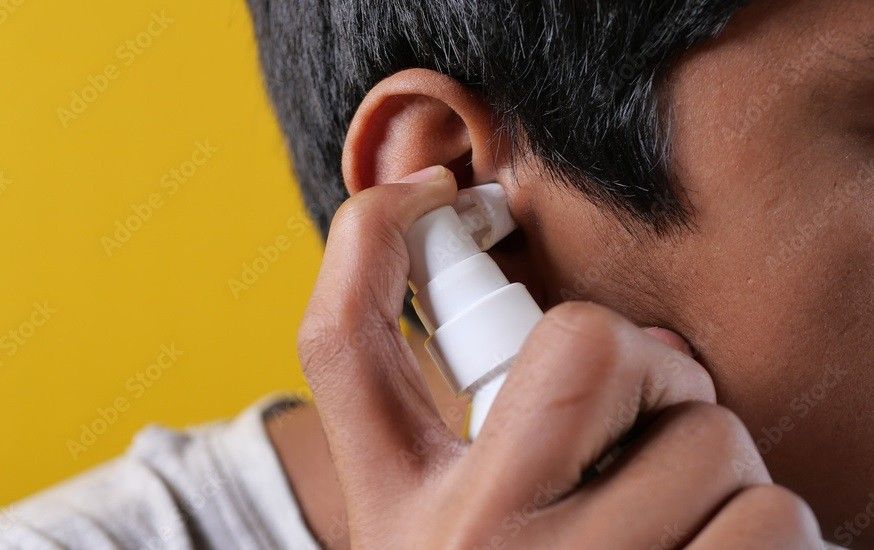
Earwax removal is one of the most searched personal hygiene topics online, yet it is also one of the most misunderstood. Many people believe that ears must be cleaned frequently and deeply, often using cotton swabs, keys, hairpins, or other sharp objects. Unfortunately, these habits can do more harm than good.
In reality, earwax plays an essential protective role. The key is not to remove it completely but to manage it safely when buildup becomes excessive. This guide will explain what earwax is, why it matters, how to recognize a blockage, safe removal methods, and when to seek medical help.
What Is Earwax?
Earwax, medically known as cerumen, is a naturally produced substance made by glands in the ear canal. It is a mixture of:
- Secretions from sebaceous and sweat glands
- Dead skin cells
- Tiny hair fragments
- Environmental dust and debris
Contrary to popular belief, earwax is not dirt. It is a self-cleaning, protective substance designed to keep your ears healthy.
Why Earwax Is Important?
Earwax serves several essential functions:
1. Protection Against Infection
Cerumen contains antimicrobial properties that help prevent bacterial and fungal infections in the ear canal.
2. Moisturizing the Ear Canal
It prevents dryness and itching by keeping the delicate skin inside the ear canal hydrated.
3. Trapping Dust and Debris
Earwax traps foreign particles before they reach the eardrum.
4. Natural Cleaning Mechanism
The ear canal has a self-cleaning system. As you chew and move your jaw, old earwax gradually moves outward and flakes away.
In most cases, your ears clean themselves without needing intervention.
When Does Earwax Become a Problem?
Earwax becomes problematic only when it accumulates excessively and causes impaction. This may happen due to:
- Frequent use of cotton swabs
- Use of hearing aids or earbuds
- Naturally narrow ear canals
- Excessive earwax production
- Age-related changes (older adults tend to produce drier wax)
Impacted earwax can lead to uncomfortable symptoms.
Symptoms of Earwax Blockage
You may need earwax removal if you experience:
- Reduced hearing or muffled sound
- Earache or pressure
- Ringing in the ears (tinnitus)
- Dizziness
- Itching in the ear canal
- A feeling of fullness in the ear
- Occasional cough due to nerve stimulation
If these symptoms persist, it may be time to address earwax buildup safely.
What You Should Never Do?
Before discussing safe methods, it is important to understand what not to do.
1. Avoid Cotton Swabs Inside the Ear
Cotton swabs push wax deeper into the ear canal rather than removing it. This increases the risk of impaction and injury.
2. Do Not Use Sharp Objects
Hairpins, matchsticks, pens, or tweezers can damage the ear canal and even perforate the eardrum.
3. Avoid Ear Candling
Ear candling involves placing a hollow candle in the ear and lighting it. This method is ineffective and can cause burns or wax drippings inside the ear.
4. Do Not Over-Clean
Frequent cleaning removes protective wax and may cause dryness and irritation.
Safe Methods to Remove Earwax at Home
If symptoms are mild, several safe home remedies can help soften and remove earwax.
1. Let the Ear Clean Itself
In many cases, no treatment is required. The ear naturally pushes wax outward. You can gently clean the outer ear with a damp cloth during bathing.
2. Use Warm Water Irrigation
Warm water can help loosen earwax.
Steps:
- Use a clean bulb syringe.
- Fill it with body-temperature water.
- Tilt your head sideways.
- Gently squirt water into the ear canal.
- Let it drain out.
- Dry the outer ear with a towel.
Important: Never use cold or hot water, as temperature extremes may cause dizziness.
3. Saline Solution
Saline softens hardened wax.
How to use:
- Mix one teaspoon of salt in half a cup of warm water.
- Soak a cotton ball in the solution.
- Tilt your head and place a few drops into the ear.
- Wait a few minutes.
- Drain and rinse gently.
4. Mineral Oil, Baby Oil, or Olive Oil
Oils can soften hardened wax, making it easier to remove.
Steps:
- Warm the oil slightly (body temperature only).
- Use a dropper to place 2–3 drops into the ear.
- Keep your head tilted for 5–10 minutes.
- Repeat daily for a few days if needed.
This method is particularly helpful for dry, hard wax.
5. Hydrogen Peroxide Solution (3%)
Hydrogen peroxide can help break down earwax.
Instructions:
- Mix equal parts 3% hydrogen peroxide and water.
- Place a few drops into the ear.
- You may hear bubbling.
- Let it sit for a few minutes.
- Drain and rinse with warm water.
Do not overuse hydrogen peroxide, as it may irritate the ear canal.
6. Over-the-Counter Ear Drops
Pharmacies sell earwax removal drops designed to soften and dissolve wax. These typically contain:
- Carbamide peroxide
- Hydrogen peroxide
- Saline
- Glycerin
Follow the product instructions carefully. These solutions are usually used for several days before flushing the ear.
Professional Earwax Removal Methods
If home remedies fail or symptoms worsen, professional care is recommended.
1. Ear Irrigation by a Doctor
A healthcare professional may flush the ear using specialized equipment for controlled water pressure.
2. Microsuction
Microsuction is considered one of the safest modern techniques. It involves using a small suction device to remove wax under direct visualization.
Benefits:
- Quick procedure
- Minimal discomfort
- No water involved
- Reduced risk of infection
3. Manual Removal (Curette)
A doctor may use a small instrument called a curette to carefully scoop out wax under magnification.
When to See a Doctor?
Seek medical attention if you experience:
- Severe ear pain
- Sudden hearing loss
- Bleeding from the ear
- Persistent dizziness
- Symptoms lasting more than a week
- Ear discharge
- History of eardrum perforation
Children, elderly individuals, and people with diabetes should consult a healthcare provider before attempting removal at home.
Special Considerations
Earwax in Children
Children often produce more earwax. Avoid inserting anything into a child’s ear. If blockage is suspected, consult a pediatrician.
Hearing Aid Users
Hearing aids can push wax deeper into the canal. Regular checkups and professional cleaning are recommended.
People with Eczema or Skin Conditions
Skin conditions can increase earwax production and irritation. Gentle care and medical guidance are essential.
How Often Should You Clean Your Ears?
For most people, ear cleaning is needed only when symptoms appear. Routine deep cleaning is unnecessary.
General guidelines:
- Clean the outer ear weekly with a cloth.
- Avoid inserting objects into the canal.
- Use ear drops only if buildup occurs.
Preventing Earwax Buildup
Here are simple prevention strategies:
- Avoid cotton swabs inside the ear canal.
- Limit frequent earbud use.
- Keep ears dry after swimming.
- Schedule regular ear checkups if prone to buildup.
- Manage skin conditions promptly.
Myths About Earwax Removal
Myth 1: Clean Ears Should Have No Wax
Truth: Some wax is healthy and necessary.
Myth 2: Cotton Swabs Are Safe
Truth: They often push wax deeper.
Myth 3: Ear Candling Removes Toxins
Truth: There is no scientific evidence supporting this claim.
Myth 4: More Cleaning Means Better Hygiene
Truth: Over-cleaning can cause irritation and infection.
Risks of Improper Earwax Removal
Incorrect techniques may lead to:
- Impacted wax
- Ear canal injuries
- Eardrum perforation
- Infection
- Hearing damage
- Vertigo
That is why safe, gentle methods are essential.
Can Earwax Affect Hearing?
Yes. When wax blocks the ear canal, sound waves cannot reach the eardrum effectively, resulting in temporary hearing loss. Once the blockage is removed safely, hearing usually returns to normal.
Is It Safe to Use Ear Cleaning Devices?
There are many electronic ear cleaning tools available online. While some are safe, improper use can cause injury. Always:
- Read manufacturer instructions carefully
- Avoid deep insertion
- Stop immediately if pain occurs
Professional care is always safer than experimenting with unfamiliar tools.
How Long Does Earwax Removal Take?
- Mild buildup may clear within a few days using drops.
- Professional microsuction usually takes 10–20 minutes.
- Severe impaction may require multiple visits.
Patience is important. Forcing removal can worsen the problem.
FAQ’s
Is it safe to remove earwax at home?
Yes, mild buildup can be treated safely using drops or gentle irrigation. Severe symptoms require medical care.
Can earwax go away on its own?
In most cases, yes. The ear is self-cleaning.
Why does my ear feel blocked after cleaning?
Water trapped inside the ear canal may cause temporary fullness. Dry the outer ear gently and allow time for drainage.
How do I know if my eardrum is damaged?
Symptoms include sharp pain, drainage, ringing, or sudden hearing loss. Seek medical attention immediately.
Is it necessary to remove earwax regularly?
No. In most cases, the ear is self-cleaning, and wax naturally moves outward on its own. Regular deep cleaning is usually unnecessary unless symptoms of blockage appear.
How do I know if I have impacted earwax?
Common signs include muffled hearing, ear fullness, ringing in the ears, mild ear pain, dizziness, or itching. If symptoms persist, it may indicate impaction.
Can I use cotton swabs to clean inside my ears?
No. Cotton swabs often push wax deeper into the ear canal, increasing the risk of blockage or injury.
Is hydrogen peroxide safe for earwax removal?
Diluted 3% hydrogen peroxide can help soften and break down wax, but it should not be used excessively because it may irritate the ear canal.
How long does it take to clear earwax buildup?
Mild buildup may clear within a few days using softening drops. Severe impaction may require professional treatment.
What is microsuction earwax removal?
Microsuction is a professional procedure where a healthcare provider uses a small suction device under magnification to safely remove earwax. It is considered one of the safest and most effective methods.
Is ear candling effective?
No. Ear candling is not scientifically proven to remove earwax and may cause burns or injury.
Can earwax cause temporary hearing loss?
Yes. If earwax blocks the ear canal, it can prevent sound waves from reaching the eardrum, resulting in temporary hearing loss that typically resolves after safe removal.
Should children’s ears be cleaned at home?
Parents should avoid inserting objects into a child’s ear. If blockage is suspected, consult a pediatrician.
Can using earbuds or hearing aids increase earwax buildup?
Yes. These devices can push wax deeper into the canal and may increase buildup over time.
Is it safe to flush ears with water at home?
Gentle irrigation with body-temperature water can be safe for healthy individuals without ear infections or a history of eardrum perforation. If unsure, consult a healthcare professional.
Final Thoughts
Earwax is a natural and necessary part of ear health. It protects, lubricates, and cleans your ears. The goal is not to eliminate it but to manage it safely when it becomes excessive.
Most ears do not require regular deep cleaning. When removal is needed, gentle home methods such as oil drops or saline solutions are often effective. However, persistent symptoms, severe pain, or hearing changes require professional evaluation. By understanding how earwax works and following safe removal practices, you can maintain healthy ears without risking injury.
Also Read: