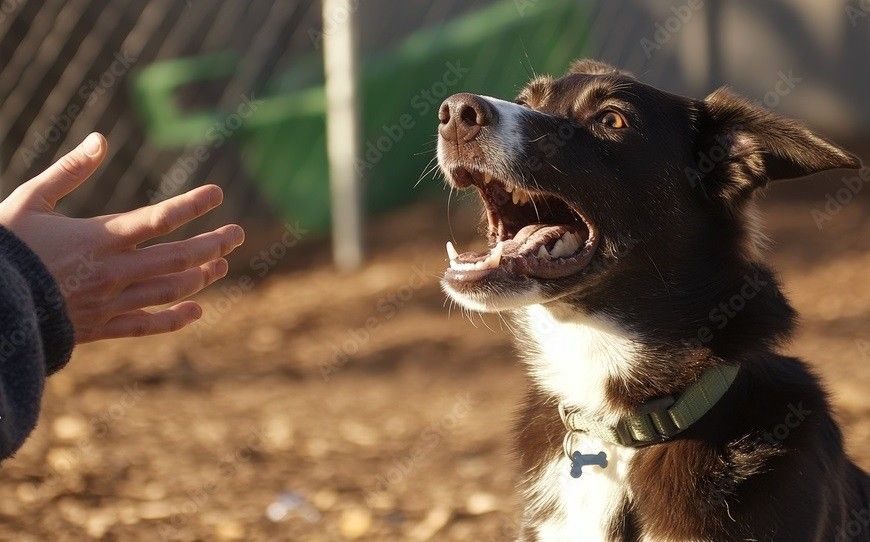
A dog barking at night can be one of the most frustrating experiences for any pet owner. Not only does it disrupt your sleep, but it can also disturb neighbors, create stress for your dog, and lead to tension in your household. If your dog barks frequently at night, it’s a sign that something is triggering this behavior — and the good news is that it can be managed effectively with the right approach.
In this guide, we will explore the reasons behind nighttime barking, how to identify the cause, and practical steps you can take to stop it. By the end of this guide, you’ll have a clear plan to help your dog feel calmer and more secure during the night.
Why Do Dogs Bark at Night?
Before you can stop your dog from barking at night, you need to understand why it happens. Dogs bark for many reasons, and nighttime barking is usually caused by one or more of the following:
1. Boredom and Loneliness
Dogs are social animals. If they spend the day alone and then suddenly feel isolated at night, they may bark to express loneliness or to seek attention.
2. Anxiety and Fear
Some dogs feel anxious or scared when it’s dark, especially if they have a history of trauma or if they are not used to being alone. Nighttime can amplify their fear.
3. Territorial Behavior
Dogs are naturally protective of their home. At night, when the environment is quiet, they may become more alert and bark at any sound or movement outside.
4. External Triggers
Noises like cars, animals, wind, or people passing by can trigger barking. Since the surroundings are quieter at night, even small sounds can cause a reaction.
5. Lack of Exercise
A dog that hasn’t had enough physical activity during the day may have excess energy at night, leading to barking.
6. Medical Issues
Sometimes barking is a sign of pain, discomfort, or illness. If your dog’s barking is sudden or unusual, a vet check-up may be necessary.
The Consequences of Night Barking
Night barking doesn’t just affect your sleep. It can lead to:
- Increased stress and anxiety for the dog
- Behavioral problems such as aggression or destructive habits
- Strained relationships with neighbors
- Sleep deprivation for the whole family
The goal is not just to stop barking but to address the underlying cause.
How to Stop Dog Barking at Night: Practical Solutions
Here are proven strategies to reduce or eliminate nighttime barking:
1. Identify the Root Cause
To effectively stop barking, you must figure out what triggers it. Start by observing your dog for a few nights and ask yourself:
- Does the barking happen at the same time every night?
- Does it happen when you leave the room or house?
- Is it triggered by outside noises or movement?
- Does your dog bark from the window, door, or yard?
- Is your dog restless or anxious before barking?
Once you identify the cause, you can apply the right solution.
2. Increase Exercise and Mental Stimulation
A tired dog is a quiet dog. Exercise helps release excess energy and reduces stress. Consider:
- Daily walks or runs
- Playtime sessions
- Interactive toys like puzzle feeders
- Training sessions to engage the mind
A 30–60 minute walk or play session before bedtime can make a huge difference.
3. Create a Comfortable Sleeping Environment
Your dog needs a safe and calm space to sleep. Try these steps:
- Use a comfortable bed or crate
- Place the bed in a quiet area away from windows
- Add a blanket or clothing with your scent
- Keep the room at a comfortable temperature
- Consider white noise or soft music to block outside sounds
If your dog feels secure, they are less likely to bark.
4. Use Positive Reinforcement Training
Training your dog to be quiet on command is one of the most effective methods. Here’s how to do it:
Step 1: Teach the “Quiet” Command
- Wait for your dog to bark.
- Let them bark a few times, then say “Quiet” in a calm, firm voice.
- When they stop barking, even for a moment, praise them and give a treat.
- Repeat this consistently until they understand.
Step 2: Practice During the Day
- Train in a calm environment.
- Use mild triggers like a knock on the door to practice.
Step 3: Apply at Night
- If your dog barks at night, use the “Quiet” command.
- Reward them when they stop.
5. Avoid Reinforcing the Barking
Many owners accidentally reward barking without realizing it. Common examples include:
- Giving attention when your dog barks
- Letting them inside after barking
- Yelling at them (which may sound like barking to the dog)
Instead, wait until they stop barking, then reward calm behavior.
6. Block External Triggers
If your dog barks at outside noises, reduce their exposure:
- Close curtains or blinds
- Use a white noise machine
- Move the bed away from windows
- Use a soundproof mat or barrier
If the trigger is another animal outside, consider fencing improvements or visual barriers.
7. Crate Training (If Appropriate)
Crate training can help dogs feel secure and reduce nighttime barking. The crate should be:
- Comfortable and safe
- Not used as punishment
- Associated with positive experiences (treats, toys, bedtime routine)
Crate training is especially helpful for dogs who feel anxious when left alone.
8. Establish a Nighttime Routine
Dogs thrive on routine. A consistent nighttime routine helps them know it’s time to rest. Consider:
- A final bathroom break before bed
- A short walk or play session
- A calm activity like gentle petting or massage
- Turning off lights at the same time every night
A predictable routine can reduce anxiety and barking.
9. Consider Anxiety or Separation Issues
If your dog barks when you leave the room or house, they may have separation anxiety. Signs include:
- Pacing or restlessness
- Chewing or destroying items
- Excessive drooling or whining
- Barking immediately after you leave
For separation anxiety, consider:
- Gradual desensitization (practice leaving for short periods)
- Comfort items like a calming toy or blanket
- Professional training or behavior therapy
- Calming supplements (only under vet guidance)
10. Check for Medical Problems
If your dog’s barking is sudden or unusually intense, it may be a sign of pain or illness. Consult a vet if you notice:
- Changes in appetite or behavior
- Restlessness or discomfort
- Increased thirst or urination
- Limping or stiffness
A medical issue should always be ruled out first.
Common Mistakes Owners Make
To successfully stop nighttime barking, avoid these common mistakes:
Mistake 1: Punishing the Dog
Yelling or physical punishment increases stress and can worsen barking. It can also damage trust.
Mistake 2: Ignoring the Cause
If barking is due to anxiety or boredom, ignoring it won’t solve the problem.
Mistake 3: Inconsistent Training
If you train one night but ignore it the next, your dog will become confused.
Mistake 4: Not Exercising Enough
Dogs need both physical and mental exercise. A tired dog sleeps better.
Nighttime Training Plan (Day-by-Day Schedule)
This plan is designed for 7 days, but you can extend it until your dog shows consistent improvement. The goal is to build a calm routine, teach the “quiet” command, and reduce triggers.
Day 1: Observation & Routine Setup
Goal: Identify triggers and create a calming night routine.
Morning
- 30–45 minute walk or play session
- Note how your dog behaves during the day.
Evening
- Create a calm bedtime routine:
- Final bathroom break 30 minutes before bed
- 10 minutes of calm play or gentle petting
- Put your dog in their sleeping area
Night
- Observe the barking pattern:
- What time does it start?
- What triggers it?
- How long does it last?
Day 2: Exercise + Quiet Command Introduction
Goal: Use exercise to reduce energy and start training “quiet.”
Morning
- 45–60 minute walk or active play
Evening
- Before bedtime, do a 5-minute training session:
- Wait for a bark
- Say “Quiet”
- When your dog stops even for 2 seconds, reward with a treat
Night
- If barking starts, calmly say “Quiet”
- Reward only when your dog stops
Day 3: Increase Mental Stimulation
Goal: Reduce boredom-related barking.
Morning
- Add mental games:
- Puzzle toy
- Treat-dispensing toy
- Short training session
Evening
- Bedtime routine + “Quiet” training (repeat Day 2)
Night
- If barking starts, ignore attention-seeking barking
- Reward only quiet behavior
Day 4: Trigger Reduction
Goal: Reduce external triggers (noise, shadows, animals).
Morning
- 30–45 minute walk + training
Evening
- Block triggers:
- Close curtains
- Turn on white noise or fan
- Move bed away from windows
Night
- Practice “Quiet” when barking starts
- Reward calm behavior
Day 5: Crate Training or Safe Zone
Goal: Help your dog feel secure.
Morning
- Short crate session (10–15 minutes)
- Reward calm behavior inside crate
Evening
- Crate or safe zone before bedtime
- Give a treat or chew toy
Night
- If barking occurs, don’t open crate immediately
- Reward calmness after silence
Day 6: Desensitization Training
Goal: Teach your dog to ignore triggers.
Morning
- Use mild triggers (door knock, outside sounds)
- Reward calm behavior
Evening
- Bedtime routine + “Quiet” training
Night
- If barking starts due to trigger, use “Quiet”
- Reward when calm
Day 7: Review & Consistency
Goal: Reinforce progress and continue routine.
Morning
- Longer walk + training
Evening
- Continue routine
- Do a 10-minute training session
Night
- Monitor improvement
- Continue rewarding quiet behavior
Quick Troubleshooting Tips for Specific Triggers
Here are common barking triggers and how to solve them quickly:
1. Barking at Outside Noises
Solution:
- Close curtains
- Use white noise
- Move bed away from windows
- Add a soundproof mat or barrier
If barking continues:
Use the “Quiet” command and reward calmness.
2. Barking at Other Animals
Solution:
- Block view of the yard or window
- Add a visual barrier (fence, plants, curtains)
- Increase exercise to reduce stress
If the dog barks:
Redirect attention with a toy or treat.
3. Barking Due to Separation Anxiety
Solution:
- Leave your dog alone for short periods daily
- Use a safe zone or crate
- Provide calming toys
If barking spikes:
Try gradual desensitization and consider a behaviorist if needed.
4. Barking for Attention
Solution:
- Don’t respond while barking
- Reward only when quiet
- Increase daytime attention and play
Tip:
If your dog barks at night and you respond, they learn barking works.
5. Barking Due to Boredom
Solution:
- Increase physical activity
- Add mental stimulation (puzzles, training)
- Keep a consistent routine
6. Barking from Fear or Anxiety
Solution:
- Create a safe, calm sleeping space
- Use soft music or a white noise machine
- Avoid sudden changes at night
If fear persists:
Consult a vet or behaviorist.
7. Barking Because of a Medical Problem
Solution:
- Check for sudden changes in behavior
- Watch for signs of pain or discomfort
- Visit a vet if needed
Note: If your dog continues barking after this plan, it may be a deeper behavioral issue or medical problem. In that case, seeking help from a professional dog trainer or veterinarian is the best next step.
When to Seek Professional Help
If your dog continues to bark despite your best efforts, it may be time to consult a professional. Consider a certified dog trainer or animal behaviorist if:
- Barking is frequent and intense
- The dog shows signs of fear or aggression
- Separation anxiety is severe
- You can’t identify the trigger
A professional can help you create a customized plan.
Final Thoughts
Nighttime barking is a common issue, but it’s not impossible to fix. The key is to identify the cause, provide exercise and mental stimulation, create a safe sleeping environment, and use positive training methods. With patience and consistency, you can help your dog feel calm and secure — and finally enjoy a peaceful night’s sleep.
If you start with the steps above and stay consistent, you will see improvement within days or weeks. Remember: your dog is not barking to annoy you — they are communicating a need. Once you address that need, the barking will naturally reduce.
FAQ’s
Is barking at night normal for dogs?
Some barking at night is normal, especially if your dog is alert or hears noises. However, constant or excessive barking may indicate anxiety, boredom, or a medical issue.
Can separation anxiety cause nighttime barking?
Yes, separation anxiety is a common reason dogs bark at night, especially if they are left alone or feel insecure. Symptoms include pacing, whining, and destructive behavior.
How do I train my dog to be quiet at night?
Start by teaching the “Quiet” command during the day. When your dog barks, say “Quiet” and reward them when they stop. Consistency and patience are key.
Should I punish my dog for barking at night?
No. Punishing your dog can increase anxiety and worsen the barking. Instead, use positive reinforcement and identify the root cause.
Can lack of exercise cause barking at night?
Yes. Dogs with excess energy often bark at night. Increasing daily walks, playtime, and mental stimulation can help reduce barking.
What should I do if my dog barks at outside noises?
Try blocking outside views by closing curtains, using white noise, and moving the bed away from windows. You can also desensitize your dog to noises using training.
When should I see a vet for my dog’s barking?
If your dog’s barking is sudden, unusual, or accompanied by signs of pain, discomfort, or illness, consult a veterinarian to rule out medical issues.
How long does it take to stop nighttime barking?
It depends on the cause and your consistency. Many dogs show improvement within a few days to a few weeks with proper training and routine.
Also Read: