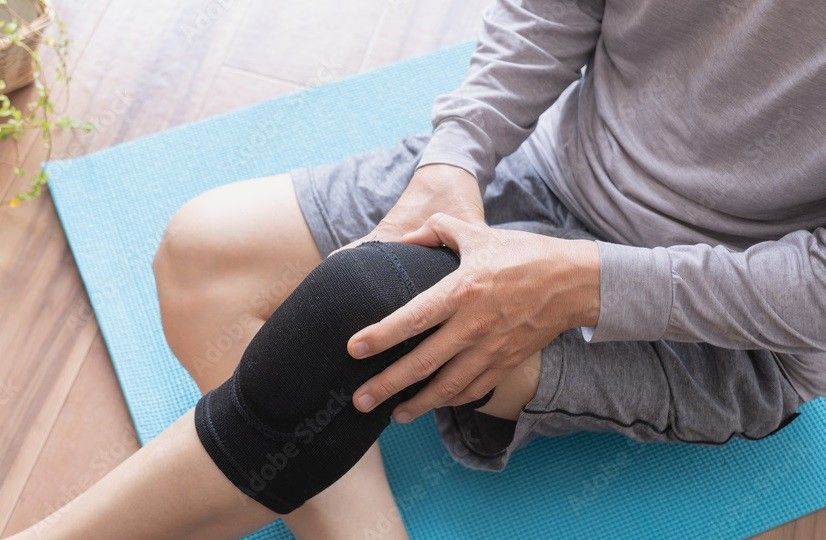
Weak knees can interfere with everyday life in subtle and frustrating ways. You may notice discomfort when climbing stairs, standing up from a chair, kneeling, running, or even walking for extended periods. Over time, this weakness can reduce mobility, limit physical activity, and increase the risk of injury.
The good news is that weak knees can often be strengthened with targeted exercises, supportive lifestyle changes, and smart movement habits. Whether your knee weakness is due to inactivity, aging, previous injury, muscle imbalance, or early joint degeneration, this guide will walk you through practical, evidence-based strategies to build stronger, more stable knees.
Why Knees Become Weak?
The knee joint is one of the most complex and heavily used joints in the body. It connects the thigh bone (femur) to the shin bone (tibia) and is supported by ligaments, tendons, cartilage, and muscles.
When people say they have “weak knees,” they are usually describing one or more of the following:
- Instability or wobbling
- Pain during activity
- Reduced strength in the surrounding muscles
- Limited range of motion
- Fatigue after short periods of standing or walking
Causes of Weak Knees
- Muscle Weakness: The quadriceps, hamstrings, glutes, and calf muscles play a major role in stabilizing the knee. When these muscles are weak, the knee absorbs more stress.
- Sedentary Lifestyle: Prolonged sitting leads to deconditioned muscles, especially in the hips and thighs.
- Aging and Joint Degeneration: Conditions like Osteoarthritis gradually wear down cartilage, leading to stiffness and weakness.
- Previous Injuries: Ligament tears such as an Anterior Cruciate Ligament injury can leave long-term weakness if rehabilitation is incomplete.
- Poor Biomechanics: Flat feet, poor posture, or misaligned hips can increase knee stress.
- Excess Body Weight: Every extra kilogram of body weight increases pressure on the knee joint.
Understanding the root cause helps determine the most effective strengthening strategy.
The Muscles That Protect Your Knees
To strengthen weak knees, you must focus on the muscles that support and stabilize the joint:
- Quadriceps – Front of the thigh; control knee extension.
- Hamstrings – Back of the thigh; assist knee flexion.
- Gluteus Medius and Maximus – Stabilize hips and control knee alignment.
- Calf Muscles (Gastrocnemius and Soleus) – Support knee during walking and running.
- Core Muscles – Maintain posture and reduce joint strain.
Strong knees depend more on strong surrounding muscles than on the joint itself.
Warm-Up Before Strengthening
Never begin knee exercises without warming up. Cold muscles increase injury risk.
5–10 Minute Warm-Up Ideas
- Brisk walking
- Stationary cycling
- Marching in place
- Gentle leg swings
- Ankle circles
Warming up improves blood flow and prepares connective tissues for activity.
Best Exercises to Strengthen Weak Knees
These exercises are beginner-friendly and can be progressed over time.
1. Straight Leg Raises
Why it works: Strengthens quadriceps without stressing the knee joint.
How to do it:
- Lie on your back.
- Bend one knee, keep the other leg straight.
- Lift the straight leg to the height of the bent knee.
- Hold for 3–5 seconds.
- Lower slowly.
Repeat 10–15 times per leg, 2–3 sets.
2. Wall Sits
Why it works: Builds endurance in quadriceps and glutes.
How to do it:
- Stand with your back against a wall.
- Slide down until knees are bent at about 45–90 degrees.
- Hold for 10–30 seconds.
Gradually increase hold time as strength improves.
3. Step-Ups
Why it works: Improves functional strength and balance.
How to do it:
- Use a low step.
- Step up with one foot.
- Push through the heel.
- Step down slowly.
Perform 10 repetitions per leg.
4. Hamstring Curls
Why it works: Strengthens the back of the thigh for knee stability.
How to do it:
- Stand holding a chair for balance.
- Bend one knee and bring heel toward buttocks.
- Hold briefly, then lower.
Do 10–15 reps per leg.
5. Glute Bridges
Why it works: Strengthens hips and reduces knee stress.
How to do it:
- Lie on your back with knees bent.
- Lift hips toward ceiling.
- Squeeze glutes at the top.
- Lower slowly.
Repeat 12–15 times.
6. Clamshells
Why it works: Activates gluteus medius to improve knee alignment.
Lie on your side with knees bent.
Keep feet together and lift the top knee.
Do 15 reps per side.
7. Calf Raises
Why it works: Strengthens lower leg support for knees.
Stand tall.
Rise onto your toes.
Lower slowly.
Repeat 15–20 times.
Low-Impact Cardio for Knee Strength
Cardiovascular exercise improves circulation and joint lubrication without excessive stress.
Recommended Activities:
- Swimming
- Water aerobics
- Elliptical trainer
- Cycling
- Walking on flat surfaces
Avoid high-impact exercises like jumping or sprinting until strength improves.
Stretching for Knee Health
Tight muscles can worsen weakness by altering joint mechanics.
Important Stretches:
- Quadriceps stretch
- Hamstring stretch
- Calf stretch
- Hip flexor stretch
Hold each stretch for 20–30 seconds without bouncing.
Balance and Stability Training
Weak knees often feel unstable. Balance exercises improve neuromuscular control.
- Standing on one leg
- Heel-to-toe walking
- Using a balance board
- Single-leg mini squats
Start near a wall for safety.
The Role of Weight Management
If overweight, even modest weight loss significantly reduces knee stress. Research shows that losing 5–10% of body weight can meaningfully improve symptoms in individuals with knee discomfort. Balanced nutrition and consistent activity are key.
Nutrition for Strong Knees
While exercise is primary, nutrition supports tissue repair.
Key Nutrients:
- Protein – Muscle repair
- Vitamin D – Bone health
- Calcium – Bone density
- Omega-3 fatty acids – Reduce inflammation
- Magnesium – Muscle function
Hydration is also essential for joint lubrication.
When Weak Knees May Signal a Medical Condition
Sometimes knee weakness is part of a larger issue, such as:
- Rheumatoid arthritis
- Patellofemoral pain syndrome
- Meniscus tear
If you experience persistent swelling, locking, severe pain, or instability, consult a healthcare professional before starting exercise.
Using Knee Braces and Supports
Knee braces can provide temporary stability during recovery. However, they should not replace strengthening exercises.
Use supports strategically:
- During sports
- During long walks
- During flare-ups
Over-reliance may weaken muscles further.
How Long Does It Take to Strengthen Weak Knees?
Most people notice improvement within:
- 2–4 weeks of consistent exercise
- 8–12 weeks for significant strength gains
Consistency matters more than intensity. Progress gradually.
Common Mistakes to Avoid
- Skipping warm-ups
- Progressing too quickly
- Ignoring hip strength
- Exercising through sharp pain
- Wearing unsupportive footwear
Listen to your body and adjust accordingly.
Sample Weekly Plan for Knee Strengthening
| Day | Focus Area | Activities | Duration |
|---|---|---|---|
| Monday | Strength Training | Straight leg raises, wall sits, glute bridges, calf raises | 30–40 min |
| Tuesday | Low-Impact Cardio | Brisk walking or cycling (flat surface, moderate pace) | 20–30 min |
| Wednesday | Strength + Balance | Step-ups, hamstring curls, clamshells, single-leg stand | 30–40 min |
| Thursday | Mobility & Stretching | Quad stretch, hamstring stretch, calf stretch, hip flexor stretch | 20 min |
| Friday | Strength Training | Mini squats, glute bridges, resistance band side walks, calf raises | 30–40 min |
| Saturday | Low-Impact Cardio | Swimming, water aerobics, or elliptical | 20–30 min |
| Sunday | Rest or Light Activity | Gentle walk, light stretching, foam rolling | 15–20 min |
Tips for Best Results:
- Warm up for 5–10 minutes before every session.
- Perform 2–3 sets of 10–15 repetitions for strength exercises.
- Rest 30–60 seconds between sets.
- Stop if you feel sharp or worsening pain.
- Increase intensity gradually every 2–3 weeks.
Advanced Progressions
Once basic strength improves, add:
- Mini squats
- Lunges
- Resistance bands
- Leg presses
- Single-leg deadlifts
Progress only if pain-free.
When to See a Doctor or Physical Therapist
Seek professional guidance if you have:
- Repeated knee giving-way
- Persistent swelling
- Limited mobility
- History of major injury
- Pain lasting more than a few weeks
A physical therapist can design a personalized strengthening plan.
Long-Term Prevention Strategies
Strengthening weak knees is not a one-time effort. To maintain knee health:
- Stay active year-round
- Maintain healthy weight
- Wear supportive footwear
- Stretch regularly
- Avoid sudden increases in activity
- Strength-train at least twice weekly
Final Thoughts
Weak knees are common but highly manageable. In most cases, the solution is not rest alone, but structured, consistent strengthening of the muscles that support the joint. With patience and proper technique, you can improve stability, reduce discomfort, and regain confidence in your movement. Start slowly, remain consistent, and prioritize good form over intensity. Strong knees are built step by step, repetition by repetition.
FAQ’s
Can weak knees become strong again?
Yes, in most cases weak knees can become significantly stronger with consistent strengthening exercises, balance training, and proper movement habits. Most people begin noticing improvement within 2–4 weeks of regular training.
How often should I exercise to strengthen my knees?
Knee-strengthening exercises can be done 3–4 times per week, allowing at least one rest day between intense sessions. Light mobility and stretching exercises can be done daily.
Are squats safe for weak knees?
Yes, squats are safe when done with proper form and within a comfortable range of motion. Start with partial or supported squats and gradually progress as strength improves.
Is walking good for weak knees?
Yes, walking is a low-impact activity that helps maintain joint mobility and circulation. However, if walking causes pain, reduce distance and pace or switch to cycling or swimming temporarily.
How long does it take to strengthen weak knees?
Mild weakness may improve in 4–6 weeks with consistent exercise. More significant weakness, especially after injury or surgery, may take 8–12 weeks or longer depending on rehabilitation efforts.
Should I wear a knee brace for weak knees?
A knee brace can provide temporary stability and support during activity, but it should not replace strengthening exercises. Over-reliance on braces may lead to further muscle weakness.
Can being overweight cause knee weakness?
Yes, excess body weight increases stress on the knee joint, which can contribute to weakness and discomfort. Even modest weight loss can significantly reduce knee strain.
What exercises should I avoid with weak knees?
Avoid high-impact activities like jumping, sprinting, deep lunges, or heavy squats until adequate strength and stability are built. Any exercise that causes sharp or persistent pain should be stopped.
Can tight muscles make knees feel weak?
Yes, tight hamstrings, quadriceps, or hip flexors can alter knee alignment and reduce stability. Regular stretching improves flexibility and joint mechanics.
Are weak knees a normal part of aging?
Muscle loss and joint changes can occur with age, but weak knees are not inevitable. Regular strength training and physical activity can maintain knee stability well into older adulthood.
Can yoga help strengthen weak knees?
Yes, yoga improves flexibility, balance, and muscle endurance, which can support knee health. Choose low-impact poses and avoid deep knee bending if painful.
Does cycling help strengthen weak knees?
Yes, cycling is a low-impact exercise that strengthens quadriceps and improves joint mobility. Keep the resistance moderate and seat height properly adjusted to avoid strain.
Can weak knees lead to long-term damage?
If left unaddressed, chronic instability can increase the risk of injury and joint wear over time. Strengthening the surrounding muscles reduces stress on the knee joint and helps prevent future problems.
Also Read: