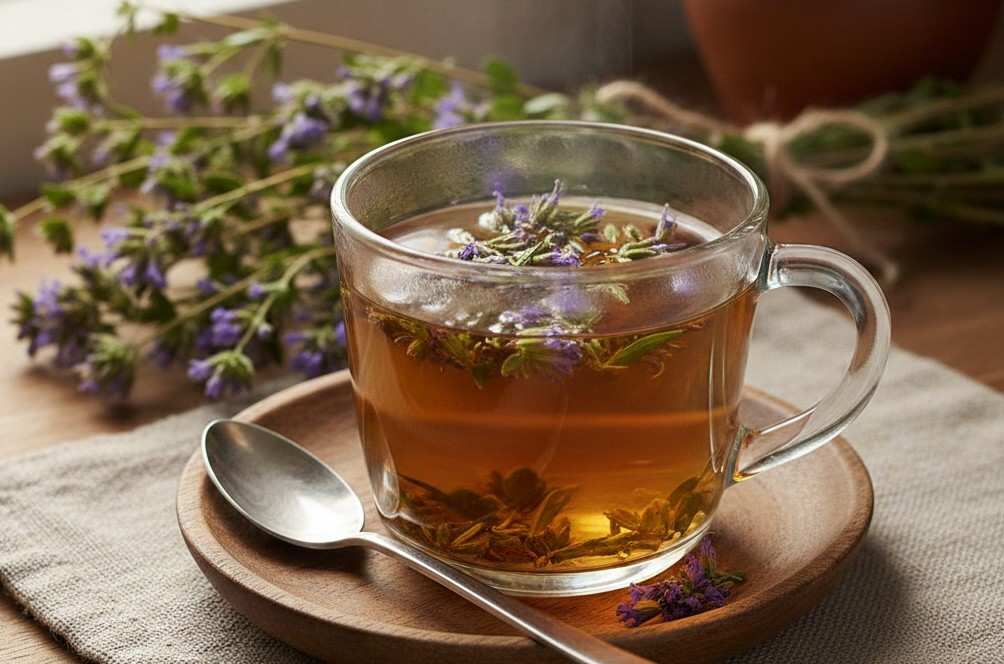
Hyssop tea is a traditional herbal infusion that has been valued for centuries in natural medicine. Known for its aromatic flavor and therapeutic properties, this herbal drink continues to gain attention among wellness enthusiasts seeking natural remedies for respiratory health, digestion, immunity, and overall vitality. In this guide, you will learn everything about hyssop tea — from its proven health benefits to side effects, preparation methods, precautions, and who should or should not drink it.
What is Hyssop Tea?
Hyssop tea is made from the leaves and flowers of the herb Hyssopus officinalis, a perennial plant belonging to the mint family (Lamiaceae). Native to Southern Europe and parts of the Middle East, hyssop has been used since ancient times for medicinal, culinary, and even spiritual purposes.
Historically, hyssop was mentioned in ancient texts and was used in traditional European herbal medicine to support respiratory conditions, digestive disorders, and immune health. The plant has small purple-blue flowers and a strong, slightly bitter, minty flavor. Hyssop tea is prepared by steeping dried hyssop leaves and flowers in hot water. The resulting infusion is aromatic, slightly spicy, and mildly bitter.
Nutritional Facts of Hyssop Tea
Hyssop tea is low in calories but rich in plant-based bioactive compounds. While exact nutritional values vary depending on preparation, the tea contains small amounts of vitamins, minerals, and a range of phytochemicals.
| Nutrient / Compound | Approximate Amount (Per 1 Cup / 240 ml) |
|---|---|
| Calories | 2–5 kcal |
| Carbohydrates | <1 g |
| Protein | Trace |
| Fat | 0 g |
| Vitamin C | Small amounts |
| Vitamin A | Trace |
| Iron | Small amounts |
| Calcium | Small amounts |
| Magnesium | Small amounts |
| Flavonoids | Present |
| Tannins | Present |
| Essential Oils (pinocamphone, isopinocamphone) | Present |
| Antioxidants | High |
The therapeutic effects of hyssop tea primarily come from its essential oils, flavonoids, and antioxidant compounds rather than its macronutrient content.
20 Science-Backed Benefits of Hyssop Tea
- Supports Respiratory Health – Hyssop tea acts as an expectorant, helping to loosen mucus and relieve cough, bronchitis, and congestion.
- Helps Relieve Cough – The essential oils in hyssop may calm throat irritation and reduce persistent coughing.
- May Ease Asthma Symptoms – Its antispasmodic properties may help relax respiratory muscles and reduce mild breathing discomfort.
- Boosts Immune Function – Rich antioxidant compounds help the body fight infections and reduce oxidative stress.
- Provides Antimicrobial Effects – Studies suggest hyssop extracts may inhibit certain bacteria and fungi.
- Supports Digestive Health – Hyssop tea may stimulate digestive enzymes and relieve bloating and indigestion.
- Reduces Gas and Bloating – Its carminative properties help expel excess intestinal gas.
- May Relieve Menstrual Discomfort – Traditionally used to ease cramps by relaxing uterine muscles.
- Supports Liver Health – Antioxidants in hyssop may assist in protecting liver cells from damage.
- May Improve Circulation – Certain plant compounds may promote better blood flow.
- Acts as a Mild Diuretic – Hyssop tea may increase urine output and reduce fluid retention.
- Helps Reduce Inflammation – Flavonoids in hyssop have demonstrated anti-inflammatory potential.
- May Help With Mild Anxiety – Its calming aroma and mild sedative properties may promote relaxation.
- Supports Oral Health – Antimicrobial activity may help reduce harmful bacteria in the mouth.
- May Promote Wound Healing – Traditional use includes applying hyssop externally to minor wounds.
- Supports Gut Microbiome Balance – Antimicrobial properties may help balance harmful intestinal microbes.
- May Reduce Fever – Traditionally used as a diaphoretic to promote sweating during fever.
- Helps Relieve Sore Throat – Warm hyssop tea may soothe inflamed throat tissues.
- May Support Heart Health – Antioxidants may reduce oxidative stress linked to cardiovascular disease.
- Provides Antioxidant Protection – High levels of plant antioxidants help neutralize free radicals.
10 Side Effects of Hyssop Tea
Though beneficial, hyssop tea can cause side effects, especially when consumed in large amounts.
- May Trigger Seizures – High doses of hyssop essential oil contain pinocamphone, which may increase seizure risk.
- Not Safe During Pregnancy – Hyssop may stimulate uterine contractions and increase miscarriage risk.
- May Cause Allergic Reactions – Individuals sensitive to mint-family plants may experience allergic symptoms.
- Can Cause Stomach Irritation – Excess intake may lead to nausea or digestive discomfort.
- May Increase Blood Pressure – In some individuals, stimulating properties may elevate blood pressure.
- Risk for Epilepsy Patients – People with seizure disorders should avoid hyssop products.
- Possible Drug Interactions – Hyssop may interact with sedatives and anticonvulsants.
- May Cause Dizziness – Large doses could lead to lightheadedness.
- Can Irritate the Nervous System – Concentrated forms may overstimulate the central nervous system.
- Unsafe in Essential Oil Form Internally – Hyssop essential oil should never be ingested without medical supervision.
How to Make Hyssop Tea?
Making hyssop tea at home is simple.
Ingredients:
- 1–2 teaspoons dried hyssop leaves and flowers
- 1 cup hot water
- Honey or lemon (optional)
Instructions:
- Boil fresh water.
- Add dried hyssop to a cup or teapot.
- Pour hot water over the herb.
- Cover and steep for 10–15 minutes.
- Strain and drink warm.
For stronger respiratory support, allow it to steep longer, but avoid very high concentrations.
Other Uses of Hyssop Tea
Hyssop tea is not only consumed as a beverage but can also be used in other ways:
- Gargle for sore throat relief
- Steam inhalation for congestion
- Added to bathwater for relaxation
- Used as a facial steam for skin cleansing
- Applied as a compress for minor wounds
In cooking, fresh hyssop leaves are sometimes used to flavor soups and herbal blends.
How Much Hyssop Tea Can You Drink a Day?
Moderation is essential.
- Recommended amount: 1–2 cups per day
- Short-term use is preferred (up to 2 weeks at a time)
- Avoid concentrated extracts unless supervised
Drinking excessive amounts may increase the risk of nervous system stimulation or other side effects.
Tips for Consuming Hyssop Tea
- Start with a small amount to test tolerance.
- Use high-quality, organic dried hyssop.
- Avoid combining with other strong stimulating herbs.
- Do not consume continuously for long periods.
- Consult a healthcare provider if you have underlying conditions.
Best Time to Drink Hyssop Tea
The ideal time depends on your goal:
- For digestion: After meals
- For respiratory relief: Morning or early afternoon
- For relaxation: Early evening (avoid close to bedtime if sensitive)
- During colds: 1–2 times daily when symptomatic
Who Should Drink Hyssop Tea?
Hyssop tea may be beneficial for:
- Adults experiencing mild cough or congestion
- Individuals with occasional digestive discomfort
- People seeking natural immune support
- Those interested in antioxidant-rich herbal teas
- Adults looking for mild herbal relaxation support
Who Should Not Drink Hyssop Tea?
Avoid hyssop tea if you:
- Are pregnant or breastfeeding
- Have epilepsy or seizure disorders
- Have high blood pressure (unless approved by a doctor)
- Are taking anticonvulsant medications
- Are giving herbal tea to young children
- Have known allergies to mint-family herbs
Precautions and Interactions
Hyssop tea should be used carefully in the following situations:
- Medication Interactions: May interact with sedatives, blood pressure medications, and anticonvulsants.
- Neurological Conditions: Avoid in seizure disorders.
- Chronic Illness: Consult a healthcare provider if you have liver or kidney disease.
- Surgery: Discontinue at least two weeks before surgery.
- Essential Oil Warning: Never ingest hyssop essential oil without medical supervision.
Final Thoughts
Hyssop tea is a powerful traditional herbal remedy with a long history of use for respiratory, digestive, and immune support. Rich in antioxidants and aromatic compounds, it offers numerous potential health benefits when consumed in moderation. However, like many potent herbs, hyssop must be used responsibly. It is not suitable for everyone, particularly pregnant women, individuals with seizure disorders, or those on certain medications.
FAQ’s
What is hyssop tea good for?
Hyssop tea is commonly used to support respiratory health, ease cough and congestion, improve digestion, and provide antioxidant protection due to the natural compounds found in Hyssopus officinalis.
Can I drink hyssop tea every day?
Hyssop tea can be consumed in moderation (1–2 cups daily) for short periods, but long-term continuous use is not recommended without medical advice.
Is hyssop tea safe during pregnancy?
No, hyssop tea is not considered safe during pregnancy because it may stimulate uterine contractions and increase the risk of complications.
Does hyssop tea help with cough?
Yes, hyssop tea has traditionally been used as an expectorant to loosen mucus and soothe throat irritation associated with coughs.
Can hyssop tea help with asthma?
Hyssop tea may have mild antispasmodic properties that support respiratory comfort, but it should not replace prescribed asthma medications.
Does hyssop tea contain caffeine?
No, hyssop tea is naturally caffeine-free.
How long does hyssop tea take to work?
For mild digestive or respiratory discomfort, some people may notice relief within a few hours to a couple of days, depending on the condition.
Is hyssop tea safe for children?
Hyssop tea is generally not recommended for young children due to potential nervous system stimulation effects.
Can people with epilepsy drink hyssop tea?
No, individuals with epilepsy or seizure disorders should avoid hyssop because certain compounds in the plant may increase seizure risk.
Does hyssop tea help with digestion?
Yes, hyssop tea may help reduce bloating, gas, and mild indigestion due to its carminative properties.
Can hyssop tea be used for sore throat?
Yes, warm hyssop tea can be sipped or used as a gargle to soothe throat irritation.
How should hyssop tea be stored?
Dried hyssop should be stored in an airtight container away from light, heat, and moisture to preserve its potency.
What does hyssop tea taste like?
Hyssop tea has a slightly bitter, minty, and mildly spicy flavor with aromatic herbal notes.
Also Read: