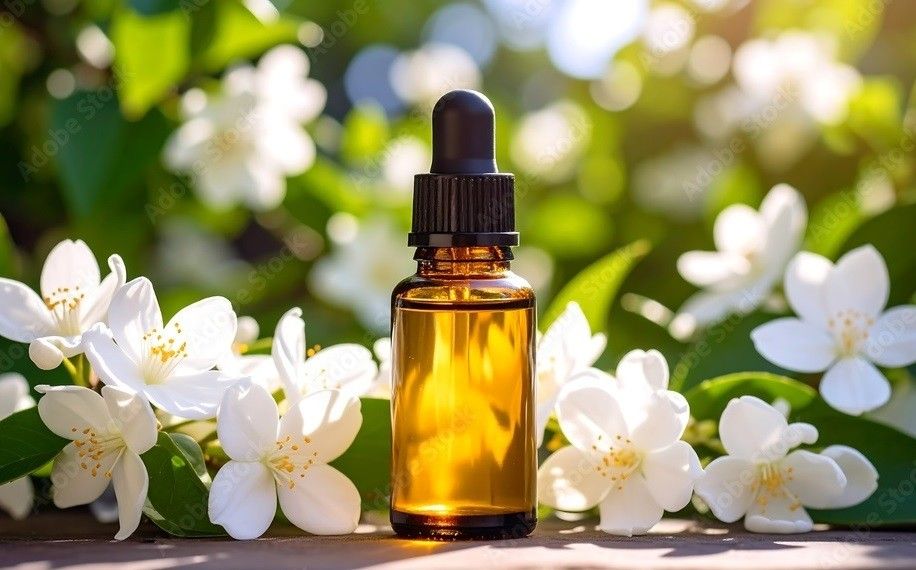
Jasmine oil, often referred to as the “Queen of Oils,” is a fragrant essential oil extracted from the delicate flowers of the jasmine plant. Known for its captivating aroma and therapeutic properties, jasmine oil has been cherished for centuries in aromatherapy, traditional medicine, and beauty rituals. This guide explores everything you need to know about jasmine oil—from its science-backed benefits and side effects to how to use it safely.
What is Jasmine Oil?
Jasmine oil is an essential oil derived from the flowers of the jasmine plant (Jasminum officinale or Jasminum sambac). It is widely used in aromatherapy, perfumes, cosmetics, and traditional medicine. The oil is prized for its sweet, floral fragrance and is known to have calming, mood-enhancing, and aphrodisiac properties.
There are two main methods of extracting jasmine oil:
- Solvent Extraction – Most common commercial method, producing an absolute oil with a strong fragrance.
- Steam Distillation – Less common due to the delicate nature of jasmine flowers; produces a more subtle aroma.
Jasmine oil contains bioactive compounds such as benzyl acetate, linalool, jasmone, and indole, which contribute to its therapeutic and aromatic properties.
Components of Jasmine Oil
| Nutrient / Compound | Amount (per 1 mL) | Benefits |
|---|---|---|
| Benzyl Acetate | ~50-60% | Anti-inflammatory, antimicrobial |
| Linalool | ~15-20% | Relaxing, stress-reducing |
| Jasmone | ~2-5% | Antidepressant, aphrodisiac |
| Indole | ~1-2% | Hormonal balance, skin benefits |
| Vitamin C | Trace | Antioxidant |
| Fatty acids | Trace | Skin hydration and nourishment |
Note: Jasmine oil is highly concentrated, and even small amounts can have potent effects.
20 Proven Benefits of Jasmine Oil
Jasmine oil offers numerous benefits for physical, mental, and emotional health. Here are 20 key benefits:
- Reduces Stress and Anxiety – The aroma of jasmine oil activates the parasympathetic nervous system, helping to reduce stress hormones and induce relaxation.
- Improves Mood – Inhaling oil can stimulate dopamine and serotonin release, helping combat feelings of sadness or depression.
- Aphrodisiac Properties – Jasmine oil is known to enhance sexual desire and intimacy by stimulating emotional and physical arousal.
- Promotes Better Sleep – Its calming effects can improve sleep quality, particularly for those with insomnia or restless nights.
- Boosts Immunity – The antibacterial and antiviral properties of jasmine oil can support the immune system and protect against infections.
- Supports Skin Health – Oil helps hydrate dry skin, reduces the appearance of scars, and improves overall skin elasticity.
- Fights Signs of Aging – Antioxidant properties help combat free radicals, reducing fine lines and wrinkles.
- Relieves Menstrual Discomfort – Jasmine oil can ease cramps and regulate menstrual cycles when used in massage therapy or aromatherapy.
- Enhances Hair Health – It strengthens hair follicles, reduces breakage, and improves scalp health.
- Aids in Digestion – Massaging the abdomen with diluted jasmine oil may improve digestion and relieve constipation.
- Alleviates Respiratory Issues – Inhalation can reduce symptoms of cough, cold, and congestion.
- Balances Hormones – Oil is believed to support hormonal balance, particularly in women experiencing menopause or PMS.
- Relieves Pain and Inflammation – Topical application can reduce muscle and joint pain, due to its anti-inflammatory effects.
- Boosts Confidence and Energy – The uplifting aroma can improve focus, energy levels, and self-confidence.
- Natural Antiseptic – Jasmine oil can help disinfect minor cuts, wounds, and skin infections.
- Supports Cardiovascular Health – Some studies suggest jasmine oil may reduce blood pressure and improve circulation.
- Reduces Respiratory Stress – Inhalation may ease breathing difficulties caused by stress or allergens.
- Enhances Meditation and Mindfulness – The soothing fragrance helps deepen meditation and yoga practices.
- Repels Insects Naturally – Oil can act as a natural insect repellent when diffused in living spaces.
- Promotes Emotional Healing – Its soothing aroma helps alleviate feelings of grief, loneliness, or emotional distress.
10 Side Effects of Jasmine Oil
Despite its numerous benefits, jasmine oil can cause side effects if misused or applied excessively.
- Skin Irritation – Direct application without dilution can cause redness, itching, or rashes.
- Allergic Reactions – Sensitive individuals may experience hives, swelling, or breathing difficulties.
- Photosensitivity – In some cases, jasmine oil may increase skin sensitivity to sunlight.
- Headaches – Overexposure to its strong fragrance may trigger headaches in some people.
- Nausea – Ingesting large quantities can cause nausea or upset stomach.
- Hormonal Effects – Overuse may interfere with hormone-sensitive conditions.
- Pregnancy Risks – Excessive use may trigger uterine contractions, so pregnant women should use it cautiously.
- Eye Irritation – Contact with eyes can cause burning or irritation.
- Respiratory Sensitivity – Inhaling undiluted jasmine oil may irritate the respiratory tract.
- Drug Interactions – Oil may interact with blood pressure or hormone medications if taken internally.
How to Use Jasmine Oil?
Oil can be used in multiple ways depending on your goals:
- Aromatherapy: Add a few drops to a diffuser to improve mood and reduce stress.
- Massage Oil: Mix with a carrier oil (like coconut or jojoba) for a relaxing massage.
- Bath Oil: Add a few drops to warm bath water for relaxation and skin hydration.
- Hair Treatment: Mix with shampoo or conditioner to nourish hair and scalp.
- Perfume: Jasmine oil can be used as a natural perfume due to its floral scent.
Other Uses of Jasmine Oil
- Home Fragrance: Diffuse to make your living space fragrant and calming.
- Natural Cleaning Agent: Add a few drops to cleaning solutions for antibacterial benefits.
- Meditation Aid: Use during yoga or mindfulness practices to enhance focus.
- Sleep Aid: Place a few drops on your pillow to promote restful sleep.
Tips for Consuming Jasmine Oil
- Oil is potent and should never be consumed undiluted.
- Always consult a healthcare provider before internal use.
- Use a carrier oil if taking internally to reduce irritation.
- Start with minimal doses to assess tolerance.
How to Take Jasmine Oil?
- Internally: Only a drop or two mixed with a carrier oil, honey, or warm water. Avoid direct consumption.
- Topically: Dilute 2–3 drops per tablespoon of carrier oil. Apply to skin or hair.
- Inhalation: Add 3–5 drops to a diffuser or inhale directly from a tissue.
How to Make Jasmine Oil at Home?
Ingredients:
- Fresh jasmine flowers (2 cups)
- Carrier oil (coconut, olive, or jojoba – 1 cup)
Method:
- Wash and pat dry jasmine flowers.
- Crush flowers slightly to release fragrance.
- Place flowers in a glass jar and cover with carrier oil.
- Seal the jar and leave it in a sunny spot for 2–3 weeks. Shake daily.
- Strain the oil using a cheesecloth and store in a dark bottle.
How Much Jasmine Oil Can You Use Per Day?
- Topical: 2–3 drops per tablespoon of carrier oil, once or twice daily.
- Aromatherapy: 3–5 drops in a diffuser, 15–30 minutes at a time.
- Internal Use: Only under professional guidance; 1–2 drops diluted.
Jasmine Oil Dosage
- Adults: 2–5 drops per day (topical or inhalation).
- Children: Use minimal amounts and only for inhalation; avoid internal use.
- Pregnant women: Only under supervision, and avoid oral consumption.
Best Time to Use Jasmine Oil
- Morning: To boost mood and energy.
- Evening: To relax and reduce stress before sleep.
- During Meditation or Yoga: To enhance focus and emotional calm.
Who Should Use Jasmine Oil?
- People experiencing stress, anxiety, or mild depression.
- Individuals seeking natural skin or hair care remedies.
- Those looking for a natural aphrodisiac.
- People practicing yoga, meditation, or aromatherapy.
Who Should Not Use Jasmine Oil?
- Individuals allergic to jasmine or similar floral oils.
- Pregnant women (without medical guidance).
- People with hormone-sensitive conditions.
- Children under 2 years (topical use should be very mild).
How to Store Jasmine Oil?
- Store in a dark, airtight glass bottle.
- Keep away from direct sunlight and heat.
- Avoid storing near strong-smelling substances to maintain fragrance.
- Proper storage can extend shelf life up to 2–3 years.
Precautions and Interactions
- Conduct a patch test before topical use.
- Do not ingest large amounts; may cause toxicity.
- Consult a doctor if using blood pressure, hormone, or antidepressant medications.
- Avoid using on broken or sensitive skin without dilution.
Final Thought
Jasmine oil is a luxurious and versatile essential oil with profound benefits for mind, body, and soul. Whether you use it for aromatherapy, skincare, hair care, or meditation, it’s important to use it responsibly to maximize its benefits while minimizing risks. By following safe practices and proper dosages, oil can become a valuable addition to your wellness routine.
FAQ’s
What is jasmine oil good for?
Oil helps reduce stress, improve mood, enhance skin and hair health, and can act as a natural aphrodisiac.
Is jasmine oil safe for children?
Children can use oil only for inhalation in minimal amounts. Avoid topical or internal use for young children without professional guidance.
Can jasmine oil be consumed orally?
Oral consumption is generally not recommended unless under medical supervision. If taken internally, it must be diluted in a carrier oil or food.
What does jasmine oil smell like?
It has a sweet, floral, and exotic fragrance that is calming and uplifting.
Can jasmine oil regrow hair?
Oil can strengthen hair follicles and reduce hair breakage, promoting healthier hair growth, but it is not a guaranteed hair regrowth solution.
What is jasmine oil used for?
Oil is primarily used for aromatherapy to reduce stress and anxiety, improve mood, and promote relaxation. It is also applied topically (diluted) for skincare, hair care, and to relieve muscle or joint pain. Additionally, it serves as a natural aphrodisiac and can enhance meditation or yoga practices.
Is jasmine oil safe during pregnancy?
Oil should be used with caution during pregnancy. While aromatherapy in small amounts is generally considered safe, topical or internal use should only be done under medical supervision, as excessive use may trigger uterine contractions.
Can I use jasmine oil every day?
Yes, oil can be used daily, but in small amounts and properly diluted. For aromatherapy, 3–5 drops in a diffuser are sufficient, and for topical use, 2–3 drops mixed with a carrier oil is recommended to avoid skin irritation.
What does jasmine oil taste like?
Oil has a strong, sweet, and floral flavor. It is extremely concentrated, so it is generally not consumed directly. If taken internally, it must be properly diluted and used under professional guidance.
Can you put jasmine oil on your skin?
Yes, but it should always be diluted with a carrier oil like coconut, jojoba, or almond oil before applying to the skin. Direct application may cause irritation or allergic reactions, especially for sensitive skin.
Why is jasmine oil so expensive?
Oil is costly because it requires thousands of flowers to produce just a small amount of oil. The extraction process is labor-intensive, often done manually, and the flowers are delicate, making it a premium essential oil.
What are the benefits of smelling jasmine oil?
Inhaling oil can reduce stress, elevate mood, promote relaxation, and even boost energy and confidence. Its aroma is also believed to enhance emotional healing and act as a natural aphrodisiac.
Does jasmine oil clog pores?
When used in diluted form, oil is generally non-comedogenic and should not clog pores. However, using it in concentrated form or mixing with heavy oils may cause breakouts for acne-prone skin.
How long should you leave jasmine oil in your hair?
For best results, leave diluted oil in your hair for 30 minutes to 1 hour before washing. For deep conditioning, it can be left overnight using a shower cap, then washed out in the morning.
Which is better, coconut oil or jasmine oil?
Coconut oil is mainly used as a carrier oil for hydration, hair nourishment, and general skin health, while jasmine oil is primarily used for its aromatic and therapeutic benefits. For hair and skin care, a combination of both is often ideal—coconut oil for moisture and oil for fragrance and additional healing properties.
Also Read: