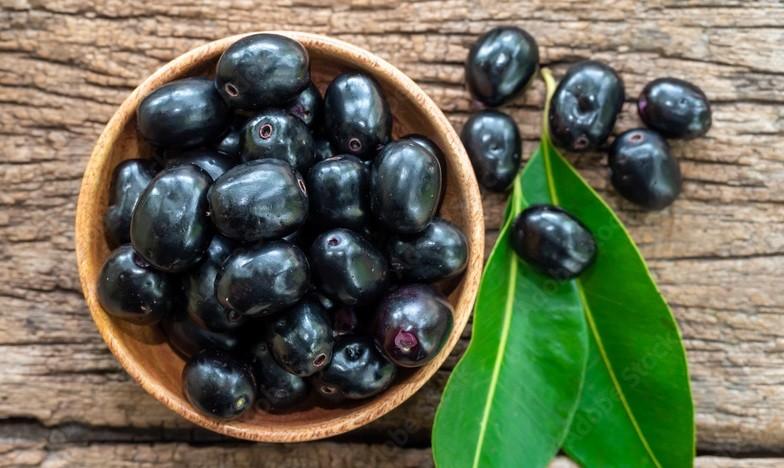
Java Plum, popularly known as Jamun in India, is one of those seasonal fruits that instantly remind many of childhood summers, purple-stained tongues, and the sweet–tart burst of flavor that makes this fruit unforgettable. But beyond its nostalgic charm, Java plum is a nutritional treasure that has been celebrated in Ayurveda for centuries. From supporting blood sugar control to boosting digestion, improving skin health, and enhancing overall wellness, this deep purple fruit offers far more than just great taste.
Whether you’re curious about its impressive medicinal uses, wondering how much you should eat daily, or simply exploring healthier food choices, this guide covers everything you need to know about Java plum. You’ll find its complete nutrition profile, 20 science-backed benefits, possible side effects, the best ways to eat it, and tips on who should or shouldn’t consume it.
What Is Java Plum?
Java plum, commonly known as Jamun, Black Plum, Indian Blackberry, or Malabar Plum, is a tropical fruit native to India and Southeast Asia. Its scientific name is Syzygium cumini.
The fruit has a deep purple to almost black skin with pinkish-white flesh that tastes a little sweet, a little sour, and sometimes slightly astringent. It is loved for its juicy texture and the purple stain it leaves on the tongue.
Java plum trees are evergreen, long-living, and capable of producing hundreds of fruits each season. Every part of the tree, including the fruit, seed, bark, and leaves, is used in Ayurvedic and Unani medicine.
Jamun is best known for its role in managing blood sugar, due to a naturally occurring compound called jamboline, which slows down starch conversion into sugar.
Nutrition Facts of Java Plum
| Nutrient | Amount (per 100 g) |
|---|---|
| Calories | 60–62 kcal |
| Carbohydrates | 14 g |
| Protein | 0.7 g |
| Fat | 0.2 g |
| Fiber | 0.6 g |
| Vitamin C | 18 mg |
| Vitamin A | Trace |
| Folate | 3 mcg |
| Potassium | 55 mg |
| Calcium | 15 mg |
| Magnesium | 10 mg |
| Iron | 1.4 mg |
| Antioxidants | High |
Java plum is low in calories, rich in antioxidants, contains natural sugars, and provides minerals like potassium and iron—making it a truly nutrient-dense fruit.
20 Proven Health Benefits of Java Plum
Here are the most valuable, research-backed health benefits of Java plum:
1. Helps Manage Blood Sugar Levels
Jamun contains jamboline and jambosine, natural compounds that slow down sugar release into the bloodstream. It also increases insulin sensitivity.
2. Supports Weight Loss
With low calories and high fiber, Java plum helps you feel full longer and reduces unnecessary snacking.
3. Boosts Immunity
Vitamin C, antioxidants, and natural plant compounds strengthen the body’s defense system.
4. Improves Digestion
Jamun helps reduce acidity, bloating, and indigestion. It also stimulates digestive enzymes.
5. Good for Skin Health
Its antioxidants help fight dullness, pigmentation, and acne-causing bacteria.
6. Supports Healthy Blood Production
Jamun is a good source of iron, which supports hemoglobin and prevents mild anemia.
7. Enhances Heart Health
Potassium and antioxidants help regulate blood pressure and protect arteries from damage.
8. Reduces Acidity and Gastric Problems
Java plum is naturally cooling and helps neutralize excess stomach acidity.
9. Excellent for Oral Health
Jamun has antibacterial properties that help reduce gum infections and mouth ulcers.
10. Helps Detoxify the Body
The fruit supports liver function and promotes elimination of toxins naturally.
11. Good for Kidney Health
Jamun is low in sodium and helps support kidney function by reducing fluid retention.
12. Anti-inflammatory Properties
It may help reduce inflammation in joints and muscles and is sometimes used for arthritis support.
13. Improves Eye Health
The fruit contains trace amounts of vitamin A and antioxidants that support overall eye function.
14. Supports Healthy Metabolism
It contains vitamins and minerals that help improve the body’s metabolic processes.
15. Helps Control Cholesterol
Jamun supports healthy lipid balance and improves good cholesterol levels.
16. Promotes Healthy Skin Healing
Its astringent properties help reduce pimples and heal minor skin issues faster.
17. Beneficial for the Liver
Java plum supports regeneration of liver cells and reduces the risk of fatty liver.
18. Can Prevent Seasonal Infections
Its antimicrobial effects help reduce the risk of viral and bacterial infections.
19. Improves Gut Microbiome
The fiber content nourishes good bacteria in the intestine.
20. Helps Reduce Water Retention
Its natural diuretic effect reduces bloating and swelling.
10 Side Effects of Java Plum
While Java plum is safe for most people, excessive consumption or specific health conditions may lead to side effects.
1. May Lower Blood Sugar Too Much
People on diabetes medication may experience hypoglycemia if they consume large amounts.
2. Can Cause Constipation
Overeating the fruit, especially unripe ones, may lead to constipation.
3. May Lead to Stomach Discomfort
Some people may feel bloating or a heavy stomach.
4. Allergic Reactions
Although rare, a few people may experience itching or swelling.
5. May Stain Teeth
Frequent consumption can temporarily stain teeth and tongue.
6. Not Suitable After Surgery
It can lower blood sugar, which may delay recovery from surgery.
7. Can Interfere with Diabetes Medication
Jamun can enhance the effect of diabetes drugs, causing sugar levels to drop too low.
8. May Cause Fever or Body Chills if Eaten with Milk
Traditional belief says combining Jamun with milk can cause digestive issues.
9. Hard Seeds Can Be a Choking Risk
Especially for children.
10. Might Cause Excessive Dryness in Mouth
Its astringent nature may cause temporary dryness.
How to Eat Java Plum?
Java plum can be enjoyed in many simple and delicious ways:
- Eat the fruit fresh after washing
- Sprinkle a little salt or black salt to balance the astringent taste
- Make fresh juice or smoothies
- Add it to fruit salads
- Prepare Jamun vinegar (traditional recipe)
- Use it in chutneys and sauces
- Make Jamun sherbet during summers
- Use powdered Jamun seeds in herbal remedies
The simplest way remains eating it raw because that’s when you get the highest nutrient value.
Tips for Consuming Java Plum
Here are some helpful tips to make the most of this fruit:
- Eat it fresh and ripe for best taste and benefits
- Avoid eating the fruit on an empty stomach if you have acidity
- Do not drink water immediately after eating it (may cause stomach issues)
- If you have diabetes, monitor your sugar levels after consumption
- Do not overeat; it can cause constipation
- Always wash thoroughly before eating to remove dust and chemicals
- Choose fruits that are firm, plump, and dark purple
Other Uses of Java Plum
Java plum is not only eaten as a fruit; it has several traditional and medicinal uses:
- Seed powder is used in Ayurveda for managing diabetes
- Leaves are used for oral health and wound healing
- Bark extract is used for diarrhea
- Jamun vinegar is used for digestion support
- Wood from the tree is used for furniture and tools
- Fruit pulp is used in desserts, jams, and ice creams
- Dehydrated Jamun is used in herbal capsules
How Much Java Plum Can You Eat in a Day?
Most adults can safely eat 8 to 10 Jamun fruits a day, which equals roughly 100 to 150 grams.
People with diabetes should limit intake to 4 to 6 fruits a day, depending on their sugar levels.
Overeating should be avoided because it can cause acidity, constipation, or low blood sugar.
Best Time to Eat Java Plum
The best time to eat Java plum is:
- Mid-morning (10 am to 12 pm)
- Afternoon snack time
Avoid eating Jamun:
- On an empty stomach
- Late at night
- Immediately before or after drinking water
Eating it during hot summer months also helps cool the body naturally.
Who Should Eat Java Plum?
Java plum is beneficial for:
- People with high blood sugar
- Individuals with digestive issues
- Those who want to lose weight
- People with low hemoglobin
- Individuals with acidity problems
- People with frequent infections
- Those looking for antioxidant-rich foods
- People with heart health concerns
Who Should Not Eat Java Plum?
Avoid or limit Java plum if you:
- Have very low blood sugar
- Are taking strong diabetes medications
- Recently had surgery
- Experience frequent constipation
- Have an allergy to the fruit
- Are pregnant and experiencing severe acidity
- Are advised by a doctor to avoid astringent foods
How to Store Java Plum?
To keep Java plum fresh for several days:
- Store fresh fruits in the refrigerator in an open bowl or breathable bag
- Avoid washing before storage; moisture causes faster spoilage
- Wash only before eating
- For long-term storage, you can freeze the fruit after removing seeds
- Juice can be refrigerated for 1 to 2 days
- Jamun vinegar lasts for months in a cool place
Precautions and Interactions
Here are some important points to remember:
- If you have diabetes, monitor blood sugar while eating Jamun
- Avoid combining Jamun with milk or dairy products
- Do not eat too many unripe fruits
- Consult a doctor if you have chronic digestive issues
- Jamun seed powder should not be taken without medical guidance
- If taking blood pressure or diabetes medications, avoid excess consumption
- People recovering from surgery should avoid it temporarily
Final Thoughts
Java plum is one of nature’s simple gifts that combines taste, nutrition, and medicinal value. Whether you love its sweet-sour flavor or rely on it for its blood sugar-lowering effects, Jamun is a fruit that truly deserves a place in your diet.
Moderation is key, and awareness of how it interacts with your health can help you enjoy it safely and effectively. So the next time you spot those dark purple gems on a fruit cart, you’ll know they’re much more than a childhood treat—they’re a powerhouse of health benefits wrapped in a delicious bite.
FAQ’s
What does Java plum taste like?
Java plum has a unique sweet, slightly sour, and mildly astringent taste. The riper the fruit, the sweeter and juicier it becomes, while unripe ones can taste more tart and dry the mouth a little.
Can Java plum be eaten raw?
Yes, Java plum can be eaten raw and is most commonly enjoyed that way. Simply wash the fruit, sprinkle a little salt if you prefer, and eat it fresh for maximum nutrients.
What is Java plum good for?
Java plum is good for managing blood sugar levels, improving digestion, boosting immunity, supporting heart health, and helping with weight management. It is also rich in antioxidants that protect the body from damage caused by free radicals.
Is Java plum rich in iron?
Yes, Java plum contains a decent amount of iron, which helps support hemoglobin levels and can be beneficial for people with low iron or mild anemia.
Is Java plum toxic?
No, Java plum itself is not toxic and is safe to eat for most people. However, eating it in extremely large amounts or consuming unripe fruits may cause digestive discomfort. Some people may also be allergic, but this is rare.
Is Java plum good for diabetes?
Yes. Java plum contains jamboline and jambosine, natural compounds that help slow down sugar absorption and support healthy blood glucose levels. People with diabetes should still monitor their readings regularly.
Can I eat Java plum every day?
Yes, you can eat Java plum daily in moderation. Around 8 to 10 fruits a day is safe for most adults. People with diabetes should limit intake to 4 to 6 fruits.
Can pregnant women eat Java plum?
Yes, pregnant women can eat Java plum in small amounts. However, if they have acidity, low blood sugar, or digestive sensitivities, they should eat it cautiously.
Does Java plum cause constipation?
It can in some people, especially when eaten in large quantities or when the fruit is unripe. Moderation prevents this risk.
Is Java plum good for weight loss?
Yes. It is low in calories, high in fiber, and naturally filling, making it a good fruit for weight management.
Are Java plum seeds edible?
The seeds are not eaten directly, but they are dried and ground into powder for traditional remedies, especially for diabetes. Seed powder should be used only after medical advice.
Can children eat Java plum?
Yes, children can eat black plum. Just make sure to supervise them because the seeds can be a choking hazard.
Also Read: