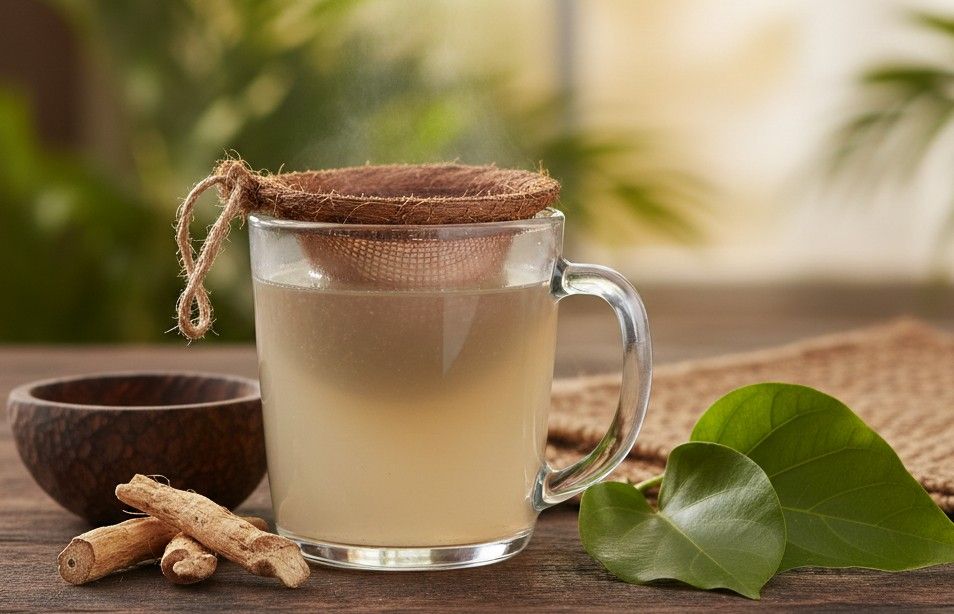
Kava tea has gained global popularity as a natural beverage associated with relaxation, stress relief, and cultural tradition. Derived from the roots of the kava plant, this herbal drink has been consumed for centuries across Pacific Island communities and is now increasingly explored for wellness purposes worldwide. However, alongside its potential benefits come important considerations regarding safety, moderation, and individual suitability. This guide covers everything you need to know about kava tea — from what it is and its proven health benefits, preparation methods, side effects, and responsible consumption.
What is Kava Tea?
Kava tea is a traditional herbal beverage made from the ground or powdered roots of the plant Piper methysticum, a shrub native to the South Pacific islands such as Fiji, Vanuatu, Tonga, and Samoa. The name “kava” translates to “bitter,” reflecting the earthy taste of the drink.
Traditionally, kava roots are crushed, mixed with water, and strained to produce a cloudy, mildly sedative beverage used during ceremonies and social gatherings. The active compounds in kava, known as kavalactones, are responsible for its calming effects on the nervous system. These compounds interact with brain receptors associated with mood regulation and relaxation, which explains why kava tea is often consumed as a natural alternative to unwind after stressful days.
Modern preparation methods often involve powdered kava steeped in hot water to create a tea-like infusion, making it accessible beyond its cultural origins. While kava tea is not considered a nutritional beverage in the traditional sense, its phytochemical content contributes to its therapeutic potential.
Components of Kava Tea
Kava tea is low in calories and does not serve as a significant source of macronutrients. Instead, its value lies in its bioactive compounds.
| Nutrient / Compound | Approximate Amount (per cup) | Role |
|---|---|---|
| Calories | 5–10 kcal | Minimal energy contribution |
| Carbohydrates | <1 g | Trace amounts from plant material |
| Protein | 0 g | Negligible |
| Fat | 0 g | Negligible |
| Kavalactones | 50–250 mg | Active compounds responsible for calming effects |
| Flavokavains | Trace | Antioxidant-related compounds |
| Minerals | Trace amounts | Includes small levels of potassium and magnesium |
| Water Content | High | Hydration support |
Note: Nutritional values vary based on preparation strength and root quality.
20 Science-Backed Benefits of Kava Tea
- Supports relaxation: Kava tea contains kavalactones that may help calm the nervous system and promote relaxation without strong sedation.
- May reduce anxiety symptoms: Clinical studies suggest kava extracts can reduce mild to moderate anxiety when consumed appropriately.
- Improves sleep quality: Its calming effect may assist individuals struggling with occasional sleeplessness or restlessness.
- Helps stress management: Drinking kava tea can encourage a sense of mental ease during stressful periods.
- Enhances mood balance: Kava compounds may positively influence neurotransmitters related to mood stability.
- Muscle relaxation support: Traditional use indicates kava may reduce physical tension and muscle tightness.
- May reduce restlessness: The beverage can promote mental calmness and reduce agitation.
- Promotes social comfort: Historically used in communal gatherings, kava may foster sociability and ease communication.
- Non-addictive relaxation alternative: Compared to alcohol, kava tea offers relaxation without intoxication when consumed moderately.
- May assist focus under stress: Some individuals experience improved mental clarity after calming effects take hold.
- Supports emotional resilience: Regular controlled intake may help individuals cope better with emotional stressors.
- Possible pain perception reduction: Preliminary findings indicate mild analgesic properties.
- Supports menopausal comfort: Some research links kava use to improved mood during hormonal changes.
- May help mild headaches: Relaxation effects could contribute to reduced tension headaches.
- Digestive calmness: Traditional users sometimes report relief from stress-related stomach discomfort.
- Antioxidant activity: Plant compounds may contribute to cellular protection.
- Encourages mindfulness routines: Preparation rituals promote intentional relaxation practices.
- May reduce nervous tension before events: Used by some as a calming drink before presentations or social activities.
- Supports holistic wellness: Incorporation into relaxation routines can enhance overall well-being.
- Cultural connection: Drinking kava tea provides exposure to traditional Pacific herbal practices.
10 Side Effects of Kava Tea
- Liver health concerns: Excessive or prolonged use has been associated with liver complications in rare cases.
- Drowsiness: Sedative effects may impair alertness or coordination.
- Headaches: Some individuals report mild headaches after consumption.
- Digestive discomfort: Nausea or stomach upset can occur in sensitive individuals.
- Skin dryness: Heavy long-term use may cause flaky or dry skin conditions.
- Reduced motor skills: Reaction time and coordination may temporarily decline.
- Interaction with medications: It may interfere with certain prescriptions, especially sedatives.
- Allergic reactions: Rare but possible in susceptible individuals.
- Dizziness: Lightheadedness may occur at higher doses.
- Dependence risk with misuse: Though lower than alcohol, excessive reliance on calming effects is possible.
How to Make Kava Tea?
Traditional Preparation Method:
- Measure 1–2 tablespoons of powdered kava root.
- Place the powder in a straining cloth or filter.
- Add warm water (not boiling).
- Knead and squeeze the mixture for several minutes.
- Strain into a bowl or cup.
- Serve immediately.
Quick Tea Method:
- Boil water and allow it to cool slightly.
- Add kava powder or tea bag to a cup.
- Steep for 5–10 minutes.
- Strain if necessary and drink fresh.
The traditional kneading method is believed to extract more kavalactones compared to simple steeping.
Other Uses of Kava Tea
Beyond consumption as a beverage, kava tea has several alternative uses:
- Added to relaxation rituals such as meditation sessions.
- Used in cultural ceremonies or social gatherings.
- Applied in some herbal practices as a mild topical preparation.
- Consumed as part of evening wellness routines.
- Incorporated into herbal blends with complementary calming herbs.
How Much Kava Tea Can You Drink a Day?
Moderation is essential. General guidelines suggest:
- Occasional use: 1 cup per day
- Short-term wellness use: Up to 2 cups daily under professional guidance
- Avoid excessive intake: High or frequent doses may increase risk of side effects
Individuals should always consider body weight, tolerance, and medical history before determining appropriate intake.
Tips for Consuming Kava Tea
- Start with small amounts to gauge tolerance.
- Avoid mixing with alcohol or sedatives.
- Choose high-quality, reputable kava products.
- Drink on an empty or lightly filled stomach for better absorption.
- Stay hydrated alongside consumption.
- Monitor body responses after intake.
- Avoid daily long-term use without guidance.
Best Time to Drink Kava Tea
- Evening relaxation periods
- Before meditation or mindfulness practices
- After stressful workdays
- Prior to bedtime when seeking calmness
Avoid consuming before driving, working with machinery, or performing tasks requiring alertness.
Who Should Drink Kava Tea?
Kava tea may suit:
- Adults seeking natural relaxation methods
- Individuals managing mild stress or occasional anxiety
- People exploring herbal wellness traditions
- Those avoiding alcohol but wanting calming alternatives
It is always recommended to consult a health professional before regular use.
Who Should Not Drink Kava Tea?
Certain groups should avoid it entirely:
- Pregnant or breastfeeding individuals
- People with liver conditions
- Individuals on sedative medications
- Those with substance sensitivity
- Children or adolescents
- People scheduled for surgery soon
Precautions and Interactions
- Consult a healthcare provider before use if taking medication.
- Avoid combining with alcohol or other depressants.
- Monitor liver health during extended use.
- Stop use immediately if unusual symptoms occur.
- Purchase products from trusted sources to ensure safety and purity.
- Follow dosage instructions carefully.
- Avoid using as a substitute for prescribed mental health treatments.
Conclusion
Kava tea offers a fascinating blend of cultural heritage and modern wellness interest. Known for its calming properties, it has the potential to support relaxation, reduce stress, and enhance evening routines when used responsibly. However, like many herbal remedies, it requires mindful consumption and awareness of possible risks.
Understanding proper preparation, safe intake levels, and personal suitability ensures that individuals can explore kava tea thoughtfully and responsibly. With moderation, informed choices, and professional guidance where needed, kava tea can be an intriguing addition to holistic lifestyle practices.
FAQ’s
What does kava tea taste like?
Kava tea typically has an earthy, slightly bitter flavor with a mild numbing sensation on the tongue, which is considered normal due to its active compounds.
Is kava tea safe to drink every day?
Occasional moderate consumption may be safe for many healthy adults, but daily long-term use is generally not recommended without consulting a healthcare professional due to potential liver concerns.
Does kava tea make you sleepy?
Kava tea can promote relaxation and mild drowsiness in some individuals, which is why it is often consumed in the evening or before bedtime.
How long does it take for kava tea to work?
Most people begin to feel calming effects within 20 to 40 minutes after consumption, though this can vary depending on preparation strength and individual tolerance.
Can kava tea help with anxiety?
Some research suggests kava may support reduction of mild to moderate anxiety symptoms, but it should not replace professional treatment or prescribed medication.
Is kava tea addictive?
Kava is generally considered to have a low risk of addiction when used responsibly, though overuse or reliance for stress management is discouraged.
Can you mix kava tea with alcohol?
No, combining kava tea with alcohol is unsafe and may increase the risk of liver strain and excessive sedation.
Is kava tea legal everywhere?
Regulations vary by country, and some regions restrict or regulate kava products, so checking local guidelines before purchasing is advisable.
Can beginners drink kava tea?
Yes, beginners can try it in small amounts to assess tolerance, preferably using mild preparations and monitoring body response.
Does kava tea have caffeine?
No, kava tea is naturally caffeine-free, making it suitable for those avoiding stimulants.
How should kava tea be stored?
Store kava powder or tea in a cool, dry, airtight container away from sunlight to maintain potency and freshness.
What is Kava Tea made from?
Kava tea is made from the dried and ground roots of the Piper methysticum plant, a shrub native to the South Pacific. The root powder is mixed with water or steeped to extract naturally occurring compounds called kavalactones, which give the tea its calming properties.
How should Kava Tea be stored?
Kava tea powder or dried root should be stored in an airtight container in a cool, dry place away from heat, moisture, and direct sunlight. Proper storage helps preserve potency and prevents contamination or spoilage.
Is Kava Tea safe for pregnant women?
No, kava tea is not recommended for pregnant women. Its active compounds may pose potential risks to fetal development, and there is insufficient research confirming safety during pregnancy.
Is Kava Tea safe for children?
Kava tea is generally not considered suitable for children due to its sedative effects and lack of established safety guidelines for younger age groups.
What is Kava Tea good for?
Kava tea is commonly used to promote relaxation, reduce mild stress or anxiety, support better sleep, and encourage mental calmness. It is also valued for its traditional cultural significance and role in social and ceremonial practices.
Also Read: