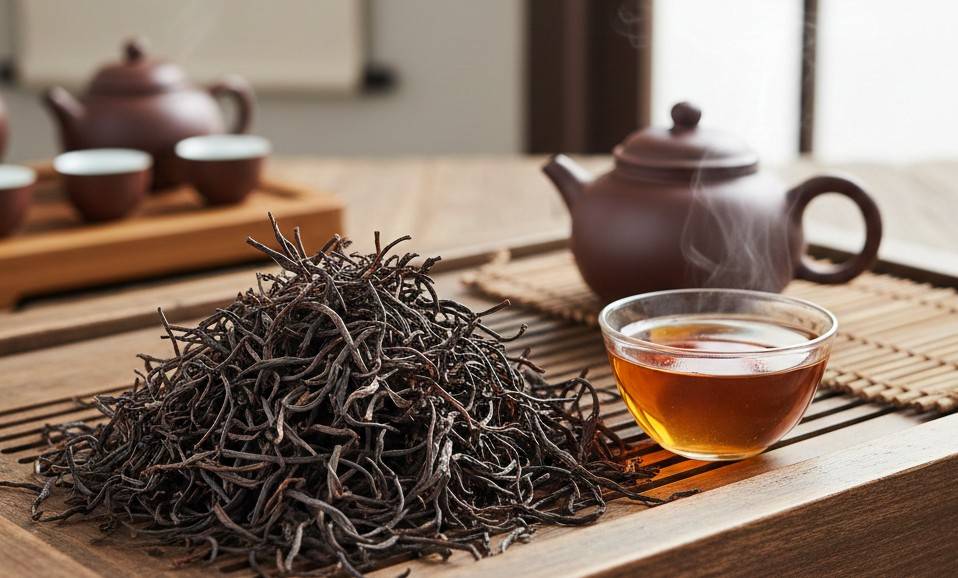
Keemun tea is one of the world’s most celebrated black teas, known for its rich aroma, smooth body, and refined flavor. Originating in eastern China, this tea has earned a reputation among tea enthusiasts and researchers alike for both its sensory qualities and its potential health benefits. Beyond taste, Keemun tea contains bioactive compounds that have drawn scientific attention for their antioxidant, metabolic, and cognitive effects. This guide explores what Keemun tea is, its nutritional profile, proven health benefits and side effects, preparation methods, ideal consumption habits, and safety considerations.
What is Keemun Tea?
Keemun tea is a premium black tea produced in Qimen County in the Anhui province of China. It is made from the leaves of the Camellia sinensis plant and undergoes full oxidation, which gives black tea its characteristic dark color and complex flavor profile.
Unlike many robust black teas, Keemun tea is known for its subtlety. It typically has floral, fruity, or slightly smoky notes and a smooth, mellow finish. Because of these qualities, it is often used in high-quality blends, including English breakfast teas.
Historically, Keemun tea production began in the late 19th century, and its popularity quickly spread across Europe due to its refined character and adaptability for blending. Today, it remains a staple among connoisseurs who appreciate delicate black teas.
Key characteristics include:
- Deep reddish-amber infusion
- Aromatic profile often described as wine-like or orchid-like
- Moderate caffeine content
- Rich polyphenol and flavonoid composition
These properties make Keemun tea both enjoyable and potentially beneficial from a nutritional standpoint.
Nutritional Facts of Keemun Tea
The nutritional composition of brewed Keemun tea depends on preparation strength and leaf quantity. The values below represent approximate amounts per 1 cup (240 ml) of unsweetened brewed tea.
| Nutrient / Compound | Approximate Amount |
|---|---|
| Calories | 2 |
| Protein | 0 g |
| Fat | 0 g |
| Carbohydrates | 0 g |
| Caffeine | 40–60 mg |
| Polyphenols | 100–200 mg |
| Catechins | Trace–Moderate |
| Theaflavins | Present |
| Fluoride | 0.3–0.5 mg |
| Potassium | 20–40 mg |
| Manganese | 0.5 mg |
| Antioxidants | High |
While Keemun tea contributes minimal macronutrients, its value lies in micronutrients and phytochemicals that may support physiological functions.
20 Science-Backed Benefits of Keemun Tea
1. Rich in Antioxidants
The polyphenols in Keemun tea help neutralize free radicals and reduce oxidative stress.
2. Supports Heart Health
Regular black tea consumption has been associated with improved cholesterol balance and cardiovascular markers.
3. May Lower Blood Pressure
Compounds in black tea may contribute to modest reductions in systolic and diastolic pressure.
4. Promotes Mental Alertness
Caffeine and L-theanine together enhance focus and sustained attention.
5. Supports Digestive Function
Traditional use and studies suggest black tea can help regulate gut activity and microbial balance.
6. Helps Manage Weight
Black tea polyphenols may support metabolism and fat oxidation when combined with a balanced lifestyle.
7. Enhances Immune Response
Antioxidants can strengthen immune defenses against oxidative damage.
8. Protects Oral Health
The fluoride and antimicrobial compounds may reduce harmful oral bacteria.
9. Improves Skin Health
Antioxidants contribute to reduced cellular damage and potential skin aging support.
10. Supports Bone Strength
Manganese and tea compounds have been linked to improved bone density in some observational studies.
11. May Reduce Stroke Risk
Population research suggests habitual tea drinkers may have lower stroke incidence.
12. Supports Blood Sugar Regulation
Black tea compounds may enhance insulin sensitivity and glucose metabolism.
13. Promotes Cognitive Function
Regular tea intake has been associated with improved memory and reduced cognitive decline risk.
14. Anti-Inflammatory Effects
Polyphenols can help reduce inflammatory markers in the body.
15. May Protect Against Certain Cancers
Antioxidant activity has been studied for its role in lowering risk factors associated with cancer development.
16. Supports Liver Health
Certain tea compounds may assist detoxification processes.
17. Helps Hydration
Despite caffeine content, moderate tea intake contributes to daily fluid needs.
18. Mood Enhancement
L-theanine may promote relaxation and stress reduction.
19. Metabolic Support
Tea polyphenols can aid enzymatic processes related to metabolism.
20. Longevity-Associated Lifestyle Habit
Habitual tea drinking is often correlated with healthier lifestyle patterns and improved health markers.
10 Side Effects of Keemun Tea
1. Caffeine-Related Insomnia
Excess consumption may disrupt sleep patterns.
2. Increased Heart Rate
High caffeine intake can lead to palpitations in sensitive individuals.
3. Digestive Irritation
Strong tea may irritate the stomach lining.
4. Iron Absorption Interference
Tannins can reduce absorption of non-heme iron from plant foods.
5. Anxiety or Nervousness
Caffeine may exacerbate anxiety symptoms.
6. Headaches
Overconsumption can trigger caffeine-related headaches.
7. Dependency Symptoms
Habitual intake may lead to mild withdrawal effects.
8. Pregnancy Concerns
Excess caffeine intake may not be suitable during pregnancy.
9. Medication Interactions
Tea compounds may affect drug metabolism.
10. Tooth Staining
Dark pigments can stain dental enamel over time.
How to Make Keemun Tea?
- Boil fresh water and allow it to cool slightly to about 90–95°C.
- Add 1 teaspoon of loose Keemun tea leaves per cup to a teapot or infuser.
- Pour hot water over the leaves.
- Steep for 3–5 minutes depending on desired strength.
- Strain and serve plain or with milk or lemon if preferred.
Avoid over-steeping, as this can produce bitterness.
Other Uses of Keemun Tea
- Culinary ingredient for desserts and marinades
- Flavoring for syrups or baked goods
- Natural dye for fabrics or paper
- Aromatic addition to potpourri blends
- Base for iced tea or mocktail beverages
How Much Keemun Tea Can You Drink a Day?
For most healthy adults, consuming 2–4 cups per day is considered moderate and safe. This range keeps caffeine intake within recommended daily limits while allowing access to beneficial compounds.
Individual tolerance varies, so sensitivity to caffeine or medical conditions should be considered.
Tips for Consuming Keemun Tea
- Choose high-quality loose leaves for best flavor and benefits
- Avoid excessive sugar additions
- Store tea in airtight containers away from moisture
- Drink between meals to minimize iron absorption issues
- Monitor caffeine intake alongside other sources
Best Time to Drink Keemun Tea
- Morning or early afternoon for alertness
- Before work or study sessions for focus
- After meals for digestive comfort
Avoid late evening consumption to prevent sleep disruption.
Who Should Drink Keemun Tea?
- Adults seeking a flavorful, moderate-caffeine beverage
- Individuals interested in antioxidant-rich diets
- Students or professionals needing mental focus
- Tea enthusiasts exploring refined black tea varieties
Who Should Not Drink Keemun Tea?
- People sensitive to caffeine
- Pregnant individuals limiting caffeine intake
- Those with severe acid reflux or ulcers
- Individuals with iron deficiency anemia
- People advised by healthcare providers to restrict stimulants
Precautions and Interactions
- Consult a healthcare professional if taking stimulant medications
- Monitor intake when using blood pressure or anticoagulant drugs
- Avoid excessive consumption during pregnancy
- Maintain balanced hydration alongside tea intake
- Adjust serving size if experiencing adverse effects
Conclusion
Keemun tea represents more than a beverage — it embodies centuries of craftsmanship and offers potential health advantages backed by nutritional science. With its delicate flavor, moderate caffeine level, and antioxidant richness, it can fit comfortably into a balanced lifestyle when consumed thoughtfully.
Understanding its preparation, benefits, and limitations allows individuals to enjoy Keemun tea safely and fully. Like all dietary components, moderation and awareness of personal health conditions remain essential for maximizing positive outcomes.
FAQ’s
What does Keemun tea taste like?
Keemun tea has a smooth, refined flavor often described as floral, fruity, or slightly smoky, with subtle wine-like notes and very little bitterness when brewed correctly.
Is Keemun tea the same as regular black tea?
Keemun tea is a type of black tea, but it is considered premium due to its unique aroma, delicate character, and specific origin and processing methods.
Is Keemun tea good for weight loss?
Keemun tea may support metabolism and fat oxidation due to its polyphenols and caffeine, but it should complement a balanced diet and exercise rather than replace them.
Can Keemun tea help digestion?
Some people find that black tea aids digestion, as its compounds may support gut balance and reduce mild digestive discomfort.
How is Keemun tea different from other Chinese teas?
Keemun tea stands out for its delicate aroma and smooth taste compared to stronger or more astringent black teas produced in other regions.
Can you drink Keemun tea every day?
Yes, most healthy adults can safely drink 2–4 cups daily, provided caffeine tolerance and medical conditions are considered.
Should Keemun tea be taken with milk or plain?
It can be enjoyed either way; traditional preparation is plain, but milk or lemon may be added based on personal preference.
Is Keemun tea suitable during pregnancy?
Pregnant individuals should limit caffeine intake and consult a healthcare provider before including Keemun tea regularly.
Does Keemun tea stain teeth?
Like most dark teas, regular consumption may cause staining due to natural pigments, but good oral hygiene can reduce this effect.
Can Keemun tea improve focus?
Yes, the combination of caffeine and L-theanine may promote concentration and mental clarity.
Is iced Keemun tea healthy?
Unsweetened iced Keemun tea retains most of its beneficial compounds and can be a refreshing, low-calorie beverage option.
How long should Keemun tea be steeped?
Typically 3–5 minutes is recommended to balance flavor and avoid bitterness.
Is Keemun tea safe for children?
Because of its caffeine content, it is generally not recommended for young children or should be given only in small amounts.
What is Keemun Tea made from?
Keemun tea is made from the leaves of the Camellia sinensis plant, the same plant used to produce all true teas, and it undergoes full oxidation to create its characteristic black tea flavor and color.
How long does it take for Keemun Tea to work?
The stimulating effects from caffeine, such as increased alertness, typically begin within 15–45 minutes after drinking, while broader health benefits associated with antioxidants depend on consistent long-term consumption rather than immediate effects.
How should Keemun Tea be stored?
Keemun tea should be stored in an airtight container in a cool, dry, dark place away from moisture, light, and strong odors to preserve flavor and quality.
What is Keemun Tea good for?
Keemun tea is valued for supporting mental alertness, providing antioxidants, contributing to hydration, and potentially aiding heart health, metabolism, and overall wellness when consumed moderately.
Where does Keemun tea come from?
Keemun tea originates from Qimen County in Anhui Province in
China, where it has been traditionally produced since the late 19th century.
How much caffeine is in Keemun tea?
A typical cup of brewed Keemun tea contains approximately 40–60 mg of caffeine, though the exact amount varies depending on leaf quantity, steeping time, and brewing strength.
Also Read: