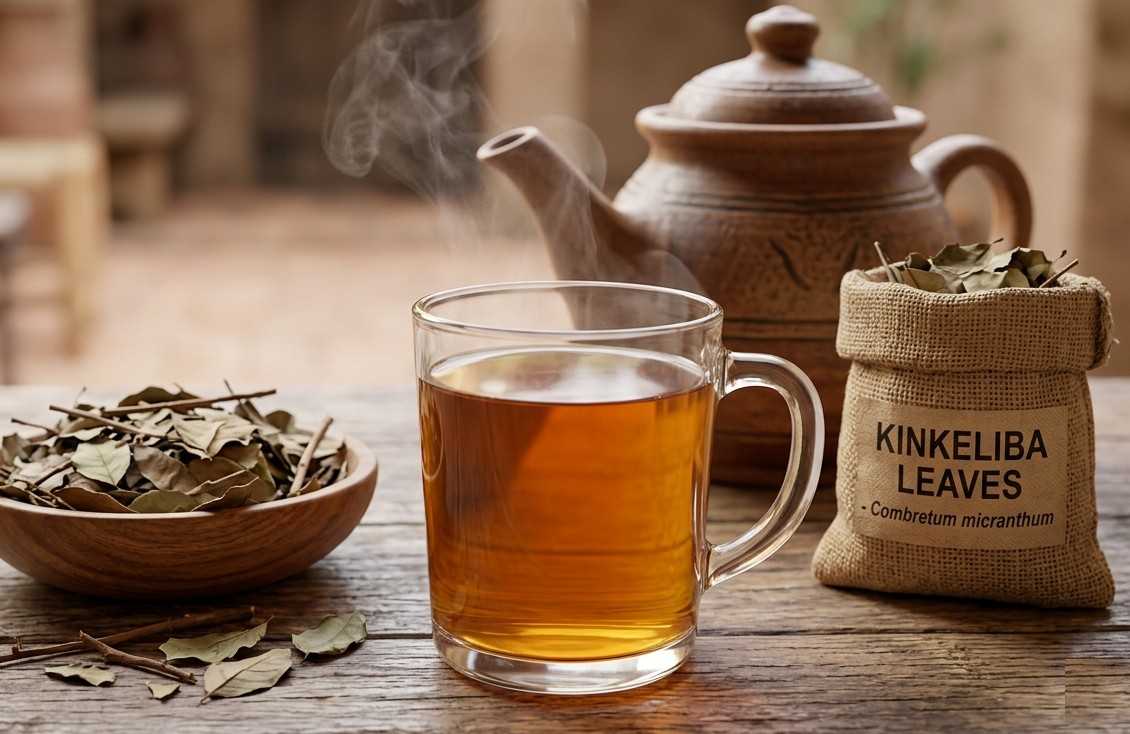
Kinkeliba tea is a traditional African herbal infusion that has been consumed for centuries for its cleansing, digestive, and liver-supporting properties. Known as the “long-life tea” in parts of West Africa, this herbal drink is gaining global attention for its potential health benefits backed by emerging scientific research. In this guide, you will learn everything about Kinkeliba tea — from its nutritional value and proven health benefits to side effects, preparation methods, dosage recommendations, and precautions.
What is Kinkeliba Tea?
Kinkeliba tea is made from the dried leaves of the plant Combretum micranthum, a shrub native to West Africa, particularly found in countries like Senegal, Mali, Burkina Faso, and Ivory Coast. It belongs to the Combretaceae family and thrives in dry savannah climates.
Traditionally, Kinkeliba tea has been used in African herbal medicine to:
- Support liver detoxification
- Improve digestion
- Treat fever and infections
- Relieve constipation
- Aid weight management
The leaves are harvested, dried, and brewed into a herbal infusion. Unlike traditional tea (Camellia sinensis), Kinkeliba tea is naturally caffeine-free, making it suitable for evening consumption.
Its slightly bitter, earthy flavor is often compared to green tea but with a stronger herbal note.
Nutritional Facts of Kinkeliba Tea
While Kinkeliba tea is low in calories, it contains beneficial phytochemicals, antioxidants, and trace minerals.
| Nutrient / Compound | Amount (Per 1 Cup Brewed) | Health Role |
|---|---|---|
| Calories | 0–5 kcal | Negligible energy contribution |
| Caffeine | 0 mg | Naturally caffeine-free |
| Polyphenols | High | Antioxidant support |
| Flavonoids | Present | Anti-inflammatory properties |
| Tannins | Moderate | Digestive support |
| Vitamin C | Trace amounts | Immune support |
| Potassium | Trace amounts | Electrolyte balance |
| Magnesium | Trace amounts | Muscle and nerve support |
| Saponins | Present | Cholesterol regulation |
| Alkaloids | Present in small amounts | Biological activity |
The major health-promoting components of Kinkeliba tea are its polyphenols and flavonoids, which contribute to its antioxidant and anti-inflammatory effects.
20 Science-Backed Benefits of Kinkeliba Tea
Below are evidence-based and traditionally supported benefits of Kinkeliba tea.
1. Supports Liver Health
Kinkeliba tea is traditionally used as a hepatoprotective herb and studies suggest its antioxidant compounds may help protect liver cells from oxidative damage.
2. Promotes Natural Detoxification
Its mild diuretic and liver-supporting effects help the body eliminate toxins more efficiently.
3. Aids Digestion
The bitter compounds in Kinkeliba stimulate digestive enzymes, improving digestion and nutrient absorption.
4. Relieves Constipation
Its mild laxative properties may promote regular bowel movements.
5. Reduces Inflammation
Flavonoids and polyphenols in Kinkeliba exhibit anti-inflammatory effects in preliminary research.
6. Supports Weight Management
By improving digestion and acting as a mild diuretic, Kinkeliba may assist in reducing water retention and bloating.
7. Helps Regulate Blood Sugar
Animal studies indicate potential blood glucose-lowering properties.
8. Boosts Immune Function
Antioxidants in the tea help protect immune cells from oxidative stress.
9. Acts as a Natural Diuretic
Kinkeliba may increase urine output, helping reduce fluid retention.
10. Improves Skin Health
Its detoxifying and antioxidant properties may contribute to clearer skin.
11. May Lower Cholesterol
Saponins present in the leaves may help reduce LDL cholesterol levels.
12. Supports Kidney Function
Traditional use suggests benefits in maintaining urinary tract health.
13. Provides Antimicrobial Effects
Some laboratory studies show antimicrobial activity against certain pathogens.
14. Helps Reduce Fever
In African traditional medicine, it has been used as a natural febrifuge.
15. Enhances Bile Production
Bitter herbs like Kinkeliba stimulate bile secretion, supporting fat digestion.
16. Supports Cardiovascular Health
Antioxidants may help reduce oxidative stress linked to heart disease.
17. May Reduce Fatigue
Improved liver function and detoxification may contribute to better energy levels.
18. Helps Manage Metabolic Syndrome
Early research suggests potential metabolic benefits through blood sugar and lipid regulation.
19. Supports Gut Microbiome Balance
Plant polyphenols may promote beneficial gut bacteria growth.
20. Provides Antioxidant Protection
Kinkeliba tea is rich in polyphenols that help neutralize free radicals in the body.
10 Side Effects of Kinkeliba Tea
Although generally safe when consumed moderately, excessive intake may cause unwanted effects.
1. Stomach Upset
High amounts may irritate the digestive tract due to its bitter compounds.
2. Diarrhea
Its mild laxative effect can cause loose stools if overconsumed.
3. Dehydration
Its diuretic properties may increase fluid loss.
4. Low Blood Pressure
Excessive intake may contribute to lowered blood pressure.
5. Low Blood Sugar
Individuals with diabetes may experience hypoglycemia if combined with medication.
6. Allergic Reactions
Rare allergic responses may occur in sensitive individuals.
7. Electrolyte Imbalance
Heavy consumption may alter electrolyte levels due to fluid loss.
8. Pregnancy Concerns
Insufficient safety data exists for pregnant women.
9. Medication Interactions
It may interact with diuretics, blood pressure drugs, or diabetes medications.
10. Bitter Taste Intolerance
Some individuals may experience nausea due to its strong bitter flavor.
How to Make Kinkeliba Tea?
Making Kinkeliba tea is simple and requires minimal ingredients.
Ingredients:
- 1–2 teaspoons dried Kinkeliba leaves
- 1 cup hot water
Instructions:
- Bring water to a boil.
- Add dried Kinkeliba leaves to a cup.
- Pour hot water over the leaves.
- Cover and steep for 10–15 minutes.
- Strain and drink warm.
Optional additions include lemon, honey, or ginger to balance the bitterness.
Other Uses of Kinkeliba Tea
Beyond drinking it as tea, Kinkeliba leaves can be used in other ways:
- Herbal baths for skin health
- Compresses for minor skin irritation
- Traditional herbal remedies for fever
- Detox herbal blends
- Powdered leaf supplements
How Much Kinkeliba Tea Can You Drink a Day?
For most healthy adults:
- 1–2 cups per day is considered moderate and safe.
- Avoid exceeding 3 cups daily unless advised by a healthcare professional.
If using for therapeutic purposes, consult a qualified herbalist or healthcare provider.
Tips for Consuming Kinkeliba Tea
- Start with one cup daily to assess tolerance.
- Drink plenty of water to prevent dehydration.
- Avoid drinking on an empty stomach if sensitive to bitter herbs.
- Combine with lemon or mint to improve flavor.
- Choose high-quality, organic dried leaves.
Best Time to Drink Kinkeliba Tea
- Morning: Supports digestion and detoxification.
- After meals: Aids digestion.
- Evening: Safe due to being caffeine-free.
Avoid drinking large quantities right before bed due to its mild diuretic effect.
Who Should Drink Kinkeliba Tea?
Kinkeliba tea may benefit:
- Individuals seeking liver support
- People with digestive concerns
- Those looking for caffeine-free herbal tea
- Individuals managing mild fluid retention
- People seeking antioxidant-rich beverages
Who Should Not Drink Kinkeliba Tea?
Avoid or consult a healthcare provider if you:
- Are pregnant or breastfeeding
- Have chronic kidney disease
- Take blood pressure medication
- Take diabetes medication
- Have electrolyte imbalance issues
Precautions and Interactions
- May enhance the effects of diuretic medications.
- Could amplify blood sugar-lowering drugs.
- May increase the effect of antihypertensive medications.
- Avoid combining with other strong detox herbs without guidance.
- Discontinue use if adverse reactions occur.
Conclusion
Kinkeliba tea is a traditional West African herbal infusion with promising health benefits, particularly for liver health, digestion, and detoxification. Rich in antioxidants and naturally caffeine-free, it serves as a beneficial addition to a balanced wellness routine when consumed in moderation.
While early research supports many of its traditional uses, more human clinical trials are needed to confirm its full therapeutic potential. As with any herbal remedy, responsible consumption and professional medical advice are essential, especially for individuals with underlying health conditions or those taking medications.
FAQ’s
What does Kinkeliba tea taste like?
Kinkeliba tea has a naturally bitter, earthy flavor similar to strong green tea, and many people add lemon or honey to improve the taste.
Is Kinkeliba tea caffeine-free?
Yes, Kinkeliba tea is naturally caffeine-free, making it suitable for people sensitive to caffeine and safe for evening consumption.
Can I drink Kinkeliba tea every day?
Yes, most healthy adults can safely drink 1–2 cups daily, but excessive intake should be avoided.
Is Kinkeliba tea good for the liver?
Traditionally, Kinkeliba tea is used to support liver health, and preliminary research suggests it may have hepatoprotective properties due to its antioxidants.
Does Kinkeliba tea help with weight loss?
Kinkeliba tea may support weight management by improving digestion and reducing water retention, but it is not a standalone weight-loss solution.
Can Kinkeliba tea lower blood sugar?
Some animal studies suggest it may help regulate blood glucose levels, but people with diabetes should consult a healthcare provider before using it regularly.
Is Kinkeliba tea safe during pregnancy?
There is limited research on its safety during pregnancy, so it is best to avoid it unless approved by a healthcare professional.
Can Kinkeliba tea help with constipation?
Yes, it has mild laxative properties that may promote regular bowel movements when consumed in moderate amounts.
Does Kinkeliba tea detox the body?
Kinkeliba tea may support natural detoxification by promoting liver function and mild diuresis, but the body already has its own detox systems.
Can I drink Kinkeliba tea at night?
Yes, since it contains no caffeine, it can be consumed in the evening, although its mild diuretic effect may increase nighttime urination.
How long does it take for Kinkeliba tea to work?
Digestive effects may be noticed within a few hours, while long-term benefits like liver support may require consistent use over several weeks.
Can children drink Kinkeliba tea?
There is limited safety data for children, so it should only be given under medical supervision.
How should Kinkeliba tea be stored?
Dried Kinkeliba leaves should be stored in an airtight container in a cool, dry place away from direct sunlight.
Is Kinkeliba tea good for kidney health?
Traditionally, it is used to support urinary function, but people with kidney disease should consult a healthcare provider before use.
Can I mix Kinkeliba tea with other herbs?
Yes, it can be blended with herbs like ginger, mint, or lemon balm, but combining multiple detox herbs should be done cautiously.
Is Kinkeliba tea safe for long-term use?
Moderate daily use appears generally safe for healthy adults, but long-term therapeutic use should be monitored by a healthcare professional.
Where does Kinkeliba tea come from?
Kinkeliba tea is traditionally sourced from West African countries such as Senegal, Mali, and Burkina Faso.
Is Kinkeliba tea scientifically proven?
While laboratory and animal studies support some of its traditional uses, more large-scale human clinical trials are needed to confirm its full range of benefits.
What is Kinkeliba Tea made from?
Kinkeliba tea is made from the dried leaves of the Combretum micranthum plant, a shrub native to West Africa that has been traditionally used in herbal medicine.
What is Kinkeliba Tea good for?
Kinkeliba tea is commonly used to support liver health, improve digestion, promote natural detoxification, reduce inflammation, and provide antioxidant protection.
Also Read: