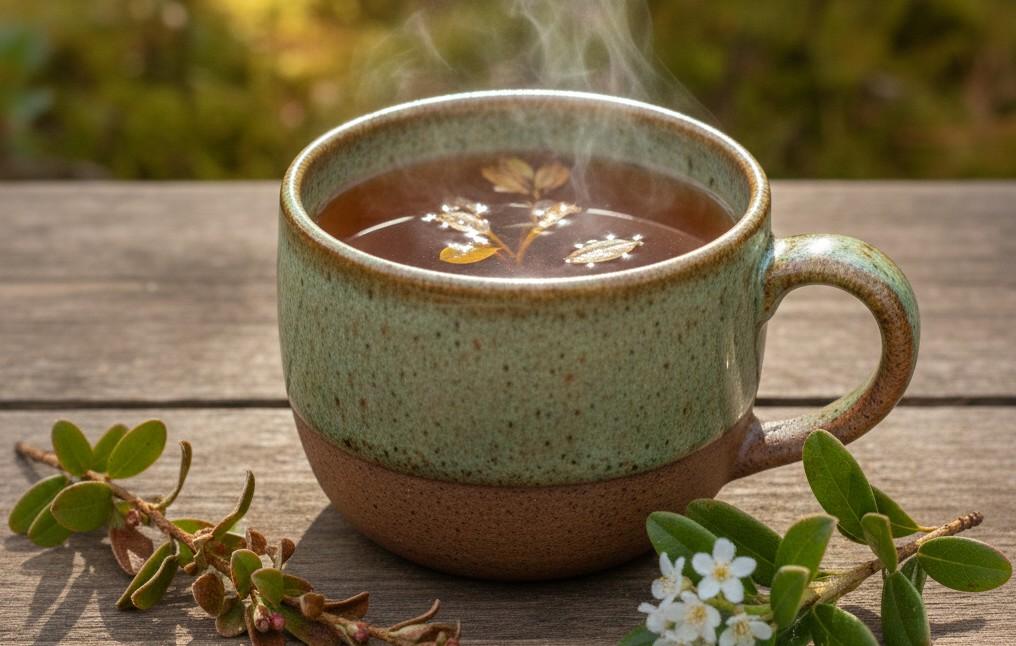
Herbal teas have long played an important role in traditional wellness systems around the world. Among the lesser-known yet fascinating herbal infusions is Labrador tea — an aromatic drink made from the leaves of certain evergreen shrubs found in northern climates. While it has a rich cultural and medicinal history, it also comes with important safety considerations that should never be ignored. This guide explores Labrador tea in depth — what it is, its proven health benefits, risks, preparation methods, and tips for safe consumption.
What is Labrador Tea?
Labrador tea refers to an herbal infusion made from the leaves of several low-growing evergreen shrubs belonging to the Rhododendron genus in the heath family (Ericaceae). These plants were previously classified under the Ledum genus but are now taxonomically grouped with rhododendrons. The most commonly used species include bog Labrador tea, marsh Labrador tea, and western Labrador tea.
These shrubs grow in cold, boggy regions of North America, Europe, and Asia. Their fragrant leaves have been used for centuries by Indigenous communities to prepare tea and herbal remedies. Traditionally, the infusion was consumed to support digestion, respiratory health, and general wellness.
The leaves contain aromatic compounds such as tannins, arbutin, volatile oils, and sesquiterpenes like ledol and palustrol. While these substances contribute to flavor and potential therapeutic effects, they are also responsible for the plant’s mild toxicity, making moderation essential.
The beverage itself has a distinctive flavor often described as piney, resinous, slightly fruity, and mildly tangy, reminiscent of forest herbs. Despite its name, Labrador tea is not related to conventional tea derived from Camellia sinensis and naturally contains no caffeine.
Components of Labrador Tea
| Nutrient / Compound | Presence in Labrador Tea | Potential Role |
|---|---|---|
| Tannic acid | Present | Antioxidant and astringent effects |
| Arbutin | Present | Antimicrobial and urinary tract support potential |
| Resin compounds | Present | Contribute to flavor and bioactivity |
| Mineral salts | Present | Trace electrolyte contribution |
| Volatile oils | Present | Aromatic and therapeutic properties |
| Ledol & palustrol | Present | Bioactive terpenes; also responsible for toxicity |
| Flavonoids (e.g., catechin, quercetin) | Present | Antioxidant effects |
Note: Exact nutritional quantities vary significantly depending on species, preparation method, and growing conditions.
20 Science-Backed Benefits of Labrador Tea
- Antioxidant Protection — Labrador tea contains plant compounds that may help reduce oxidative stress and protect cells from damage.
- Digestive Support — Drinking mild infusions may soothe minor indigestion and stomach discomfort.
- Anti-Inflammatory Potential — Natural phytochemicals may assist in reducing low-level inflammation in the body.
- Respiratory Comfort — Traditional use suggests it may help ease mild coughs and throat irritation.
- Urinary Tract Support — Its arbutin content may contribute to antimicrobial support for urinary health.
- Relaxation Enhancement — The aromatic infusion may promote calmness and mental relaxation.
- Sleep Readiness — Mild sedative qualities may support improved sleep when consumed moderately.
- Immune Function Support — Antioxidants may help strengthen the body’s natural defense system.
- Circulatory Support — Traditional herbal practices associate it with encouraging healthy blood circulation.
- Mild Pain Relief — Historical use links it to easing minor physical discomfort.
- Antimicrobial Activity — Certain compounds may help inhibit microbial growth based on preliminary studies.
- Diuretic Effect — It may promote fluid elimination and support detox processes.
- Appetite Stimulation — Bitter compounds may encourage digestive secretions and appetite.
- Skin Soothing Use — External application of infusions may calm minor irritation.
- Stress Reduction — Drinking the tea may help lower perceived stress levels.
- Cultural Wellness Value — It holds longstanding importance in traditional herbal practices.
- Caffeine-Free Alternative — Labrador tea offers a stimulant-free beverage option.
- Aromatic Uplift — Its pine-like scent may create a refreshing sensory experience.
- General Herbal Support — Occasional use may complement holistic wellness routines.
- Traditional Seasonal Support — It has historically been consumed during seasonal discomfort.
10 Side Effects of Labrador Tea
- Nausea Risk — Strong or excessive infusions may irritate the stomach and cause nausea.
- Vomiting Potential — Overconsumption can lead to digestive upset and vomiting.
- Excessive Drowsiness — Sedative compounds may reduce alertness or cause sleepiness.
- Dizziness — Toxic constituents may affect the nervous system and lead to lightheadedness.
- Abdominal Discomfort — Concentrated preparations may result in stomach pain or cramping.
- Headache Development — Higher intake may trigger headaches in some individuals.
- Blood Pressure Reduction — It may lower blood pressure excessively in sensitive people.
- Motor Coordination Issues — Excess intake may impair balance or coordination.
- Nervous System Toxicity — Large amounts may negatively affect neurological function.
- Severe Toxicity Risk — Extreme overconsumption may cause serious complications requiring medical attention.
How to Make Labrador Tea?
Preparing Labrador tea correctly is essential for both flavor and safety.
Basic Method:
- Heat water to just below boiling (around 90–95°C).
- Add 1 teaspoon dried leaves to one cup (250 ml) water.
- Steep for 3–10 minutes.
- Remove leaves before drinking.
Key Preparation Tips:
- Never boil the leaves directly, as this extracts more toxic compounds.
- Avoid steeping longer than recommended.
- Use small quantities only.
Some recipes also combine the infusion with honey and lemon for flavor enhancement.
Other Uses of Labrador Tea
Beyond drinking, Labrador tea has been used in several traditional ways:
- Topical compresses for headache or muscle discomfort
- Aromatic herbal baths
- Cultural ceremonial applications
- Natural insect repellent uses
- Flavoring in historical food and beverage preparations
These uses are largely traditional and should be approached cautiously.
How Much Labrador Tea Can You Drink a Day?
Clinical dosage guidelines are lacking, but safety recommendations suggest:
- Limit intake to about one cup per day
- Consume only weak infusions
- Avoid long-term daily consumption
Excess intake increases risk of toxicity and neurological symptoms.
Tips for Consuming Labrador Tea
- Start with very dilute preparations
- Avoid frequent or habitual consumption
- Never boil leaves
- Choose verified plant identification if foraging
- Monitor for adverse reactions
- Consult a healthcare professional if uncertain
- Discontinue immediately if side effects occur
Best Time to Drink Labrador Tea
- Evening consumption may support relaxation
- After meals for digestive support
- Avoid before driving or working due to drowsiness potential
- Not recommended as a daily routine beverage
Who Should Drink Labrador Tea?
- Adults seeking occasional herbal variety
- Individuals interested in traditional botanical practices
- Those looking for caffeine-free alternatives
Consumption should always be moderate and informed.
Who Should Not Drink Labrador Tea?
- Pregnant women
- Breastfeeding mothers
- Young children
- Individuals with liver or kidney disorders
- People taking sedatives or metabolically sensitive medications
- Anyone preparing for surgery
These groups face higher risk from the plant’s bioactive compounds.
Precautions and Interactions
- Toxic compounds vary by species and preparation
- May interact with liver-processed medications
- Could increase sedative drug effects
- Avoid mixing with alcohol or CNS depressants
- Stop consumption at least two weeks before surgery
- Seek medical advice before therapeutic use
Proper plant identification and preparation are critical because related species may be more toxic.
Conclusion
Labrador tea is a unique herbal infusion rooted in centuries of traditional use, offering aromatic qualities and potential health benefits tied to its natural phytochemical content. However, it stands apart from many other herbal beverages due to its narrow margin between safe and excessive intake. Its mild toxicity, variability among species, and limited clinical research mean that caution should guide every step — from preparation to consumption.
FAQ’s
What is Labrador tea made from?
Labrador tea is made by steeping the leaves of certain evergreen shrubs from the Rhododendron genus, traditionally harvested in northern regions and used to prepare an aromatic herbal infusion.
Does Labrador tea contain caffeine?
No, Labrador tea is naturally caffeine-free because it is not derived from the tea plant Camellia sinensis, making it an alternative option for those avoiding stimulants.
What does Labrador tea taste like?
It has a distinctive flavor described as piney, slightly bitter, resinous, and mildly tangy, with a forest-herb aroma that sets it apart from common herbal teas.
Is Labrador tea safe to drink every day?
Regular daily consumption is generally not recommended due to the presence of mildly toxic compounds; occasional moderate intake of weak infusions is considered safer.
Is Labrador tea safe during pregnancy?
It is not recommended for pregnant individuals because of potential toxicity and lack of safety research.
Can children drink Labrador tea?
Labrador tea is not advised for children due to their higher sensitivity to plant compounds and the risk of adverse effects.
How long does it take for Labrador Tea to work?
The effects of Labrador tea vary depending on the individual and purpose of use, but mild relaxation or digestive comfort may be noticed within 20–60 minutes after drinking a light infusion, while other traditional effects are not guaranteed or clinically established.
How should Labrador Tea be stored?
Dried Labrador tea leaves should be kept in an airtight container away from heat, moisture, and direct sunlight, ideally in a cool, dark cupboard to preserve aroma and potency for several months.
What is Labrador Tea good for?
Labrador tea has traditionally been used for relaxation, digestive comfort, respiratory support, and general herbal wellness, although many of these uses are based on historical practices rather than extensive clinical research.
What does Labrador tea smell like?
Labrador tea typically has a strong, fresh aroma described as pine-like, resinous, slightly sweet, and reminiscent of forest herbs.
Does Labrador tea make you sleepy?
It may cause mild drowsiness because of its sedative properties, especially when consumed in larger amounts, so moderation is recommended and activities requiring alertness should be avoided afterward.
Also Read: