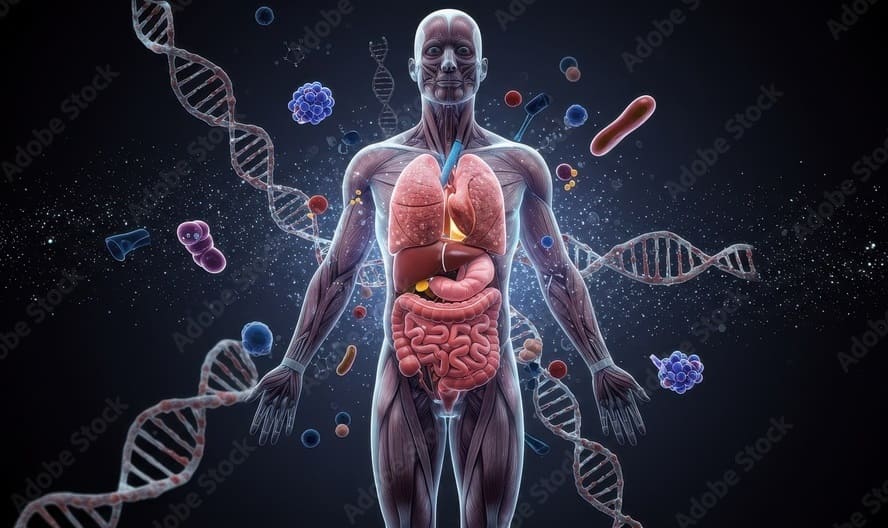
When we think about the human body, most of us imagine bones, muscles, or maybe the heart beating away inside our chest. But behind everything you do – walking, thinking, digesting food, breathing, sleeping – there is an incredible network of organs working nonstop to keep you alive. Some of these organs are surprisingly large, while others are so tiny you might not even notice them unless something goes wrong.
In this guide, we will break down the largest organs in the human body, from the biggest internal organ to the smallest one. We’ll also explore what makes each organ important, how it supports your daily life, and why understanding your organs is essential for good health.
What Is an Organ?
An organ is a group of tissues working together to perform a specific function. Your heart pumps blood, your lungs enable breathing, your skin protects every other part, and your liver detoxifies everything you eat and drink. Every organ works like a team player in a large, complex system. Some organs are visible (like skin), while others are hidden deep inside. Some are soft and flexible, and others are dense and strong. Yet all of them are essential in their own ways.
What Is the Largest Organ of the Human Body?
Skin – The Largest Organ in the Human Body
If someone asks, “What is the largest organ in your body?” the answer might surprise you. It’s not inside your body at all.
Your skin is the largest organ.
Why Skin Is the Largest Organ
Skin covers your entire body, protects you from the environment, and helps regulate your temperature. On average, adult skin weighs around 8 pounds (3.6 kg) and covers about 22 square feet (2 square meters).
It’s made up of three layers:
- Epidermis (outer layer)
- Dermis (middle layer)
- Hypodermis (deepest layer)
Functions of the Skin
- Protects you from bacteria, viruses, and physical injuries
- Prevents water loss
- Controls body temperature
- Allows sensations like touch, pressure, pain, and heat
- Produces Vitamin D when exposed to sunlight
Even though it seems simple, skin is highly complex and vital for survival.
What Are the Largest Internal Organs in the Human Body? (Ranked From Largest to Smallest)
When ranking organs, scientists usually look at organ weight, surface area, or volume. We will use overall size and weight, which is the most commonly accepted method. Below are the organs ranked from largest to smallest.
1. Liver – The Largest Internal Organ
Now, what is the largest internal organ in the human body?
The answer is the liver.
The liver is located in the upper right abdomen and weighs around 3 pounds (1.3–1.6 kg). It is soft, reddish-brown, and performs more than 500 functions.
Why the Liver Is So Important
- Filters toxins from your blood
- Processes food nutrients after digestion
- Produces bile for fat digestion
- Stores vitamins and minerals
- Maintains blood sugar levels
- Breaks down old red blood cells
- Helps with immune function
Without your liver, your body cannot survive even for a day. It is constantly working to detoxify everything you eat, breathe, or absorb.
2. Brain – The Second Largest Internal Organ
Next in size comes the brain, which weighs about 3 pounds (1.3–1.5 kg) in an average adult.
Although similar in weight to the liver, the brain is more complex and denser.
Why the Brain Is One of the Largest and Most Complex Organs
Your brain controls:
- Thoughts
- Emotions
- Speech
- Memory
- Movement
- Breathing
- Heart rate
- Sensation
Essentially, anything you do, feel, or experience begins in the brain. It contains nearly 86 billion neurons, each creating connections and networks that make you who you are.
Its size reflects the extraordinary amount of work it performs.
3. Lungs – The Third Largest Internal Organ
Your lungs come as a pair, and together they form the third largest internal organ.
Combined, the lungs weigh about 2.2–2.5 pounds (1–1.1 kg) and have a surface area of almost 70 square meters, which is roughly the size of a tennis court.
Why Are the Lungs So Large?
Lungs need a huge surface area to exchange oxygen and carbon dioxide efficiently. Every breath you take brings in oxygen to your blood and removes waste gases.
Lung Functions
- Gas exchange
- Helps maintain pH balance
- Filters small blood clots
- Supports immunity by trapping bacteria
The lungs expand and contract up to 20,000 times a day, which is why they need size and surface area.
4. Heart – The Fourth Largest Internal Organ
The heart, though relatively small in size compared to the liver or lungs, ranks as the fourth largest internal organ by weight.
A typical adult heart weighs:
- Around 300 grams in women
- Around 350 grams in men
The Heart’s Main Jobs
- Pumps oxygen-rich blood throughout your body
- Supplies nutrients to organs
- Removes waste through the bloodstream
- Maintains blood pressure
Your heart beats about 100,000 times a day, moving more than 2,000 gallons of blood daily. Even with its small size, it is one of the most powerful organs.
5. Kidneys – The Fifth Largest Internal Organ
You have two kidneys, each weighing around 150 grams. Together, they are considered the fifth largest internal organs.
Their bean-shaped structure sits on either side of your spine.
Functions of the Kidneys
- Filter blood
- Produce urine
- Remove toxins and excess water
- Regulate electrolytes
- Produce hormones for blood pressure and red blood cells
Despite their modest size, kidneys filter about 150 liters of blood every day.
What Is the Smallest Organ in the Human Body?
Now that we have reviewed the largest organs, let’s look at the smallest.
The pineal gland is generally considered the smallest organ. It is located deep inside the brain and is only about 8 mm in size and weighs less than 150 mg.
What the Pineal Gland Does
- Produces melatonin
- Regulates sleep patterns
- Helps control the body’s internal clock
This tiny organ plays a big role in your sleep, mood, and hormonal balance.
Full Summary of Largest Organs
Here’s a quick reference chart for all sizes:
| Rank | Organ | Type | Approx Weight | Key Function |
|---|---|---|---|---|
| 1 | Skin | External | 8 lbs | Protection, temperature control |
| 2 | Liver | Internal | 3 lbs | Detoxification, metabolism |
| 3 | Brain | Internal | 3 lbs | Control center for body functions |
| 4 | Lungs | Internal (pair) | 2.2–2.5 lbs | Breathing and gas exchange |
| 5 | Heart | Internal | 300–350 g | Pumps blood |
| 6 | Kidneys | Internal (pair) | 150 g each | Filters blood |
| Smallest | Pineal Gland | Internal | <150 mg | Regulates sleep |
Why Knowing the Size of Your Organs Matters
Understanding the size and function of your organs helps you:
- Know which organs are most essential
- Detect signs of disease early
- Appreciate how your body works
- Make healthier lifestyle choices
For example:
- Knowing the liver is the main detox organ helps you avoid excessive alcohol.
- Understanding the lungs’ importance encourages you to quit smoking.
- Recognizing how hard the heart works motivates you to exercise.
Knowledge empowers better decisions.
How Organ Size Varies Between People
Not every adult has the same organ sizes. Organ weight and size can vary depending on:
- Age
- Sex
- Height and body size
- Genetics
- Health conditions
- Lifestyle
For example, athletes may have larger hearts due to training. Smokers often have damaged or enlarged lungs. People with fatty liver disease may have an oversized liver.
Organ size is an indicator of overall health.
Are Larger Organs Always Healthier?
Not necessarily. Bigger organs can sometimes mean disease.
Examples:
- Enlarged heart (cardiomegaly)
- Fatty liver
- Enlarged spleen (splenomegaly)
- Swollen lymph nodes
Healthy organs should be the right size for your body.
Final Thoughts
Your body is a masterpiece of design, with organs working together day and night to keep you alive. From the protective shield of your skin to the tiny pineal gland controlling your sleep, each organ plays an essential role. Understanding the largest organs in your body, their size, and their functions helps you appreciate your body more and motivates you to take better care of it.
Whether it’s eating nutritious food for your liver, exercising to strengthen your heart, or breathing fresh air for your lungs, every small action supports the incredible organs working within you.
FAQ’s
Which is the largest internal organ in the human body?
The liver is the largest internal organ. It weighs about 3 pounds and is responsible for detoxification, metabolism, digestion, and nutrient storage.
Do organ sizes vary from person to person?
Yes, organ sizes change depending on factors such as age, sex, genetics, height, overall health, and lifestyle. For example, athletes may develop larger hearts, while certain diseases can cause organs to shrink or enlarge.
What happens if an organ becomes too small or too large?
Changes in organ size often signal an underlying medical issue. A shrinking brain may indicate neurodegenerative disease, while an enlarged liver or spleen may result from infections, fat buildup, or metabolic issues. Regular checkups help detect these changes early.
Also Read: