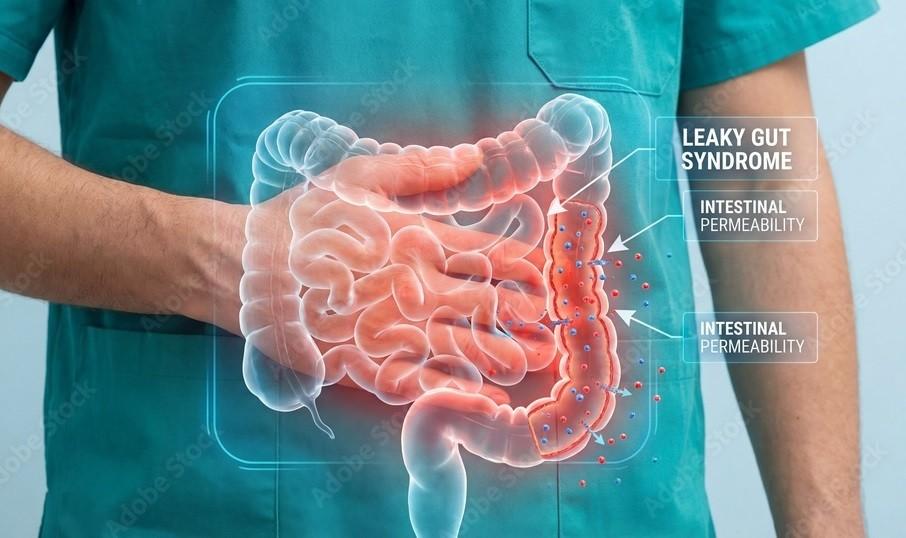
Leaky Gut Syndrome, also known as increased intestinal permeability, has become a topic of growing interest in both conventional and alternative medicine. While mainstream medicine does not yet fully recognize it as a diagnosable condition, research suggests that disruptions in the gut lining can contribute to a wide range of health issues. This guide will delve deep into what leaky gut syndrome is, its causes, symptoms, potential complications, and strategies for healing the gut naturally.
What is Leaky Gut Syndrome?
The term “leaky gut” refers to a condition in which the intestinal lining becomes more permeable than normal. Under healthy circumstances, the gut lining acts as a barrier, allowing nutrients to pass into the bloodstream while keeping harmful substances like toxins, bacteria, and undigested food particles out.
In leaky gut syndrome, this barrier function is compromised. The tight junctions between the cells of the intestinal wall loosen, which allows substances that are normally restricted to enter the bloodstream. This can trigger inflammation and immune system responses, potentially contributing to various chronic health issues.
Although the concept of leaky gut is controversial in mainstream medicine, emerging research suggests that intestinal permeability plays a role in autoimmune diseases, metabolic disorders, and digestive issues.
How the Gut Functions Normally?
Understanding leaky gut requires a brief overview of how the gut functions under normal conditions:
- Intestinal Lining: The intestines are lined with epithelial cells, which form a barrier. These cells are tightly connected by structures called tight junctions.
- Nutrient Absorption: The primary function of the gut lining is to absorb nutrients from digested food while preventing harmful substances from entering the bloodstream.
- Immune Protection: The gut contains a significant portion of the body’s immune system, including lymphoid tissue that helps fight pathogens.
- Microbiome Balance: The intestines host trillions of microorganisms, including bacteria that aid digestion, produce vitamins, and support immune function. A balanced microbiome is critical for gut health.
When any of these functions are compromised, it can lead to intestinal permeability, inflammation, and systemic health issues.
Causes of Leaky Gut Syndrome
Leaky gut syndrome is typically multifactorial, meaning several factors can contribute to its development. Some of the most common causes include:
1. Poor Diet
Diet plays a major role in gut health. Diets high in processed foods, sugar, refined carbohydrates, and unhealthy fats can disrupt the gut lining and promote inflammation. Certain food additives, such as emulsifiers and artificial sweeteners, may also contribute to increased intestinal permeability.
2. Chronic Stress
Long-term stress can negatively affect the gut lining. Stress hormones such as cortisol can alter gut motility, reduce blood flow to the intestines, and change the balance of gut bacteria. Chronic stress has been linked to conditions like irritable bowel syndrome (IBS) and leaky gut.
3. Excessive Alcohol Consumption
Alcohol can irritate the gut lining and disrupt the balance of gut bacteria. Regular alcohol intake may contribute to intestinal permeability and inflammation.
4. Infections
Certain bacterial, viral, or fungal infections can damage the gut lining. Overgrowth of harmful bacteria, known as dysbiosis, can also compromise intestinal barrier function.
5. Medications
Long-term use of nonsteroidal anti-inflammatory drugs (NSAIDs) such as ibuprofen, as well as antibiotics, can contribute to leaky gut. NSAIDs can damage the gut lining, while antibiotics may disrupt the microbiome balance.
6. Autoimmune Conditions
People with autoimmune diseases such as celiac disease, Crohn’s disease, or type 1 diabetes are more prone to intestinal permeability. In these cases, leaky gut may be both a cause and consequence of the disease.
7. Nutrient Deficiencies
Deficiencies in key nutrients such as zinc, vitamin D, and omega-3 fatty acids can impair gut barrier function. These nutrients are essential for maintaining healthy tight junctions and reducing inflammation.
Symptoms of Leaky Gut Syndrome
Leaky gut syndrome is challenging to diagnose because its symptoms are often nonspecific and can overlap with other conditions. Common symptoms may include:
- Digestive Issues: Bloating, gas, diarrhea, constipation, and abdominal pain.
- Food Sensitivities: Increased sensitivity to certain foods due to undigested particles entering the bloodstream.
- Chronic Fatigue: Low energy levels and general fatigue.
- Brain Fog: Difficulty concentrating, poor memory, or mental fatigue.
- Skin Problems: Acne, eczema, or rashes.
- Autoimmune Symptoms: Joint pain, inflammation, or flares of autoimmune conditions.
- Mood Disorders: Anxiety, depression, and irritability due to the gut-brain connection.
Because leaky gut affects the immune system and can trigger systemic inflammation, its symptoms may appear far beyond the digestive system.
Types of Leaky Gut Syndrome
Leaky Gut Syndrome is not formally classified into rigid “types” in conventional medicine, but researchers and functional medicine practitioners often describe it based on the underlying cause or dominant mechanism affecting the gut.
1. Inflammatory Leaky Gut
Cause: Chronic inflammation in the gut lining caused by infections, autoimmune conditions, or inflammatory foods.
Characteristics:
- Triggered by autoimmune diseases like Crohn’s disease or ulcerative colitis
- Often accompanied by bloating, abdominal pain, and chronic diarrhea
- The immune system is highly activated, leading to systemic inflammation
Treatment Focus: Anti-inflammatory diet, probiotics, omega-3 supplementation, stress reduction, and addressing underlying autoimmune triggers.
2. Toxin-Induced Leaky Gut
Cause: Exposure to environmental toxins, alcohol, NSAIDs, or certain medications that damage the gut lining.
Characteristics:
- Symptoms include fatigue, brain fog, headaches, and digestive discomfort
- May develop after prolonged use of medications like ibuprofen or excessive alcohol intake
Treatment Focus: Remove toxins, support detox pathways with liver-supporting nutrients (like glutathione), and consume gut-healing foods such as bone broth and fermented foods.
3. Microbiome Imbalance (Dysbiosis) Leaky Gut
Cause: An imbalance between beneficial and harmful gut bacteria.
Characteristics:
- Often associated with bloating, gas, irregular bowel movements, and food sensitivities
- May follow antibiotic use or chronic infections
- Dysbiosis triggers immune activation and weakens the gut lining
Treatment Focus: Restore gut microbiome with probiotics and prebiotics, avoid sugar and processed foods, and maintain dietary fiber intake to nourish beneficial bacteria.
4. Stress-Related Leaky Gut
Cause: Chronic psychological or physiological stress affecting gut integrity.
Characteristics:
- Symptoms may include anxiety, brain fog, sleep disturbances, and digestive issues
- Stress hormones like cortisol disrupt tight junctions in the gut lining
- Often overlaps with other types of leaky gut
Treatment Focus: Stress management techniques such as meditation, yoga, mindfulness, and proper sleep, combined with gut-supportive nutrition.
5. Nutrient-Deficiency Leaky Gut
Cause: Deficiency in essential nutrients required for gut barrier maintenance.
Characteristics:
- Poor intestinal repair due to lack of zinc, vitamin D, amino acids (like glutamine), and omega-3 fatty acids
- May present with chronic fatigue, poor immunity, and slow healing of the gut lining
Treatment Focus: Targeted supplementation of missing nutrients, dietary adjustments, and healing foods like bone broth and collagen-rich foods.
6. Food Sensitivity or Allergy-Driven Leaky Gut
Cause: Reactions to specific foods like gluten, dairy, soy, or eggs that trigger inflammation.
Characteristics:
- Digestive distress (bloating, diarrhea, gas) soon after consuming trigger foods
- Often associated with systemic inflammation, joint pain, or skin issues
Treatment Focus: Elimination diet to identify and remove triggers, anti-inflammatory diet, and supportive supplementation for gut repair.
Complications of Untreated Leaky Gut
If left unaddressed, leaky gut syndrome may contribute to the development or worsening of several chronic conditions:
- Autoimmune Diseases: Conditions such as rheumatoid arthritis, lupus, and celiac disease have been associated with increased intestinal permeability.
- Inflammatory Conditions: Chronic inflammation caused by a leaky gut may contribute to conditions such as irritable bowel syndrome (IBS) and inflammatory bowel disease (IBD).
- Metabolic Disorders: Research suggests a link between leaky gut and obesity, insulin resistance, and type 2 diabetes.
- Mental Health Issues: Inflammation and altered gut microbiome may play a role in anxiety, depression, and other mood disorders.
- Nutrient Deficiencies: Poor absorption of essential nutrients can lead to deficiencies that affect overall health.
How Leaky Gut is Diagnosed?
Currently, leaky gut syndrome does not have a universally accepted diagnostic test. However, several approaches may help identify increased intestinal permeability:
- Lactulose-Mannitol Test: Measures the absorption of specific sugars to assess gut permeability.
- Blood Tests: Some tests measure antibodies to bacterial endotoxins or zonulin, a protein involved in tight junction regulation.
- Stool Tests: Can assess gut microbiome balance, inflammation, and digestive enzyme levels.
- Symptom-Based Evaluation: Physicians may consider gut permeability if a patient has chronic digestive issues, autoimmune conditions, or other associated symptoms.
Because testing is limited, diagnosis often relies on a combination of symptoms, patient history, and lab assessments.
Treatments for Leaky Gut Syndrome
Healing leaky gut involves addressing the root causes, repairing the intestinal lining, and supporting a healthy gut microbiome. While there is no single treatment universally recognized, a combination of dietary changes, supplements, lifestyle adjustments, and medical guidance can significantly improve gut health.
1. Dietary Changes
Diet plays a central role in managing and healing leaky gut:
- Eliminate Trigger Foods: Avoid processed foods, refined sugar, gluten, dairy (if intolerant), alcohol, and foods with additives like emulsifiers and artificial sweeteners, which can irritate the gut lining.
- Include Anti-Inflammatory Foods: Focus on vegetables, fruits, fatty fish (rich in omega-3s), turmeric, ginger, and herbs that reduce inflammation.
- Eat Gut-Healing Foods: Bone broth provides collagen and amino acids that support the intestinal lining. Fermented foods like yogurt, kefir, sauerkraut, and kimchi help restore healthy gut bacteria.
- Increase Fiber Intake: High-fiber foods such as leafy greens, legumes, and whole grains feed beneficial gut bacteria and improve bowel regularity.
- Incorporate Prebiotics: Foods like garlic, onions, leeks, asparagus, and bananas nourish probiotics and promote microbiome diversity.
2. Supplements for Gut Repair
Certain supplements may accelerate gut healing:
- Probiotics: Restore a healthy balance of gut bacteria, reduce inflammation, and improve digestion.
- L-Glutamine: An amino acid that supports the repair of the intestinal lining.
- Zinc: Essential for maintaining tight junction integrity in the gut.
- Vitamin D: Supports immune function and overall gut health.
- Omega-3 Fatty Acids: Reduce inflammation and support gut lining repair.
- Digestive Enzymes: Aid in proper food breakdown, reducing stress on the gut.
3. Lifestyle Modifications
Lifestyle changes can significantly impact gut health:
- Manage Stress: Chronic stress increases intestinal permeability. Techniques such as meditation, yoga, deep breathing, journaling, and mindfulness help reduce stress.
- Prioritize Sleep: Poor sleep affects the gut microbiome and increases inflammation. Aim for 7–9 hours of quality sleep per night.
- Regular Exercise: Moderate, consistent exercise improves microbiome diversity and supports digestion.
- Avoid Gut Irritants: Reduce or eliminate alcohol consumption, limit NSAID use, and avoid smoking.
4. Medical and Professional Interventions
In some cases, professional guidance may be necessary:
- Functional Medicine Approach: Practitioners may perform comprehensive gut testing and recommend personalized nutrition plans, supplements, and lifestyle strategies.
- Addressing Underlying Conditions: Treat infections, autoimmune diseases, or other health issues contributing to leaky gut.
- Medication Adjustments: Under supervision, alternative medications or dosage modifications may reduce gut irritation caused by NSAIDs or other drugs.
5. Emerging and Experimental Therapies
Research is exploring innovative approaches to gut healing:
- Zonulin Inhibitors: Investigational therapies targeting zonulin, a protein that regulates tight junctions, to reduce intestinal permeability.
- Fecal Microbiota Transplant (FMT): Being studied for gut microbiome restoration in severe dysbiosis cases.
- Targeted Nutraceuticals: Compounds like polyphenols, quercetin, and colostrum are being investigated for their gut-healing properties.
6. Holistic Approach to Healing
The most effective strategy for leaky gut involves a multi-pronged approach:
- Remove gut irritants (dietary, lifestyle, or environmental).
- Restore gut flora with probiotics and prebiotics.
- Repair the intestinal lining with amino acids, nutrients, and healing foods.
- Support overall health with stress management, sleep, and exercise.
Consistency is key—healing the gut is a gradual process that may take weeks or months depending on the severity of the condition and individual response.
Emerging Research on Leaky Gut
Recent studies are increasingly exploring the connection between intestinal permeability and chronic diseases:
- Autoimmune Research: Elevated gut permeability has been linked to type 1 diabetes, multiple sclerosis, and celiac disease.
- Gut-Brain Axis: Studies suggest that leaky gut may influence neurological conditions such as depression, anxiety, and even autism spectrum disorders.
- Metabolic Health: Evidence indicates that gut permeability may contribute to obesity, insulin resistance, and fatty liver disease.
While more research is needed, the growing body of evidence highlights the importance of gut health in systemic disease.
Foods That Promote Gut Healing
In addition to removing harmful foods, incorporating gut-friendly foods can accelerate healing:
- Bone Broth: Rich in collagen and amino acids like glycine and proline.
- Fermented Foods: Kefir, sauerkraut, kimchi, miso, and yogurt support healthy gut flora.
- Prebiotic Foods: Garlic, onions, leeks, asparagus, and bananas feed beneficial bacteria.
- High-Fiber Foods: Support gut motility and microbial diversity.
- Omega-3 Rich Foods: Fatty fish, chia seeds, and flaxseeds reduce inflammation.
Lifestyle Tips for Gut Health
- Sleep Well: Poor sleep can worsen gut inflammation.
- Exercise Regularly: Moderate exercise supports microbiome diversity.
- Mindful Eating: Eat slowly and chew food properly to reduce digestive stress.
- Avoid Antibiotic Overuse: Only use antibiotics when necessary, as they can disrupt gut flora.
Common Myths About Leaky Gut
- Leaky Gut Is Not Real: While mainstream medicine debates its classification, research confirms that increased intestinal permeability occurs and can contribute to health issues.
- Only Digestive Symptoms Matter: Leaky gut can affect multiple systems, including the immune, neurological, and metabolic systems.
- Probiotics Alone Heal the Gut: While helpful, healing requires a combination of diet, lifestyle changes, and sometimes targeted supplementation.
How to Prevent Leaky Gut Syndrome?
- Eat a diet rich in whole, unprocessed foods like vegetables, fruits, lean proteins, and healthy fats.
- Limit sugar, refined carbohydrates, alcohol, and processed foods that can irritate the gut.
- Include fermented foods like yogurt, kefir, sauerkraut, and kimchi to support healthy gut bacteria.
- Consume prebiotic-rich foods such as garlic, onions, leeks, asparagus, and bananas.
- Take probiotics when needed, especially after antibiotics or gut disturbances.
- Manage stress through meditation, yoga, deep breathing, or mindfulness practices.
- Prioritize 7–9 hours of quality sleep each night to support gut and immune health.
- Engage in regular moderate exercise to promote a healthy gut microbiome.
- Avoid smoking and limit long-term use of NSAIDs or other gut-irritating medications.
- Stay hydrated and practice mindful eating by chewing food thoroughly and eating slowly.
- Ensure adequate intake of gut-supporting nutrients like vitamin D, zinc, omega-3 fatty acids, and L-glutamine.
- Monitor your body for signs of gut distress and address digestive or autoimmune issues promptly.
Conclusion
Leaky gut syndrome represents a complex interaction between the intestinal lining, microbiome, immune system, and lifestyle factors. While not fully recognized as a medical diagnosis, growing evidence supports the link between intestinal permeability and chronic disease. Symptoms can range from digestive issues and food sensitivities to fatigue, skin problems, and autoimmune flare-ups.
Healing the gut requires a holistic approach, including diet modification, stress management, supplementation, and lifestyle changes. By addressing the root causes of leaky gut, it is possible to restore intestinal integrity, reduce inflammation, and improve overall health. Investing in gut health is not just about digestion—it impacts energy levels, immunity, mental clarity, and long-term wellness. Understanding and supporting your gut may be one of the most important steps toward achieving lasting health.
FAQ’s
Is leaky gut dangerous?
Leaky gut itself is not immediately life-threatening, but it can contribute to chronic inflammation, autoimmune conditions, digestive disorders, and other health issues if left unaddressed. Early intervention can prevent complications.
Is leaky gut curable?
While leaky gut can often be managed and significantly improved, “curable” depends on the underlying cause. With diet changes, gut-healing supplements, stress management, and lifestyle adjustments, the intestinal lining can repair and gut health can be restored over time.
How do I know if I have a leaky gut?
There is no single test universally accepted, but signs include bloating, gas, diarrhea, food sensitivities, fatigue, brain fog, skin issues, and autoimmune symptoms. Functional medicine tests like lactulose-mannitol, zonulin, or stool microbiome tests can provide further insight.
What vitamin deficiency causes leaky gut?
Deficiencies in vitamin D, zinc, and certain B vitamins can impair gut barrier function. Additionally, a lack of amino acids like glutamine and omega-3 fatty acids can prevent proper gut lining repair.
What foods to avoid for a leaky gut?
Common trigger foods include:
- Gluten-containing grains (wheat, barley, rye)
- Dairy (especially if lactose intolerant)
- Processed and refined foods
- Added sugars and artificial sweeteners
- Alcohol and caffeinated beverages
- Foods with emulsifiers or preservatives
Can leaky gut cause autoimmune diseases?
Yes. Research suggests that leaky gut may contribute to autoimmune conditions like celiac disease, rheumatoid arthritis, and type 1 diabetes by triggering abnormal immune responses.
How can I heal leaky gut naturally?
Healing strategies include adopting an anti-inflammatory diet, avoiding trigger foods, taking gut-supporting supplements (probiotics, L-glutamine, zinc, vitamin D), managing stress, and maintaining a healthy lifestyle.
Which foods help repair a leaky gut?
Gut-healing foods include bone broth, fermented foods (yogurt, kefir, kimchi), prebiotic-rich foods (garlic, onions, asparagus), high-fiber vegetables, and omega-3 rich foods (salmon, chia seeds).
Can stress affect the gut?
Yes. Chronic stress can disrupt gut bacteria, reduce blood flow to the intestines, alter gut motility, and weaken the intestinal barrier, contributing to leaky gut.
Are probiotics effective for leaky gut?
Probiotics can support a healthy gut microbiome and reduce inflammation, but they are most effective when combined with diet and lifestyle changes.
Is leaky gut a recognized medical condition?
While mainstream medicine does not fully recognize leaky gut as a formal diagnosis, research confirms that increased intestinal permeability occurs and can affect overall health.
Also Read: