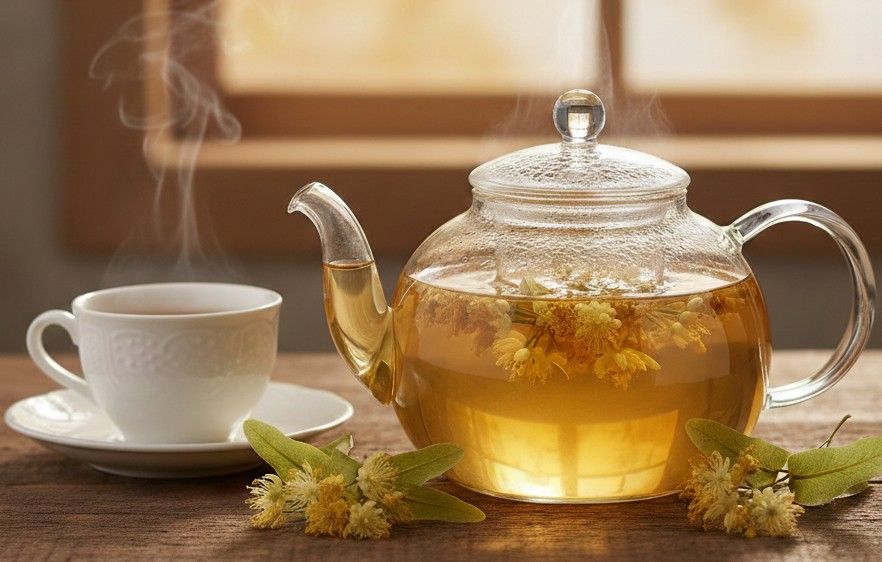
Herbal teas have been part of traditional wellness practices for centuries, and linden tea is among the most soothing and widely appreciated varieties. Made from the flowers, leaves, or bark of the linden tree, this aromatic infusion is known for its gentle floral taste and calming qualities. It has been used in European and folk medicine traditions for relaxation, immune support, and digestive comfort.
Today, linden tea is gaining renewed attention among wellness enthusiasts seeking natural remedies. While its comforting warmth and delicate flavor make it enjoyable on their own, researchers have also explored its potential therapeutic properties. In this guide, we will explore what linden tea is, its proven health benefits, possible side effects, and how to use it responsibly.
What is Linden Tea?
Linden tea is a herbal infusion prepared from parts of the linden tree, particularly its blossoms. The tree belongs to the Tilia genus, commonly found in Europe, Asia, and North America. The blossoms are harvested when in full bloom, then dried and steeped in hot water to produce a mildly sweet, fragrant beverage.
Traditionally, linden tea has been associated with calming effects and relief from cold symptoms. Folk medicine systems often recommended it for fever reduction, anxiety relief, and promoting restful sleep. Its appeal lies not only in tradition but also in its content of plant compounds such as flavonoids, tannins, and volatile oils that may contribute to its health effects.
Unlike caffeinated teas, linden tea is naturally caffeine-free, making it suitable for relaxation routines or evening consumption. Its gentle nature has allowed it to remain popular across generations as both a comfort drink and a herbal aid.
Components of Linden Tea
Although herbal teas are not major sources of macronutrients, they contain bioactive compounds that may contribute to health benefits. Exact values vary depending on preparation and plant material used.
| Nutrient/Compound | Approximate Amount per Cup | Role in Health |
|---|---|---|
| Calories | 2–5 kcal | Minimal energy contribution |
| Carbohydrates | <1 g | Trace amount from plant infusion |
| Protein | 0 g | Not significant |
| Fat | 0 g | Not present |
| Flavonoids | Trace–Moderate | Antioxidant support |
| Tannins | Trace | Astringent and digestive effects |
| Volatile oils | Trace | Aroma and relaxation effects |
| Mucilage | Small amount | Soothing for throat |
| Vitamin C | Very small | Immune support |
| Minerals (calcium, potassium) | Trace | General body function |
These values represent estimates rather than exact measurements, as herbal teas are primarily valued for phytochemicals rather than nutrient density.
20 Science-Backed Benefits of Linden Tea
- Promotes Relaxation – Linden tea contains compounds believed to influence the nervous system and encourage calmness and mental relaxation.
- Supports Better Sleep – Its mild sedative qualities may help improve sleep onset and quality when consumed before bedtime.
- Reduces Anxiety Symptoms – Some plant flavonoids are associated with reduced stress responses in preliminary studies.
- May Ease Mild Headaches – Relaxation and circulation support may help relieve tension-related discomfort.
- Provides Antioxidant Protection – Flavonoids and polyphenols combat oxidative stress in the body.
- Supports Immune Function – Traditional use and vitamin traces may help during seasonal illnesses.
- Encourages Sweating During Fever – Folk medicine has used it as a diaphoretic to promote sweating and cooling.
- Soothes Sore Throat – Mucilage content may coat and calm irritated throat tissues.
- Supports Heart Health – Antioxidants may help maintain vascular function and circulation.
- May Lower Blood Pressure – Relaxation and vasodilation effects could assist in mild blood pressure management.
- Aids Digestion – Mild antispasmodic properties may ease stomach discomfort and bloating.
- Relieves Indigestion – Warm infusion stimulates digestive flow and comfort.
- Reduces Inflammation – Plant compounds may help moderate inflammatory responses.
- Supports Skin Health – Antioxidants contribute to protection against environmental stressors.
- Encourages Detoxification – Sweating and hydration may support elimination processes.
- Eases Menstrual Discomfort – Muscle relaxation effects may soothe cramps.
- Promotes Respiratory Comfort – Warm herbal vapors may help clear mild congestion.
- Enhances Mood Stability – Relaxing qualities may positively influence emotional balance.
- Hydrates the Body – Like any herbal infusion, it contributes to daily fluid intake.
- Supports Holistic Wellbeing – Combining warmth, aroma, and phytochemicals creates a calming wellness ritual.
10 Side Effects of Linden Tea
While generally safe in moderate quantities, excessive consumption or specific conditions may lead to unwanted effects.
- Possible Allergic Reactions – Sensitive individuals may experience skin or respiratory responses.
- Heart Concerns with Overuse – Excessive intake has been linked in rare cases to cardiac issues.
- Excessive Sedation – Large quantities may cause drowsiness or lethargy.
- Drug Interaction Risks – It may alter the effects of certain medications.
- Lowered Blood Pressure – Overconsumption may lead to lightheadedness.
- Pregnancy Safety Uncertain – Limited research means caution is advised.
- Digestive Upset – Some people may experience mild nausea.
- Frequent Urination – Diuretic tendencies may increase fluid loss.
- Skin Sensitivity – Rare irritation after contact or ingestion.
- Dependence on Herbal Sedation – Relying on it nightly may reduce natural sleep cues.
How to Make Linden Tea?
Preparing linden tea at home is simple and requires minimal ingredients.
Ingredients:
- 1–2 teaspoons dried linden flowers
- 1 cup hot water
Instructions:
- Bring water to a near boil.
- Place dried flowers in a cup or teapot.
- Pour hot water over them.
- Cover and steep for 10–15 minutes.
- Strain and serve warm.
Optional additions such as honey or lemon can enhance flavor.
Other Uses of Linden Tea
Linden tea extends beyond drinking and can serve multiple purposes.
- Facial steam for relaxation and skin comfort
- Mild hair rinse for soothing scalp
- Compress for irritated skin
- Aromatic bath infusion
- Ingredient in herbal blends
These alternative uses highlight its versatility in natural care routines.
How Much Linden Tea Can You Drink a Day?
Most herbal practitioners suggest one to three cups daily for general wellness. Drinking more occasionally may be acceptable, but excessive long-term intake is not recommended due to potential cardiovascular concerns.
Individual tolerance varies, and consulting a healthcare professional is wise if you plan to consume it regularly for therapeutic reasons.
Tips for Consuming Linden Tea
- Use high-quality dried blossoms from trusted sources
- Avoid oversteeping to prevent bitterness
- Drink freshly brewed tea
- Start with small amounts to gauge tolerance
- Combine with other calming herbs for variety
- Store dried herbs in airtight containers
These practices help maintain both safety and flavor.
Best Time to Drink Linden Tea
Timing affects the experience.
- Evening consumption supports relaxation and sleep
- During illness for comfort and warmth
- After meals for digestive ease
- During stressful periods to encourage calm
Because of its soothing nature, many people prefer nighttime use.
Who Should Drink Linden Tea?
Certain individuals may find it especially beneficial.
- People experiencing stress or anxiety
- Individuals seeking caffeine-free relaxation
- Those wanting gentle digestive support
- Anyone interested in herbal wellness routines
It serves as a complementary lifestyle beverage rather than a cure.
Who Should Not Drink Linden Tea?
Avoid or limit use if you belong to these groups.
- Individuals with heart conditions
- Pregnant or breastfeeding people without medical guidance
- Those allergic to similar plants
- People on sedatives or blood pressure medications
Professional advice should guide decisions in these cases.
Precautions and Interactions
Responsible consumption ensures safety.
- Consult healthcare providers before regular use
- Avoid mixing with strong sedative medications
- Monitor intake if managing blood pressure
- Discontinue use if unusual symptoms occur
- Do not substitute for medical treatment
Herbal teas can complement health routines, but they should not replace evidence-based care.
Conclusion
Linden tea represents a blend of tradition, sensory comfort, and potential wellness support. Its calming aroma and soothing warmth make it a valued herbal beverage for relaxation, digestion, and general wellbeing. While its nutritional content is minimal, its plant compounds may contribute to antioxidant and stress-reducing effects.
However, like all herbal remedies, it should be consumed thoughtfully and in moderation. Understanding its benefits, limitations, and precautions allows you to enjoy linden tea safely while appreciating its cultural and therapeutic heritage.
FAQ’s
What does linden tea taste like?
Linden tea has a mild, slightly sweet floral flavor with a soothing aroma, making it easy to drink without added sweeteners.
Is linden tea caffeine-free?
Yes, linden tea is naturally caffeine-free, which makes it suitable for evening consumption or for people avoiding stimulants.
Can linden tea help with sleep?
It is traditionally used as a calming herbal drink, and its mild relaxing properties may support better sleep when consumed before bedtime.
Is linden tea safe during pregnancy?
There is limited scientific evidence on safety during pregnancy, so it is best to consult a healthcare professional before use.
Can children drink linden tea?
Small, diluted amounts are sometimes used traditionally, but parents should seek medical guidance before offering herbal teas to children.
Does linden tea help with colds or sore throat?
Warm linden tea may soothe throat irritation and support comfort during mild cold symptoms due to its mucilage content.
Can linden tea lower blood pressure?
Some compounds may support relaxation of blood vessels, but it should not replace medical treatment for hypertension.
How should linden tea be stored?
Dried linden flowers should be kept in an airtight container away from light, heat, and moisture to preserve quality.
What is Linden Tea made from?
Linden tea is made by steeping the dried flowers, leaves, or bark of the linden tree (Tilia species) in hot water, with the blossoms being the most commonly used part due to their aroma and beneficial plant compounds.
Can I drink Linden Tea every day?
Most healthy adults can drink linden tea daily in moderate amounts, typically one to three cups, but long-term excessive intake should be avoided and medical advice is recommended for regular therapeutic use.
How long does it take for Linden Tea to work?
Relaxation effects may be noticed within 20–40 minutes after drinking, although individual responses vary depending on sensitivity, preparation strength, and purpose of use.
What is Linden Tea good for?
Linden tea is commonly used for relaxation, sleep support, soothing mild cold symptoms, easing digestion, and providing antioxidant support as part of a wellness routine.
Is Linden tea like chamomile?
Both are calming herbal teas used for relaxation, but they come from different plants and have distinct flavor profiles, with linden being more floral and slightly sweet while chamomile has a soft apple-like taste.
Can I drink Linden tea every night?
Drinking linden tea at night is generally safe for most people and often beneficial due to its calming properties, but moderation and awareness of individual reactions are important.
Also Read: