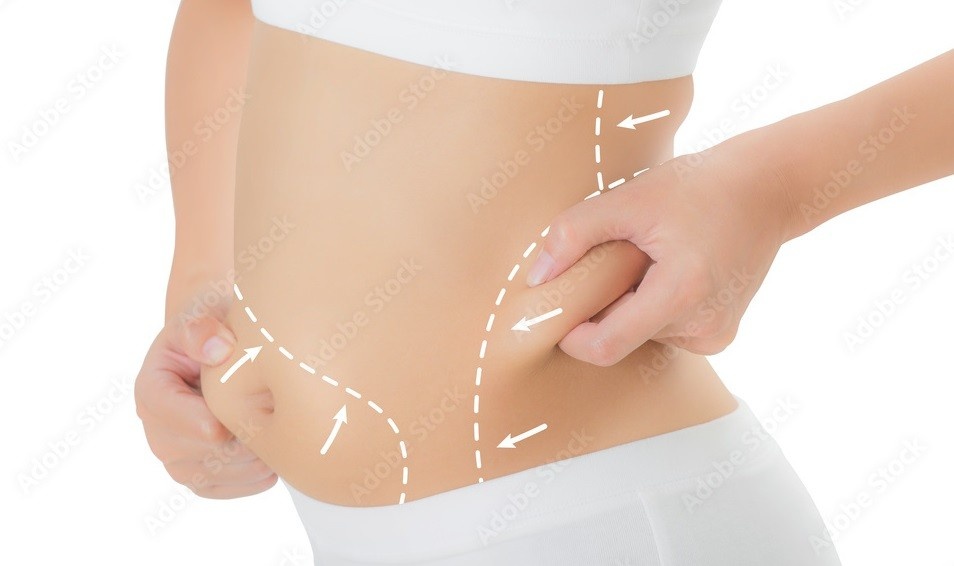
Liposuction is one of the most popular cosmetic procedures worldwide, known for its ability to remove stubborn fat pockets that do not respond to diet and exercise. Whether you are considering liposuction for the abdomen, thighs, arms, or other areas, it is essential to understand what the procedure involves, its benefits, risks, recovery process, and how to decide if it is right for you. In this guide, we will explore everything you need to know about liposuction.
What Is Liposuction?
Liposuction, also known as lipoplasty or suction-assisted lipectomy, is a surgical procedure designed to remove excess fat deposits from specific areas of the body. Unlike weight loss surgery, liposuction is not intended for overall weight reduction. Instead, it focuses on contouring and reshaping the body by removing fat from targeted regions.
The most common areas treated with liposuction include:
- Abdomen and waist
- Thighs and hips
- Buttocks
- Arms
- Back
- Neck and chin
- Calves and ankles
Liposuction can be performed alone or combined with other cosmetic surgeries such as tummy tucks, breast reduction, or body lifts.
How Liposuction Works?
Liposuction works by breaking down fat cells and removing them through a thin tube called a cannula. The procedure is performed under local or general anesthesia, depending on the extent of treatment and the surgeon’s recommendation.
Here are the basic steps involved in liposuction:
- Anesthesia: The patient receives local anesthesia, sedation, or general anesthesia based on the procedure’s complexity and the surgeon’s preference.
- Incisions: Small incisions are made in the targeted area.
- Tumescent Fluid Injection: A sterile solution is injected into the fat layer to reduce bleeding, swelling, and discomfort.
- Fat Removal: A cannula is inserted through the incisions to loosen and suction out fat cells.
- Closing Incisions: The incisions are closed with sutures or left open to drain.
- Compression Garment: The patient wears a compression garment to reduce swelling and support healing.
Types of Liposuction Techniques
Liposuction has evolved significantly over the years, and several techniques are available today. Each method offers unique benefits and may be more suitable for specific body areas or patient needs.
1. Traditional Liposuction (Suction-Assisted Liposuction)
This is the classic form of liposuction where a cannula is used to manually break up fat and suction it out. It is effective for larger fat deposits and offers reliable results.
2. Tumescent Liposuction
Tumescent liposuction is one of the most common techniques. It involves injecting a large amount of diluted local anesthetic and adrenaline solution into the fat before removal. This method reduces bleeding and pain, making it safer and more comfortable.
3. Ultrasound-Assisted Liposuction (UAL)
UAL uses ultrasound energy to liquefy fat before removal. This method is often used for fibrous areas such as the back, male chest, and upper abdomen. It can also help tighten skin in some cases.
4. Laser-Assisted Liposuction (SmartLipo)
Laser-assisted liposuction uses laser energy to melt fat and stimulate collagen production. It is suitable for small areas like the chin, neck, and arms. The laser energy may help tighten the skin, resulting in a smoother appearance.
5. Power-Assisted Liposuction (PAL)
PAL uses a mechanized cannula that moves back and forth rapidly to break up fat. This technique can make fat removal easier for the surgeon and may reduce surgery time.
Who Is a Good Candidate for Liposuction?
Liposuction is not a weight-loss procedure and is best suited for individuals who are close to their ideal body weight but have localized fat deposits that are resistant to diet and exercise.
A good candidate typically:
- Is within 30% of their ideal body weight
- Has firm, elastic skin
- Has good overall health
- Does not smoke or is willing to quit before and after surgery
- Has realistic expectations about the results
- Is committed to maintaining a healthy lifestyle after the procedure
It is important to note that liposuction is not recommended for people with:
- Significant obesity
- Poor skin elasticity
- Medical conditions such as heart disease, diabetes, or immune disorders that may complicate surgery
- Pregnancy or breastfeeding
Benefits of Liposuction
Liposuction offers several advantages beyond fat removal. Some of the key benefits include:
1. Improved Body Contour
Liposuction can dramatically reshape body areas, resulting in a more balanced and proportionate appearance.
2. Permanent Fat Removal
Once fat cells are removed, they do not return. However, remaining fat cells can still expand if weight is gained, which is why maintaining a healthy lifestyle is crucial.
3. Boost in Confidence
Many patients experience improved self-esteem and body image after achieving a more desired shape.
4. Potential Health Benefits
For some individuals, liposuction can help reduce fat-related health issues, such as improving mobility and reducing strain on joints.
5. Quick Recovery
Compared to more extensive surgeries, liposuction typically has a shorter recovery time, allowing patients to return to normal activities sooner.
Risks and Complications of Liposuction
Like any surgical procedure, liposuction carries potential risks. Understanding these risks can help patients make an informed decision and prepare for a safe recovery.
Common risks include:
- Swelling and bruising
- Temporary numbness
- Fluid accumulation
- Infection
- Scarring
- Irregular contours or asymmetry
- Skin laxity or loose skin
- Blood clots
- Anesthesia complications
More serious but rare complications include:
- Fat embolism (fat entering the bloodstream)
- Organ puncture
- Severe bleeding
- Deep vein thrombosis (DVT)
Choosing a board-certified plastic surgeon and following pre- and post-operative instructions can significantly reduce these risks.
What to Expect During Recovery
Recovery from liposuction varies depending on the treated area and the amount of fat removed. Generally, patients can expect:
First Few Days
- Swelling, bruising, and discomfort
- Pain managed with prescribed medication
- Wearing compression garments continuously
- Limited movement and rest
First Week
- Gradual improvement in swelling and discomfort
- Light walking recommended to improve circulation
- Return to non-strenuous work (depending on the area treated)
2 to 4 Weeks
- Most patients can resume regular activities
- Swelling continues to decrease
- Compression garments may be worn for several weeks
6 Weeks and Beyond
- Final results become more noticeable
- Continued improvement in contour and skin appearance
- Patients should maintain a stable weight to preserve results
Liposuction vs. Other Body Contouring Options
Liposuction is often compared with other body contouring procedures. Here is how it differs from some common alternatives:
Liposuction vs. CoolSculpting
CoolSculpting is a non-surgical fat reduction treatment that freezes fat cells. It is less invasive but generally offers more subtle results and may require multiple sessions.
Liposuction vs. Tummy Tuck
A tummy tuck (abdominoplasty) removes excess skin and tightens abdominal muscles. Liposuction only removes fat and does not address loose skin or muscle separation.
Liposuction vs. Body Lift
Body lift surgery removes excess skin and fat from multiple areas, often after significant weight loss. Liposuction is better suited for targeted fat removal rather than extensive skin removal.
Preparing for Liposuction
Proper preparation is essential for a successful liposuction procedure. A surgeon will typically provide a detailed plan, including:
- Medical evaluation and blood tests
- Discussion of goals and expectations
- Stopping certain medications or supplements that increase bleeding
- Quitting smoking several weeks before surgery
- Arranging for transportation and post-surgery care
- Preparing a comfortable recovery space at home
Following these steps can reduce complications and support faster healing.
How Much Does Liposuction Cost?
The cost of liposuction varies depending on several factors, including:
- The surgeon’s experience and reputation
- The geographic location of the clinic
- The number of areas treated
- The technique used
- Facility and anesthesia fees
In general, liposuction can range from a few thousand dollars to higher amounts for multiple areas. Many clinics offer financing options to make the procedure more affordable.
Below is a general cost estimate and may vary depending on the country, city, surgeon experience, and the number of areas treated. You can adjust the numbers based on your local market.
| Liposuction Area | Average Cost Range (USD) |
|---|---|
| Abdomen | $3,000 – $7,000 |
| Thighs | $3,000 – $8,000 |
| Arms | $2,000 – $6,000 |
| Back | $2,500 – $7,000 |
| Flanks (Love Handles) | $2,500 – $6,500 |
| Buttocks | $3,000 – $8,000 |
| Chin/Neck | $2,000 – $5,000 |
| Calves & Ankles | $2,500 – $6,000 |
| Full Body Liposuction | $8,000 – $20,000 |
| Combination (2 areas) | $5,000 – $12,000 |
| Combination (3+ areas) | $8,000 – $18,000 |
Realistic Expectations and Long-Term Results
Liposuction can deliver impressive results, but it is essential to have realistic expectations. The procedure is best for body contouring, not weight loss.
Long-term results depend on:
- Maintaining a stable weight
- Eating a healthy diet
- Regular exercise
- Avoiding significant weight fluctuations
Fat cells removed during liposuction do not return, but remaining fat cells can grow if weight is gained. Therefore, lifestyle habits play a crucial role in sustaining the results.
Final Thought
Liposuction remains one of the most effective cosmetic procedures for targeted fat removal and body contouring. With advances in techniques such as tumescent, ultrasound-assisted, and laser-assisted liposuction, patients have more options than ever to achieve a slimmer, more defined silhouette.
However, it is not a substitute for weight loss or a healthy lifestyle. The best candidates are individuals who are close to their ideal weight and want to remove stubborn fat pockets that do not respond to diet and exercise.
If you are considering liposuction, consult a board-certified plastic surgeon to discuss your goals, assess your suitability, and create a personalized treatment plan. With the right preparation and realistic expectations, liposuction can be a transformative procedure that enhances your confidence and body image.
FAQ’s
Is liposuction safe?
When performed by a board-certified surgeon, liposuction is generally safe. However, like any surgery, it carries risks such as infection, bleeding, and uneven results.
How long is the recovery period?
Most patients return to normal activities within 1–2 weeks, while complete recovery and final results can take several months.
Will liposuction remove cellulite?
Liposuction can reduce fat pockets, but it does not directly remove cellulite. In some cases, cellulite may appear more visible if skin laxity occurs.
Does liposuction help with weight loss?
Liposuction is not a weight loss procedure. It is designed for body contouring and removing stubborn fat from specific areas.
Can fat return after liposuction?
Fat cells removed during liposuction do not return, but remaining fat cells can expand if you gain weight. Maintaining a stable weight is important.
Are the results permanent?
Results can be long-lasting if you maintain a healthy lifestyle. Significant weight gain can affect the results over time.
What are the common side effects?
Common side effects include swelling, bruising, numbness, and temporary discomfort. These usually improve within a few weeks.
How long does the liposuction procedure take?
The duration varies depending on the number of areas treated, but it usually takes between 1 to 4 hours.
Is liposuction painful?
Most patients experience mild to moderate discomfort after the procedure, which can be managed with prescribed pain medication. During the surgery, anesthesia ensures you feel no pain.
What type of anesthesia is used?
Liposuction can be performed under local anesthesia, sedation, or general anesthesia, depending on the treatment area and the surgeon’s recommendation.
Will I have scars after liposuction?
Scars are usually small and placed in hidden areas. They may fade over time but can be visible in some cases.
Can liposuction be combined with other surgeries?
Yes, liposuction is often combined with procedures like tummy tuck, breast reduction, or body lift for more comprehensive results.
When can I return to work after liposuction?
Most patients can return to non-strenuous work within 1 to 2 weeks, depending on the treated area and the type of job.
When can I start exercising after liposuction?
Light walking can begin within a few days, but strenuous exercise should be avoided for 4 to 6 weeks or until the surgeon approves.
Will liposuction tighten loose skin?
Liposuction removes fat but does not significantly tighten loose skin. Skin tightening may occur slightly due to healing, but it is not guaranteed.
What is the difference between liposuction and lipolysis?
Liposuction is a surgical procedure that removes fat, while lipolysis refers to fat breakdown, often using injections or non-surgical methods.
Can liposuction remove fat from the face?
Yes, liposuction can be performed on the chin, neck, and cheeks to remove localized fat and improve facial contours.
What is the maximum amount of fat that can be removed?
The amount varies by patient and safety guidelines. Most surgeons limit fat removal to ensure patient safety and prevent complications.
Are there any non-surgical alternatives to liposuction?
Yes, alternatives include CoolSculpting, laser fat reduction, ultrasound fat reduction, and injectable fat dissolving treatments.
What should I do to prepare for liposuction?
Preparation usually includes medical tests, stopping certain medications, quitting smoking, and arranging for someone to drive you home after surgery.
What happens if I gain weight after liposuction?
Weight gain can affect the results, as remaining fat cells can expand. Maintaining a healthy lifestyle is essential to preserve results.
How soon will I see results?
Initial results are visible within a few weeks, but final results may take 3 to 6 months once swelling fully subsides.
Can liposuction improve my health?
While liposuction is mainly cosmetic, some patients may experience improved mobility and comfort. It is not a treatment for obesity or medical conditions.
Is liposuction suitable for older patients?
Age alone is not a limiting factor, but older patients should have good skin elasticity and overall health to ensure safe surgery and recovery.
Can liposuction treat gynecomastia (male breast fat)?
Yes, liposuction is commonly used to treat gynecomastia by removing excess fat in the chest area.
Will liposuction affect pregnancy in the future?
Liposuction does not affect fertility or pregnancy, but weight gain during pregnancy can change the results.
How do I choose the right liposuction surgeon?
Look for a board-certified plastic surgeon, review before and after photos, check patient reviews, and ensure the clinic follows safety standards.
Also Read: