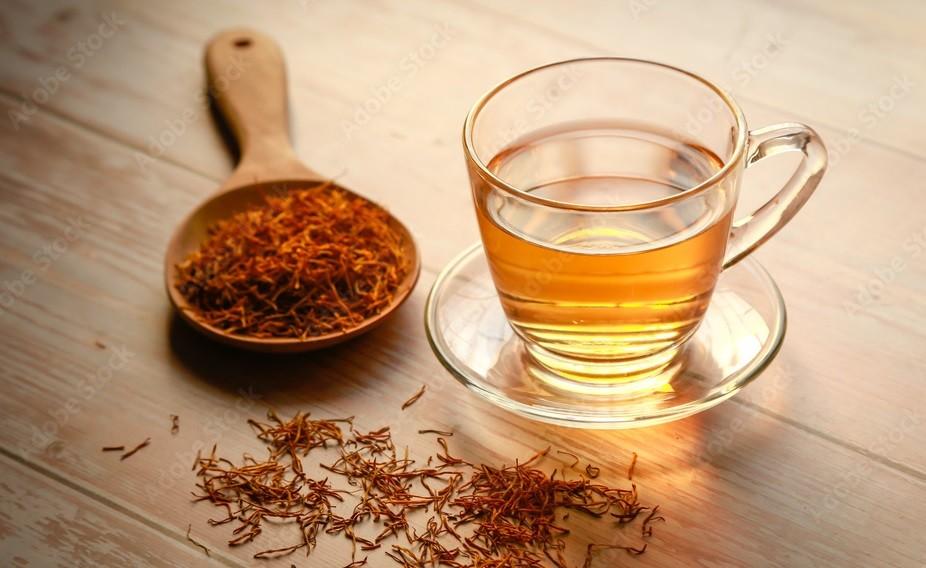
Lotus flowers have long held cultural, spiritual, and medicinal significance across Asia. While the petals and seeds are widely known, the delicate stamens — the pollen-bearing strands at the center of the flower — are often overlooked. These fragrant golden threads can be dried and brewed into Lotus Stamen Tea, a traditional herbal infusion valued for its calming aroma and potential health-supporting properties.
From wellness traditions to modern herbal research, Lotus Stamen Tea is gaining recognition as a soothing beverage that may support relaxation, digestion, and general vitality. In this guide, we will explore its proven health benefits and side effects, preparation methods, and practical tips for safe consumption.
What is Lotus Stamen Tea?
Lotus Stamen Tea is an herbal infusion made from the dried stamens of the lotus flower (typically harvested from sacred or Asian lotus varieties). After carefully removing the stamens from freshly opened blooms, they are dried to preserve aroma and beneficial plant compounds. When steeped in hot water, they produce a light golden drink with a floral scent and subtle sweetness.
Traditionally consumed in parts of Asia, the tea is often appreciated for its calming qualities and gentle effects on the body. It is caffeine-free and is commonly used as a relaxation beverage or as part of herbal wellness routines. Lotus stamens contain plant compounds such as flavonoids, alkaloids, and antioxidants that are thought to contribute to their therapeutic potential. While not a substitute for medical treatment, they have been explored for supporting overall well-being.
Components of Lotus Stamen Tea
The exact nutritional profile varies depending on preparation and plant source. Since it is an infusion, most macronutrients are minimal, but beneficial phytochemicals are present.
| Nutrient / Compound | Approximate Presence | Potential Role |
|---|---|---|
| Calories | Very low | Hydration without energy load |
| Carbohydrates | Trace | Negligible contribution |
| Protein | Trace | Minimal |
| Fat | None | Not present in infusion |
| Flavonoids | Present | Antioxidant support |
| Alkaloids | Present | May influence relaxation and metabolism |
| Polyphenols | Present | Cellular protection |
| Minerals | Trace amounts | Minor physiological support |
| Essential oils | Present | Aroma and calming properties |
Note: Values are indicative rather than exact, as herbal teas are not standardized for nutrient composition.
20 Science-Backed Benefits of Lotus Stamen Tea
1. Promotes Relaxation
Lotus stamen compounds may influence the nervous system and help reduce mental tension, encouraging a calm state.
2. Supports Better Sleep
Its soothing properties may help prepare the body for rest when consumed before bedtime.
3. Provides Antioxidant Protection
Natural flavonoids and polyphenols may help protect cells from oxidative damage caused by free radicals.
4. Aids Digestive Comfort
The infusion may gently stimulate digestive processes and help reduce mild discomfort.
5. Helps Reduce Inflammation
Plant antioxidants may assist in lowering low-level inflammatory responses in the body.
6. Encourages Hydration
As a caffeine-free herbal drink, it contributes to daily fluid intake while offering beneficial plant compounds.
7. Supports Heart Health
Antioxidants present in lotus stamens may contribute to maintaining cardiovascular wellness.
8. Improves Mood Balance
Calming plant constituents may support emotional stability and reduce stress-related fluctuations.
9. Assists Detoxification
Certain compounds may help support liver activity involved in natural detox processes.
10. Enhances Mental Clarity
Aromatic elements may provide mild focus-enhancing and refreshing effects.
11. Soothes the Throat
Warm consumption may relieve minor throat irritation or dryness.
12. Supports Metabolic Activity
Alkaloids in lotus stamens may play a role in supporting metabolic balance.
13. Promotes Skin Health
Antioxidants may contribute to healthier skin by reducing oxidative stress.
14. Improves Circulation
Bioactive compounds may support vascular relaxation and healthy blood flow.
15. Offers a Caffeine-Free Alternative
It provides a calming beverage option for individuals avoiding stimulants.
16. Helps Manage Appetite
Relaxing effects may indirectly support appetite regulation and mindful eating.
17. Supports Hormonal Balance
Phytonutrients may assist in maintaining overall hormonal equilibrium.
18. Encourages Mindfulness Practices
Drinking this tea can enhance relaxation rituals and mental grounding.
19. Reduces Stress-Related Fatigue
Calming influence may help combat fatigue linked to tension or anxiety.
20. Promotes Overall Wellness
Regular moderate intake may contribute to general well-being as part of a balanced lifestyle.
10 Side Effects of Lotus Stamen Tea
1. Risk of Allergic Reactions
Individuals sensitive to lotus or pollen may experience itching, rashes, or irritation.
2. Digestive Discomfort
Excessive intake may cause mild bloating or stomach upset.
3. Possible Medication Interactions
It may interfere with drugs affecting blood pressure or metabolism.
4. Dizziness in Sensitive Individuals
Relaxation effects could cause lightheadedness in some people.
5. Hydration Imbalance
Overconsumption may disrupt natural fluid balance.
6. Blood Sugar Fluctuations
It may slightly influence glucose levels in certain individuals.
7. Occasional Headaches
Rare reactions could include mild headaches after intake.
8. Pregnancy Safety Concerns
Use during pregnancy should be avoided without medical consultation.
9. Allergy Aggravation
People with plant sensitivities may notice worsening symptoms.
10. Interaction with Herbal Treatments
Combining with other herbs may alter intended therapeutic effects.
How to Make Lotus Stamen Tea?
Preparing Lotus Stamen Tea is simple and requires minimal ingredients.
Ingredients:
- 1 teaspoon dried lotus stamens
- 1 cup hot water
- Optional: honey or lemon
Steps:
- Bring water to a near boil and allow it to cool slightly.
- Place the dried stamens in a teapot or cup.
- Pour hot water over them.
- Cover and steep for 5–8 minutes.
- Strain and serve warm.
- Add natural sweetener if desired.
This process preserves delicate aromatic compounds while producing a mild, flavorful infusion.
Other Uses of Lotus Stamen Tea
Beyond drinking, lotus stamens have practical and wellness-related uses.
- Used in aromatherapy-inspired relaxation rituals.
- Added to bath infusions for calming experiences.
- Combined with other herbs for blended teas.
- Used in traditional wellness preparations.
- Included in decorative culinary presentations.
- Used in meditation or mindfulness routines.
- Incorporated into homemade skincare infusions.
How Much Lotus Stamen Tea Can You Drink a Day?
Moderation is key with herbal beverages.
- Typical recommendation: 1–2 cups per day.
- Occasional use of up to 3 cups may be acceptable for healthy adults.
- Beginners should start with small quantities.
- Long-term heavy consumption should be discussed with a healthcare professional.
Tips for Consuming Lotus Stamen Tea
- Use high-quality, properly dried stamens.
- Avoid boiling stamens directly to preserve aroma.
- Store in airtight containers away from light.
- Combine with calming routines like reading or meditation.
- Avoid sweetening excessively.
- Monitor personal reactions to intake.
- Rotate with other herbal teas for variety.
Best Time to Drink Lotus Stamen Tea
- Evening consumption may promote relaxation before sleep.
- Midday intake can support calm focus without caffeine stimulation.
- Avoid immediately before intense activity due to calming effects.
- Consistent timing helps establish beneficial habits.
Who Should Drink Lotus Stamen Tea?
- Individuals seeking caffeine-free relaxation beverages.
- People interested in herbal wellness traditions.
- Those looking for mild antioxidant support.
- Individuals exploring natural calming routines.
- Adults aiming to diversify herbal tea consumption.
Who Should Not Drink Lotus Stamen Tea?
- Pregnant or breastfeeding individuals without medical advice.
- People with known lotus allergies.
- Individuals on medication affecting circulation or metabolism.
- Children unless approved by a healthcare professional.
- Those experiencing adverse reactions after consumption.
Precautions and Interactions
- Consult healthcare providers before use if managing medical conditions.
- Avoid combining with strong sedative herbs without guidance.
- Monitor blood sugar if prone to fluctuations.
- Use only reputable herbal sources to ensure purity.
- Discontinue use if adverse symptoms occur.
- Maintain moderation to prevent cumulative effects.
Conclusion
Lotus Stamen Tea offers a gentle, aromatic herbal option rooted in tradition and increasingly appreciated in modern wellness culture. Its calming properties, antioxidant compounds, and caffeine-free nature make it appealing for relaxation and holistic routines. While potential benefits are promising, responsible consumption and awareness of individual sensitivities remain essential.
Incorporating Lotus Stamen Tea into daily life can be as simple as enjoying a warm cup in the evening or integrating it into mindful rituals. With balanced use and proper precautions, it can serve as a soothing addition to a health-conscious lifestyle.
FAQ’s
What is Lotus Stamen Tea made from?
Lotus Stamen Tea is made from the dried stamens of the lotus flower, which are carefully harvested and infused in hot water to create a fragrant herbal drink.
Does Lotus Stamen Tea contain caffeine?
No, Lotus Stamen Tea is naturally caffeine-free, making it suitable for individuals looking for a calming beverage without stimulants.
What does Lotus Stamen Tea taste like?
It typically has a light floral aroma with a mildly sweet and delicate flavor that is soothing and refreshing.
Can Lotus Stamen Tea help with sleep?
Its calming properties may promote relaxation and support better sleep when consumed in the evening, though results vary by individual.
Is Lotus Stamen Tea safe during pregnancy?
Pregnant or breastfeeding individuals should consult a healthcare professional before consuming it, as research on safety in these cases is limited.
Can children drink Lotus Stamen Tea?
It is generally recommended to seek medical guidance before offering herbal teas to children.
How should Lotus Stamen Tea be stored?
Dried stamens should be kept in an airtight container away from moisture, heat, and sunlight to preserve quality.
Can Lotus Stamen Tea be combined with other herbs?
Yes, it can be blended with compatible herbs, but combining with strong herbal treatments should be done cautiously or with professional advice.
Is Lotus Stamen Tea good for daily wellness routines?
When consumed moderately, it can be a soothing addition to a balanced lifestyle and wellness-focused routine.
Can I drink Lotus Stamen Tea every day?
Yes, most adults can drink it daily in moderation, typically 1–2 cups per day, unless advised otherwise by a healthcare professional.
How long does it take for Lotus Stamen Tea to work?
Calming effects may be noticed within 20–40 minutes, while other wellness benefits develop with regular use over time.
What is Lotus Stamen Tea good for?
It is commonly used for relaxation, antioxidant support, digestion, and as a caffeine-free wellness beverage.
Also Read: