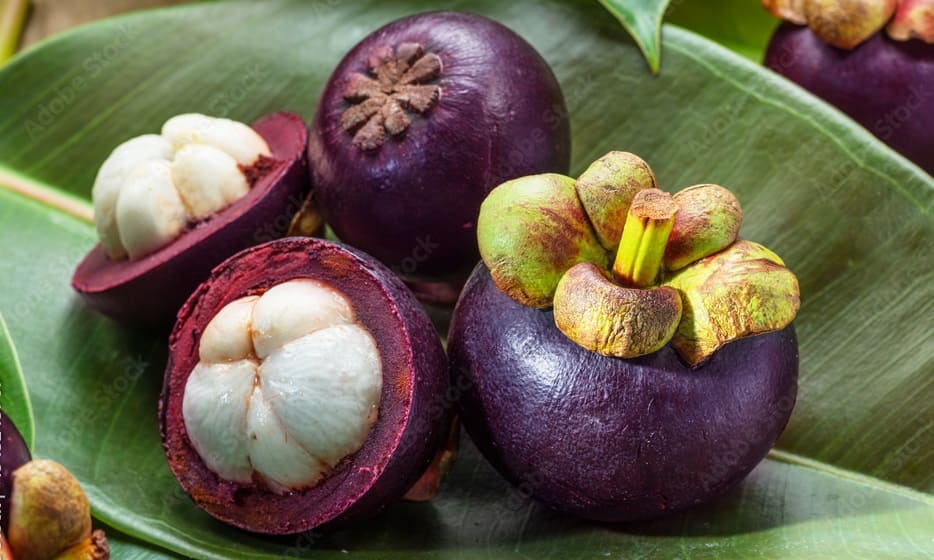
Mangosteen, often referred to as the “Queen of Fruits,” has captured the attention of health enthusiasts and nutritionists alike. This tropical fruit not only looks exotic with its thick purple rind and juicy white segments but is also a powerhouse of nutrition and medicinal benefits. From boosting immunity to fighting inflammation, mangosteen holds a prominent place in traditional medicine and is now gaining fame in modern wellness routines.
In this guide, we’ll take a comprehensive look at mangosteen — what it is, its nutritional profile, health benefits, potential side effects, how to eat it, and more.
What is Mangosteen?
Mangosteen (Garcinia mangostana) is a tropical fruit native to Southeast Asia, especially thriving in countries like Thailand, Malaysia, Indonesia, and the Philippines. It grows on a slow-growing evergreen tree and is cherished not only for its luscious taste but also for its many medicinal properties.
The fruit is round, roughly the size of a small apple, and has a deep purple rind when ripe. Inside, the fruit consists of 4 to 8 soft, juicy, white segments that resemble garlic cloves. The taste is a delightful balance of sweet and tangy, often described as a combination of peach, pineapple, strawberry, and citrus.
Mangosteen is widely used in traditional medicine for treating a variety of ailments including infections, inflammation, and digestive issues. It’s also found in juice blends, supplements, and even skincare products.
Nutrition Facts of Mangosteen (Per 100g)
| Nutrient | Amount |
|---|---|
| Calories | 73 kcal |
| Carbohydrates | 18 g |
| Sugars | 17 g |
| Dietary Fiber | 1.8 g |
| Protein | 0.4 g |
| Fat | 0.6 g |
| Vitamin C | 12% of RDI |
| Vitamin B9 (Folate) | 14 mcg |
| Vitamin B1 (Thiamine) | 0.05 mg |
| Vitamin B2 (Riboflavin) | 0.03 mg |
| Potassium | 48 mg |
| Magnesium | 13 mg |
| Calcium | 12 mg |
| Iron | 0.3 mg |
| Xanthones (antioxidants) | High concentration |
20 Proven Health Benefits of Mangosteen
1) Rich in Antioxidants:
Mangosteen contains powerful antioxidants, particularly xanthones, which help neutralize free radicals and protect against cell damage.
2) Anti-inflammatory Properties:
The xanthones also provide anti-inflammatory effects, potentially reducing symptoms of conditions like arthritis and joint pain.
3) Boosts Immunity:
With vitamin C and other bioactive compounds, mangosteen strengthens the immune system to ward off infections.
4) Supports Digestive Health:
The dietary fiber in mangosteen promotes smooth digestion and helps prevent constipation.
5) Aids Weight Loss:
Mangosteen is low in calories but rich in nutrients, making it an ideal addition to a weight-loss diet.
6) Improves Skin Health:
Antioxidants and anti-inflammatory properties in mangosteen help reduce acne, skin aging, and blemishes.
7) Regulates Blood Sugar Levels:
Some studies suggest that mangosteen may help maintain healthy blood sugar levels.
8) Promotes Heart Health:
The fruit’s antioxidants can help reduce bad cholesterol and promote good circulation.
9) Anti-cancer Potential:
Preliminary research indicates that xanthones might have anti-cancer properties, slowing the growth of cancer cells.
10) Relieves Allergies:
Mangosteen may help reduce histamine and prostaglandin levels, potentially easing allergic reactions.
11) Supports Brain Health:
Antioxidants protect neurons from damage, potentially lowering the risk of Alzheimer’s and other cognitive disorders.
12) Improves Mental Clarity:
Its adaptogenic properties may help reduce stress and mental fatigue, promoting better focus and clarity.
13) Strengthens Bones:
Mangosteen contains calcium, phosphorus, and magnesium which support bone health.
14) Improves Blood Flow:
Better blood circulation means more oxygen and nutrients reach your body’s tissues efficiently.
15) Protects Against Infections:
It has natural antibacterial and antifungal properties.
16) Lowers Risk of Kidney Stones:
High water and antioxidant content may help keep the urinary tract clean and reduce the risk of kidney stones.
17) Natural Energy Booster:
With natural sugars and nutrients, mangosteen provides a quick energy lift without the crash.
18) Aids Wound Healing:
The fruit’s anti-inflammatory and antimicrobial properties help heal wounds faster.
19) Improves Oral Health:
Its antimicrobial effects can reduce harmful bacteria in the mouth, promoting gum health.
20) Fights Fatigue:
Rich in essential nutrients and antioxidants, mangosteen helps combat general fatigue and sluggishness.
10 Side Effects of Mangosteen
While mangosteen is generally safe when consumed in moderation, excessive consumption or use of supplements may cause the following:
1) Digestive Issues:
Overeating mangosteen may lead to bloating, gas, or mild stomach discomfort.
2) Allergic Reactions:
Some individuals may experience itching, rash, or swelling.
3) Interaction with Medications:
Mangosteen may interfere with blood thinners or medications for diabetes.
4) Risk of Acidosis:
In large amounts, xanthones can lead to metabolic acidosis in rare cases.
5) Excessive Fiber:
Eating too much can cause digestive blockage due to high fiber content.
6) Hypoglycemia:
People on diabetes medications should monitor blood sugar closely, as mangosteen may lower it further.
7) Sedative Effect:
Some users report drowsiness or mild sedation.
8) Hematological Concerns:
It may impair clotting in people with bleeding disorders or on anticoagulants.
9) Gastrointestinal Irritation:
Mangosteen rind extract can irritate the GI tract if taken in high concentrations.
10) Pregnancy and Breastfeeding Risks:
There’s insufficient evidence regarding mangosteen safety during pregnancy or breastfeeding; it’s best to consult a doctor.
How to Eat Mangosteen?
Eating mangosteen is simple once you know how to open it properly:
- Choose ripe mangosteens — the skin should be deep purple and slightly soft.
- Use a knife to score the rind around the middle.
- Twist gently to open the fruit in halves.
- Scoop out the white segments using a spoon or your fingers.
- Discard seeds inside the larger segments before eating.
Mangosteen can be eaten fresh, added to fruit salads, turned into smoothies, or used in desserts and jams.
Tips for Consuming Mangosteen
- Avoid the rind unless using a processed extract; it’s very bitter and tough.
- Combine with other fruits like pineapple or berries for a nutrient-dense snack.
- Buy organic mangosteen whenever possible to avoid pesticide residue.
- Refrigerate the fruit if not consuming immediately to preserve freshness.
- Consume soon after cutting, as the fruit oxidizes quickly and loses flavor.
Other Uses of Mangosteen
Beyond being a tasty fruit, mangosteen has many other uses:
- Skincare Products: Due to its antioxidant and anti-inflammatory properties.
- Traditional Medicine: Used to treat diarrhea, wounds, and infections.
- Juices and Extracts: Popular in wellness beverages and supplements.
- Dried Rind Powder: Used in herbal remedies.
- Mangosteen Tea: Made from dried rind or leaves, known for anti-inflammatory effects.
How Much Mangosteen Can You Eat in a Day?
Moderation is key. A reasonable serving size is 1 to 2 whole mangosteens per day for adults. This amount provides nutritional benefits without risking side effects.
For supplements or extracts, follow the dosage provided on the label or consult a healthcare provider.
Best Time to Eat Mangosteen
There’s no hard-and-fast rule, but here are a few ideal times:
- Morning: For a refreshing start and energy boost.
- Between meals: As a healthy snack to curb cravings.
- Post-exercise: To replenish antioxidants and sugars.
- Before bedtime: In small amounts, it may help relax the body due to its mild sedative effect.
Avoid eating too much right before a meal to prevent fullness or bloating.
Who Should Eat Mangosteen?
- People with low immunity: For its immune-boosting properties.
- Those with inflammation or arthritis: For pain relief and joint support.
- Health-conscious individuals: For its rich antioxidant content.
- People with skin issues: To support clearer, healthier skin.
- Fitness enthusiasts: As a post-workout recovery fruit.
Who Should Not Eat Mangosteen?
- People on blood thinners: Mangosteen might interfere with blood clotting.
- Diabetics: Those on medication should monitor sugar levels closely.
- Pregnant or breastfeeding women: Limited evidence on safety.
- People with kidney disorders: Due to high potassium content.
- Individuals prone to allergies: Risk of allergic reactions in sensitive people.
Precautions and Interactions
- Medication Interaction: Especially with anticoagulants, sedatives, and antidiabetic drugs.
- Surgery Precaution: Avoid mangosteen at least 2 weeks before surgery due to blood-thinning effects.
- Supplement Caution: Mangosteen supplements are more concentrated than fresh fruit. Stick to the recommended dosage.
- Rind Extracts: Should be used under medical supervision as they may be harsh on the digestive system.
- Children and Elderly: Should consume only in small amounts and under supervision.
Conclusion
Mangosteen is much more than a delicious tropical fruit. It’s packed with antioxidants, vitamins, minerals, and anti-inflammatory compounds that can do wonders for your overall health. From boosting immunity to enhancing skin, the benefits are truly impressive. However, like all superfoods, it’s important to consume it in moderation and be aware of potential side effects or interactions, especially if you’re on medication or have health conditions.
Whether you enjoy it fresh or as part of your skincare routine or morning smoothie, mangosteen is a royal addition to a healthy lifestyle.
FAQ’s
What is mangosteen good for?
Mangosteen is rich in antioxidants, especially xanthones, which help fight inflammation, support immunity, improve skin health, and promote heart health.
Can mangosteen help with weight loss?
Yes, mangosteen is low in calories and high in fiber, which can help control appetite and support healthy digestion, contributing to weight loss.
Is it safe to eat mangosteen every day?
Yes, but in moderation. Eating 1–2 mangosteens per day is generally considered safe for most people. Excessive consumption may lead to side effects.
Can diabetics eat mangosteen?
Diabetics can eat mangosteen in moderation, but they should monitor their blood sugar levels, especially if taking medication, as mangosteen may lower glucose levels.
Is mangosteen safe during pregnancy?
There’s limited research on mangosteen during pregnancy, so it’s best to consult your doctor before including it in your diet while pregnant or breastfeeding.
What does mangosteen taste like?
Mangosteen has a sweet and tangy flavor, often compared to a mix of peach, strawberry, and citrus.
Can you eat mangosteen rind?
The rind is not typically eaten raw due to its bitterness, but it’s sometimes used in powdered or extract form for medicinal purposes.
Where can I buy mangosteen?
Mangosteen is available in specialty grocery stores, Asian markets, or online during its seasonal availability (usually in tropical and subtropical regions).
Can children eat mangosteen?
Yes, in moderation. Make sure to remove seeds and avoid overconsumption.
How do I store fresh mangosteen?
Keep it in a cool, dry place or refrigerate it if not eaten immediately. Consume within a few days for the best taste.
Also Read: