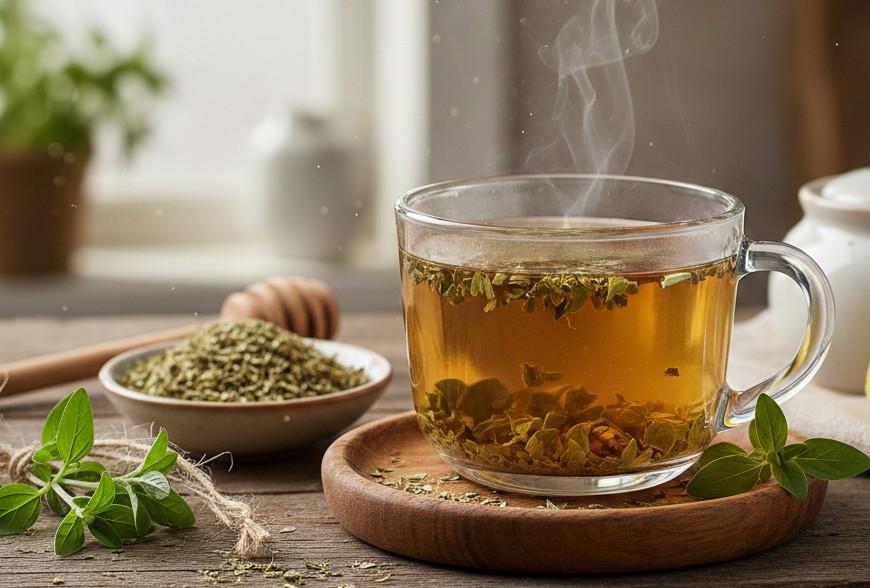
Herbal teas have been cherished for centuries for their healing potential, gentle nourishment, and calming rituals. Among these traditional remedies, marjoram tea stands out as a soothing and aromatic infusion with a long history in Mediterranean herbal medicine. Often overshadowed by more popular herbs like chamomile or peppermint, marjoram quietly offers impressive health-supporting properties that modern research is beginning to validate.
From easing digestive discomfort and menstrual cramps to promoting relaxation and hormonal balance, marjoram tea serves as a versatile herbal beverage suitable for many wellness goals. Its subtle sweetness and mild spice make it pleasant to drink, while its rich phytochemical profile contributes to its therapeutic value. In this guide, you will learn what marjoram tea is, its proven health benefits, possible side effects, preparation methods, recommended dosage, and important precautions.
What is Marjoram Tea?
Marjoram tea is a fragrant herbal infusion made from the leaves of marjoram, scientifically known as Origanum majorana. This aromatic herb belongs to the mint family (Lamiaceae) and is closely related to oregano. Native to the Mediterranean region, marjoram has been valued for centuries in traditional medicine, culinary practices, and natural healing systems.
The tea is prepared by steeping fresh or dried marjoram leaves in hot water, allowing its essential oils and plant compounds to infuse into the liquid. Marjoram contains beneficial phytochemicals such as flavonoids, tannins, terpenes, and volatile oils including carvacrol and thymol. These compounds are believed to contribute to its calming, digestive, anti-inflammatory, and antimicrobial properties.
Traditionally, marjoram tea has been used to relieve digestive discomfort, menstrual cramps, respiratory congestion, and anxiety. Today, it is increasingly popular among people seeking natural remedies to support hormonal balance, gut health, and overall wellness. Marjoram tea has a mild, slightly sweet, and subtly spicy flavor with earthy undertones. It can be enjoyed hot or cold and is often blended with honey, lemon, or other herbs for enhanced benefits.
Nutritional Facts of Marjoram Tea
Although marjoram tea is low in calories, it contains small amounts of vitamins, minerals, and powerful plant compounds. Below is an approximate nutritional profile per 1 cup (240 ml) of marjoram tea made from 1 teaspoon of dried marjoram:
| Nutrient | Approximate Amount |
|---|---|
| Calories | 2–5 kcal |
| Carbohydrates | <1 g |
| Fiber | Trace |
| Vitamin A | Small amounts |
| Vitamin C | Small amounts |
| Vitamin K | Trace |
| Iron | Trace |
| Calcium | Trace |
| Potassium | Small amounts |
| Magnesium | Small amounts |
| Flavonoids | Present |
| Tannins | Present |
| Essential oils (carvacrol, thymol) | Present |
While the vitamin and mineral content is modest, the real value of marjoram tea lies in its bioactive plant compounds, which provide therapeutic effects.
20 Science-Backed Benefits of Marjoram Tea
- Supports Digestive Health – Marjoram tea stimulates digestive enzymes and helps relieve bloating, gas, and indigestion.
- Reduces Menstrual Cramps – Its natural antispasmodic properties help relax uterine muscles and ease period pain.
- Balances Hormones – Marjoram may support hormonal balance, particularly in women with irregular cycles.
- Helps Manage PCOS Symptoms – Studies suggest marjoram can improve insulin sensitivity and hormonal markers in women with PCOS.
- Relieves Anxiety – Its calming aroma and mild sedative properties help reduce stress and nervous tension.
- Promotes Better Sleep – Marjoram tea may support restful sleep by relaxing the nervous system.
- Reduces Inflammation – The antioxidants in marjoram help combat inflammatory processes in the body.
- Boosts Immune Function – Antimicrobial compounds like thymol help the body fight infections.
- Eases Respiratory Congestion – Marjoram tea may help loosen mucus and soothe coughs.
- Supports Heart Health – Antioxidants in marjoram help protect blood vessels from oxidative stress.
- May Lower Blood Pressure – Its relaxing effect on blood vessels can contribute to mild blood pressure reduction.
- Improves Insulin Sensitivity – Marjoram may help regulate blood sugar levels.
- Relieves Headaches – Its muscle-relaxing properties may ease tension headaches.
- Supports Liver Health – Antioxidants assist in protecting liver cells from damage.
- Fights Bacterial Infections – Marjoram’s essential oils show antimicrobial activity against certain bacteria.
- Alleviates Cold Symptoms – Warm marjoram tea can soothe sore throat and mild cold discomfort.
- Supports Skin Health – Antioxidants may contribute to clearer, healthier skin.
- Reduces Muscle Tension – Its natural antispasmodic effects help relax tight muscles.
- May Improve Appetite – Marjoram can gently stimulate appetite in those with reduced hunger.
- Promotes Overall Relaxation – Drinking marjoram tea provides a calming ritual that supports emotional well-being.
10 Side Effects of Marjoram Tea
- May Cause Allergic Reactions – People allergic to mint-family plants may experience sensitivity.
- Can Lower Blood Sugar Too Much – Diabetics taking medication may experience hypoglycemia.
- May Reduce Blood Pressure Excessively – Individuals on antihypertensive medication should monitor levels.
- Not Recommended During Pregnancy – Marjoram may stimulate uterine contractions.
- May Interfere with Blood Clotting – It could increase bleeding risk when combined with anticoagulants.
- May Cause Digestive Upset in Excess – Overconsumption can lead to nausea or stomach irritation.
- Possible Hormonal Effects – It may influence estrogen levels in sensitive individuals.
- May Interact with Sedatives – Its calming effect may enhance drowsiness when combined with medications.
- Potential Skin Sensitivity – Contact with strong infusions may cause irritation in sensitive skin.
- May Trigger Asthma Symptoms in Rare Cases – Some individuals with respiratory sensitivities may react.
How to Make Marjoram Tea?
Ingredients:
- 1 teaspoon dried marjoram (or 1 tablespoon fresh leaves)
- 1 cup hot water
- Optional: honey or lemon
Instructions:
- Boil fresh water.
- Place marjoram leaves in a cup or teapot.
- Pour hot water over the leaves.
- Cover and steep for 5–10 minutes.
- Strain and serve warm.
Other Uses of Marjoram Tea
- Gargle for sore throat relief.
- Facial steam for clearer skin.
- Hair rinse for scalp health.
- Warm compress for mild muscle aches.
- Natural mouth rinse for oral hygiene.
How Much Marjoram Tea Can You Drink a Day?
- Most healthy adults can safely drink 1–2 cups daily.
- For short-term therapeutic use, up to 3 cups may be consumed under professional supervision.
- Long-term heavy consumption is not advised without medical guidance.
Tips for Consuming Marjoram Tea
- Use high-quality organic dried marjoram.
- Steep rather than boil the herb directly.
- Begin with small quantities to assess tolerance.
- Blend with calming herbs for enhanced benefits.
- Store herbs in airtight containers away from moisture and light.
Best Time to Drink Marjoram Tea
- After meals for digestion.
- In the evening for relaxation.
- During menstruation for cramp relief.
- At the first signs of cold or congestion.
Who Should Drink Marjoram Tea?
- Women with menstrual discomfort.
- Individuals with mild digestive issues.
- People experiencing stress or sleep disturbances.
- Those seeking gentle hormonal support.
Who Should Not Drink Marjoram Tea?
- Pregnant women.
- Individuals on blood thinners.
- People with very low blood pressure.
- Diabetics without medical supervision.
- Anyone allergic to mint-family herbs.
Precautions and Interactions
Marjoram tea may interact with:
- Blood pressure medications.
- Diabetes medications.
- Sedatives.
- Anticoagulants.
- Hormonal therapies.
Consult a healthcare provider before regular use, especially if managing a medical condition.
Final Thoughts
Marjoram tea is a gentle yet potent herbal infusion rooted in traditional Mediterranean medicine. Though low in calories and basic nutrients, it is rich in plant compounds that support digestion, relaxation, immune function, and hormonal balance. When consumed responsibly and in moderation, marjoram tea can be a soothing addition to a healthy lifestyle.
FAQ’s
What does marjoram tea taste like?
Marjoram tea has a mild, slightly sweet, earthy flavor with gentle citrus and floral undertones, making it soothing and easy to drink.
Is marjoram tea the same as oregano tea?
No, although marjoram (Origanum majorana) and oregano are closely related herbs from the same family, marjoram has a milder and sweeter flavor compared to the stronger, more pungent taste of oregano.
Does marjoram tea contain caffeine?
No, marjoram tea is naturally caffeine-free, making it suitable for evening consumption.
Can marjoram tea help with menstrual cramps?
Yes, marjoram contains natural antispasmodic compounds that may help relax uterine muscles and reduce menstrual discomfort.
Is marjoram tea good for PCOS?
Some studies suggest marjoram may support hormonal balance and improve insulin sensitivity, which can benefit women managing PCOS symptoms.
Can I drink marjoram tea every day?
Most healthy adults can safely drink 1–2 cups daily, but long-term use in high amounts should be discussed with a healthcare professional.
Is marjoram tea safe during pregnancy?
No, marjoram tea is generally not recommended during pregnancy because it may stimulate uterine contractions.
Can marjoram tea help with sleep?
Yes, its calming and mild sedative properties may help promote relaxation and support better sleep quality.
Does marjoram tea help digestion?
Yes, marjoram tea may relieve bloating, gas, and mild indigestion by supporting digestive enzyme activity.
Can marjoram tea lower blood pressure?
Marjoram may have mild blood pressure-lowering effects, so individuals on antihypertensive medication should consult a doctor before regular use.
Is marjoram tea good for colds and coughs?
Yes, warm marjoram tea may help soothe sore throats and ease mild respiratory congestion due to its antimicrobial and anti-inflammatory properties.
How long does it take for marjoram tea to work?
Effects such as relaxation or digestive relief may be noticed within 20–30 minutes, though hormonal benefits may require consistent use over several weeks.
Can marjoram tea affect blood sugar levels?
Yes, marjoram may improve insulin sensitivity and lower blood sugar, so people with diabetes should monitor their levels carefully.
How should marjoram tea be stored?
Store dried marjoram in an airtight container in a cool, dry place away from sunlight to preserve its potency and aroma.
Can children drink marjoram tea?
In small, diluted amounts, it may be safe for older children, but it is best to consult a pediatric healthcare provider before giving herbal teas to children.
What is Marjoram Tea made from?
Marjoram tea is made from the fresh or dried leaves of the herb Origanum majorana, a fragrant Mediterranean plant from the mint family, which is steeped in hot water to extract its beneficial plant compounds and essential oils.
What is Marjoram Tea good for?
Marjoram tea is commonly used to support digestion, relieve menstrual cramps, promote hormonal balance, reduce stress and anxiety, improve sleep quality, ease mild respiratory congestion, and provide antioxidant and anti-inflammatory benefits.
Also Read: