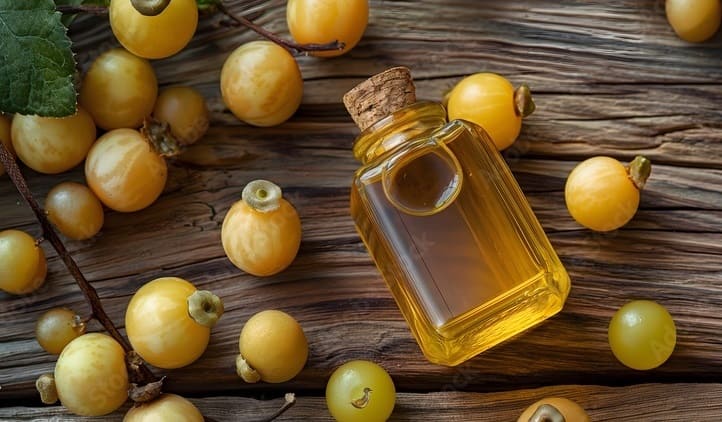
For centuries, African women have relied on the golden, silky texture of Marula oil to protect their skin and hair from the harsh effects of the sun and dry winds. Today, it has become a global beauty secret, praised by dermatologists and natural skincare lovers alike. But beyond its cosmetic charm, marula oil offers numerous health benefits due its impressive nutrient composition and antioxidant power.
If you’ve ever wondered why marula oil is often called “Africa’s beauty secret,” this guide will walk you through everything you need to know—from its origins and proven benefits to how you can use it daily.
What is Marula Oil?
Marula oil is a lightweight, nutrient-rich oil extracted from the kernels (nuts) of the Marula fruit (Sclerocarya birrea)—a tree native to Southern Africa. This fruit-bearing tree has been used for centuries not only for skincare but also as a source of nutrition and medicine.
There are two main types of marula oil:
- Marula seed oil – Extracted from the kernel inside the nut.
- Marula fruit oil – Extracted from the outer part of the fruit.
Both versions are packed with antioxidants, essential fatty acids, and amino acids, making them ideal for moisturizing, healing, and protecting both skin and hair. The oil’s texture is light and non-greasy, which allows it to absorb quickly into the skin without clogging pores.
Nutrition Facts of Marula Oil (Per 100g)
| Nutrient | Amount | Health Benefit |
|---|---|---|
| Calories | ~900 kcal | High energy source |
| Total Fat | 100 g | Provides essential fatty acids |
| Oleic Acid (Omega-9) | 70–78% | Hydration and skin barrier repair |
| Linoleic Acid (Omega-6) | 4–7% | Supports skin elasticity |
| Palmitic Acid | 8–12% | Moisturizing and protective |
| Stearic Acid | 5–8% | Softens skin and hair |
| Vitamin E (Tocopherol) | 19 mg | Powerful antioxidant |
| Flavonoids | Trace | Anti-inflammatory properties |
| Phenolic Compounds | Trace | Protects against oxidative stress |
| Amino Acids | Trace | Helps repair skin tissue |
Marula oil’s unique composition makes it a powerhouse for maintaining youthful skin and shiny hair while supporting general well-being.
20 Science-Backed Benefits of Marula Oil
Marula oil is more than a beauty product—it’s a holistic elixir that benefits your skin, hair, and overall health. Here’s how it works:
1. Deeply Moisturizes Skin
Marula oil’s high oleic acid content helps retain moisture and strengthens the skin barrier, keeping skin soft and hydrated for long periods.
2. Fights Premature Aging
Its antioxidant-rich composition, especially vitamin E and flavonoids, helps neutralize free radicals responsible for wrinkles and fine lines.
3. Reduces Skin Inflammation
Due to its anti-inflammatory compounds, marula oil helps calm irritated or inflamed skin, making it ideal for sensitive or acne-prone skin.
4. Boosts Skin Elasticity
Regular use helps improve skin firmness and elasticity, reducing sagging and keeping the skin plump.
5. Promotes Wound Healing
The amino acids and antioxidants in marula oil accelerate the healing process for minor cuts, burns, and blemishes.
6. Balances Oily Skin
Although it’s an oil, marula oil helps regulate sebum production, making it suitable even for people with oily or combination skin.
7. Strengthens Hair
It nourishes hair follicles, reducing breakage and strengthening strands from root to tip.
8. Adds Shine to Hair
Marula oil gives hair a natural gloss and smooth texture without making it greasy or heavy.
9. Protects Hair from Damage
The oil forms a protective barrier against UV rays, pollution, and heat styling tools.
10. Reduces Dandruff and Dry Scalp
Its hydrating and antibacterial properties help relieve dryness, itchiness, and flakiness on the scalp.
11. Nourishes Nails and Cuticles
Massaging marula oil on nails strengthens them and softens the surrounding skin, preventing breakage.
12. Soothes Sunburn
Marula oil helps cool down sunburnt skin and speeds up the recovery process due to its soothing and anti-inflammatory nature.
13. Improves Stretch Marks
The high vitamin E and fatty acid content help reduce the appearance of stretch marks during pregnancy or weight fluctuations.
14. Supports Collagen Production
Amino acids in marula oil play a role in collagen synthesis, keeping skin firm and youthful.
15. Enhances Makeup Application
Using a few drops before makeup provides a smooth base, acting as a natural primer.
16. Reduces Acne Scars
Its antibacterial and anti-inflammatory effects help fade acne scars over time.
17. Improves Lip Health
Marula oil can be used as a lip treatment to keep them soft, hydrated, and free from cracks.
18. Boosts Scalp Circulation
Massaging marula oil on the scalp improves blood flow, encouraging hair growth.
19. Acts as a Natural Antioxidant
The oil’s vitamin E and phenolic compounds protect cells from oxidative damage.
20. Strengthens the Skin Barrier
By replenishing essential lipids, marula oil improves the skin’s natural defense against pollution and harsh weather.
10 Side Effects of Marula Oil
While marula oil is generally safe and well-tolerated, it’s essential to be aware of possible side effects or precautions.
- Allergic Reactions: Some individuals may experience redness, itching, or irritation.
- Clogged Pores: Excessive use may cause clogged pores in oily skin types.
- Breakouts: Rarely, it may trigger acne in people with highly reactive skin.
- Greasy Feel: Using too much can leave a greasy residue on skin or hair.
- Scalp Build-up: Overuse in hair can lead to product accumulation on the scalp.
- Rancidity Risk: Improper storage may cause the oil to spoil and lose its benefits.
- Not Edible Grade: Most cosmetic oils are not suitable for consumption.
- Eye Irritation: Avoid direct contact with eyes as it may cause discomfort.
- Allergy to Tree Nuts: People allergic to nuts should perform a patch test before using.
- Sensitivity During Pregnancy: Pregnant or breastfeeding women should consult a doctor before using new skincare oils.
How to Use Marula Oil?
Marula oil is versatile—it can be used alone or blended with other skincare or haircare products. Here’s how to incorporate it into your routine:
For Skin:
- Apply 2–3 drops directly to clean skin as a moisturizer.
- Mix with your daily moisturizer or foundation for an extra glow.
- Use as a night serum to lock in hydration.
- Massage gently to help improve blood circulation.
For Hair:
- Apply a few drops to damp hair ends to prevent split ends.
- Use as a leave-in conditioner to smooth frizz.
- Mix with your shampoo or hair mask for added nourishment.
- Massage onto the scalp once or twice a week for hydration.
For Nails:
- Rub a small amount on cuticles daily to prevent dryness and cracking.
Other Uses of Marula Oil
- Massage Oil: Its lightweight texture makes it perfect for full-body massages.
- Lip Balm: Apply on dry lips for immediate relief.
- Makeup Remover: A few drops can remove makeup while moisturizing your skin.
- Beard Oil: Keeps beard hair soft, manageable, and hydrated.
- Body Oil: Apply after showering to lock in moisture and maintain supple skin.
Tips for Consuming Marula Oil
It’s important to note that most marula oils on the market are for external use only. However, edible-grade oil (used in some regions of Africa) can be used in small amounts for cooking or salad dressings.
If you use edible marula oil:
- Always ensure it’s food-grade.
- Avoid heating it at high temperatures, as that can destroy nutrients.
- Store in a cool, dark place to maintain freshness.
How to Take Marula Oil?
For cosmetic use:
- Apply 2–5 drops on clean skin or hair.
- Use it daily or as needed, depending on your skin’s dryness.
For food use (if edible-grade):
- Mix 1–2 teaspoons in salads or smoothies.
- Avoid frying or cooking at high heat.
How Much Marula Oil Can You Use Per Day?
- For Skin: 2–3 drops per application (morning and night).
- For Hair: 4–6 drops (depending on hair length and texture).
- For Nails: 1 drop per hand.
- For Oral Use (edible grade): 1 teaspoon daily is generally sufficient.
Overuse doesn’t increase its benefits—it may only make skin or hair greasy.
Marula Oil Dosage
If you’re using it for topical applications, there’s no fixed dosage—just use enough to lightly coat the desired area. For edible-grade marula oil, 1 teaspoon per day is a safe and beneficial amount.
Always consult a dermatologist or healthcare provider before internal use.
Best Time to Use Marula Oil
- Morning: Use a small amount before sunscreen to maintain skin hydration.
- Night: Apply a generous layer as part of your bedtime skincare routine.
- Hair: Use before bedtime or after showering for best absorption.
Nighttime use often yields better results since your skin repairs itself during sleep.
Who Should Use Marula Oil?
Oil is beneficial for almost everyone, especially:
- People with dry, flaky, or aging skin
- Those with frizzy or damaged hair
- Individuals living in dry or humid climates
- People looking for a lightweight, non-comedogenic moisturizer
- Anyone interested in natural skincare and haircare solutions
Who Should Not Use Marula Oil?
- People allergic to tree nuts
- Those with very oily or acne-prone skin (may cause mild breakouts)
- Individuals sensitive to fragrances or natural oils
- Pregnant or breastfeeding women (consult a doctor first)
- Anyone using strong acne treatments—it may interfere with absorption
How to Make Marula Oil at Home?
Making marula oil at home is a bit of a labor of love. It requires patience and care, but it’s worth the effort if you want a pure, chemical-free, and cold-pressed oil. This oil is extracted from the kernels (nuts) inside the marula fruit, which comes from the Sclerocarya birrea tree—native to Southern Africa. If you have access to fresh marula fruits or dried marula nuts, you can try making small batches of this nourishing oil at home.
What You’ll Need
Ingredients:
- Fresh marula fruits (or dried marula nuts)
- Clean, filtered water
Tools:
- Knife or nutcracker
- Mortar and pestle (or small grinder)
- Clean cloth or muslin bag
- Bowl or glass jar
- Double boiler or a pan for gentle heating
- Fine mesh strainer
- Dark glass storage bottle
Step-by-Step Process
1. Collect and Clean the Marula Fruits
Start by collecting ripe marula fruits. They’re typically yellowish when fully mature. Wash them thoroughly with clean water to remove any dirt or debris.
2. Remove the Flesh
Peel off the outer skin and remove the juicy pulp. You can use the pulp for making beverages, jams, or snacks. What you’ll need for oil extraction is the inner nut (stone) found inside the fruit.
3. Crack the Nuts
Once the fruit pulp is removed, let the nuts dry in sunlight for a few days. Then carefully crack the hard shell using a nutcracker or hammer. Inside, you’ll find tiny white kernels—these contain the precious marula oil.
Be gentle while cracking to avoid damaging the kernels, as they’re soft and delicate.
4. Roast or Sun-Dry the Kernels (Optional)
To make oil extraction easier, you can lightly roast the kernels for 3–5 minutes on low heat or sun-dry them for a few days. This step helps to loosen the oil and enhance its shelf life.
5. Grind or Crush the Kernels
Place the dried kernels in a mortar and pestle or a small grinder, and crush them into a coarse paste. The goal is to break down the kernel tissue to release the oil.
6. Heat the Paste Gently
Transfer the crushed paste to a pan or double boiler. Add a small amount of warm water to prevent burning. Warm the mixture over low heat (do not boil) for about 30–45 minutes. The oil will start to separate and rise to the top.
Note: Overheating can destroy nutrients, so always keep the temperature low—below 50°C if possible.
7. Strain the Oil
Once the oil starts forming, carefully pour the mixture through a muslin cloth or fine strainer into a clean bowl. Squeeze gently to extract as much oil as possible.
8. Let It Settle
Allow the oil to sit for a few hours so any remaining water or residue settles at the bottom. Then, gently pour the clear oil into another clean container, leaving the impurities behind.
9. Store Properly
Pour your freshly extracted marula oil into a dark glass bottle to protect it from light and oxidation. Store it in a cool, dry place—away from sunlight and heat.
When stored properly, homemade marula oil can last for up to 6 to 12 months.
Tips for Best Results
- Use Ripe Fruits: The oil content is highest in fully mature marula nuts.
- Avoid High Heat: Heating destroys antioxidants and vitamin E, so keep the process gentle.
- Keep Everything Clean: Use clean utensils and bottles to prevent contamination.
- Use a Cold-Press Method (if possible): If you have a hand-press or oil extractor, it’s the best way to preserve nutrients.
- Add Natural Preservatives (optional): A few drops of vitamin E oil can help extend shelf life naturally.
- Label Your Bottle: Write the extraction date to keep track of freshness.
How to Store Marula Oil?
To preserve marula oil’s quality:
- Store it in a cool, dry place away from direct sunlight.
- Keep it in a dark glass bottle to protect from oxidation.
- Always close the cap tightly after each use.
- Refrigeration is optional but can extend shelf life.
Properly stored marula oil can last up to 12–18 months.
Precautions and Interactions
- Patch Test: Always do a patch test before using to check for allergic reactions.
- Avoid Mixing with Retinoids: Using oil with retinol may cause irritation in sensitive skin.
- Don’t Use Expired Oil: Old oil may oxidize and cause skin issues.
- Consult a Doctor Before Ingestion: Only use edible-grade oil for cooking or internal use.
- Avoid Eye Area: It can cause mild irritation if it enters the eyes.
- Keep Away from Heat: High temperatures degrade nutrients and antioxidants.
- Avoid Synthetic Blends: Choose cold-pressed, 100% pure marula oil.
- Store Properly: Oxidized oil loses effectiveness and can clog pores.
- Children’s Use: Safe when applied in small amounts, but always consult a pediatrician first.
- Medication Interaction: No major interactions reported, but check with a healthcare professional if you are on topical or oral medications.
Final Thoughts
Marula oil is often described as a “miracle oil” for good reason. It’s incredibly nourishing yet light, making it a perfect addition to almost any skincare or haircare routine. Whether you’re dealing with dryness, frizz, or dull skin, oil brings a natural glow and resilience that synthetic products often can’t match.
Its high concentration of antioxidants, vitamins, and fatty acids makes it not just a cosmetic ingredient—but a true wellness ally. By choosing cold-pressed, pure marula oil and using it correctly, you can experience the same beauty traditions that African women have treasured for generations.
FAQ’s
What is marula oil used for?
Oil is used for moisturizing skin, strengthening hair, reducing wrinkles, treating dry scalp, and protecting skin from environmental damage.
Can I use marula oil on my face every day?
Yes, it’s gentle enough for daily use and suitable for all skin types, especially dry or mature skin.
Is marula oil good for oily skin?
Yes, but in small amounts. It helps balance sebum production without clogging pores.
Can marula oil be applied to hair roots?
Yes, applying it to the scalp nourishes hair follicles and promotes hair growth.
Can I use marula oil during pregnancy?
It’s generally safe for external use, but pregnant women should consult their doctor before using any new product.
How long does marula oil last?
When stored properly, oil can last up to 12–18 months.
Can marula oil remove dark spots?
Regular use can help fade dark spots and even out skin tone due to its antioxidant properties.
What is the difference between argan oil and marula oil?
Oil is lighter and absorbs faster than argan oil, making it better for oily or combination skin.
Can I mix marula oil with my moisturizer?
Yes, mixing a few drops with your daily moisturizer boosts hydration and adds a radiant glow.
Is marula oil good for sensitive skin?
Yes, it’s non-irritating and suitable for sensitive or allergy-prone skin.
Is marula oil safe for children?
Yes, oil is generally safe for children when used in small amounts and for external purposes like moisturizing dry skin or hair. It’s gentle, non-toxic, and free from harsh chemicals. However, it’s always best to do a patch test first and consult a pediatrician before using it regularly on a child’s skin.
Is marula oil safe to use daily?
Absolutely. oil is lightweight and non-comedogenic, making it suitable for daily use on both skin and hair. Regular use helps keep the skin soft, hydrated, and protected from environmental stress. Just a few drops each day are enough to enjoy its benefits without feeling greasy.
What is marula oil good for?
Oil is great for hydrating and nourishing the skin, softening hair, and protecting against dryness and aging. It’s rich in antioxidants, vitamin E, and essential fatty acids, which help in repairing damaged skin, reducing fine lines, and restoring natural shine to hair.
Does marula oil lighten skin?
Oil doesn’t bleach or lighten skin tone, but it can brighten your complexion naturally. Its antioxidants help reduce dullness, fade dark spots, and even out skin tone, giving your face a healthy, radiant glow over time.
How to apply marula oil on face?
Start with a clean, dry face, then take 2–3 drops of oil on your fingertips. Gently massage it into your skin using circular motions. You can apply it alone, mix it with your moisturizer, or use it as the final step in your nighttime skincare routine.
Do you use moisturizer after marula oil?
If you have dry or normal skin, you can use oil after moisturizer to lock in hydration. For oily or combination skin, it’s best to use it before moisturizer or on its own to avoid excess shine. The order depends on your skin’s needs and how heavy your moisturizer feels.
Can I use marula oil instead of moisturizer?
Yes, oil can replace your moisturizer, especially if you prefer a minimalist routine. It hydrates deeply, nourishes the skin, and creates a protective barrier to prevent moisture loss. Just 2–3 drops are enough to keep your skin soft and supple throughout the day.
Can marula oil grow hair?
Oil can support healthy hair growth by nourishing the scalp, improving blood circulation, and strengthening hair follicles. While it may not directly trigger new hair growth, it helps reduce breakage, dryness, and frizz—creating the right conditions for stronger, healthier hair.
Also Read: