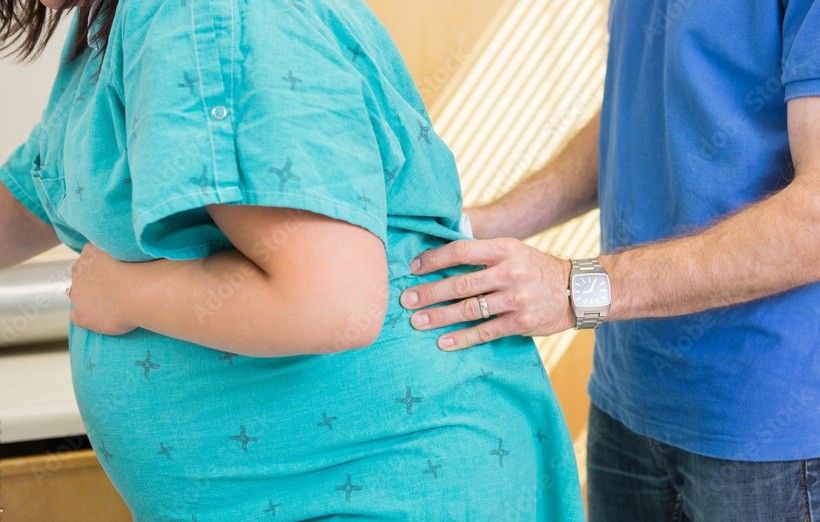
Labor is one of the most intense physical experiences a woman can go through. While every birth story is unique, one thing many women have in common is the desire to manage labor pain in a safe, supportive, and natural way. Among the many comfort measures available, massage stands out as one of the oldest and most trusted techniques for labor pain relief.
Massage during labor is not just about easing physical discomfort. It is also about emotional reassurance, connection, and helping the birthing person feel supported and in control. When used correctly, massage can reduce pain perception, calm the nervous system, encourage relaxation, and even help labor progress more smoothly.
In this guide, we will explore how massage works during labor, its benefits, different massage techniques for each stage of labor, pressure points, partner involvement, safety tips, and how to prepare in advance. Whether you are an expecting mother, a birth partner, or a doula, this guide will help you understand how massage can become a powerful tool during childbirth.
Understanding Labor Pain
Labor pain is caused by a combination of physical and emotional factors. As the uterus contracts, muscles tighten to help open the cervix and push the baby downward. These contractions can restrict blood flow temporarily, leading to pain signals. Stretching of the cervix, pressure on the lower back and pelvis, and the baby’s movement through the birth canal all contribute to discomfort.
Emotional elements such as fear, anxiety, and tension can intensify pain. When the body is stressed, it releases adrenaline, which can make muscles tense and contractions feel stronger. Massage works by counteracting this stress response, helping the body relax and release endorphins, which are natural pain-relieving hormones.
How Massage Helps Relieve Labor Pain?
Massage during labor works in several important ways:
1. Stimulates Endorphin Release
Endorphins are the body’s natural painkillers. Gentle, rhythmic touch encourages their release, reducing the perception of pain.
2. Promotes Relaxation
Massage relaxes tense muscles, particularly in the back, hips, shoulders, and thighs. Relaxed muscles allow contractions to work more effectively.
3. Improves Blood Circulation
Better circulation delivers oxygen to muscles and the uterus, which can help reduce cramping and discomfort.
4. Provides Emotional Support
Human touch reassures the birthing person that they are not alone. This emotional comfort can significantly reduce fear and anxiety.
5. Enhances Partner Involvement
Massage allows birth partners to actively support labor, strengthening emotional bonding during the birth process.
Benefits of Massage During Labor
Massage offers both physical and psychological benefits during childbirth:
- Reduces intensity of labor pain
- Lowers stress and anxiety levels
- Helps the mother feel supported and empowered
- Encourages relaxation between contractions
- May shorten the duration of labor
- Improves coping ability without medication
- Can be used alongside medical pain relief if needed
Because massage is non-invasive and drug-free, it is widely accepted in hospitals, birthing centers, and home births.
Preparing for Massage During Labor
Preparation plays a key role in making massage effective during childbirth.
Learn in Advance
Attend prenatal classes that include comfort measures. Practice massage techniques with your partner before labor begins.
Communicate Preferences
Every woman experiences touch differently. Discuss what feels soothing and what does not. Preferences may change during labor, so stay flexible.
Create a Calm Environment
Soft lighting, quiet music, and a calm atmosphere can enhance the effects of massage.
Use Massage Tools
Massage oils, lotions, tennis balls, or warm compresses can be helpful. Choose unscented or lightly scented products to avoid nausea.
Massage Techniques for Labor Pain Relief Naturally
Massage Techniques for the Early Stage of Labor
Early labor is often characterized by mild to moderate contractions that gradually become more regular. This is the ideal time to use gentle and relaxing massage techniques.
1. Effleurage (Light Stroking)
Effleurage involves slow, rhythmic strokes using the palms or fingertips.
How to do it:
- Use gentle pressure on the abdomen, back, or thighs
- Stroke in circular or upward motions
- Match the rhythm of breathing
Benefits:
- Promotes relaxation
- Reduces anxiety
- Helps distract from early contractions
2. Shoulder and Neck Massage
Tension often builds in the shoulders and neck during labor.
How to do it:
- Use thumbs or fingertips to knead the shoulder muscles
- Apply steady but gentle pressure
- Avoid sudden or sharp movements
Benefits:
- Releases upper-body tension
- Encourages deeper breathing
Massage Techniques for Active Labor
As labor intensifies, contractions become stronger and closer together. At this stage, many women prefer firmer pressure.
3. Lower Back Pressure
Lower back pain is common during labor, especially if the baby is positioned posteriorly.
How to do it:
- Apply firm pressure using fists, palms, or knuckles
- Press into the lower back or sacral area
- Hold pressure during contractions
Benefits:
- Reduces back labor pain
- Provides grounding support
4. Sacral Counterpressure
This technique focuses on the triangular bone at the base of the spine.
How to do it:
- Place the heel of the hand or knuckles on the sacrum
- Apply strong, steady pressure during contractions
Benefits:
- Highly effective for intense back pain
- Gives the birthing person something to lean into
5. Hip Squeeze Technique
Hip squeezes help widen the pelvic outlet and relieve pressure.
How to do it:
- Stand behind the birthing person
- Place hands on both hips
- Apply inward and upward pressure during contractions
Benefits:
- Reduces pelvic discomfort
- Can help labor progress
Massage Techniques for Transition Phase
The transition phase is often the most intense part of labor. Massage here should be purposeful and responsive.
6. Firm Holding or Still Touch
During intense contractions, some women prefer still, reassuring touch rather than movement.
How to do it:
- Place hands firmly on shoulders, back, or hips
- Avoid rubbing or stroking
Benefits:
- Provides emotional grounding
- Helps reduce sensory overload
7. Hand and Foot Massage
Hands and feet contain many nerve endings and reflex points.
How to do it:
- Gently knead palms and soles
- Use slow, consistent pressure
Benefits:
- Offers distraction from contraction pain
- Promotes full-body relaxation
Acupressure Points for Labor Pain Relief
Acupressure is a specialized form of massage that targets specific points believed to influence pain and labor progress.
8. LI4 (Hegu Point)
Located between the thumb and index finger.
Benefits:
- Reduces labor pain
- May strengthen contractions
Note: Should only be used during labor, not pregnancy.
9. SP6 (Sanyinjiao Point)
Located about four finger-widths above the inner ankle bone.
Benefits:
- Helps with pain relief
- May assist cervical dilation
10. BL32 (Sacral Point)
Located in the dimples of the lower back.
Benefits:
- Reduces back labor
- Encourages effective contractions
Role of the Birth Partner in Massage
Massage gives partners an active and meaningful role in labor.
Be Attentive
Watch body language and listen to verbal cues. What feels good at one moment may not feel good later.
Stay Calm
A calm partner helps the birthing person stay calm.
Ask for Feedback
Simple questions like “Is this pressure okay?” can make a big difference.
Take Breaks
Massage can be physically demanding. Rotate techniques or take short breaks when needed.
Massage Combined with Other Pain Relief Methods
Massage works well alongside other comfort measures:
- Breathing techniques
- Warm showers or water birth
- Birth balls
- Visualization and relaxation exercises
- Medical pain relief such as epidurals
Massage does not interfere with medical interventions and can be used before or after them.
Safety Tips and When to Avoid Massage
Massage during labor is generally safe, but there are a few precautions:
- Avoid deep pressure on the abdomen
- Do not massage areas with injury, infection, or inflammation
- Stop if the birthing person feels discomfort or irritation
- Follow medical guidance in high-risk pregnancies
Always respect the mother’s wishes. Consent is essential at every stage.
Post-Birth Massage Benefits
Massage does not stop being helpful after delivery.
After Birth Benefits
- Relieves muscle soreness
- Promotes relaxation
- Supports emotional bonding
- Helps with postpartum recovery
Gentle massage can also support breastfeeding by reducing stress and tension.
Emotional Impact of Massage During Labor
Beyond physical relief, massage fosters emotional security. Touch communicates reassurance when words fall short. Many women later describe massage as one of the most comforting aspects of their labor experience.
Feeling supported can help reduce birth trauma and increase satisfaction with the childbirth experience.
Final Thoughts
Massage techniques for labor pain relief offer a powerful, natural, and deeply human way to support childbirth. They require no machines, no medication, and no special equipment, just caring hands and attentive presence. While massage may not remove pain entirely, it can transform how pain is experienced. By reducing fear, promoting relaxation, and strengthening emotional bonds, massage helps women feel empowered during one of life’s most intense moments.
Every labor is different, and there is no single “right” way to cope. Massage is simply one of many tools, but for many women, it becomes an essential one. With preparation, communication, and trust, massage can turn labor into a more calm, connected, and manageable experience.
FAQ’s
Can massage really reduce labor pain?
Yes, massage can help reduce labor pain by relaxing muscles, stimulating endorphin release, improving circulation, and providing emotional support during contractions. While it may not eliminate pain completely, it can make the experience more manageable and less stressful.
Which massage techniques are best for labor?
Common techniques include effleurage (gentle stroking), lower back pressure, sacral counterpressure, hip squeezes, shoulder and neck massage, hand and foot massage, and acupressure on points like LI4, SP6, and BL32. The choice depends on personal comfort and stage of labor.
Can my partner perform labor massage effectively?
Absolutely. Birth partners can provide massage with proper preparation and communication. Learning techniques in advance, paying attention to feedback, and remaining calm are key for effective support.
Are there any risks of massaging during labor?
Massage is generally safe, but it should be avoided on areas with injuries, infections, or swelling. Deep abdominal massage is not recommended. Always follow medical advice, especially in high-risk pregnancies.
When should massage be avoided during labor?
Avoid massage if the mother experiences complications such as high-risk pregnancy, placenta previa, preterm labor, or if the healthcare provider advises against it. Stop massage immediately if it causes pain or discomfort.
Can massage be combined with other pain relief methods?
Yes. Massage can be used alongside breathing techniques, hydrotherapy, birth balls, relaxation exercises, and even medical interventions like epidurals. It complements other comfort measures without interference.
Does massage help with emotional support during labor?
Yes, touch during labor provides reassurance and reduces anxiety. It strengthens the emotional bond between the mother and birth partner and can help the mother feel more in control.
Are acupressure points safe during labor?
Acupressure points like LI4, SP6, and BL32 can be safe and effective when used properly during labor. They should not be used during pregnancy before labor without professional guidance.
Can massage shorten the duration of labor?
While massage cannot guarantee a shorter labor, it can relax the body and reduce stress, which may help labor progress more smoothly and efficiently.
Is massage beneficial after childbirth?
Yes, postpartum massage helps relieve muscle soreness, promotes relaxation, reduces stress, and supports emotional well-being. It can also enhance recovery and support breastfeeding.
Also Read: