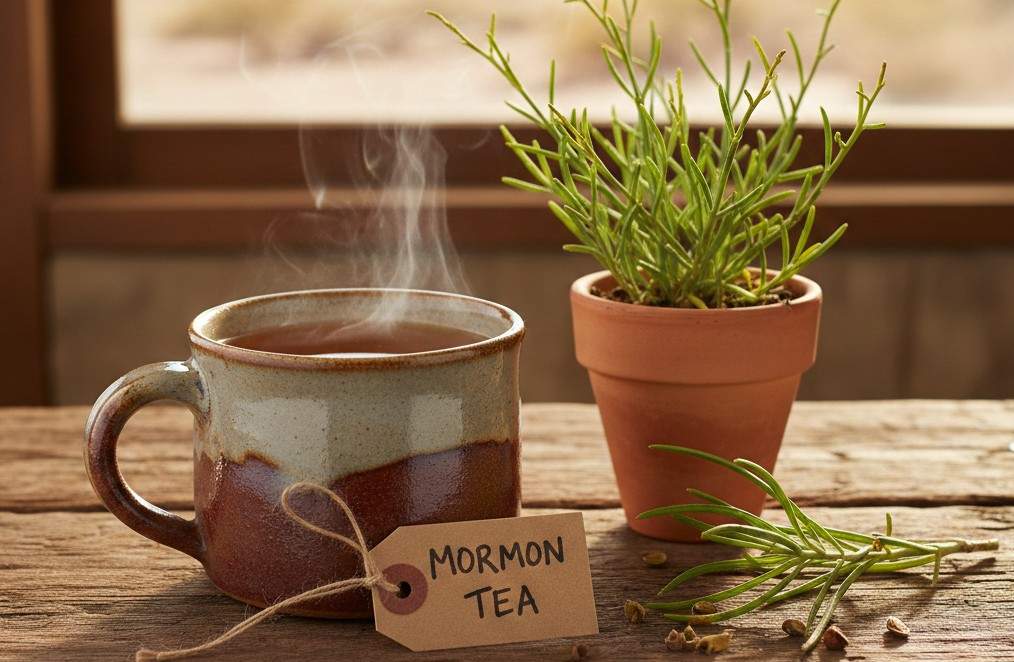
Mormon Tea is a traditional herbal beverage with deep roots in Native American and early American settler history. Known for its stimulating properties and desert resilience, this unique tea has been used for centuries as a natural remedy for respiratory issues, fatigue, and more. Although it is not as mainstream as green tea or chamomile tea, Mormon Tea has a fascinating botanical background and a powerful phytochemical profile that makes it worth exploring. In this guide, we will explore what Mormon Tea is, its proven health benefits, possible side effects, preparation methods, dosage guidelines, and safety precautions.
What is Mormon Tea?
Mormon Tea is an herbal infusion made from the stems of plants in the Ephedra genus, most commonly Ephedra nevadensis, Ephedra viridis, and Ephedra trifurca. These plants grow in arid regions of North America, especially in desert areas of the western United States.
The name “Mormon Tea” originates from early members of The Church of Jesus Christ of Latter-day Saints, who brewed the plant stems as a caffeine-free alternative to traditional tea and coffee. Unlike some Asian Ephedra species such as Ephedra sinica, which contain significant amounts of ephedrine alkaloids, many North American varieties used for Mormon Tea contain little to no ephedrine. This distinction is important because ephedrine is a powerful stimulant that has been regulated or banned in many countries due to safety concerns.
Traditionally, Mormon Tea has been used for:
- Colds and respiratory congestion
- Asthma symptoms
- Fatigue
- Kidney and urinary issues
- Fever reduction
The tea is typically made by simmering the dried green stems in water, producing a mild, grassy, slightly bitter infusion.
Components of Mormon Tea
Mormon Tea is not consumed for calories or macronutrients but rather for its phytochemicals and bioactive compounds. The exact composition varies by species and preparation method. Below is an approximate nutritional and phytochemical profile per 1 cup (240 ml) of brewed Mormon Tea:
| Nutrient / Compound | Approximate Amount | Function |
|---|---|---|
| Calories | 0–2 kcal | Negligible energy |
| Carbohydrates | <1 g | Trace plant compounds |
| Protein | 0 g | None |
| Fat | 0 g | None |
| Fiber | 0 g | Not significant |
| Tannins | Small amounts | Antioxidant properties |
| Flavonoids | Present | Anti-inflammatory effects |
| Alkaloids (varies by species) | Low to trace | Mild stimulant (if present) |
| Volatile oils | Trace | Aromatic and therapeutic effects |
| Antioxidants | Present | Cellular protection |
Note: North American species such as Ephedra nevadensis typically contain very low levels of ephedrine compared to Asian Ephedra varieties.
20 Science-Backed Benefits of Mormon Tea
Below are potential benefits supported by traditional use and research on Ephedra species and related phytochemicals.
- Supports Respiratory Health: Mormon Tea has traditionally been used to help open airways and ease breathing due to mild bronchodilatory properties.
- May Relieve Nasal Congestion: Certain Ephedra compounds can help reduce swelling in nasal passages and improve airflow.
- Helps Reduce Asthma Symptoms: Some species of Ephedra have been studied for their ability to relax bronchial muscles.
- Boosts Energy Levels: Mild stimulant compounds may increase alertness and reduce fatigue.
- Enhances Mental Focus: The stimulating effects may support improved concentration and cognitive clarity.
- May Promote Thermogenesis: Ephedra-related compounds can slightly increase metabolic rate.
- Supports Weight Management: Historically, Ephedra-containing products were used to aid fat metabolism.
- May Improve Circulation: Stimulant properties can enhance blood flow in some individuals.
- Antioxidant Protection: Flavonoids and plant polyphenols help combat oxidative stress.
- May Reduce Inflammation: Bioactive compounds may modulate inflammatory pathways.
- Supports Immune Function: Traditional use includes treatment during colds and flu.
- May Help With Fever Reduction: Indigenous communities used it as a febrifuge.
- Supports Urinary Health: Historically consumed for kidney and bladder discomfort.
- May Act as a Mild Diuretic: Encourages urine flow and fluid balance.
- Supports Digestive Comfort: Bitter compounds may stimulate digestive secretions.
- May Improve Physical Endurance: Stimulant effects may enhance stamina temporarily.
- Potential Antimicrobial Activity: Some studies suggest Ephedra extracts may inhibit certain microbes.
- May Elevate Mood: Mild stimulation can improve temporary mood states.
- Supports Traditional Detox Practices: Used historically in cleansing rituals.
- Adaptogenic-Like Effects: May help the body respond to physical stressors.
10 Side Effects of Mormon Tea
Although North American Mormon Tea species are generally milder than Asian Ephedra varieties, caution is still necessary.
- Increased Heart Rate: Stimulant compounds may elevate pulse rate.
- High Blood Pressure: May raise blood pressure in sensitive individuals.
- Insomnia: Drinking it late in the day can interfere with sleep.
- Anxiety or Nervousness: Stimulants may worsen anxiety symptoms.
- Headaches: Excess consumption may trigger tension headaches.
- Digestive Upset: Some people may experience nausea or stomach discomfort.
- Palpitations: Heart rhythm disturbances can occur in rare cases.
- Dizziness: Overuse may lead to lightheadedness.
- Dependency Risk (Rare): Frequent use of stimulant-containing species may lead to reliance.
- Drug Interactions: May interact with medications affecting heart rate or blood pressure.
How to Make Mormon Tea?
Making Mormon Tea is simple and requires only dried stems and water.
Ingredients:
- 1 tablespoon dried Mormon Tea stems
- 2 cups water
Instructions:
- Rinse the dried stems lightly under cool water.
- Bring 2 cups of water to a boil.
- Add the stems to the boiling water.
- Reduce heat and simmer for 10–15 minutes.
- Strain the liquid into a cup.
- Serve warm. Honey or lemon may be added if desired.
The flavor is mild, grassy, and slightly bitter.
Other Uses of Mormon Tea
Beyond drinking it as a beverage, Mormon Tea has been used in other ways:
- Traditional steam inhalation for respiratory relief
- Herbal compresses for muscle aches
- Natural desert survival hydration aid
- Cultural and ceremonial practices
- Historical caffeine-free alternative beverage
Some herbalists also use it in tincture form, though this should be done under professional guidance.
How Much Mormon Tea Can You Drink a Day?
For most healthy adults:
- 1–2 cups per day is generally considered moderate.
- Avoid exceeding 3 cups daily.
- Do not use continuously for extended periods without breaks.
If using wild-harvested plants, correct species identification is critical.
Tips for Consuming Mormon Tea
- Start with a small amount to assess tolerance.
- Avoid combining with other stimulants.
- Drink earlier in the day to prevent sleep disruption.
- Purchase from reputable herbal suppliers.
- Consult a healthcare provider if you have pre-existing conditions.
Best Time to Drink Mormon Tea
The best time to drink Mormon Tea is:
- Morning, for energy support
- Early afternoon, for alertness
- During cold or congestion symptoms
Avoid evening consumption to prevent insomnia.
Who Should Drink Mormon Tea?
Mormon Tea may be suitable for:
- Adults seeking mild natural stimulation
- Individuals experiencing occasional congestion
- People looking for a traditional herbal beverage
- Those wanting a caffeine-free alternative to coffee
Who Should Not Drink Mormon Tea?
Avoid Mormon Tea if you:
- Have high blood pressure
- Have heart disease
- Are pregnant or breastfeeding
- Have anxiety disorders
- Take stimulant medications
- Have thyroid disorders
- Are sensitive to herbal stimulants
Children should not consume Mormon Tea without medical supervision.
Precautions and Interactions
Because Ephedra species have a controversial history, safety precautions are essential.
- Avoid combining with caffeine or other stimulants.
- Do not mix with decongestant medications.
- Avoid use with MAO inhibitors or antidepressants.
- Use caution if taking blood pressure medication.
- Stop immediately if experiencing chest pain or severe symptoms.
In many countries, ephedrine-containing supplements have been restricted due to cardiovascular risks. Although Mormon Tea varieties in North America typically contain minimal ephedrine, responsible use is critical.
Final Thoughts
Mormon Tea is a fascinating herbal beverage rooted in desert tradition and early American history. Made from North American Ephedra species, it has been used for respiratory support, energy enhancement, and general wellness. While it offers several potential benefits, it also carries risks, especially if misused or consumed excessively.
If you are considering adding Mormon Tea to your routine, start slowly, use moderate amounts, and consult a healthcare professional if you have underlying health conditions. As with any herbal remedy, informed and cautious use ensures the greatest benefit with the least risk.
By respecting both its traditional heritage and modern scientific understanding, Mormon Tea can be appreciated as a unique and powerful botanical beverage.
FAQ’s
What is Mormon Tea made from?
Mormon Tea is made from the dried stems of North American Ephedra species such as Ephedra nevadensis, Ephedra viridis, and Ephedra trifurca.
Does Mormon Tea contain caffeine?
No, Mormon Tea is naturally caffeine-free, which is why it was traditionally used as a coffee and black tea substitute.
Does Mormon Tea contain ephedrine?
Most North American species used for Mormon Tea contain little to no ephedrine, unlike Ephedra sinica, which is known for higher ephedrine content.
What does Mormon Tea taste like?
Mormon Tea has a mild, grassy, slightly earthy flavor with a subtle bitterness, especially when brewed longer.
What is Mormon Tea good for?
Traditionally, Mormon Tea has been used to support respiratory health, relieve congestion, promote mild energy, and support urinary function.
Is Mormon Tea safe to drink daily?
For most healthy adults, 1–2 cups per day is generally considered moderate, but long-term daily use should be discussed with a healthcare professional.
Can Mormon Tea help with colds?
Historically, it has been used to help ease cold symptoms such as congestion and mild breathing discomfort.
Is Mormon Tea good for weight loss?
Some Ephedra species have been associated with metabolic stimulation, but North American Mormon Tea varieties are typically milder and should not be relied upon as a weight-loss solution.
Can pregnant women drink Mormon Tea?
Pregnant and breastfeeding women should avoid Mormon Tea due to potential stimulant effects and limited safety research.
Can Mormon Tea raise blood pressure?
In some individuals, especially those sensitive to stimulants, Mormon Tea may increase heart rate and blood pressure.
How long should you steep Mormon Tea?
It is usually simmered for 10–15 minutes to extract beneficial plant compounds.
Can you mix Mormon Tea with other herbs?
Yes, it can be blended with soothing herbs like chamomile or mint, but it should not be combined with other stimulant herbs.
Is Mormon Tea legal?
North American Mormon Tea plants are generally legal to grow and consume, but regulations may vary depending on the region and specific Ephedra species.
Can children drink Mormon Tea?
It is not recommended for children unless advised by a qualified healthcare professional.
How is Mormon Tea different from Ma Huang?
Mormon Tea typically comes from North American Ephedra species with minimal ephedrine content, whereas Ma Huang refers to Ephedra sinica, which contains higher levels of active alkaloids and has stricter regulations.
How long does it take for Mormon Tea to work?
Effects are usually felt within 15–45 minutes, depending on the person and brew strength.
How should Mormon Tea be stored?
Store dried stems in an airtight container in a cool, dry, dark place for up to one year.
Is Mormon Tea the same as Navajo tea?
Often yes; both commonly refer to species like Ephedra nevadensis, though the names come from different cultural traditions.
Why can Mormons drink herbal tea but not black tea?
Members of The Church of Jesus Christ of Latter-day Saints avoid coffee and traditional teas under the Word of Wisdom, but most caffeine-free herbal teas are generally allowed.
Why is it called Mormon Tea?
The name comes from early Latter-day Saint settlers who used Ephedra as a caffeine-free tea substitute.
Also Read: