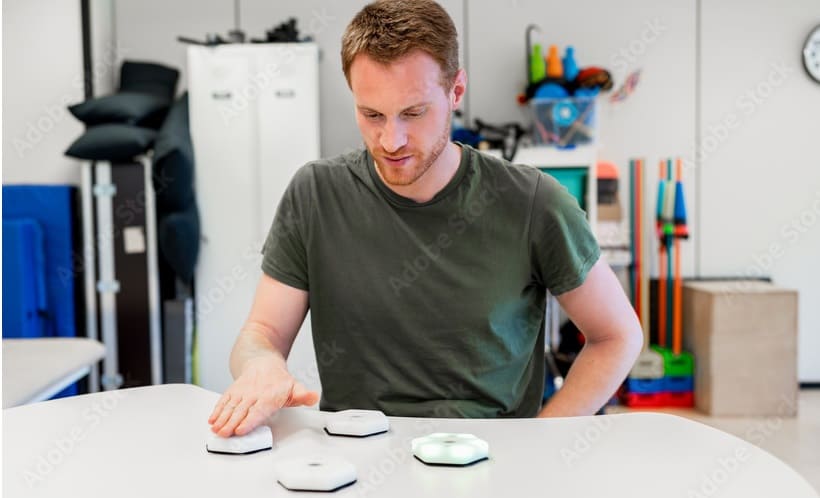
We often talk about exercising the body—hit the gym, stretch, walk 10,000 steps, eat protein, sleep 8 hours. But how often do we talk about exercising the brain? The truth is, the brain functions much like a muscle. The more you challenge it, train it, and fuel it, the stronger and sharper it becomes. If ignored, it can become sluggish, forgetful, and slow with age.
Brain exercises don’t require a gym, equipment, or sweat. They simply require consistency, curiosity, and willingness to challenge yourself mentally. Whether you’re a student struggling with memory, a professional battling lack of focus, or a senior wanting to stay mentally active—brain exercises can help everyone.
What Are Brain Exercises?
Brain exercises are activities, mental workouts, and cognitive challenges designed to:
- Stimulate neural connections
- Improve memory, concentration, and thinking speed
- Strengthen problem-solving and critical thinking
- Boost creativity
- Reduce risk of cognitive decline
- Improve overall brain health
Just like lifting weights makes the body stronger, solving puzzles, learning new skills, and stimulating the mind create new neural pathways, improving overall brain efficiency.
How Brain Exercises Affect the Brain (Science Backed)
Research shows that brain exercises:
- Increase Neuroplasticity – the brain’s ability to form new connections.
- Boost Grey Matter Volume – improving memory, decision-making, and self-control.
- Increase Production of BDNF (brain-derived neurotrophic factor) – a protein that supports learning and memory.
- Slow Cognitive Aging – delaying risks of Alzheimer’s and dementia.
- Enhance Dopamine Levels – improving motivation and pleasure associated with learning.
A study from Harvard Medical School shows that mentally stimulating activities can lower the risk of Alzheimer’s by up to 50%.
Signs Your Brain Needs More Mental Exercise
- Forgetting things frequently
- Trouble focusing or concentrating
- Feeling mentally tired often
- Loss of interest in learning new things
- Struggling to make decisions
- Feeling mentally “slow”
- Difficulty recalling words or names
If these signs feel familiar, it doesn’t mean something is wrong—it means your brain is asking for stimulation.
20 Most Effective Brain Exercises
1. Read Something New Every Day
Reading stimulates neural pathways, improves vocabulary, comprehension, focus, and imagination.
2. Solve Puzzles (Sudoku, Crosswords, Jigsaw)
Puzzles enhance problem-solving, logic, reasoning, and memory.
3. Learn a New Language
Learning new languages improves cognitive function, multitasking, and memory.
4. Memorize Something Daily
Poems, quotes, speech dialogues—anything memorized strengthens recall abilities.
5. Try Mental Math
Skip calculators occasionally. Solve sums in your head to increase processing speed.
6. Play Strategy Games (Chess, Brain Teasers)
Boosts planning, critical thinking, logic, and patience.
7. Meditate Regularly
Studies show meditation increases grey matter, improves focus, reduces stress, and enhances emotional intelligence.
8. Change Your Routine
Brush with the other hand. Take a new route. Small changes rewire the brain.
9. Write by Hand
Handwriting improves retention and cognitive processing compared to typing.
10. Learn an Instrument
Music stimulates both sides of the brain, improving coordination and memory.
11. Try Drawing or Painting
Creative expression enhances imagination and strengthens neural pathways.
12. Socialize & Have Meaningful Conversations
Talking, debating, storytelling, and listening stimulate cognitive processing.
13. Teach Someone Something
Teaching requires processing, understanding, and communicating—top tier brain stimulation.
14. Do Mindful Observation
Pick an object and describe it in detail in your mind. This improves focus and awareness.
15. Try Visualization Exercises
Visualizing tasks or places activates the same brain areas as real experiences.
16. Take Memory Challenges
Try recalling grocery lists, phone numbers, or details from your day without writing them down.
17. Learn a New Skill
Cooking a new dish, crafting, coding, photography—learning anything new enhances brain growth.
18. Practice Gratitude Journaling
Writing emotions improves emotional intelligence and self-awareness.
19. Dance
Improves coordination, memory, learning, spatial awareness, and mood.
20. Sleep Well
The brain consolidates memories during sleep. Lack of sleep = poor memory & slow thinking.
Best Brain Exercises for Memory Improvement
- Recall daily events in detail before bed
- Play memory card games
- Practice chunking (grouping information)
- Learn poems or song lyrics
- Teach information you just learned to someone
- Take quizzes to recall information
- Create mind maps
- Use storytelling to remember facts
Best Brain Exercises for Focus & Concentration
- Do 10 minutes of meditation
- Practice deep breathing
- Do one task at a time (no multitasking)
- Try the 10-minute focus rule (work 10 min, break 2 min)
- Put distractions away
- Practice mindful listening
- Do dot-to-dot puzzles
Best Brain Exercises for Creativity
- Write short stories or poems
- Try “what if” thinking exercises
- Draw random shapes and turn them into objects
- Create something with limited resources
- Brainstorm 10 solutions for 1 problem
Brain Exercises for Kids
| Activity | Benefits |
|---|---|
| Memory card games | Improves recall |
| Learning rhymes | Strengthens language & memory |
| Puzzles | Develops logic |
| Counting games | Improves brain processing |
| Drawing | Enhances creativity |
| Learning a new hobby | Boosts cognitive growth |
| Storytelling | Builds imagination |
Brain Exercises for Adults
| Activity | Benefits |
|---|---|
| Learning new skills | Enhances neuroplasticity |
| Journaling | Boosts emotional intelligence |
| Strategy games | Improves critical thinking |
| Meditation | Reduces stress |
| Reading | Strengthens focus |
Brain Exercises for Seniors
| Activity | Benefits |
|---|---|
| Light puzzles | Reduces cognitive decline |
| Reading | Keeps brain active |
| Walking & talking | Improves memory |
| Chess | Improves logic |
| Learning music | Delays dementia risks |
Daily 10-Minute Brain Workout Routine
| Time | Activity |
|---|---|
| 2 min | Deep breathing |
| 2 min | Mental math |
| 2 min | Memorize 3 new words |
| 2 min | Recall yesterday’s events |
| 2 min | Focused observation of objects |
Brain-Boosting Habits to Pair with Mental Exercises
- Drink enough water
- Eat brain foods (nuts, berries, fish, dark chocolate)
- Sleep 7–8 hours
- Reduce screen time
- Avoid chronic stress
- Exercise physically
- Cut out multitasking
Foods That Support Brain Exercise Results
| Food | Benefit |
|---|---|
| Blueberries | Improves memory |
| Walnuts | Boosts cognition |
| Dark chocolate | Enhances focus |
| Salmon | Supports brain cells |
| Turmeric | Reduces inflammation |
| Green tea | Improves alertness |
| Pumpkin seeds | Supports brain signaling |
What Happens When You Train Your Brain Regularly?
- Faster thinking
- Better memory
- Stronger focus
- Sharper creativity
- Lower stress
- Less mental fatigue
- Improved confidence
- Higher emotional balance
Common Mistakes People Make
- Only doing easy tasks that don’t challenge the brain
- Expecting fast results
- Not staying consistent
- Ignoring sleep and diet
- Not trying new things
Growth happens outside your comfort zone. The brain improves when challenged, not when comfortable.
How Many Minutes a Day Should You Do Brain Exercises?
You don’t need hours.
- Beginners: 5–10 min/day
- Intermediate: 15–20 min/day
- Advanced: 30 min/day
Consistency matters more than duration.
FAQ’s
Do brain exercises really work?
Yes. Scientific studies show that consistent brain training helps enhance memory, focus, neuroplasticity, and mental processing speed, especially when combined with healthy habits like good sleep, nutrition, and physical activity.
How often should you do brain exercises?
Ideally, 5–20 minutes daily. Even a short but consistent mental workout can significantly improve brain function over time.
How long does it take to see results from brain training?
Most people notice improvements in memory, focus, and thinking clarity within 3 to 6 weeks of regular practice, depending on individual lifestyle and consistency.
Can brain exercises improve memory?
Yes. Activities like memorization, puzzles, learning new skills, and recall training strengthen memory by forming new neural pathways in the brain.
What are the best brain exercises for adults?
Some of the best include reading, journaling, learning a new skill, solving puzzles, meditation, mental math, strategy games, and memory recall activities.
What brain exercises are good for kids?
Puzzles, storytelling, memory games, learning rhymes, drawing, counting activities, and problem-solving games are excellent for children’s brain development.
Can brain exercises help prevent dementia?
They can help lower the risk. Regular mental stimulation, combined with physical exercise and a healthy lifestyle, has been linked to a reduced risk of dementia and cognitive decline.
Can brain exercises increase IQ?
Brain exercises may not drastically change IQ but can improve working memory, logic, problem-solving, processing speed, and learning ability, which contribute to sharper intelligence.
What are signs your brain needs exercise?
Frequent forgetfulness, difficulty focusing, feeling mentally tired, lack of creativity, slow thinking, trouble making decisions, and low motivation to learn new things.
Do brain games count as brain exercise?
Yes, games like chess, Sudoku, crosswords, and strategy puzzles stimulate the brain, but for best results, they should be combined with real-life learning and cognitive challenges.
Can adults grow new brain cells?
Yes. Through a process called neurogenesis, the brain can create new neurons throughout life, especially when stimulated with learning, exercise, and good nutrition.
What foods help improve brain exercise results?
Brain-boosting foods include walnuts, blueberries, dark chocolate, salmon, green tea, seeds, turmeric, and leafy greens.
Is reading a brain exercise?
Absolutely. Reading improves comprehension, memory, analytical thinking, imagination, focus, and vocabulary.
Is meditation a brain exercise?
Yes. Meditation strengthens focus, reduces stress, improves emotional control, and increases grey matter, which enhances memory and cognition.
What is the easiest brain exercise to start with?
Daily activities like recalling your day in detail, doing mental math, reading for 10 minutes, deep breathing, or observing your surroundings mindfully are simple and effective.
Do brain exercises improve concentration?
Yes. Activities like meditation, memory games, single-task focus exercises, and puzzles significantly enhance attention and concentration over time.
Can lack of mental stimulation affect the brain?
Yes. Low mental engagement can lead to poor memory, slow cognitive function, reduced creativity, difficulty focusing, and increased risk of cognitive decline with age.
Are brain exercises different from studying?
Yes. Studying focuses on learning specific information, while brain exercises aim to train and improve how the brain functions overall.
Can brain exercises reduce stress?
Yes. Mental activities like sudoku, breathing exercises, journaling, chess, and meditation help relax the brain, improve mood, and lower stress levels.
Conclusion
A fit brain makes life sharper, easier, and more fulfilling. Whether it’s remembering names, staying focused at work, solving problems creatively, or protecting cognitive health in the long run—mental exercise plays a crucial role. You don’t need dramatic changes. Just a few minutes a day can transform the way your brain works, reacts, and grows.
Also Read: