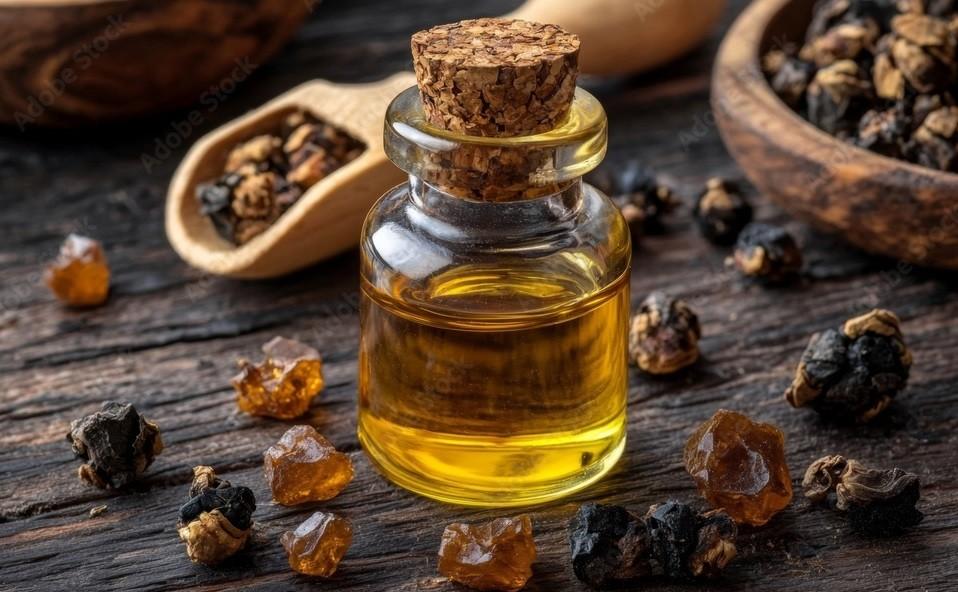
Myrrh oil may sound ancient, and in many ways, it truly is. Used for thousands of years in traditional medicine, religious rituals, skincare, and healing practices, myrrh oil has stood the test of time. From ancient Egypt to Ayurveda and traditional Chinese medicine, this resin-based oil has been valued for its powerful healing and cleansing properties.
Today, myrrh oil is making a strong comeback as people look for natural ways to support oral health, skin healing, immunity, and emotional balance. But like any potent natural remedy, it needs to be used correctly and mindfully. In this guide, we will explore everything you need to know about myrrh oil, from its science-backed health benefits to dosage, side effects, and safe usage tips.
What Is Myrrh Oil?
Myrrh oil is an essential oil extracted from the resin of the Commiphora myrrha tree, which is native to parts of Africa and the Middle East. The tree produces a sticky, aromatic resin when its bark is cut. This resin hardens and is later steam-distilled to produce myrrh essential oil.
The oil has a thick texture, deep amber color, and a warm, earthy, slightly bitter aroma. Traditionally, myrrh has been used for wound healing, oral hygiene, embalming, spiritual rituals, and treating infections. In modern times, myrrh oil is commonly used in aromatherapy, skincare, oral care products, and natural medicine.
Components of Myrrh Oil
| Component | Type | Role / Benefit |
|---|---|---|
| Sesquiterpenes | Terpene compounds | Provide anti-inflammatory, grounding, and calming effects |
| Furanoeudesma-1,3-diene | Sesquiterpenoid | Contributes to antimicrobial and immune-supporting properties |
| Curzerene | Sesquiterpene | Offers antioxidant and anti-inflammatory benefits |
| Lindestrene | Sesquiterpene | Helps with pain relief and infection control |
| Germacrene B | Terpene | Supports antibacterial and antifungal activity |
| β-Elemene | Sesquiterpene | Known for antioxidant and protective effects |
| Caryophyllene | Sesquiterpene | Helps reduce inflammation and supports skin healing |
| Resin acids | Natural resins | Aid in wound healing and tissue repair |
| Volatile oils | Aromatic compounds | Responsible for aroma and therapeutic effects |
| Antioxidant compounds | Bioactive compounds | Protect cells from oxidative stress |
20 Proven Benefits of Myrrh Oil
1. Supports Oral Health
Myrrh oil has been traditionally used to maintain healthy gums and teeth. Its antibacterial properties help fight harmful bacteria that cause gum disease, bad breath, and mouth ulcers.
2. Promotes Wound Healing
When diluted and applied topically, myrrh oil can help speed up the healing of cuts, minor wounds, and abrasions by preventing bacterial growth and supporting tissue repair.
3. Reduces Inflammation
Oil contains anti-inflammatory compounds that may help reduce swelling, redness, and pain associated with joint discomfort, muscle soreness, or skin irritation.
4. Helps Fight Infections
Due to its strong antimicrobial properties, oil may help combat bacterial, fungal, and parasitic infections when used correctly.
5. Improves Skin Health
Oil is often used in skincare for its ability to soothe dry, cracked skin, reduce the appearance of scars, and support overall skin regeneration.
6. May Support Immune Function
Some studies suggest that myrrh oil stimulates white blood cell activity, helping the body defend itself against infections.
7. Relieves Sore Throat and Cough
When used in steam inhalation or diluted gargles, myrrh oil may help soothe throat irritation and reduce cough symptoms.
8. Helps Manage Arthritis Pain
Due to its warming and anti-inflammatory effects, oil is often used in massage blends for joint stiffness and arthritis-related discomfort.
9. Supports Digestive Health
Traditionally, myrrh has been used to stimulate digestion and relieve mild digestive discomfort when used under professional guidance.
10. Reduces Fungal Growth
Oil has antifungal properties that may help manage fungal infections such as athlete’s foot when applied topically.
11. Helps Balance Emotions
In aromatherapy, oil is known for its grounding and calming effects, helping to ease stress, anxiety, and emotional fatigue.
12. Supports Respiratory Health
Inhaling myrrh oil may help clear congestion and support easier breathing during colds or seasonal allergies.
13. May Help Reduce Acne
Myrrh oil’s antibacterial and anti-inflammatory properties can help calm acne-prone skin when properly diluted.
14. Protects Against Oxidative Stress
The antioxidants in myrrh oil help neutralize free radicals, which may contribute to healthier aging and skin protection.
15. Helps With Menstrual Discomfort
When used in massage oils, myrrh oil may help relax muscles and ease menstrual cramps.
16. Supports Oral Ulcer Healing
Oil has long been used to help heal mouth sores and ulcers due to its soothing and antimicrobial nature.
17. May Help Control Body Odor
Its antibacterial properties can help reduce odor-causing bacteria when used in natural deodorant blends.
18. Aids in Skin Tightening
Oil is often included in anti-aging skincare products because it helps improve skin elasticity and firmness.
19. Supports Spiritual and Emotional Grounding
Historically used in meditation and spiritual practices, myrrh oil is believed to promote inner calm and mental clarity.
20. Helps Preserve Natural Products
Myrrh oil’s antimicrobial nature makes it useful in natural cosmetics as a mild preservative.
10 Side Effects of Myrrh Oil
1. Skin Irritation
Undiluted myrrh oil can cause redness, burning, or itching when applied directly to the skin.
2. Allergic Reactions
Some people may experience allergic responses such as rashes or swelling.
3. Digestive Upset
Internal use without professional guidance may lead to nausea, stomach pain, or diarrhea.
4. Lowered Blood Sugar
Myrrh oil may affect blood sugar levels, which can be risky for people with diabetes.
5. Uterine Stimulation
Oil may stimulate the uterus and should be avoided during pregnancy.
6. Interaction With Medications
It may interfere with blood thinners, diabetes medications, and anti-inflammatory drugs.
7. Headache or Dizziness
Strong aroma or excessive inhalation may cause headaches in sensitive individuals.
8. Toxicity in High Doses
Large internal doses can be toxic and should never be taken without medical supervision.
9. Breathing Discomfort
Inhaling too much myrrh oil may cause respiratory irritation in some people.
10. Hormonal Effects
Oil may influence hormonal balance, which can be problematic for certain conditions.
How to Use Myrrh Oil?
Oil can be used in several ways, depending on your needs:
- Diluted topical application
- Aromatherapy using a diffuser
- Steam inhalation
- Mouth rinse (very diluted and not swallowed)
Always dilute myrrh oil with a carrier oil such as coconut, almond, or jojoba oil.
Other Uses of Myrrh Oil
- Natural skincare products
- Oral hygiene solutions
- Massage therapy
- Meditation and spiritual practices
- Natural perfumes and incense
- Soap and cosmetic formulations
Tips for Consuming Myrrh Oil
- Only consume oil if advised by a qualified professional
- Use food-grade oil if internal use is recommended
- Never exceed recommended dosage
- Avoid prolonged internal use
- Always dilute before use
How to Take Myrrh Oil?
Internal use is rare and should be guided by a healthcare provider. Typically, it may be taken:
- In capsule form
- Mixed in honey or warm water (very small amounts)
Self-medication is not recommended.
How to Make Myrrh Oil at Home?
Ingredients:
- Myrrh resin
- Carrier oil (olive or jojoba)
- Glass jar
Method:
- Crush the myrrh resin lightly
- Place it in a clean glass jar
- Cover completely with carrier oil
- Seal and store in a warm, dark place for 4–6 weeks
- Shake gently every few days
- Strain and store in a dark bottle
How Much Myrrh Oil Can You Use Per Day?
For topical use, 1–2 diluted applications per day are usually sufficient. For aromatherapy, diffusing for 20–30 minutes is enough.
Internal use should only be done under expert supervision.
Myrrh Oil Dosage
- Topical: 1–2% dilution (1–2 drops per teaspoon of carrier oil)
- Aromatherapy: 2–4 drops in a diffuser
- Internal: Only if prescribed
Best Time to Use Myrrh Oil
- Morning for grounding and focus
- Evening for relaxation and skincare
- During oral care routines
- After bathing for better absorption
Who Should Use Myrrh Oil?
- Adults seeking natural oral care
- People with dry or aging skin
- Those practicing meditation or aromatherapy
- Individuals looking for natural wound care
Who Should Not Use Myrrh Oil?
- Pregnant or breastfeeding women
- Children without medical advice
- People with diabetes or bleeding disorders
- Individuals allergic to resin-based oils
How to Store Myrrh Oil?
- Store in a dark glass bottle
- Keep away from sunlight and heat
- Close the lid tightly after use
- Store at room temperature
Proper storage helps maintain potency and shelf life.
Precautions and Interactions
- Always dilute before topical use
- Do a patch test before first use
- Avoid internal use without guidance
- Consult a healthcare provider if on medication
- Stop use if irritation occurs
Final Thoughts
Myrrh oil is a powerful and time-tested natural remedy with a wide range of benefits for skin, oral health, immunity, and emotional well-being. However, its strength demands respect. Used mindfully and correctly, it can be a valuable addition to your natural wellness routine. As with any essential oil, less is more. Proper dilution, correct dosage, and professional advice can help you enjoy the benefits of oil safely and effectively.
FAQ’s
What is myrrh oil used for?
Oil is commonly used to support oral health, improve skin healing, reduce inflammation, and promote relaxation. It is also used in aromatherapy, wound care, and natural skincare products.
Is myrrh oil safe to use every day?
Yes, oil can be used daily in small, diluted amounts for topical or aromatherapy purposes. However, internal use should only be done under professional guidance.
Can myrrh oil be applied directly to the skin?
No, oil should always be diluted with a carrier oil before applying to the skin to prevent irritation or allergic reactions.
Can pregnant women use myrrh oil?
Oil is not recommended during pregnancy as it may stimulate the uterus and increase the risk of complications.
Is myrrh oil safe for oral use?
Oil may be used in very diluted mouth rinses, but it should not be swallowed unless advised by a qualified healthcare professional.
Does myrrh oil help with gum disease?
Oil’s antibacterial and anti-inflammatory properties may help support gum health and reduce symptoms of gum irritation when used properly.
What does myrrh oil smell like?
Oil has a warm, earthy, slightly bitter aroma with smoky and resinous undertones.
Can myrrh oil help with acne?
Yes, when diluted and used correctly, oil may help reduce acne due to its antibacterial and anti-inflammatory properties.
How long does myrrh oil last?
When stored properly in a cool, dark place, oil can last up to 3–5 years without losing its potency.
Can children use myrrh oil?
Oil should only be used for children under professional guidance and in very low dilutions to ensure safety.
What is myrrh oil good for?
Oil is good for maintaining healthy gums, soothing dry or cracked skin, supporting wound healing, easing joint discomfort, and helping the body manage minor infections due to its antimicrobial and anti-inflammatory properties.
What does myrrh oil taste like?
Oil has a very bitter, sharp, and resin-like taste. Because of this strong flavor, it is rarely consumed directly and should only be tasted or ingested under professional supervision.
What is the difference between frankincense and myrrh oil?
Frankincense oil is known for its uplifting, rejuvenating, and skin-toning properties, while oil is more grounding, soothing, and antimicrobial. Frankincense has a lighter, woody aroma, whereas myrrh has a deeper, earthier scent. Both are resin-based oils but serve slightly different therapeutic purposes.
Also Read: