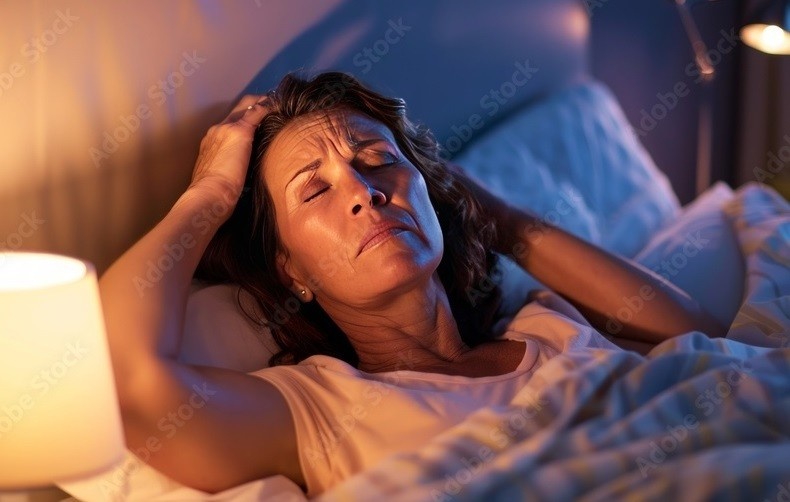
Waking up in the middle of the night drenched in sweat can be unsettling. Your clothes feel damp, the sheets are soaked, and for a moment you may wonder if the room suddenly got hotter or if something is wrong with your body. Occasional sweating during sleep is normal, especially on warm nights or after a stressful day. But when it starts happening regularly, without an obvious reason, night sweats can feel confusing and even frightening.
Night sweats are more than just feeling a little warm at night. They are episodes of excessive sweating that occur during sleep, often severe enough to soak your clothes or bedding. Many people brush them off or try to ignore them, assuming it’s nothing serious. However, persistent night sweats can sometimes be a sign that your body is struggling with something beneath the surface.
What Are Night Sweats?
Night sweats refer to repeated episodes of excessive sweating during sleep that are not caused by a hot room or heavy blankets. This sweating is often intense and can wake you up suddenly. Unlike mild perspiration, night sweats may leave you needing to change clothes or sheets.
They can occur in people of all ages and genders, though they are more common during certain life stages such as puberty, pregnancy, and menopause. Night sweats are not a disease on their own; they are a symptom. That means they are usually the body’s response to something else going on internally.
Normal Sweating vs. Night Sweats
It’s important to understand the difference between normal sweating and true night sweats.
Normal sweating during sleep may happen if:
- The weather is hot or humid
- You are using thick blankets
- You slept after intense physical activity
- You ate spicy or heavy food before bed
Night sweats, on the other hand:
- Occur even in a cool, comfortable room
- Happen repeatedly over weeks or months
- Can be severe enough to soak bedding
- Are often accompanied by other symptoms such as fatigue, fever, or weight changes
Recognizing this difference can help you decide whether you need lifestyle changes or medical attention.
Symptoms of Night Sweats
Night sweats are more than just feeling warm while sleeping. Common symptoms include:
- Excessive sweating during sleep that soaks clothes or bed sheets
- Waking up suddenly feeling hot, damp, or uncomfortable
- Sweating even in a cool or well-ventilated room
- Chills or feeling cold after sweating heavily
- Disturbed or broken sleep due to sweating episodes
- Fatigue or low energy during the day because of poor sleep
- Headaches or body aches after waking up
- Increased thirst due to fluid loss overnight
In some cases, night sweats may also occur with additional symptoms such as fever, unexplained weight loss, anxiety, heart palpitations, or swollen lymph nodes. These accompanying signs may point to an underlying health condition and should not be ignored.
Why Do Night Sweats Happen?
Night sweats usually occur because something disrupts your body’s temperature regulation system. The hypothalamus, a part of the brain, controls body temperature. When it senses that your body is too warm, it triggers sweating to cool you down.
Hormonal changes, infections, medications, and certain medical conditions can confuse this system, causing sweating even when your body doesn’t actually need cooling.
Causes of Night Sweats
1. Hormonal Changes
Hormones play a major role in regulating body temperature. When hormone levels fluctuate, night sweats can occur.
- Menopause and Perimenopause: One of the most common causes of night sweats in women. Declining estrogen levels affect temperature control, leading to hot flashes and sweating at night.
- Pregnancy: Hormonal shifts, increased blood flow, and metabolic changes can trigger night sweats, especially after delivery.
- Puberty: Teenagers may experience night sweats due to hormonal surges during growth.
- Thyroid Disorders: An overactive thyroid (hyperthyroidism) can speed up metabolism and increase sweating.
2. Stress and Anxiety
Mental health and physical symptoms are deeply connected. Chronic stress, anxiety, or panic disorders can overstimulate the nervous system, leading to night sweats.
People dealing with emotional stress may notice:
- Racing thoughts at night
- Sudden awakenings with sweating
- Palpitations or shallow breathing
Even unresolved emotional tension can quietly show up as night sweats.
3. Infections
Some infections cause the body to raise its temperature to fight off pathogens, which can result in night sweats.
Common infection-related causes include:
- Tuberculosis
- HIV
- Endocarditis (infection of the heart valves)
- Chronic bacterial infections
Night sweats linked to infections are often accompanied by fever, chills, or unexplained weight loss.
4. Medications
Certain medications interfere with temperature regulation or hormone balance.
Drugs commonly associated with night sweats include:
- Antidepressants
- Hormone therapies
- Diabetes medications
- Steroids
- Fever-reducing drugs
If night sweats started soon after beginning a new medication, it’s worth discussing with a doctor.
5. Low Blood Sugar (Hypoglycemia)
People with diabetes or insulin resistance may experience night sweats due to low blood sugar levels during sleep. These episodes may be accompanied by nightmares, headaches, or shakiness upon waking.
6. Sleep Disorders
Sleep-related conditions can also trigger sweating.
- Sleep Apnea: Interrupted breathing causes stress responses in the body, leading to sweating.
- Insomnia: Fragmented sleep can affect nervous system regulation.
- Nightmares: Intense dreams can activate stress hormones.
7. Gastroesophageal Reflux Disease (GERD)
Acid reflux at night can stimulate the nervous system and cause sweating, particularly around the chest and neck area.
8. Cancer (Rare but Important)
Certain cancers, such as lymphoma, are known to cause night sweats. These sweats are often severe and persistent and may be accompanied by unexplained weight loss, fever, and fatigue.
It’s important to remember that cancer is a rare cause, but persistent night sweats should never be ignored.
Night Sweats in Women
Women are especially prone to night sweats due to hormonal changes throughout life.
Menopause-Related Night Sweats
Menopausal night sweats often:
- Happen suddenly
- Cause intense heat sensations
- Disrupt sleep frequently
- Affect mood and energy levels
These sweats can last for several years and significantly impact quality of life.
Postpartum Night Sweats
After childbirth, the body sheds excess fluid and hormones adjust rapidly. This can lead to heavy sweating at night, especially in the first few weeks after delivery.
Night Sweats in Men
Men may feel confused or embarrassed by night sweats, assuming they are a “women’s issue.” In reality, men experience them too.
Common causes in men include:
- Low testosterone levels
- Stress and anxiety
- Infections
- Alcohol use
- Obesity and sleep apnea
Night sweats in men should be taken seriously, especially if they are frequent or worsening.
Night Sweats in Children
Occasional night sweats in children are often harmless and related to:
- Warm sleep environments
- Night terrors
- Growth spurts
However, frequent or severe night sweats in children, especially with fever or weight loss, should be evaluated by a pediatrician.
When Should You Worry About Night Sweats?
You should consider seeing a doctor if night sweats:
- Occur regularly over several weeks
- Are severe and soaking
- Are accompanied by fever
- Cause unexplained weight loss
- Are associated with fatigue or pain
- Interfere with daily life and sleep quality
Night sweats alone don’t automatically mean something serious, but patterns and additional symptoms matter.
How Night Sweats Affect Daily Life
Chronic night sweats can take a toll beyond physical discomfort.
- Sleep disruption: Poor sleep leads to fatigue, irritability, and poor concentration.
- Emotional distress: Worrying about health can increase anxiety.
- Relationship strain: Frequent nighttime awakenings can affect partners.
- Lower immunity: Poor sleep weakens the immune system.
Addressing night sweats is not just about comfort; it’s about overall well-being.
Diagnosing the Cause of Night Sweats
Doctors may ask questions about:
- Frequency and severity of sweating
- Sleep environment
- Medical history
- Medications
- Associated symptoms
Tests may include:
- Blood tests (hormones, infections, thyroid function)
- Imaging tests
- Sleep studies
The goal is to identify the underlying cause, not just treat the symptom.
How to Manage and Reduce Night Sweats Naturally
1. Improve Sleep Environment
- Keep the room cool and well-ventilated
- Use breathable cotton bedding
- Avoid heavy blankets
2. Watch What You Eat and Drink
- Avoid spicy foods at night
- Limit caffeine and alcohol
- Eat lighter dinners
3. Manage Stress
- Practice deep breathing or meditation
- Create a calming bedtime routine
- Limit screen time before bed
4. Stay Hydrated
Sweating causes fluid loss. Drinking enough water during the day can help regulate body temperature.
5. Exercise Wisely
Regular exercise helps hormone balance, but avoid intense workouts close to bedtime.
Medical Treatments for Night Sweats
Treatment depends on the underlying cause:
- Hormone replacement therapy for menopause
- Adjusting medications
- Treating infections
- Managing thyroid conditions
- Treating sleep disorders
Never self-medicate without professional advice.
Living With Night Sweats: A Gentle Reminder
Night sweats can feel overwhelming, especially when they interrupt sleep night after night. It’s easy to assume the worst, but in many cases, they are manageable once the cause is identified.
Your body communicates through symptoms, and night sweats are one of those signals. Listening early, observing patterns, and seeking guidance when needed can make a significant difference.
Final Thoughts
Night sweats are not something you should simply “get used to.” While they are often harmless, they can also be a sign that your body needs attention. Whether caused by hormones, stress, lifestyle habits, or an underlying condition, night sweats deserve understanding, not fear.
Pay attention to your body, make thoughtful changes, and don’t hesitate to seek medical advice if something feels off. Good sleep is not a luxury; it’s a foundation for physical and emotional health.
If you’ve been waking up soaked and confused, know that you’re not alone, and help is available. Understanding night sweats is the first step toward restful, uninterrupted sleep again.
FAQ’s
Are night sweats normal?
Occasional night sweating can be normal, especially during hot weather, after exercise, or due to stress. However, frequent or severe night sweats that happen in a cool environment may indicate an underlying issue and should not be ignored.
Are night sweats a sign of menopause?
Yes, night sweats are one of the most common symptoms of perimenopause and menopause. Hormonal fluctuations, especially declining estrogen levels, affect the body’s temperature control and can trigger sweating during sleep.
Can stress and anxiety cause night sweats?
Yes. Chronic stress and anxiety activate the nervous system and increase stress hormones, which can lead to excessive sweating at night, often accompanied by restlessness or disturbed sleep.
Should I be worried if I have night sweats every night?
If night sweats occur regularly, are severe, or are accompanied by symptoms such as fever, unexplained weight loss, fatigue, or pain, it is important to consult a doctor for proper evaluation.
Can night sweats be a sign of a serious illness?
In rare cases, persistent night sweats can be linked to serious conditions such as infections or certain cancers like lymphoma. While most causes are harmless, ongoing symptoms should always be medically assessed.
Are night sweats common during pregnancy?
Yes. Hormonal changes, increased metabolism, and blood flow during pregnancy, as well as postpartum hormone shifts, can cause night sweats, especially in the first few weeks after delivery.
Can medications cause night sweats?
Certain medications, including antidepressants, hormone therapies, diabetes medications, steroids, and fever-reducing drugs, may trigger night sweats as a side effect.
What can I do at home to reduce night sweats?
You can keep your bedroom cool, use breathable bedding, avoid spicy foods and alcohol at night, manage stress, stay hydrated, and maintain a consistent sleep routine.
Can dehydration cause night sweats?
Dehydration does not directly cause night sweats, but excessive sweating can lead to dehydration. Drinking enough water during the day helps support proper temperature regulation.
Do night sweats affect sleep quality?
Yes. Repeated awakenings due to sweating can disrupt sleep, leading to fatigue, mood changes, reduced concentration, and weakened immunity over time.
When should I see a doctor for night sweats?
You should seek medical advice if night sweats are frequent, worsening, interfere with sleep, or are accompanied by concerning symptoms such as fever, unexplained weight loss, persistent pain, or extreme fatigue.
Why do I wake up sweating but cold?
This happens when your body cools rapidly after heavy sweating. It can occur due to infections, anxiety, hormonal changes, low blood sugar, or a fever breaking during sleep.
What deficiency causes sweating at night?
Magnesium deficiency is most commonly linked to night sweating. Vitamin D, vitamin B12, and iron deficiencies may also contribute, but blood tests are needed to confirm.
Which cancers cause night sweats?
Night sweats are most often associated with Hodgkin’s lymphoma, non-Hodgkin’s lymphoma, leukemia, and other cancers affecting the lymphatic system.
Can liver problems make you sweat at night?
Yes, liver problems can cause night sweats by affecting hormone balance and blood sugar regulation, often along with fatigue, jaundice, or abdominal discomfort.
Also Read: