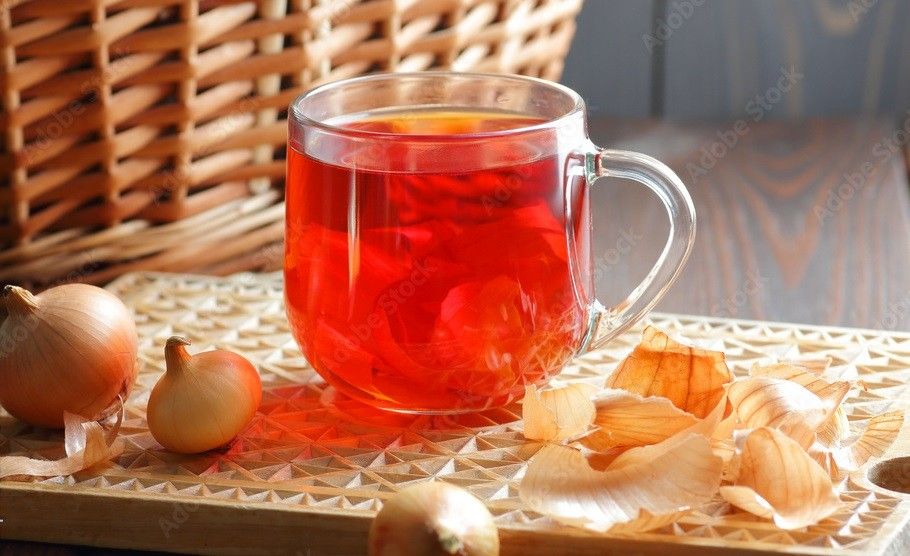
Onions are a kitchen staple, enhancing the flavor of countless dishes. But did you know that the outer layer, usually discarded, can be brewed into a powerful tea? Onion peel tea has been gaining attention for its numerous health benefits, due to its rich content of antioxidants, vitamins, and bioactive compounds. From boosting immunity to supporting heart health, this humble tea has more to offer than meets the eye.
In this guide, we’ll explore everything you need to know about onion peel tea, including its nutritional facts, proven health benefits, side effects, preparation methods, and tips for safe consumption.
What is Onion Peel Tea?
Onion peel tea is a herbal beverage made from the dried outer layers of onions. Unlike the fleshy interior, onion peels are packed with quercetin, a potent antioxidant known for its anti-inflammatory, anti-cancer, and cardiovascular-protective properties. Traditionally used in folk medicine, onion peel tea is now recognized for its health-boosting potential, making it a natural choice for anyone looking to improve overall well-being.
The tea has a mild, slightly sweet flavor with subtle earthy undertones. Many people enjoy it as a caffeine-free alternative to green or black tea, while others consume it specifically for its medicinal properties.
Nutritional Facts of Onion Peel Tea
Although exact values can vary depending on the onion type and preparation method, here’s an approximate nutritional profile per 1 cup (240 ml) of onion skin tea:
| Nutrient | Amount per Cup | % Daily Value* |
|---|---|---|
| Calories | 15 kcal | 1% |
| Carbohydrates | 3 g | 1% |
| Fiber | 0.5 g | 2% |
| Protein | 0.3 g | 1% |
| Vitamin C | 3 mg | 3% |
| Vitamin B6 | 0.05 mg | 4% |
| Potassium | 120 mg | 3% |
| Quercetin | 20–50 mg | – |
| Antioxidants | High | – |
*Percent Daily Values are based on a 2,000-calorie diet.
Onion peel tea is low in calories, naturally caffeine-free, and rich in antioxidants, particularly quercetin and flavonoids, which play a key role in many of its health benefits.
20 Science-Backed Benefits of Onion Peel Tea
1. Rich in Antioxidants
Onion peels contain high levels of flavonoids, including quercetin, which combat free radicals, reduce oxidative stress, and protect cells from damage.
2. Supports Heart Health
Quercetin may help lower blood pressure, reduce cholesterol levels, and improve overall cardiovascular function, reducing the risk of heart disease.
3. Anti-Inflammatory Properties
The antioxidants in onion peel tea can decrease inflammation in the body, which may help with conditions like arthritis and chronic inflammatory disorders.
4. Boosts Immunity
Vitamin C and other phytochemicals in onion skin tea strengthen the immune system, improving the body’s defense against infections.
5. Helps Manage Blood Sugar
Studies suggest quercetin and other compounds in onions may improve insulin sensitivity and help regulate blood sugar levels, making it beneficial for diabetics.
6. Anti-Cancer Potential
Preliminary research indicates that onion peel extracts may inhibit cancer cell growth, particularly in colorectal, stomach, and prostate cancers.
7. Promotes Healthy Skin
The antioxidants protect the skin from damage caused by free radicals and UV exposure, potentially slowing down the signs of aging.
8. Supports Weight Loss
Onion peel tea is low in calories and may enhance metabolism and fat oxidation, aiding in weight management.
9. Improves Digestive Health
The polyphenols in onion peels can support healthy gut bacteria, promoting proper digestion and reducing bloating.
10. Protects Liver Health
Animal studies suggest onion peel extracts can reduce liver inflammation and protect against toxins.
11. Enhances Brain Function
Quercetin and other antioxidants may reduce oxidative stress in the brain, potentially improving memory and cognitive function.
12. Strengthens Bones
Some studies suggest quercetin may promote bone health by preventing bone loss, making onion peel tea potentially beneficial for postmenopausal women.
13. Natural Anti-Allergen
Onion peel tea may help reduce allergic reactions due to its anti-inflammatory and immune-modulating effects.
14. Reduces Blood Pressure
Quercetin can help relax blood vessels, improving circulation and lowering blood pressure naturally.
15. Fights Free Radical Damage
The high antioxidant content neutralizes free radicals, protecting DNA and reducing the risk of chronic diseases.
16. May Improve Hair Health
The vitamins and antioxidants may nourish hair follicles, potentially promoting stronger and healthier hair.
17. Aids Detoxification
Onion peel tea supports liver function and helps the body flush out toxins effectively.
18. Enhances Respiratory Health
The anti-inflammatory properties can help reduce symptoms of asthma, bronchitis, and other respiratory issues.
19. Supports Eye Health
The antioxidants in onion peel tea may protect the eyes from oxidative stress and reduce the risk of cataracts and age-related macular degeneration.
20. Fights Viral and Bacterial Infections
Onion peel compounds have antimicrobial properties that may inhibit the growth of harmful bacteria and viruses.
10 Side Effects of Onion Peel Tea
While onion peel tea is generally safe, overconsumption or sensitivity can lead to some side effects:
- Allergic Reactions – Some people may develop itching, rashes, or swelling.
- Gastrointestinal Disturbances – Overconsumption may cause bloating, gas, or diarrhea.
- Blood Thinning – Quercetin may have mild blood-thinning effects; caution for people on anticoagulants.
- Lowered Blood Pressure – Excessive consumption may cause hypotension in sensitive individuals.
- Heartburn – In some cases, the tea may trigger acid reflux.
- Headaches – High quercetin intake can occasionally cause mild headaches.
- Kidney Issues – Excessive intake of flavonoid-rich teas may stress the kidneys in rare cases.
- Interaction with Medications – Can interfere with blood pressure, diabetes, and anticoagulant drugs.
- Pregnancy Concerns – High intake may not be safe for pregnant women due to blood-thinning properties.
- Diuretic Effect – May increase urination, potentially leading to dehydration if fluids are not replenished.
How to Make Onion Peel Tea?
Making onion peel tea is simple and requires minimal ingredients:
Ingredients:
- 2–3 dried onion peels (yellow or red onions)
- 2 cups of water
- Honey or lemon (optional)
Instructions:
- Rinse the onion peels to remove dirt or residue.
- Boil 2 cups of water in a pot.
- Add the onion peels and simmer for 10–15 minutes.
- Strain the tea into a cup.
- Add honey or lemon for taste if desired.
- Drink warm for maximum benefits.
You can also dry onion peels in the sun or oven and store them for future use.
Other Uses of Onion Peel Tea
- Natural Hair Rinse – Can improve scalp health and add shine.
- Skin Toner – Antioxidant-rich tea can be used as a mild skin toner.
- Cooking – Use brewed onion peel tea as a base for soups and broths.
- Cold Remedy – Warm tea can help soothe sore throats and congestion.
How Much Onion Peel Tea Can You Drink a Day?
Most sources recommend 1–2 cups per day. Overconsumption may lead to the side effects mentioned above. It’s best to start with a small amount to see how your body reacts.
Tips for Consuming Onion Peel Tea
- Use organic onions to avoid pesticides.
- Do not overboil, as it may reduce antioxidant levels.
- Drink it warm for better absorption of quercetin.
- Combine with lemon for enhanced antioxidant effects.
Best Time to Drink Onion Peel Tea
- Morning – Can kickstart metabolism and provide antioxidants for the day.
- Evening – May support relaxation and digestion.
- Avoid immediately before bedtime if you are sensitive to mild diuretic effects.
Who Should Drink Onion Peel Tea?
- Individuals seeking antioxidant support.
- People with high blood pressure or mild inflammation.
- Those looking for a natural detox drink.
- Diabetics wanting to support blood sugar management.
Who Should Not Drink Onion Peel Tea?
- Pregnant or breastfeeding women without consulting a doctor.
- Individuals on blood-thinning medications.
- People with hypotension.
- Those with severe kidney or liver conditions.
Precautions and Interactions
- Consult a healthcare provider if you take anticoagulants, blood pressure, or diabetes medications.
- Avoid excessive consumption to prevent digestive issues.
- Start with a small cup to test tolerance, especially if you have allergies.
- Store dried onion peels in a cool, dry place to prevent mold and contamination.
Final Thought
Onion peel tea is more than just a byproduct of cooking—it’s a powerhouse of antioxidants, flavonoids, and vitamins. With numerous health benefits ranging from heart support to improved skin and brain health, it’s worth incorporating into your daily routine. However, moderation is key, and certain individuals should exercise caution due to potential side effects or interactions with medications.
FAQ’s
Can pregnant women drink onion peel tea?
Pregnant women should consult their doctor before drinking onion skin tea due to its blood-thinning effects and high quercetin content. Moderate consumption may be safe with medical guidance.
What does onion peel tea taste like?
It has a mild, slightly sweet flavor with earthy undertones. Adding lemon or honey can enhance the taste.
Can diabetics drink onion peel tea?
Yes, onion skin tea may help regulate blood sugar levels, but diabetics should monitor their glucose and consult their doctor.
Does onion peel tea help with weight loss?
It may support weight management by boosting metabolism and promoting fat oxidation, though it should be combined with a healthy diet and exercise.
Can onion peel tea improve skin and hair health?
Yes, the antioxidants and vitamins in onion skin tea may protect skin from aging and support stronger, healthier hair.
What is onion peel tea good for?
Onion skin tea is rich in antioxidants and flavonoids, making it good for boosting immunity, reducing inflammation, supporting heart health, managing blood sugar, improving skin and hair health, aiding digestion, and promoting overall wellness.
Can I drink onion peel tea every day?
Yes, it is generally safe to drink 1–2 cups daily. However, overconsumption may cause mild side effects such as digestive discomfort, low blood pressure, or interactions with certain medications. Moderation is key.
Can children drink onion peel tea?
Children can drink onion skin tea in small amounts, but it should be diluted and given in moderation. It’s best to consult a pediatrician before introducing it to young children, especially those with allergies or health conditions.
Also Read: