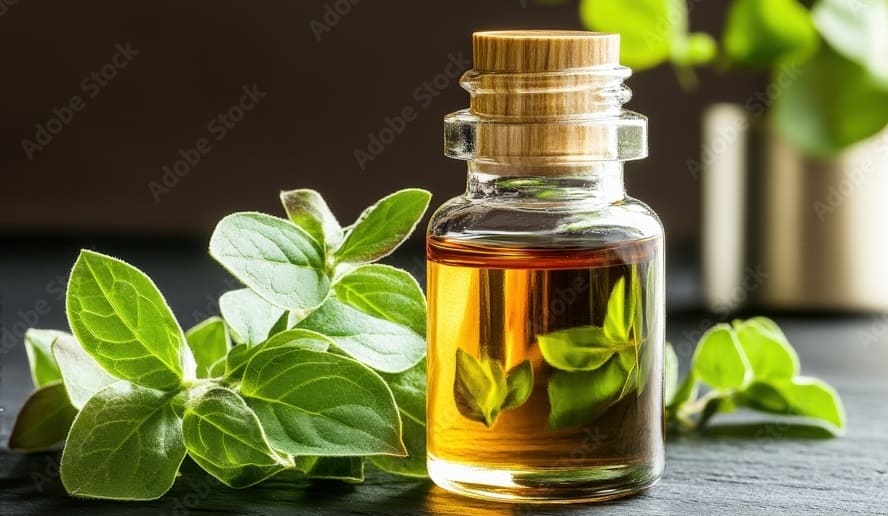
When you hear the word oregano, you might think of that fragrant herb sprinkled on pizzas and pasta. But beyond its culinary fame, oregano hides a secret — a concentrated form of wellness known as oregano oil. Extracted from the leaves and flowers of the oregano plant (Origanum vulgare), this essential oil is not just another herbal fad. It’s been used for centuries as a natural remedy for infections, inflammation, and various health conditions.
From its strong aroma to its powerful antimicrobial compounds, oregano oil is a true gift from nature — small in quantity, yet mighty in impact. Let’s take a closer look at what makes oregano oil so special, its proven health benefits, side effects, how to use it safely, and more.
What is Oregano Oil?
Oregano oil is an essential oil extracted from the leaves and flowers of the Origanum vulgare plant, a herb native to Europe and parts of Asia. Unlike the dried herb you use in cooking, oregano oil is highly concentrated — a few drops can deliver powerful therapeutic effects.
The main active compounds that make oregano oil so effective are carvacrol and thymol. These natural chemicals have strong antibacterial, antifungal, antiviral, and antioxidant properties. That’s why oregano oil is often used in natural medicine for respiratory issues, gut health, and immune support.
There are two main types of oregano oil available:
- Essential oil (undiluted): Used for aromatherapy or diluted topical application.
- Oil of oregano (diluted): Typically mixed with carrier oils like olive or coconut oil for oral or external use.
Nutrition Facts of Oregano Oil
Though it’s used in small amounts, oregano oil is rich in beneficial compounds. Here’s a quick overview of its key nutrients and bioactive components.
| Nutrient / Compound | Amount (per teaspoon of diluted oregano oil) | Health Role |
|---|---|---|
| Calories | 5–10 kcal | Provides small energy |
| Fat | 0.5–1 g | Mainly from carrier oils |
| Carvacrol | Varies (60–80%) | Antimicrobial, antioxidant |
| Thymol | 5–10% | Antifungal, antiseptic |
| Terpenes | Trace | Anti-inflammatory |
| Flavonoids | Trace | Antioxidant protection |
| Vitamin E | Small amounts | Skin and immune health |
| Iron | Trace | Supports blood health |
Note: Oregano oil is typically consumed in drops, so nutritional contribution is minimal, but its active compounds are pharmacologically potent.
20 Science-Backed Health Benefits of Oregano Oil
Oregano oil is often called nature’s antibiotic — and for good reason. Its health benefits are wide-ranging and supported by both traditional use and modern science.
1. Boosts Immunity
The carvacrol and thymol in oil can help strengthen your body’s natural defense against bacteria and viruses.
2. Fights Bacterial Infections
Oregano oil’s antibacterial properties may help combat pathogens like E. coli and Salmonella, making it useful for food poisoning or infections.
3. Supports Respiratory Health
If you suffer from cough, congestion, or sinus infections, oil can help clear airways and ease breathing due to its natural decongestant effect.
4. Acts as a Natural Antibiotic
Studies suggest that oil may be as effective as some prescription antibiotics for minor infections, without the side effects of antibiotic resistance.
5. Improves Gut Health
It helps balance gut bacteria by killing harmful microbes while supporting the growth of good bacteria, promoting healthy digestion.
6. Relieves Cold and Flu Symptoms
Oregano oil is often used as a home remedy for colds, helping to reduce sore throat, cough, and congestion.
7. Supports Skin Health
Due to its antifungal and antibacterial nature, diluted oil can help with acne, eczema, and fungal skin infections.
8. Reduces Inflammation
Its antioxidant compounds fight inflammation in the body, which is linked to chronic diseases like arthritis and heart issues.
9. Fights Fungal Infections
Oregano oil is particularly effective against Candida, a yeast responsible for infections in the mouth, gut, and genitals.
10. Enhances Digestion
It can stimulate bile flow and help in breaking down fats, improving nutrient absorption and reducing bloating.
11. May Help Manage Parasites
Oregano oil has antiparasitic effects and is sometimes used in detox protocols to eliminate intestinal parasites.
12. Protects Against Oxidative Stress
The antioxidants in oregano oil help neutralize free radicals, protecting cells from damage and aging.
13. Promotes Oral Health
When diluted and used as a mouth rinse, oil may help reduce oral bacteria and prevent bad breath.
14. Supports Menstrual Health
Some women find oregano oil helpful in reducing menstrual cramps and regulating hormone balance.
15. Relieves Joint Pain
When applied topically (diluted), oil can provide relief from sore muscles and arthritis pain due to its warming properties.
16. Improves Mood and Energy
Oregano oil’s aroma in aromatherapy is known to invigorate the senses and reduce fatigue.
17. Detoxifies the Body
Its antimicrobial action helps flush out toxins by supporting liver and kidney function.
18. Supports Heart Health
By fighting oxidative stress and inflammation, oil may contribute to better cardiovascular health.
19. May Aid in Weight Management
Some research suggests oil can improve metabolism and help regulate fat buildup in the body.
20. Natural Insect Repellent
It can be used in diffusers or sprays to repel insects naturally, without the use of harmful chemicals.
10 Side Effects of Oregano Oil
While oregano oil offers impressive health benefits, it’s also quite potent. Excessive use or improper application can lead to side effects.
- Stomach Upset: Taking too much oil can cause nausea or stomach cramps.
- Allergic Reactions: People allergic to plants in the mint family (like basil or lavender) may react to oil.
- Skin Irritation: Applying undiluted oil on the skin may cause burning or redness.
- Lower Blood Sugar: It may reduce blood sugar levels, so diabetics should use it cautiously.
- Blood Thinning: Oregano oil can slow blood clotting; avoid it before surgeries.
- Pregnancy Concerns: It may stimulate uterine contractions, so pregnant women should avoid it.
- Interaction with Medications: It can interfere with medications like anticoagulants and diabetes drugs.
- Mouth or Throat Burning: Ingesting undiluted oil can irritate the mucous membranes.
- Hormonal Effects: Excessive use may interfere with hormone balance in sensitive individuals.
- Liver Strain: Overuse for long periods may stress the liver due to its strong compounds.
Always use oregano oil under proper guidance or as recommended by a healthcare professional.
How to Use Oregano Oil?
There are different ways to use oregano oil depending on your purpose:
- Orally: Mix 1–2 drops of oil with a teaspoon of olive oil or water and take it once a day for immune support.
- Topically: Dilute it with a carrier oil (like coconut oil) in a ratio of 1:5 before applying to the skin.
- Aromatherapy: Add a few drops to a diffuser for respiratory benefits and mood enhancement.
- Steam Inhalation: Add 2 drops to a bowl of hot water, cover your head with a towel, and inhale for sinus relief.
- Cleaning: Mix with vinegar and water to make a natural disinfectant spray.
Other Uses of Oregano Oil
Beyond health and wellness, oregano oil has surprising practical uses:
- Natural food preservative: It prevents bacterial growth in food.
- Pet care: Diluted oil can be used to repel fleas and ticks.
- Home cleaner: Its antimicrobial property makes it a great addition to homemade cleaners.
- Oral rinse: A diluted mixture can freshen breath and reduce bacteria.
- Hair care: It helps combat dandruff and scalp infections when added to shampoo.
Tips for Consuming Oregano Oil
- Always dilute oil before use. It’s very strong and can cause irritation if taken undiluted.
- Start with a low dose (1–2 drops) to test tolerance.
- Take it after meals to reduce stomach irritation.
- If taking it orally, limit usage to 7–14 days unless directed by a doctor.
- Store it in a cool, dark place to preserve its potency.
- Combine with other immune-supporting oils like olive or coconut for added benefits.
- Avoid using oil daily for months without medical supervision.
How to Take Oregano Oil?
The right method of consumption depends on the form of oregano oil you have:
- Capsules: Convenient and pre-dosed, ideal for internal use without taste discomfort.
- Liquid drops: Can be mixed in water, juice, or oil before swallowing.
- Topical application: Mix with a carrier oil and apply to the affected area.
- Aromatherapy: Add to diffusers or inhalers for respiratory benefits.
Avoid putting pure oregano oil directly on your tongue or skin — it’s too concentrated and may cause burning.
How Much Oregano Oil Can You Use Per Day?
For most adults, the recommended daily dosage is 1–3 drops (diluted), taken up to 2 times per day. If using oregano oil capsules, follow the manufacturer’s guidelines, typically around 200–600 mg daily.
Using more than this can lead to side effects, especially when taken long-term. Always take breaks between usage cycles (for example, 2 weeks on, 1 week off).
Oregano Oil Dosage
| Form | Recommended Dosage | Usage Duration |
|---|---|---|
| Liquid (concentrated) | 1–3 drops diluted in 1 tsp carrier oil | 1–2 times daily for up to 14 days |
| Capsules | 200–600 mg per day | As per product directions |
| Topical | 1 drop oregano oil per 5 drops carrier oil | Apply twice daily as needed |
| Inhalation | 2–3 drops in steam water | 1–2 times a week |
Note: Children should not take oregano oil unless advised by a pediatrician.
Best Time to Take Oregano Oil
The best time to take oregano oil is after meals, especially lunch or dinner. This helps reduce stomach irritation and ensures better absorption. Avoid taking it on an empty stomach, as it may cause a burning sensation or nausea.
If using it for respiratory issues, evening use works well, as it helps ease breathing before bedtime.
Who Should Take Oregano Oil?
Oregano oil may benefit:
- Adults looking to boost immunity naturally
- Those dealing with chronic infections (bacterial or fungal)
- People with respiratory issues, like sinusitis or bronchitis
- Individuals with digestive discomfort or bloating
- Those seeking a natural alternative to antibiotics
- People with skin fungal infections (topical use)
- Individuals under high stress or frequent illness
Who Should Not Take Oregano Oil?
Certain groups should avoid or use oregano oil with caution:
- Pregnant or breastfeeding women: It can affect hormones and uterine muscles.
- Children under 12: Their bodies are sensitive to strong oils.
- People with bleeding disorders: It may slow blood clotting.
- Diabetics: It may lower blood sugar too much.
- Those on medications: Especially anticoagulants, diabetes meds, or lithium.
- People with allergies to plants in the mint family.
Always consult your doctor before using oil if you fall into any of these categories.
Precautions and Interactions
While oregano oil is natural, it’s also powerful. Follow these safety precautions:
- Always dilute before applying or ingesting.
- Do not exceed the recommended dosage.
- Avoid long-term use without medical supervision.
- Stop immediately if you experience allergic reactions.
- Consult a doctor if you’re taking medications for chronic diseases.
- Keep away from eyes and mucous membranes.
Drug Interactions:
Oregano oil may interact with:
- Anticoagulants (increasing bleeding risk)
- Diabetes medications (enhancing hypoglycemia)
- Lithium (affecting lithium clearance)
- Iron supplements (reducing absorption)
Conclusion
Oregano oil is one of the most powerful natural remedies known to humankind. With its potent antibacterial, antiviral, and antifungal properties, it serves as a natural defense booster for your body. From improving digestion to fighting infections and enhancing skin health, oil truly lives up to its reputation as nature’s antibiotic.
However, like all strong remedies, moderation and caution are key. It’s always best to start small, dilute properly, and consult a healthcare provider for long-term use. Used wisely, oil can be a valuable addition to your wellness routine — one drop at a time.
FAQ’s
What is oregano oil used for?
Oregano oil is used to boost immunity, fight infections, improve digestion, and treat skin issues. It’s also used as a natural antibiotic and antifungal agent.
Is it safe to take oregano oil everyday?
It’s safe in small, diluted doses for short periods (up to 2 weeks). Long-term or excessive use may cause side effects.
Can children take oregano oil?
No, oregano oil is too strong for children unless prescribed by a pediatrician.
What’s the difference between oregano essential oil and oil of oregano?
Oregano essential oil is pure and undiluted, used mainly for aromatherapy. Oil of oregano is diluted with a carrier oil, making it safer for oral and topical use.
Can oregano oil be used on skin?
Yes, when diluted properly with a carrier oil. It helps treat acne, fungal infections, and minor wounds.
Is oregano oil effective against colds and flu?
Yes, oregano oil has antiviral and antibacterial properties that can help reduce symptoms and support faster recovery.
Can oregano oil help with fungal infections?
Absolutely. oil is known to fight Candida and other fungal infections effectively.
Which form of oregano oil is best?
Capsule form is most convenient for internal use, while diluted liquid oil works best for topical applications.
Can pregnant women take oregano oil?
No, pregnant women should avoid oil. It can stimulate uterine contractions and affect hormone balance, which may be unsafe during pregnancy. Always consult a doctor before using any essential oils while pregnant.
What does oregano oil taste like?
Oil has a strong, sharp, and slightly bitter taste with a spicy aftertaste. Many people find it intense, so it’s best to dilute it with water or mix it with carrier oils like olive oil before taking it.
What infections can oregano oil cure?
Oregano oil may help fight mild bacterial, viral, and fungal infections, such as colds, sinus infections, Candida, and skin infections. However, it shouldn’t replace prescribed antibiotics for serious conditions.
Is oregano oil better than antibiotics?
Oil acts as a natural antibiotic and can help with minor infections, but it’s not stronger than prescription antibiotics. It’s best used as a complementary or preventive remedy, not a replacement for medical treatment.
Can I rinse my mouth with oregano oil?
Yes, you can rinse your mouth with diluted oil to reduce bacteria and freshen breath. Mix 1–2 drops in half a cup of warm water, swish for 30 seconds, then spit it out. Don’t swallow the mixture.
Should you swallow oregano oil?
Yes, but only if it’s diluted. Swallowing pure oil can burn your throat or irritate your stomach. Mix 1–2 drops with a carrier oil or take it in capsule form for safety.
How to take oregano oil for tooth infection?
Dilute one drop of oil in a teaspoon of olive or coconut oil and apply it to the affected tooth with a cotton swab. Leave it for a few minutes, then rinse. Repeat twice daily, but see a dentist if pain continues.
Also Read: