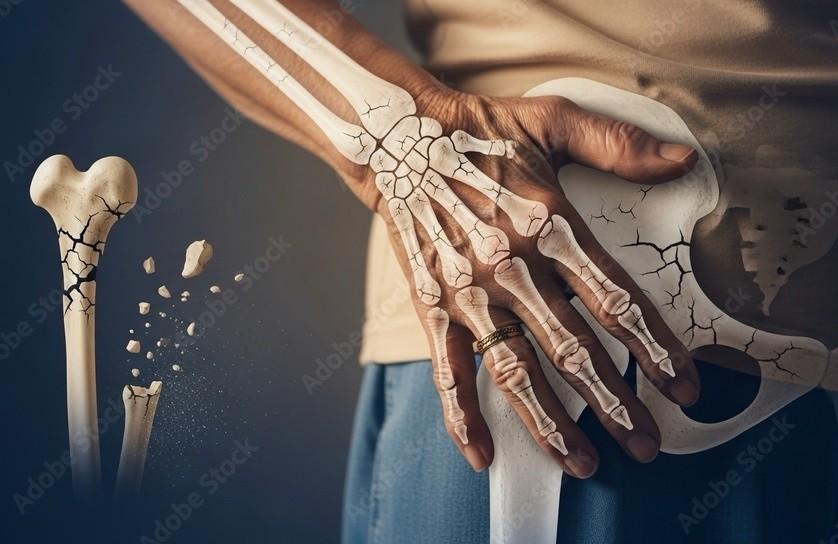
Osteoporosis is often called a “silent disease” because it develops gradually without obvious symptoms until a fracture occurs. Millions of people worldwide live with this condition, and many do not realize their bones are becoming weaker over time. Osteoporosis significantly increases the risk of fractures, particularly in the hips, spine, and wrists, which can lead to long-term disability and reduced quality of life. In this guide, you will learn what osteoporosis is, why it happens, who is at risk, how it is diagnosed, and what you can do to prevent and manage it effectively.
What Is Osteoporosis?
Osteoporosis is a medical condition in which bones become weak, brittle, and more likely to break. The word “osteoporosis” literally means “porous bone.” Healthy bones look like a honeycomb under a microscope. In osteoporosis, the holes in that honeycomb become larger, reducing bone density and strength.
Bone is living tissue that constantly breaks down and rebuilds. During childhood and early adulthood, the body builds bone faster than it breaks it down. Most people reach peak bone mass in their late 20s or early 30s. After that, bone loss gradually begins. When bone loss outpaces bone formation, osteoporosis can develop.
How Common Is Osteoporosis?
Osteoporosis is one of the most common bone diseases worldwide. It affects both men and women, but it is more common in women, especially after menopause. Postmenopausal women are at higher risk because estrogen, a hormone that helps protect bones, drops significantly during menopause.
In older adults, osteoporosis-related fractures are a major cause of disability and loss of independence. Hip fractures, in particular, are associated with significant complications and even increased mortality.
Types of Osteoporosis
Osteoporosis can be classified into two main types:
1. Primary Osteoporosis
This is the most common type and includes:
- Postmenopausal osteoporosis – Caused by reduced estrogen levels.
- Age-related (senile) osteoporosis – Occurs as part of the natural aging process.
2. Secondary Osteoporosis
This type develops as a result of another medical condition or medication, such as:
- Long-term use of corticosteroids
- Hormonal disorders
- Digestive diseases that impair nutrient absorption
- Chronic kidney disease
Causes of Osteoporosis
Osteoporosis develops when the balance between bone formation and bone resorption is disrupted. Several factors contribute to this imbalance:
Hormonal Changes
- Reduced estrogen in women after menopause
- Low testosterone in men
- Thyroid hormone imbalances
Nutritional Deficiencies
- Low calcium intake
- Vitamin D deficiency
- Inadequate protein intake
Aging
As we age, bone regeneration slows down. The body loses bone mass more rapidly than it can replace it.
Lack of Physical Activity
Bones need weight-bearing activities to stay strong. A sedentary lifestyle accelerates bone loss.
Certain Medications
Long-term use of steroids, some cancer treatments, and certain anticonvulsants can weaken bones.
Risk Factors for Osteoporosis
Several factors increase the likelihood of developing osteoporosis:
Non-Modifiable Risk Factors
- Female gender
- Advanced age
- Family history of osteoporosis or fractures
- Small body frame
- Early menopause
Modifiable Risk Factors
- Smoking
- Excessive alcohol consumption
- Poor diet low in calcium and vitamin D
- Physical inactivity
- Low body weight
Understanding your risk factors is essential for early prevention and intervention.
Symptoms of Osteoporosis
Osteoporosis is often called a silent disease because it usually has no symptoms until a fracture occurs. However, some signs may include:
- Back pain caused by a fractured or collapsed vertebra
- Loss of height over time
- A stooped posture
- Bones that break easily
Common fracture sites include:
- Hip
- Spine
- Wrist
Spinal fractures may occur without a fall and can cause chronic pain and deformity.
Complications of Osteoporosis
The most serious complication of osteoporosis is bone fracture. Fractures can occur from minor falls or even routine activities.
Hip Fractures
Hip fractures often require surgery and prolonged rehabilitation. They are associated with a significant decline in mobility and independence.
Vertebral Fractures
These fractures can lead to chronic pain, height loss, and spinal curvature (kyphosis).
Emotional Impact
Living with osteoporosis can cause anxiety about falling and limit daily activities, affecting mental well-being.
Diagnosis of Osteoporosis
Early diagnosis is critical for preventing fractures.
Bone Mineral Density Test (DEXA Scan)
The most common diagnostic test is a Dual-Energy X-ray Absorptiometry (DEXA) scan. It measures bone mineral density (BMD) and compares it to the average peak bone density of a healthy young adult.
Results are given as a T-score:
- Normal: -1.0 or above
- Osteopenia (low bone mass): Between -1.0 and -2.5
- Osteoporosis: -2.5 or lower
Other Tests
- Blood tests to check calcium and vitamin D levels
- X-rays to detect fractures
- FRAX tool to estimate fracture risk
Your healthcare provider may recommend screening if you are over 65 (women), over 70 (men), or younger with risk factors.
Osteopenia vs Osteoporosis
Osteopenia is a condition where bone density is lower than normal but not low enough to be classified as osteoporosis. It is a warning sign and an opportunity to take preventive action before osteoporosis develops. Lifestyle changes at the osteopenia stage can significantly reduce the risk of progression.
Treatment of Osteoporosis
While osteoporosis cannot be completely cured, it can be managed effectively with lifestyle changes and medications.
1. Medications
Several types of medications are used to treat osteoporosis:
Bisphosphonates
These are the most commonly prescribed drugs. They slow bone breakdown.
Denosumab
A medication that reduces bone resorption and increases bone density.
Hormone Therapy
Estrogen therapy may be used in some postmenopausal women but carries certain risks.
Selective Estrogen Receptor Modulators (SERMs)
These mimic estrogen’s protective effects on bones.
Parathyroid Hormone Analogues
These stimulate new bone formation.
Medication choice depends on age, severity, risk factors, and overall health.
2. Calcium and Vitamin D
Adequate intake of calcium and vitamin D is essential for bone health.
- Adults typically need 1,000 to 1,200 mg of calcium per day.
- Vitamin D requirements range from 600 to 800 IU per day, depending on age.
Food sources of calcium:
- Dairy products
- Leafy green vegetables
- Fortified cereals
- Almonds
Vitamin D sources:
- Sunlight exposure
- Fatty fish
- Fortified foods
- Supplements if necessary
3. Exercise for Stronger Bones
Regular physical activity helps build and maintain bone density.
Weight-Bearing Exercises
- Walking
- Jogging
- Dancing
- Climbing stairs
Strength Training
- Resistance bands
- Free weights
- Bodyweight exercises
Balance and Flexibility Training
- Tai chi
- Yoga (with modifications)
- Stretching
Exercise also reduces fall risk by improving balance and muscle strength.
4. Lifestyle Modifications
Simple changes can significantly reduce fracture risk:
- Quit smoking
- Limit alcohol consumption
- Maintain a healthy body weight
- Ensure home safety to prevent falls
- Use supportive footwear
Preventing Osteoporosis
Prevention should begin early in life. Building strong bones in childhood and adolescence reduces future risk.
Childhood and Adolescence
- Adequate calcium intake
- Regular physical activity
- Outdoor play for vitamin D exposure
Adulthood
- Continue weight-bearing exercises
- Maintain balanced nutrition
- Avoid smoking
Postmenopausal Women
- Discuss bone density screening with a doctor
- Consider hormone evaluation
- Stay physically active
Osteoporosis in Men
Although less common, osteoporosis in men is often underdiagnosed. Men typically develop osteoporosis later in life but have higher mortality rates after hip fractures.
Risk factors specific to men include:
- Low testosterone
- Excessive alcohol use
- Chronic steroid use
Men over 70 or with risk factors should consider bone density testing.
Osteoporosis and Diet
A bone-friendly diet includes:
Calcium-Rich Foods
- Milk, cheese, yogurt
- Tofu
- Sardines with bones
- Broccoli
Magnesium and Potassium
These minerals support bone strength and are found in:
- Bananas
- Nuts
- Whole grains
Protein
Adequate protein supports bone repair and muscle strength.
Limit Excess Salt and Caffeine
High sodium intake may increase calcium loss through urine.
Living With Osteoporosis
Being diagnosed with osteoporosis does not mean giving up an active life. With proper treatment and precautions, many people continue to live independently.
Fall Prevention Tips
- Install handrails in bathrooms and stairways
- Remove loose rugs
- Keep floors clutter-free
- Ensure good lighting
Mental Health Support
Fear of fractures can limit activity. Counseling, support groups, and education can improve confidence and quality of life.
When to See a Doctor?
Consult a healthcare professional if you:
- Have experienced a fracture from a minor fall
- Notice height loss
- Have chronic back pain
- Have strong risk factors for osteoporosis
- Are entering menopause and want preventive screening
Early intervention can prevent serious complications.
Emerging Research and Future Directions
Ongoing research continues to explore new therapies for osteoporosis, including medications that stimulate bone formation and personalized treatment strategies based on genetic risk. Advances in imaging technology are also improving early detection, allowing treatment before fractures occur.
Conclusion
Osteoporosis is a serious but manageable condition that affects millions of people worldwide. Because it develops silently, awareness and proactive prevention are essential. Strong bones are built early in life, but it is never too late to take steps toward better bone health.
By maintaining a calcium-rich diet, ensuring adequate vitamin D, engaging in regular weight-bearing exercise, avoiding smoking, and undergoing appropriate screening, you can significantly reduce your risk of fractures and maintain independence as you age. If you suspect you are at risk, consult a healthcare professional for evaluation and guidance. Early detection and consistent management can make a meaningful difference in long-term health and quality of life.
FAQ’s
What bones are most commonly affected?
The hips, spine, and wrists are the most commonly fractured bones due to osteoporosis. Vertebral fractures can occur even without a significant fall.
What is a normal bone density score?
A T-score of -1.0 or above is considered normal. A score between -1.0 and -2.5 indicates osteopenia, and -2.5 or lower indicates osteoporosis.
Can osteoporosis be cured?
Osteoporosis cannot be completely cured, but it can be effectively managed. Treatment can slow bone loss and reduce fracture risk.
What medications are used to treat osteoporosis?
Common medications include bisphosphonates, hormone therapy, selective estrogen receptor modulators, and bone-building drugs. The choice depends on age, severity, and overall health.
How much calcium do adults need daily?
Most adults need between 1,000 and 1,200 mg of calcium per day. Requirements may vary based on age and gender.
Why is vitamin D important for bone health?
Vitamin D helps the body absorb calcium effectively. Without adequate vitamin D, bones cannot properly mineralize and remain strong.
Can men get osteoporosis?
Yes, men can develop osteoporosis, particularly in older age or due to hormonal imbalances and lifestyle factors.
Does exercise really help prevent osteoporosis?
Yes, weight-bearing and resistance exercises help maintain and even improve bone density. Regular activity also reduces fall risk by improving balance and strength.
Can diet alone prevent osteoporosis?
Diet plays a crucial role, but it works best when combined with exercise and a healthy lifestyle. Adequate calcium, vitamin D, and protein intake are essential.
Are fractures from osteoporosis serious?
Yes, especially hip and spinal fractures. They can lead to chronic pain, reduced mobility, and long-term disability.
At what age should I get tested for osteoporosis?
Women over 65 and men over 70 should consider routine screening. Younger individuals with risk factors may need earlier testing.
Is walking enough to prevent osteoporosis?
Walking helps maintain bone health but combining it with strength training and adequate nutrition provides better protection.
Is osteoporosis hereditary?
Genetics can influence bone density and fracture risk. Having a parent with osteoporosis increases your likelihood of developing it.
Does smoking affect bone health?
Yes, smoking interferes with bone-building cells and reduces calcium absorption. It significantly increases fracture risk.
Can osteoporosis cause back pain?
Yes, spinal fractures caused by osteoporosis can lead to chronic back pain and loss of height. Some vertebral fractures may occur without noticeable injury.
Is osteoporosis more common after menopause?
Yes, the drop in estrogen levels after menopause accelerates bone loss. This makes postmenopausal women particularly vulnerable.
What lifestyle changes help manage osteoporosis?
Quitting smoking, limiting alcohol, maintaining a healthy weight, exercising regularly, and preventing falls at home are key management strategies.
How long does osteoporosis treatment last?
Treatment duration depends on the medication and individual risk factors. Some therapies are reviewed after 3–5 years to assess effectiveness and safety.
Also Read: