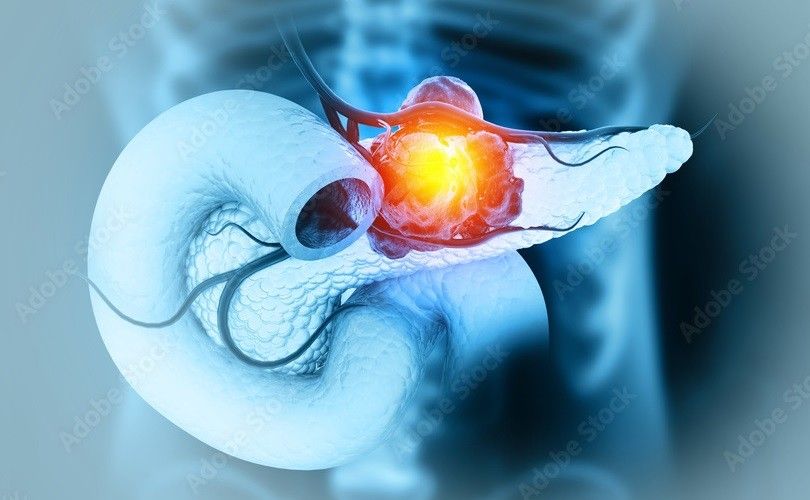
Pancreatic cancer is one of the most serious and challenging forms of cancer. It often develops silently, produces vague symptoms in its early stages, and is frequently diagnosed when the disease has already advanced. Because of this, pancreatic cancer has a lower survival rate compared to many other cancers. However, advances in early detection research, surgical techniques, chemotherapy, immunotherapy, and targeted treatments are gradually improving outcomes. This guide explains everything you need to know about pancreatic cancer — including risk factors, symptoms, diagnosis, staging, treatment options, survival rates, complications, and prevention strategies.
What Is Pancreatic Cancer?
Pancreatic cancer begins in the tissues of the pancreas — an organ located behind the stomach in the upper abdomen. The pancreas plays two essential roles:
- Digestive function (exocrine system): Produces enzymes that help break down fats, proteins, and carbohydrates.
- Hormonal function (endocrine system): Produces hormones such as insulin and glucagon that regulate blood sugar levels.
Most pancreatic cancers develop in the exocrine cells, specifically in the ducts that carry digestive enzymes. This type is known as pancreatic ductal adenocarcinoma (PDAC) and accounts for over 90% of cases. Less commonly, cancer may arise from the hormone-producing endocrine cells. These are called pancreatic neuroendocrine tumors (PNETs), and they tend to grow more slowly.
Types of Pancreatic Cancer
1. Pancreatic Ductal Adenocarcinoma (PDAC)
- Most common type
- Aggressive and fast-growing
- Often diagnosed late
2. Pancreatic Neuroendocrine Tumors (PNETs)
- Develop in endocrine cells
- May produce excess hormones
- Usually slower growing
- Better prognosis than PDAC
3. Rare Types
- Acinar cell carcinoma
- Adenosquamous carcinoma
- Intraductal papillary mucinous neoplasm (IPMN) (can become cancerous)
Risk Factors and Causes of Pancreatic Cancer
The exact cause of pancreatic cancer is not fully understood. It develops when DNA mutations cause pancreatic cells to grow uncontrollably. Several risk factors increase the likelihood of developing pancreatic cancer:
1. Age
Most cases occur in people over 60 years old.
2. Smoking
Cigarette smoking is one of the strongest risk factors. Smokers are about twice as likely to develop pancreatic cancer as non-smokers.
3. Chronic Pancreatitis
Long-term inflammation of the pancreas increases cancer risk.
4. Family History and Genetics
Inherited genetic mutations increase risk, including:
- BRCA1 and BRCA2 mutations
- Lynch syndrome
- Peutz-Jeghers syndrome
- Familial pancreatic cancer
5. Diabetes
Long-standing type 2 diabetes is linked to higher risk. Sudden-onset diabetes in older adults may sometimes be an early warning sign.
6. Obesity
Being overweight or obese increases risk.
7. Diet
High consumption of processed meats and red meat may increase risk.
8. Alcohol Use
Heavy alcohol consumption may contribute by causing chronic pancreatitis.
Early Signs and Symptoms of Pancreatic Cancer
Pancreatic cancer is often called a “silent disease” because early symptoms are vague or absent.
Common Symptoms Include:
- Abdominal pain (especially upper abdomen radiating to the back)
- Unexplained weight loss
- Loss of appetite
- Jaundice (yellowing of skin and eyes)
- Dark urine
- Pale or greasy stools
- Fatigue
- Nausea and vomiting
- New-onset diabetes
- Blood clots
Why Jaundice Happens
If the tumor blocks the bile duct, bile cannot flow properly. This leads to:
- Yellowing of the skin
- Itching
- Light-colored stools
- Dark urine
How Pancreatic Cancer Is Diagnosed?
Diagnosis involves multiple steps:
1. Physical Examination
Doctors look for signs such as jaundice or abdominal tenderness.
2. Imaging Tests
- CT scan (most common)
- MRI
- PET scan
- Endoscopic ultrasound (EUS)
3. Biopsy
A tissue sample confirms cancer diagnosis. Often performed using endoscopic ultrasound-guided fine needle aspiration.
4. Blood Tests
- CA 19-9 tumor marker
- Liver function tests
- Blood sugar levels
CA 19-9 is not used for screening but helps monitor treatment response.
Stages of Pancreatic Cancer
Pancreatic cancer is staged from Stage 0 to Stage 4.
Stage 0
Abnormal cells are present but not invasive.
Stage 1
Cancer is confined to the pancreas.
Stage 2
Cancer spreads to nearby tissues or lymph nodes.
Stage 3
Cancer involves major blood vessels near the pancreas.
Stage 4
Cancer spreads to distant organs such as:
- Liver
- Lungs
- Peritoneum
Staging determines treatment options and prognosis.
Treatment for Pancreatic Cancer
Treatment options depend on stage, overall health, and tumor location.
1. Surgery
Surgery offers the only potential cure but is possible in only about 15–20% of patients at diagnosis.
Common surgical procedures:
Whipple Procedure (Pancreaticoduodenectomy)
- Removes head of pancreas
- Removes part of small intestine
- Removes gallbladder
- Removes bile duct
Distal Pancreatectomy
Removes tail of pancreas.
Total Pancreatectomy
Removes entire pancreas (patient requires lifelong insulin).
2. Chemotherapy
Drugs used include:
- Gemcitabine
- FOLFIRINOX (combination therapy)
May be given:
- Before surgery (neoadjuvant)
- After surgery (adjuvant)
- For advanced disease
3. Radiation Therapy
Used in combination with chemotherapy to shrink tumors.
4. Targeted Therapy
Targets specific genetic mutations:
- PARP inhibitors (for BRCA mutations)
- EGFR inhibitors
5. Immunotherapy
Limited role currently but being studied in clinical trials.
6. Palliative Care
Focuses on symptom relief:
- Pain management
- Bile duct stenting
- Nutritional support
Survival Rates for Pancreatic Cancer
Survival depends heavily on stage at diagnosis.
- Stage 1: Approximately 30–40% five-year survival
- Stage 2: Around 10–20%
- Stage 3: Less than 10%
- Stage 4: Around 3%
Overall five-year survival rate is approximately 12%.
Early detection significantly improves outcomes.
Complications of Pancreatic Cancer
Pancreatic cancer can cause:
- Severe pain
- Malnutrition
- Digestive enzyme deficiency
- Diabetes
- Bowel obstruction
- Blood clots
- Depression and anxiety
Prevention Strategies for Pancreatic Cancer
While not all cases are preventable, risk can be reduced by:
- Quitting smoking
- Maintaining healthy weight
- Eating a balanced diet rich in fruits and vegetables
- Limiting alcohol
- Managing diabetes properly
- Undergoing genetic counseling if family history is strong
There is currently no routine screening for the general population. High-risk individuals may benefit from specialized surveillance programs.
Diet and Nutrition for Pancreatic Cancer Patients
Patients often struggle with digestion and appetite loss.
Helpful strategies include:
- Small frequent meals
- High-protein foods
- Pancreatic enzyme supplements
- Low-fat meals if steatorrhea occurs
- Hydration
A registered dietitian can provide individualized guidance.
Living With Pancreatic Cancer
Living with pancreatic cancer involves physical and emotional challenges.
Emotional Support
- Counseling
- Support groups
- Family involvement
Pain Management
- Medications
- Nerve blocks
- Radiation therapy
Quality of Life Focus
Palliative care improves comfort even during active treatment.
Pancreatic Cancer vs. Pancreatitis
Pancreatitis is inflammation of the pancreas. Chronic pancreatitis increases cancer risk but is not cancer itself. Both conditions may share symptoms like abdominal pain.
Research and Future Directions
Current research focuses on:
- Early detection biomarkers
- Liquid biopsies
- Immunotherapy advances
- Personalized medicine
- Genetic profiling
Clinical trials continue to explore new treatment combinations.
Final Thoughts
Pancreatic cancer remains one of the most aggressive and challenging cancers to treat. Its subtle early symptoms make timely diagnosis difficult, contributing to lower survival rates. However, medical advancements in surgery, chemotherapy combinations, targeted therapies, and early detection research are steadily improving patient outcomes.
Awareness of risk factors and early warning signs can make a significant difference. If you or a loved one experiences persistent abdominal pain, unexplained weight loss, jaundice, or sudden-onset diabetes, consult a healthcare professional promptly.
FAQ’s
What does pancreatic cancer pain feel like?
Pain is usually felt in the upper abdomen and may radiate to the back. It can worsen after eating or when lying down.
Why does pancreatic cancer cause jaundice?
If a tumor blocks the bile duct, bile builds up in the bloodstream, leading to yellowing of the skin and eyes, dark urine, pale stools, and itching.
Is pancreatic cancer hereditary?
About 5–10% of cases are linked to inherited genetic mutations such as BRCA1 or BRCA2. A strong family history may increase risk.
Is new-onset diabetes a sign of pancreatic cancer?
In some older adults, sudden-onset diabetes without weight gain may be an early warning sign. However, most diabetes cases are not caused by pancreatic cancer.
Can pancreatic cancer be cured?
Surgery offers the only potential cure, but only if the cancer is detected early and has not spread. Most cases are diagnosed at advanced stages.
Is chemotherapy effective for pancreatic cancer?
Chemotherapy can slow cancer growth, shrink tumors, and extend survival. It is often used before or after surgery or for advanced disease.
Does pancreatic cancer spread to the liver?
Yes, the liver is one of the most common sites where pancreatic cancer spreads.
Can pancreatic cancer cause weight loss?
Yes, unexplained weight loss is a common symptom due to reduced appetite, poor digestion, and increased energy use by the cancer.
Does pancreatic cancer affect digestion?
Yes, the pancreas produces digestive enzymes. When it is affected by cancer, patients may experience greasy stools, diarrhea, or nutrient deficiencies.
Is pancreatic cancer painful?
It can be painful, especially in advanced stages. Pain management is an important part of treatment.
What is the difference between pancreatitis and pancreatic cancer?
Pancreatitis is inflammation of the pancreas, while pancreatic cancer involves uncontrolled cell growth. Chronic pancreatitis can increase cancer risk.
Can pancreatic cancer cause blood clots?
Yes, pancreatic cancer increases the risk of blood clots due to changes in the body’s clotting system.
What are pancreatic neuroendocrine tumors?
These are less common tumors that arise from hormone-producing cells and often grow more slowly than typical pancreatic cancer.
Can pancreatic cancer come back after treatment?
Yes, recurrence is common even after surgery and chemotherapy, which is why close follow-up is necessary.
When should I see a doctor?
Seek medical evaluation if you experience persistent abdominal pain, unexplained weight loss, jaundice, or sudden-onset diabetes after age 50.
How long can you live with pancreatic cancer?
Survival depends on stage and treatment response. Early-stage patients may live several years, while advanced cases have shorter survival.
Does pancreatic cancer spread quickly?
Yes, it tends to grow and spread rapidly.
Can pancreatic cancer be detected early?
Currently, there is no routine screening test for average-risk individuals.
Also Read: