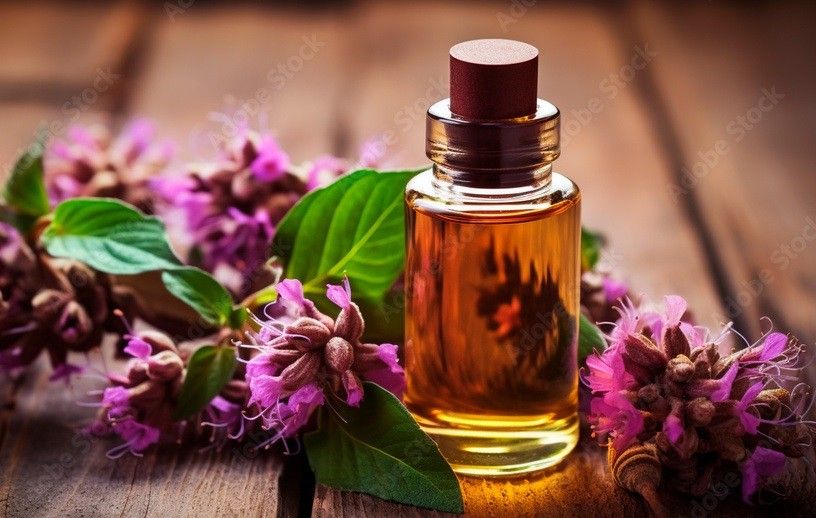
Patchouli oil is an aromatic essential oil derived from the leaves of the Pogostemon cablin plant, a herb native to Southeast Asia. Renowned for its rich, earthy scent and therapeutic properties, patchouli oil has been used for centuries in traditional medicine, perfumery, and aromatherapy. Its unique fragrance and versatile benefits make it a popular essential oil in homes and wellness practices worldwide.
In this guide, we will explore everything you need to know about patchouli oil — from its composition and science-backed health benefits to usage, precautions, and dosage recommendations.
What is Patchouli Oil?
Patchouli oil is a concentrated essential oil extracted from the leaves of the patchouli plant through steam distillation. Traditionally, patchouli leaves were dried and burned or infused for their aromatic properties, but modern extraction methods allow for a more potent and pure oil.
The oil is characterized by a strong, musky, and earthy aroma. It is dark brown or reddish in color and has a thick, oily texture. Patchouli oil is widely used in perfumery, skincare, and aromatherapy, as well as in traditional medicine to treat various ailments. Historically, patchouli oil was valued for its anti-inflammatory, antiseptic, and aphrodisiac properties. Today, it remains a staple in aromatherapy and alternative wellness practices.
Components of Patchouli Oil
Patchouli oil contains several active compounds that contribute to its therapeutic effects.
| Component | Percentage (Approx.) | Benefits/Function |
|---|---|---|
| Patchoulol | 30–35% | Anti-inflammatory, promotes skin health |
| α-Bulnesene | 20–25% | Antimicrobial, aromatic |
| Seychellene | 10–15% | Sedative and calming properties |
| Norpatchoulenol | 5–10% | Antioxidant, supports skin repair |
| Pogostol | 3–8% | Antifungal, antiseptic |
| α-Guaiene | 2–5% | Anti-inflammatory and antimicrobial |
| β-Caryophyllene | 1–3% | Analgesic and anti-inflammatory |
20 Proven Benefits of Patchouli Oil
Patchouli oil offers a wide range of benefits, both physical and mental.
- Reduces Stress and Anxiety: Oil is known for its calming properties. Its aroma stimulates the olfactory system and triggers a relaxation response, which helps in reducing stress and anxiety.
- Enhances Mood: The soothing scent of patchouli oil can uplift mood and alleviate feelings of sadness or irritability. It is often used in aromatherapy for emotional balance.
- Supports Skin Health: Oil has anti-inflammatory and antiseptic properties that can help soothe irritated skin, reduce redness, and prevent infections.
- Promotes Wound Healing: Its antiseptic qualities make patchouli oil useful in treating minor cuts, wounds, and insect bites. It helps prevent infection and promotes faster healing.
- Fights Acne: Oil helps balance oil production in the skin and fights bacteria, making it effective in reducing acne and preventing breakouts.
- Reduces Signs of Aging: Rich in antioxidants, patchouli oil helps combat free radicals, which contribute to wrinkles, fine lines, and other signs of aging.
- Treats Dry Skin: Its moisturizing properties make patchouli oil an effective solution for dry and flaky skin, keeping it soft and hydrated.
- Eases Inflammation: Oil contains compounds that reduce inflammation, making it useful for conditions like arthritis or skin irritation.
- Boosts Immunity: Regular use of patchouli oil in aromatherapy may enhance immune function due to its antimicrobial and antifungal properties.
- Relieves Headaches: Inhaling oil or applying it topically (diluted) can help relieve tension headaches and migraines.
- Reduces Swelling: The anti-inflammatory properties of patchouli oil help in reducing swelling caused by injuries or skin conditions.
- Promotes Hair Health: Oil stimulates hair follicles, reduces dandruff, and improves scalp health, leading to stronger and healthier hair.
- Acts as a Natural Aphrodisiac: Patchouli oil has traditionally been used to enhance libido.
- Alleviates Respiratory Issues: Its antiseptic and anti-inflammatory properties may help reduce symptoms of colds, coughs, and other respiratory infections.
- Supports Digestive Health: Oil can aid digestion by stimulating the secretion of digestive juices, reducing bloating and discomfort.
- Reduces Cellulite Appearance: Patchouli oil may help tighten the skin and improve its elasticity, reducing the appearance of cellulite.
- Deters Insects: The strong scent of patchouli oil naturally repels mosquitoes, ants, and other insects.
- Acts as a Natural Deodorant: Due to its antiseptic and aromatic properties, oil can be used as a natural deodorant to control body odor.
- Supports Emotional Balance: Oil can help reduce feelings of depression, nervousness, and fatigue by balancing mood and calming the mind.
- Enhances Meditation Practices: Its grounding scent promotes mindfulness and focus, making it a popular choice for meditation and yoga sessions.
10 Side Effects of Patchouli Oil
While patchouli oil offers numerous benefits, it is important to be aware of potential side effects:
- Skin Irritation: Some individuals may experience allergic reactions or irritation when using oil topically.
- Photosensitivity: Excessive application on the skin may increase sensitivity to sunlight, leading to sunburn or rashes.
- Nausea or Headaches: Strong inhalation of patchouli oil can cause headaches or nausea in sensitive individuals.
- Respiratory Issues: Overuse of patchouli oil in aromatherapy may trigger asthma or breathing difficulties in susceptible people.
- Hormonal Effects: Oil may influence estrogen levels and is not recommended during pregnancy without medical guidance.
- Dizziness: Overexposure to patchouli oil aroma may cause dizziness or lightheadedness.
- Eye Irritation: Direct contact with eyes can cause burning, redness, or irritation.
- Allergic Reactions: Rarely, oil can trigger severe allergic reactions such as hives or itching.
- Interaction with Medications: Oil may interact with certain medications, especially those related to blood pressure or hormone therapy.
- Overuse Effects: Excessive daily use may lead to skin dryness or sensitization over time.
How to Use Patchouli Oil?
Oil can be used in various ways depending on the intended benefit:
- Aromatherapy: Add a few drops to a diffuser to reduce stress and improve mood.
- Topical Use: Dilute with a carrier oil (coconut or jojoba) and apply to skin to treat dryness or acne.
- Massage: Mix with a carrier oil for a relaxing massage that relieves tension and improves blood circulation.
- Bath: Add a few drops to bathwater for relaxation and skin nourishment.
Other Uses of Patchouli Oil
- Perfume: Its earthy scent makes it a popular base note in perfumes.
- Natural Insect Repellent: Can be applied to skin or clothing to deter mosquitoes.
- Laundry: Add a few drops to laundry to impart a pleasant aroma.
- Hair Care: Mix with shampoo or conditioner to improve scalp health and reduce dandruff.
Tips for Consuming Patchouli Oil
Oil is generally used externally and for aromatherapy. Internal consumption should only be done under professional guidance. Tips for safe use include:
- Always dilute with a carrier oil before topical application.
- Conduct a patch test to check for allergies.
- Use small quantities; a few drops are usually sufficient.
- Avoid contact with eyes, mucous membranes, and broken skin.
How to Take Patchouli Oil?
Oil is primarily for external use:
- Aromatherapy: Use 3–5 drops in a diffuser or inhale from a handkerchief.
- Topical Use: Mix 2–3 drops with 1 teaspoon of carrier oil.
- Bath: Add 4–5 drops to warm bathwater.
Internal consumption should only be under the guidance of a certified aromatherapist or healthcare professional.
How to Make Patchouli Oil at Home?
Making oil at home requires patience and care:
Ingredients:
- Dried patchouli leaves
- Carrier oil (coconut, olive, or jojoba)
- Glass jar with lid
Method:
- Crush dried patchouli leaves.
- Place leaves in a glass jar and cover with carrier oil.
- Seal and store in a cool, dark place for 2–3 weeks, shaking daily.
- Strain the oil using a fine cloth or sieve.
- Store in a dark glass bottle away from sunlight.
This method produces a mild patchouli-infused oil suitable for topical and aromatic use.
How Much Patchouli Oil Can You Use Per Day?
- For aromatherapy, 3–5 drops per session is sufficient.
- For topical application, 2–3 drops mixed with a teaspoon of carrier oil is safe.
- Avoid excessive use to prevent skin irritation or sensitization.
Patchouli Oil Dosage
- Adults: 2–5 drops per application or in a diffuser.
- Children: Use only under professional supervision.
- Internal use: Only under medical guidance.
Best Time to Use Patchouli Oil
- Morning: For an uplifting mood and energy.
- Evening: For relaxation and stress relief before sleep.
- During Meditation: Enhances focus and grounding.
Who Should Use Patchouli Oil?
- Individuals with stress or anxiety
- People with dry skin or acne
- Those seeking a natural fragrance or aphrodisiac effects
- Individuals looking for antimicrobial or anti-inflammatory support
Who Should Not Use Patchouli Oil?
- Pregnant or breastfeeding women without consulting a doctor
- Individuals with sensitive skin prone to allergies
- People with respiratory conditions that could worsen with strong aromas
- Those on certain hormone-related medications
How to Store Patchouli Oil?
- Keep in a dark glass bottle to prevent light degradation.
- Store in a cool, dry place away from heat or sunlight.
- Keep the cap tightly closed to avoid oxidation.
- Shelf life is typically 2–3 years when stored properly.
Precautions and Interactions
- Always dilute before applying to skin.
- Avoid direct contact with eyes and mucous membranes.
- Consult a doctor before using if you are pregnant, breastfeeding, or on medication.
- Oil may interact with blood-thinning or hormone therapy drugs.
- Discontinue use if rash, irritation, or allergic reaction occurs.
FAQ’s
What is Patchouli Oil good for?
Oil is used for skin care, hair health, stress relief, mood enhancement, wound healing, and as a natural fragrance or insect repellent.
Can Patchouli Oil be used every day?
Yes, but in small quantities. For topical use, always dilute with a carrier oil. For aromatherapy, 3–5 drops per session are sufficient.
Is Patchouli Oil safe during pregnancy?
It is not recommended during pregnancy unless approved by a healthcare professional, as it may influence hormone levels.
Can Patchouli Oil help with acne?
Yes, its antiseptic and anti-inflammatory properties help reduce acne and prevent breakouts when applied topically in diluted form.
How do I use Patchouli Oil for relaxation?
Add a few drops to a diffuser, inhale directly, or mix with a carrier oil for a calming massage to relieve stress and anxiety.
Can Patchouli Oil regrow hair?
While it doesn’t directly regrow hair, oil improves scalp health, reduces dandruff, and strengthens hair follicles.
Can Patchouli Oil be ingested?
Internal use is not recommended without professional guidance, as it may cause side effects or interact with medications.
What is Patchouli Oil used for?
Oil is used for skin care, hair health, stress relief, mood enhancement, wound healing, and aromatherapy. It is also popular in perfumery and as a natural insect repellent.
Is Patchouli Oil safe for children?
Oil can be used for children only in very small amounts and when properly diluted with a carrier oil. It is recommended to consult a pediatrician before use.
What does Patchouli Oil smell like?
Oil has a strong, earthy, musky, and slightly sweet aroma that is grounding and calming.
What does Patchouli Oil taste like?
Oil is bitter and earthy, and it is not recommended for ingestion unless under professional guidance.
What is patchouli called in India?
In India, patchouli is commonly called “Pachouli” or “Patchuli”, derived from the local transliteration of the plant name.
Why is patchouli oil so expensive?
Oil is expensive due to its long cultivation period, labor-intensive harvesting, slow distillation process, and high concentration of aromatic compounds. High-quality oil also requires aging, which adds to the cost.
How to use patchouli oil on face?
Dilute 2–3 drops of oil with a teaspoon of carrier oil (like jojoba or coconut oil) and apply gently to the face. It helps reduce acne, moisturize dry skin, and soothe irritation, but always do a patch test first.
Also Read: