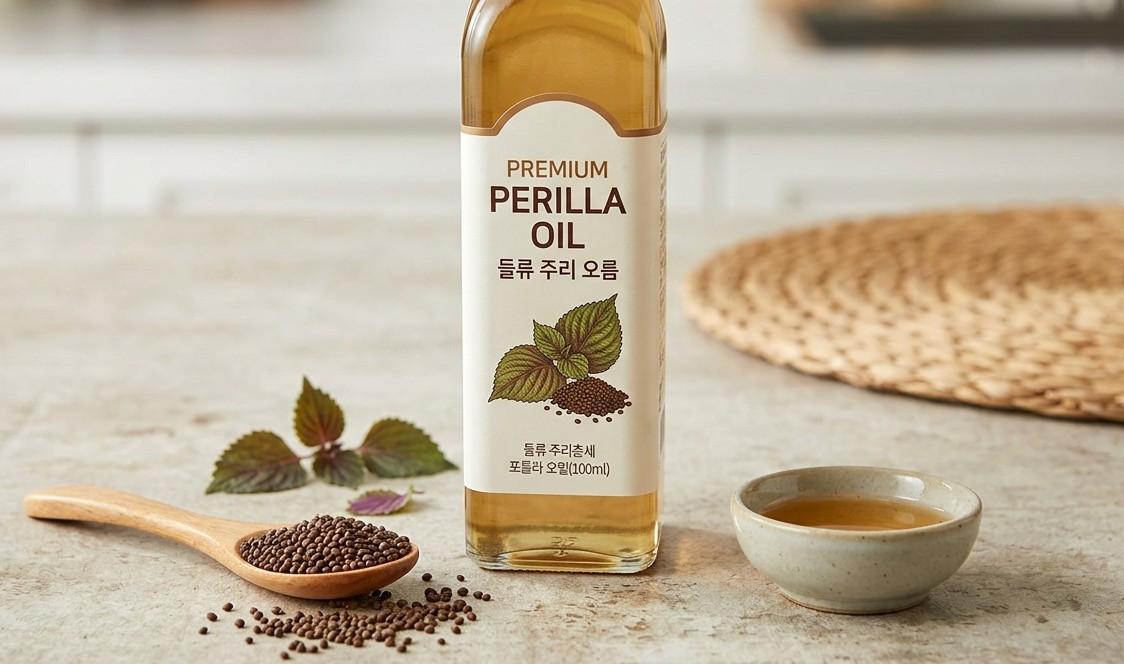
Perilla oil is one of the most underrated plant oils in the world of natural health. While olive oil and coconut oil often steal the spotlight, perilla oil quietly offers exceptional nutritional value—especially for those looking for plant-based omega-3 fatty acids. Traditionally used in East Asian countries like Korea, China, and Japan, this oil is now gaining global recognition for its powerful health-supporting properties.
In this guide, you’ll learn everything you need to know about perilla oil—from its nutrition profile and proven health benefits to side effects, dosage, and safe usage.
What is Perilla Oil?
Perilla oil is a plant-based oil extracted from the seeds of the Perilla frutescens plant, a leafy herb belonging to the mint family. The plant is widely cultivated in East Asia, where both its leaves and seeds are used in cooking and traditional medicine.
The oil is known for its exceptionally high content of alpha-linolenic acid (ALA), a type of omega-3 fatty acid. In fact, oil contains even more omega-3 than flaxseed oil in some varieties, making it one of the richest plant sources available.
Perilla oil has a light, nutty flavor and is commonly used in salad dressings, drizzled over cooked vegetables, or taken as a dietary supplement. Beyond culinary use, it has also been used traditionally to support respiratory health, reduce inflammation, and improve skin conditions.
Nutrition Facts of Perilla Oil
Below is the approximate nutritional value per 1 tablespoon (14 grams) of perilla oil:
| Nutrient | Amount per 1 tbsp (14g) |
|---|---|
| Calories | 120 kcal |
| Total Fat | 14 g |
| Saturated Fat | 1–1.5 g |
| Monounsaturated Fat | 2–3 g |
| Polyunsaturated Fat | 9–11 g |
| Omega-3 (ALA) | 7–9 g |
| Omega-6 | 1–2 g |
| Vitamin E | 2–4 mg |
| Cholesterol | 0 mg |
| Carbohydrates | 0 g |
| Protein | 0 g |
Perilla oil is especially valued for its omega-3 to omega-6 ratio, which supports balanced inflammation levels in the body.
20 Science-Backed Benefits of Perilla Oil
- Rich Source of Omega-3 Fatty Acids – Oil provides one of the highest plant-based concentrations of alpha-linolenic acid, which supports heart, brain, and overall cellular health.
- Supports Heart Health – The omega-3 content helps reduce triglycerides and may improve overall cardiovascular function.
- Reduces Inflammation – Oil contains anti-inflammatory compounds that may help reduce chronic inflammation in the body.
- Supports Brain Function – Omega-3 fatty acids in perilla oil contribute to cognitive performance and long-term brain health.
- Improves Skin Health – Its anti-inflammatory properties may help soothe eczema, dry skin, and irritation.
- May Help with Allergies – Perilla oil has been traditionally used to help manage seasonal allergies and allergic reactions.
- Supports Respiratory Health – It may help reduce symptoms associated with asthma and other respiratory conditions.
- Promotes Healthy Cholesterol Levels – Regular consumption may help maintain balanced LDL and HDL cholesterol levels.
- Supports Joint Health – Its anti-inflammatory effects may help reduce joint discomfort and stiffness.
- Boosts Immune Function – The antioxidants and fatty acids help strengthen the immune system.
- May Support Weight Management – Healthy fats in perilla oil promote satiety and reduce overeating.
- Improves Digestive Health – It may soothe mild digestive discomfort and support gut balance.
- Protects Against Oxidative Stress – Vitamin E and plant compounds help combat free radical damage.
- Supports Hormonal Balance – Essential fatty acids are crucial for proper hormone production.
- May Improve Mood – Omega-3 intake has been linked to better emotional well-being.
- Supports Eye Health – Essential fatty acids help maintain retinal health.
- Helps Maintain Healthy Blood Pressure – Regular intake may contribute to balanced blood pressure levels.
- Supports Liver Function – Some research suggests protective effects on liver cells.
- May Reduce Risk of Metabolic Disorders – Anti-inflammatory and lipid-balancing effects support metabolic health.
- Promotes Healthy Hair – The nourishing fats help improve scalp health and hair shine.
10 Side Effects of Perilla Oil
- Digestive Discomfort – Excessive intake may cause bloating, diarrhea, or stomach upset.
- Allergic Reactions – Individuals allergic to mint family plants may experience allergic symptoms.
- Blood Thinning Effects – High omega-3 content may increase bleeding risk when combined with blood thinners.
- Low Blood Pressure – It may lower blood pressure excessively in sensitive individuals.
- Calorie-Dense – Overconsumption can contribute to unwanted weight gain.
- Oxidation Risk – Poor storage may lead to rancid oil that can cause digestive distress.
- Drug Interactions – It may interact with medications affecting blood clotting or blood pressure.
- Hormonal Sensitivity – Some individuals may experience mild hormonal fluctuations.
- Skin Irritation (Topical Use) – Direct application may cause irritation in sensitive skin types.
- Not Suitable for Infants Without Medical Advice – High-fat oils should not be given to infants without supervision.
How to Use Perilla Oil?
Perilla oil is best used as a finishing oil rather than a cooking oil because high heat can damage its delicate omega-3 fatty acids.
Ways to use it include:
- Drizzle over salads and cooked vegetables
- Add to smoothies
- Mix into yogurt or oatmeal
- Blend into salad dressings
- Stir into soups after cooking
- Take directly by spoon as a supplement
Avoid deep frying or high-heat cooking with oil.
Other Uses of Perilla Oil
Oil is not only used internally but also externally:
- Massage oil for dry skin
- Ingredient in natural skincare products
- Scalp oil for dry or flaky scalp
- Oil pulling for oral hygiene
- Traditional respiratory support remedies
Tips for Consuming Perilla Oil
- Start with a small dose to assess tolerance.
- Always choose cold-pressed, unrefined perilla oil.
- Store in a dark glass bottle.
- Avoid heating it.
- Pair with antioxidant-rich foods for better stability.
- Check for freshness before use.
How to Take Perilla Oil?
You can take perilla oil in two primary forms:
- Liquid oil – 1 teaspoon to 1 tablespoon daily with meals.
- Capsules – Follow label instructions, typically 500–1000 mg per capsule.
Taking it with food helps improve absorption and reduces digestive discomfort.
How to Make Perilla Oil at Home?
Traditional extraction involves cold pressing perilla seeds.
Basic steps:
- Clean and dry perilla seeds thoroughly.
- Lightly roast seeds (optional for flavor, but reduces omega-3 slightly).
- Use a cold press oil extractor.
- Filter the oil through cheesecloth.
- Store in airtight dark bottles.
Note: Home extraction may not be as efficient as commercial cold pressing.
How Much Perilla Oil Can You Use Per Day?
Most healthy adults can safely consume 1 to 2 tablespoons (15–30 ml) per day. However, moderation is important due to its calorie content and blood-thinning properties.
If you are new to oil, start with 1 teaspoon daily and increase gradually.
Perilla Oil Dosage
- General wellness: 1 tablespoon daily
- Heart support: 1–2 tablespoons daily
- Supplement capsules: 1000–3000 mg per day (divided doses)
- Topical use: Apply a few drops diluted with carrier oil
Always consult a healthcare provider if you have medical conditions.
Best Time to Use Perilla Oil
The best time to take perilla oil is with meals, particularly breakfast or lunch. Taking it with food improves absorption and reduces the chance of stomach discomfort.
Avoid taking it on an empty stomach if you have a sensitive digestive system.
Who Should Use Perilla Oil?
Oil may be beneficial for:
- Vegetarians and vegans needing plant-based omega-3
- Individuals with inflammatory conditions
- Those with dry skin or scalp
- People looking to support heart health
- Individuals seeking allergy support
- Adults with low omega-3 intake
Who Should Not Use Perilla Oil?
Avoid or consult a doctor if you:
- Are taking blood-thinning medications
- Have bleeding disorders
- Are scheduled for surgery
- Have severe allergies to mint family plants
- Are pregnant or breastfeeding without medical advice
- Have very low blood pressure
How to Store Perilla Oil?
Proper storage is crucial because omega-3 oils oxidize quickly.
- Store in a dark glass bottle
- Keep refrigerated after opening
- Avoid heat and direct sunlight
- Keep tightly sealed
- Use within 2–3 months after opening
If the oil smells bitter or paint-like, it has gone rancid and should be discarded.
Precautions and Interactions
- May interact with anticoagulants such as warfarin
- May enhance the effect of blood pressure medications
- Avoid combining with high doses of fish oil without guidance
- Stop use 1–2 weeks before surgery
- Monitor for signs of excessive bleeding
People with chronic conditions should consult a healthcare professional before long-term use.
Final Thoughts
Perilla oil is a nutritional powerhouse, especially for those seeking a plant-based source of omega-3 fatty acids. From heart and brain support to skin and immune health, its benefits are wide-ranging and backed by its rich fatty acid profile. However, like any natural remedy, it should be used wisely and in moderation. When stored properly and consumed appropriately, oil can be a valuable addition to a balanced, health-conscious lifestyle.
FAQ’s
What is perilla oil used for?
Oil is mainly used to support heart health, reduce inflammation, improve skin condition, and provide a rich plant-based source of omega-3 fatty acids.
Is perilla oil better than flaxseed oil?
Oil contains a comparable or sometimes higher amount of alpha-linolenic acid (ALA) than flaxseed oil, making it an excellent alternative plant-based omega-3 source.
Can I use perilla oil every day?
Yes, most healthy adults can safely consume 1–2 tablespoons daily, provided they do not have bleeding disorders or medication interactions.
Does perilla oil help with allergies?
Oil has traditionally been used to help manage seasonal allergies due to its anti-inflammatory and immune-supporting properties.
Is perilla oil good for skin?
Yes, oil may help soothe dry, irritated, or inflamed skin when consumed or applied topically in diluted form.
Can perilla oil lower cholesterol?
Its omega-3 fatty acids may help support healthy cholesterol levels by improving the balance between LDL and HDL cholesterol.
Is perilla oil safe during pregnancy?
Pregnant or breastfeeding women should consult a healthcare provider before using oil regularly.
Can perilla oil help with weight loss?
While not a weight-loss product, its healthy fats may promote satiety and support a balanced metabolism when used as part of a healthy diet.
Should perilla oil be refrigerated?
Yes, because of its high omega-3 content, oil should be stored in the refrigerator after opening to prevent oxidation.
Can you cook with perilla oil?
Oil is best used as a finishing oil and should not be exposed to high heat, as heat can damage its delicate fatty acids.
Does perilla oil thin the blood?
Due to its omega-3 content, perilla oil may have mild blood-thinning effects, so individuals on anticoagulant medications should consult a doctor.
How long does perilla oil take to work?
Benefits such as improved skin or inflammation support may be noticed within a few weeks of consistent use.
What does perilla oil taste like?
Oil has a mild, nutty, slightly earthy flavor that complements salads and vegetable dishes.
Is perilla oil suitable for vegans?
Yes, oil is completely plant-based and suitable for vegetarians and vegans seeking omega-3 fatty acids.
How do I know if perilla oil has gone bad?
If the oil smells rancid, bitter, or paint-like, it has oxidized and should not be consumed.
Is Perilla Oil safe for children?
Small amounts of perilla oil may be safe for children when used in food, but it’s best to consult a pediatrician before giving it regularly. Due to its blood-thinning properties and high fat content, professional guidance is recommended for proper dosage.
Is perilla oil the same as sesame oil?
No, perilla oil and sesame oil are different oils derived from different plants. Oil comes from perilla seeds and is rich in omega-3 fatty acids, while sesame oil comes from sesame seeds and contains mostly omega-6 and monounsaturated fats with a distinct toasted flavor.
Is perilla oil better than olive oil?
Perilla oil and olive oil have different nutritional strengths, so one is not universally better than the other. Perilla oil is higher in omega-3 fatty acids, while olive oil is rich in monounsaturated fats and antioxidants, making both beneficial depending on your health goals.
Also Read: