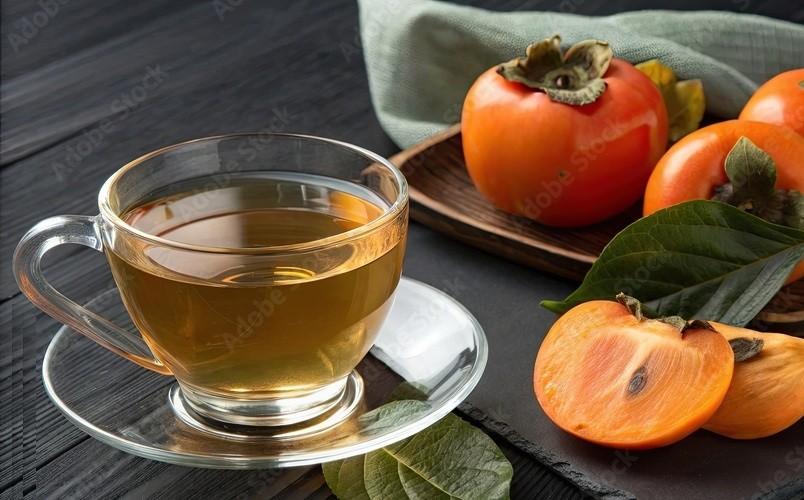
Herbal teas have long been valued for their soothing qualities and natural health-promoting properties. Among the lesser-known but increasingly appreciated options is persimmon leaf tea — a traditional infusion made from the leaves of the persimmon tree. Popular in parts of East Asia and gaining recognition worldwide, this tea offers a mild flavor alongside a spectrum of nutrients and plant compounds. In this guide, you will learn what persimmon leaf tea is, its nutritional profile, proven health benefits, possible side effects, preparation methods, and practical tips for incorporating it into your routine.
What is Persimmon Leaf Tea?
Persimmon leaf tea is a herbal beverage prepared by steeping dried leaves of the persimmon tree in hot water. Unlike teas derived from Camellia sinensis (such as black or green tea), persimmon leaf tea is naturally caffeine-free and considered an herbal infusion.
Traditionally consumed in East Asian cultures, the leaves are harvested, dried, and sometimes lightly roasted to enhance flavor and shelf life. The resulting tea has a mild, slightly sweet taste with earthy undertones and is often enjoyed for both wellness and relaxation.
The leaves are known to contain vitamins, antioxidants, and beneficial phytochemicals that contribute to their reputation in traditional herbal practices. While not a cure for diseases, modern research has begun examining these compounds for potential health-supporting properties.
Nutritional Facts of Persimmon Leaf Tea
Below is a general overview of nutrients and bioactive compounds commonly found in persimmon leaves. Exact values vary depending on preparation and leaf quality.
| Nutrient / Compound | Approximate Presence | Potential Role |
|---|---|---|
| Vitamin C | High | Immune support, antioxidant protection |
| Vitamin A (beta carotene) | Moderate | Eye health, skin maintenance |
| Calcium | Trace to moderate | Bone support |
| Potassium | Trace | Fluid balance, heart function |
| Flavonoids | Abundant | Anti-inflammatory and antioxidant activity |
| Tannins | Present | Digestive support, antimicrobial properties |
| Polyphenols | Abundant | Cellular protection from oxidative stress |
| Fiber (in leaf residue) | Minimal in tea | Digestive support |
| Chlorophyll | Present | Detox-supporting reputation |
| Amino acids | Trace | Cellular function support |
Note that brewed tea contains lower concentrations than the raw leaves but still provides beneficial plant compounds.
20 Science-Backed Benefits of Persimmon Leaf Tea
- Rich in Antioxidants — Persimmon leaf tea contains polyphenols and flavonoids that help protect cells from oxidative stress.
- Supports Immune Health — Its vitamin C content contributes to normal immune system function and resilience.
- Promotes Heart Wellness — Plant compounds may support healthy cholesterol balance and circulation.
- Helps Maintain Blood Pressure Levels — Potassium and antioxidants may assist in vascular relaxation and stability.
- Anti-Inflammatory Properties — Bioactive compounds may help reduce mild inflammation in the body.
- Encourages Skin Health — Nutrients and antioxidants support collagen maintenance and skin protection.
- Aids Digestive Comfort — Tannins may support digestive balance and soothe minor discomfort.
- Supports Blood Sugar Balance — Early research suggests plant compounds may influence glucose metabolism.
- Boosts Natural Energy — Micronutrients may contribute to reduced fatigue without caffeine stimulation.
- Promotes Relaxation — Being caffeine-free, it helps calm the body and mind.
- Supports Respiratory Comfort — Traditional use associates it with easing mild throat or airway irritation.
- Contributes to Bone Health — Trace minerals like calcium support skeletal maintenance.
- Improves Circulatory Function — Flavonoids may promote better blood vessel flexibility.
- Supports Oral Hygiene — Natural tannins may inhibit certain harmful bacteria.
- Encourages Detox Support — Antioxidants assist the body’s natural detoxification processes.
- Supports Weight Management — Low calorie content makes it a suitable hydration option.
- Promotes Cognitive Wellness — Antioxidant activity may protect brain cells over time.
- Supports Healthy Aging — Reducing oxidative damage contributes to long-term vitality.
- May Ease Menstrual Discomfort — Traditional herbal use suggests mild soothing effects.
- Enhances Hydration — Drinking herbal tea increases daily fluid intake.
10 Side Effects of Persimmon Leaf Tea
- Digestive Upset — High tannin intake may cause stomach irritation in sensitive individuals.
- Allergic Reaction Risk — Rare plant allergies could lead to itching, swelling, or discomfort.
- Reduced Iron Absorption — Tannins may interfere with iron uptake if consumed with meals.
- Blood Pressure Interaction — Those with low blood pressure may experience additional reduction.
- Medication Interference — Herbal compounds may interact with certain prescriptions.
- Nausea from Overconsption — Drinking excessive amounts may cause discomfort or dizziness.
- Pregnancy Safety Uncertainty — Limited research means caution is advisable.
- Mild Diuretic Effect — Increased urination may occur in some individuals.
- Headache Possibility — Rare sensitivity reactions have been reported.
- Contamination Risk — Poor-quality or improperly sourced leaves may contain harmful residues.
How to Make Persimmon Leaf Tea?
Ingredients:
- 1 teaspoon dried persimmon leaves
- 1 cup hot water
Instructions:
- Bring water to a boil and let it cool slightly.
- Add dried leaves to a teapot or cup.
- Pour hot water over the leaves.
- Steep for 5–10 minutes.
- Strain and serve warm.
Optional additions include honey, lemon, or ginger to enhance flavor.
Other Uses of Persimmon Leaf Tea
- Facial rinse for skin refreshment
- Natural plant-based dye ingredient
- Herbal compress for relaxation
- Addition to bathwater for aromatherapy
- Culinary infusion for soups or broths
How Much Persimmon Leaf Tea Can You Drink a Day?
Most healthy adults can safely consume 1–3 cups per day. Moderation helps avoid excessive tannin intake and ensures balanced nutrient absorption.
Tips for Consuming Persimmon Leaf Tea
- Use high-quality organic leaves
- Avoid drinking on an empty stomach if sensitive
- Do not over-steep to reduce bitterness
- Store leaves in airtight containers
- Rotate herbal teas for variety
- Consult professionals if taking medications
Best Time to Drink Persimmon Leaf Tea
- Morning for gentle hydration
- Afternoon for antioxidant support
- Evening as a calming caffeine-free option
Avoid pairing directly with iron-rich meals to reduce absorption interference.
Who Should Drink Persimmon Leaf Tea?
- Individuals seeking caffeine-free beverages
- Those wanting antioxidant-rich drinks
- People looking for gentle relaxation
- Adults maintaining balanced wellness routines
- Herbal tea enthusiasts
Who Should Not Drink Persimmon Leaf Tea?
- Pregnant or breastfeeding individuals without guidance
- People with severe plant allergies
- Those with medical conditions affected by tannins
- Individuals on medication without consultation
- Children in large quantities
Precautions and Interactions
- Speak with healthcare professionals if under treatment
- Avoid replacing medical therapies with herbal drinks
- Monitor reactions when trying for the first time
- Purchase from reputable suppliers
- Maintain moderation in daily intake
- Store leaves properly to avoid spoilage
Conclusion
Persimmon leaf tea offers a fascinating blend of tradition and emerging nutritional interest. Its mild flavor, caffeine-free nature, and wealth of plant compounds make it an appealing addition to a balanced lifestyle. While not a miracle cure, its antioxidant properties and potential health-supporting benefits contribute to its growing popularity.
As with any herbal preparation, responsible consumption and awareness of personal health conditions are essential. By preparing it properly and enjoying it in moderation, persimmon leaf tea can serve as a refreshing and supportive addition to your daily routine.
FAQ’s
What does persimmon leaf tea taste like?
Persimmon leaf tea has a mild, smooth flavor with slightly sweet and earthy undertones. It is generally less bitter than many herbal teas and easy to drink plain or with natural sweeteners.
Is persimmon leaf tea caffeine-free?
Yes, persimmon leaf tea is naturally caffeine-free because it is made from dried leaves rather than traditional tea plants. This makes it suitable for evening consumption.
How long does it take for persimmon leaf tea to work?
Herbal teas typically support wellness gradually rather than producing immediate effects. Some people may notice digestive or relaxation benefits within a few days, while antioxidant-related benefits develop over consistent use.
Can persimmon leaf tea help with immunity?
It contains vitamin C and plant antioxidants that support immune function. However, it should be considered a supportive dietary addition rather than a medical treatment.
Is persimmon leaf tea safe to drink every day?
For most healthy adults, drinking one to three cups daily is generally considered safe. Moderation is recommended to avoid excessive tannin intake.
Can children drink persimmon leaf tea?
Small amounts are usually safe, but it is best to consult a healthcare professional before offering herbal teas regularly to children.
Does persimmon leaf tea help with weight loss?
It is low in calories and can support hydration, which may complement healthy weight management habits. It does not directly cause weight loss.
How should persimmon leaf tea be stored?
Store dried leaves in an airtight container in a cool, dry place away from sunlight to preserve freshness and nutrient quality.
Is persimmon leaf tea safe during pregnancy?
Due to limited scientific research, pregnant or breastfeeding individuals should seek medical guidance before consumption.
Can persimmon leaf tea be consumed cold?
Yes, it can be brewed hot and chilled for a refreshing cold beverage without losing its basic nutritional properties.
What is Persimmon Leaf Tea made from?
Persimmon leaf tea is made from the dried leaves of the persimmon tree. The leaves are harvested, cleaned, and dried — sometimes lightly roasted — before being steeped in hot water to create a mild, caffeine-free herbal infusion.
What is Persimmon Leaf Tea good for?
Persimmon leaf tea is valued for its antioxidant and vitamin C content, which may support immune health, heart wellness, skin maintenance, digestion, and relaxation. It also serves as a hydrating, low-calorie beverage that fits well into balanced wellness routines, though it should not replace medical treatment.
Also Read: