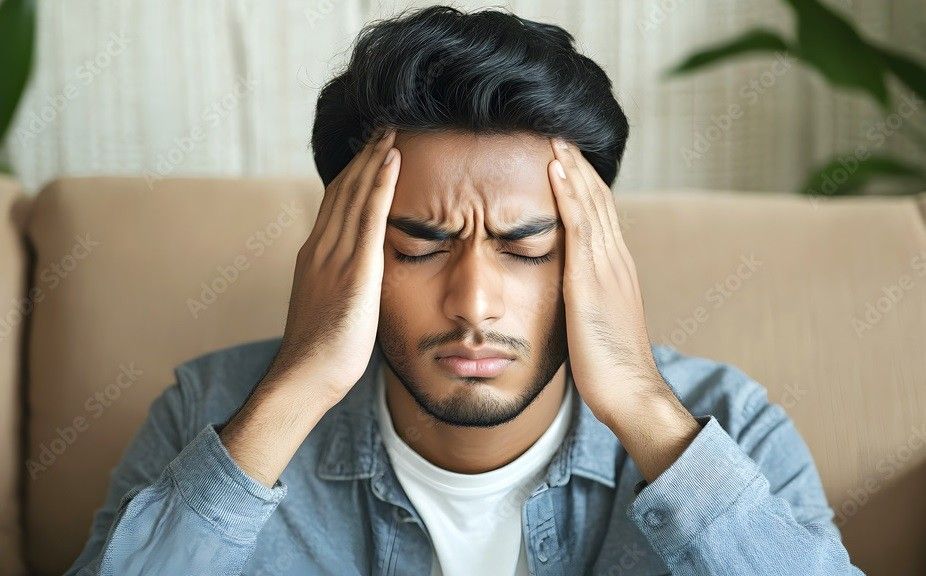
Stress is something we all encounter in life. It’s a natural response to challenges, deadlines, or difficult situations. However, when stress becomes chronic or overwhelming, it doesn’t just affect your mind—it manifests in your body in very real, physical ways. Many people often overlook the link between mental tension and bodily reactions, attributing symptoms to other causes. Recognizing the physical symptoms of stress is crucial, as prolonged stress can impact overall health, sleep, and quality of life. In this guide, we’ll explore the most common physical symptoms of stress, why they occur, and how you can manage them effectively.
What Happens to Your Body During Stress?
Stress triggers a complex biological response. When your brain perceives a threat—whether real or perceived—it activates the fight-or-flight response. This ancient mechanism prepares your body to either confront danger or escape it. Hormones such as adrenaline and cortisol surge, increasing heart rate, blood pressure, and energy levels. While this response is essential in short bursts, chronic stress keeps your body in a state of constant alert, which can cause physical symptoms over time.
The physical manifestations of stress can appear in nearly every system in the body, including the cardiovascular, digestive, muscular, immune, and nervous systems. Let’s take a closer look.
15 Physical Symptoms of Stress You Might Be Ignoring
1. Headaches and Migraines
One of the most common physical symptoms of stress is headaches. Tension headaches are often caused by the tightening of muscles in the neck, scalp, and shoulders due to stress. Migraines, though more severe, can also be triggered or worsened by stress hormones.
- Why it happens: Stress-induced muscle tension, changes in blood flow, and chemical fluctuations in the brain can trigger headaches.
- Signs to watch for: Pressure around the forehead, temples, or the back of the neck; sensitivity to light and sound; nausea in some cases.
- What helps: Regular breaks, hydration, gentle neck stretches, mindfulness, and relaxation techniques.
2. Muscle Tension and Pain
Stress often causes muscles to contract and stay tight, leading to chronic pain and stiffness, particularly in the shoulders, neck, and back. Over time, this tension can contribute to poor posture and even musculoskeletal issues.
- Why it happens: Stress activates the sympathetic nervous system, causing muscles to tense up as a protective response.
- Signs to watch for: Stiff shoulders, tight jaw, clenched fists, lower back pain, or general body aches.
- What helps: Massage therapy, yoga, regular exercise, and consciously relaxing muscles throughout the day.
3. Chest Pain and Heart Palpitations
Many people experience cardiovascular symptoms when stressed, such as a racing heartbeat or tightness in the chest. While these symptoms can be alarming, they are usually related to stress rather than heart disease—though caution is always necessary.
- Why it happens: Stress hormones increase heart rate and blood pressure, putting extra strain on the cardiovascular system.
- Signs to watch for: Fluttering heartbeat, pounding in the chest, chest tightness, or shortness of breath.
- What helps: Deep breathing exercises, meditation, avoiding stimulants like caffeine, and consulting a healthcare professional if symptoms persist.
4. Digestive Problems
Stress can significantly affect the digestive system. From mild discomfort to chronic conditions, your gut is highly sensitive to stress.
- Why it happens: The “fight-or-flight” response diverts blood flow away from the digestive system, slows digestion, and increases stomach acid production.
- Common symptoms: Stomach cramps, bloating, diarrhea, constipation, nausea, or acid reflux.
- What helps: Eating small, balanced meals, staying hydrated, practicing mindful eating, and reducing stressful triggers.
5. Fatigue and Low Energy
Even when you’re getting enough sleep, chronic stress can leave you feeling drained and exhausted. Stress affects sleep quality and disrupts natural energy cycles.
- Why it happens: Persistent stress keeps the body in a heightened state of alert, exhausting your energy reserves and affecting hormone balance.
- Signs to watch for: Difficulty waking up, feeling lethargic, lack of motivation, and overall tiredness.
- What helps: Prioritizing sleep, practicing relaxation techniques before bed, regular exercise, and managing workload or commitments.
6. Sleep Disturbances
Stress often causes insomnia or restless sleep. Worries, racing thoughts, and physical tension can make it hard to fall or stay asleep.
- Why it happens: Stress hormones interfere with melatonin production and disrupt the natural sleep cycle.
- Signs to watch for: Difficulty falling asleep, waking up frequently, night sweats, or vivid dreams.
- What helps: Sleep hygiene practices like limiting screen time, maintaining a consistent sleep schedule, and practicing relaxation or breathing exercises before bedtime.
7. Changes in Appetite and Weight
Stress can have opposite effects on appetite—some people overeat, while others lose interest in food entirely. Both scenarios can affect weight and overall health.
- Why it happens: Cortisol influences hunger signals and cravings, often for high-sugar or high-fat comfort foods.
- Signs to watch for: Rapid weight changes, unhealthy snacking patterns, or irregular meal habits.
- What helps: Eating balanced meals, keeping healthy snacks on hand, and finding non-food stress-relief methods like exercise or journaling.
8. Skin Problems
Stress can trigger or exacerbate skin conditions such as acne, eczema, psoriasis, and hives. Your skin is highly reactive to hormonal changes, inflammation, and immune response.
- Why it happens: Stress increases inflammation and oil production, affecting the skin’s natural balance.
- Signs to watch for: Redness, breakouts, dry patches, itching, or flare-ups of existing skin conditions.
- What helps: Gentle skincare routines, hydration, avoiding excessive touching of the face, and stress management practices.
9. Weakened Immune System
Chronic stress can lower your body’s defenses, making you more susceptible to infections and illnesses.
- Why it happens: Prolonged cortisol exposure suppresses immune function, reducing your body’s ability to fight off bacteria and viruses.
- Signs to watch for: Frequent colds, slow wound healing, or recurrent infections.
- What helps: Healthy diet, regular exercise, proper sleep, and stress reduction techniques like meditation or deep breathing.
10. Hair Loss
Stress-related hair loss, or telogen effluvium, occurs when hair follicles prematurely enter the shedding phase. This can lead to noticeable thinning across the scalp.
- Why it happens: High cortisol levels disrupt the hair growth cycle.
- Signs to watch for: Increased hair shedding, thinning hair, or hair loss in patches.
- What helps: Stress management, a nutrient-rich diet, and consulting a dermatologist for treatment options if severe.
11. Frequent Urination or Digestive Urgency
Stress can impact the bladder and intestines, leading to frequent urges to urinate or sudden bowel movements.
- Why it happens: Stress activates the nervous system, which can increase bladder and bowel sensitivity.
- Signs to watch for: Frequent trips to the bathroom, urgency, or loose stools during high-stress periods.
- What helps: Relaxation techniques, reducing caffeine intake, and monitoring fluid consumption.
12. Reproductive Health Issues
Stress can affect hormonal balance and reproductive health in both men and women.
- Why it happens: Stress hormones can interfere with estrogen, progesterone, and testosterone production.
- Potential effects: Irregular menstrual cycles, decreased libido, erectile dysfunction, or fertility challenges.
- What helps: Regular physical activity, stress-reduction strategies, and seeking professional guidance when needed.
13. Dizziness and Lightheadedness
Some people experience dizziness, faintness, or a spinning sensation when stressed.
- Why it happens: Stress can affect blood pressure, heart rate, and oxygen supply to the brain.
- Signs to watch for: Feeling faint, unsteady, or off-balance.
- What helps: Slow, deep breathing, sitting or lying down when dizzy, hydration, and relaxation exercises.
14. Jaw Clenching and Teeth Grinding
Many people unconsciously clench their jaw or grind their teeth during stressful situations, a condition known as bruxism.
- Why it happens: Muscle tension increases as part of the body’s stress response.
- Signs to watch for: Jaw pain, worn tooth enamel, headaches, or morning jaw soreness.
- What helps: Stress management techniques, mouthguards, jaw exercises, and being mindful of tension throughout the day.
15. Numbness or Tingling
Chronic stress can sometimes lead to tingling sensations or numbness in the hands, feet, or face.
- Why it happens: Stress may affect circulation or nerve sensitivity.
- Signs to watch for: Pins-and-needles sensations, cold extremities, or numbness that appears during high-stress episodes.
- What helps: Relaxation exercises, regular movement, and consulting a healthcare professional if persistent.
How to Manage Physical Symptoms of Stress
Managing stress is not just about improving your mental health; it’s about protecting your body from long-term harm. Here are effective strategies:
- Regular Exercise: Physical activity reduces stress hormones and promotes endorphin release, improving mood and relieving tension.
- Mindfulness and Meditation: Practices like deep breathing, yoga, or meditation calm the nervous system.
- Sleep Hygiene: Prioritize consistent sleep schedules, a comfortable environment, and relaxation before bedtime.
- Balanced Diet: Proper nutrition supports your body’s stress response and immune function.
- Social Support: Talking to friends, family, or a counselor helps relieve emotional stress and reduce physical symptoms.
- Time Management: Organizing tasks and setting realistic expectations can prevent overwhelming stress.
- Professional Help: Persistent physical symptoms may require consultation with a doctor, therapist, or specialist.
When to Seek Medical Help
While stress is a normal part of life, chronic or severe physical symptoms should not be ignored. Seek medical attention if you experience:
- Persistent chest pain or palpitations
- Severe or recurring headaches
- Unexplained digestive issues
- Sudden weight loss or gain
- Hair loss or skin issues that worsen
- Sleep disturbances affecting daily life
Early intervention can prevent complications and improve overall well-being.
Final Thought
Stress is more than just a mental burden; it is a physical one. From headaches to digestive problems, muscle tension, fatigue, and even changes in skin and hair, the effects of stress can touch every part of the body. Understanding these physical symptoms is the first step in managing stress effectively.
By adopting stress-reduction strategies, maintaining healthy habits, and seeking professional guidance when needed, you can protect your mind and body from the harmful effects of chronic stress. Remember, your body often speaks first when stress becomes overwhelming—listen closely, and respond with care.
FAQ’s
Q: How does stress affect digestion?
Stress slows digestion, increases stomach acid, and can lead to bloating, constipation, diarrhea, or nausea.
Q: Why does stress make me feel tired?
Chronic stress keeps the body in a state of alert, exhausting energy reserves and disrupting sleep quality.
Q: What are some effective ways to relieve physical stress symptoms?
Exercise, mindfulness, adequate sleep, balanced diet, social support, time management, and professional help can alleviate physical stress symptoms.
Q: Why do I get headaches when I’m stressed?
Stress causes muscles in the neck, shoulders, and scalp to tighten, which can trigger tension headaches. Stress hormones can also change blood flow and chemical levels in the brain, making migraines more likely in some people.
Q: How does stress affect my heart and circulation?
During stress, your heart rate and blood pressure rise, which can cause palpitations, chest tightness, or a feeling of fluttering. While these symptoms are usually stress-related, it’s important to get checked if they persist.
Q: Can stress make me gain or lose weight?
Yes. Cortisol, the stress hormone, can increase cravings for sugary and fatty foods, leading to weight gain. On the other hand, stress can reduce appetite in some people, causing weight loss.
Q: Why do I feel exhausted even after sleeping?
Chronic stress keeps your body in a constant state of alert. This interferes with restorative sleep and depletes energy, leaving you fatigued even after a full night’s rest.
Q: Is jaw clenching or teeth grinding a stress symptom?
Yes. Many people unknowingly clench their jaw or grind their teeth when stressed, leading to jaw pain, worn enamel, and morning soreness.
Q: Can stress affect my reproductive health?
Stress can interfere with hormone balance, affecting menstrual cycles, libido, fertility, and erectile function. Managing stress is important for maintaining reproductive health.
Also Read: