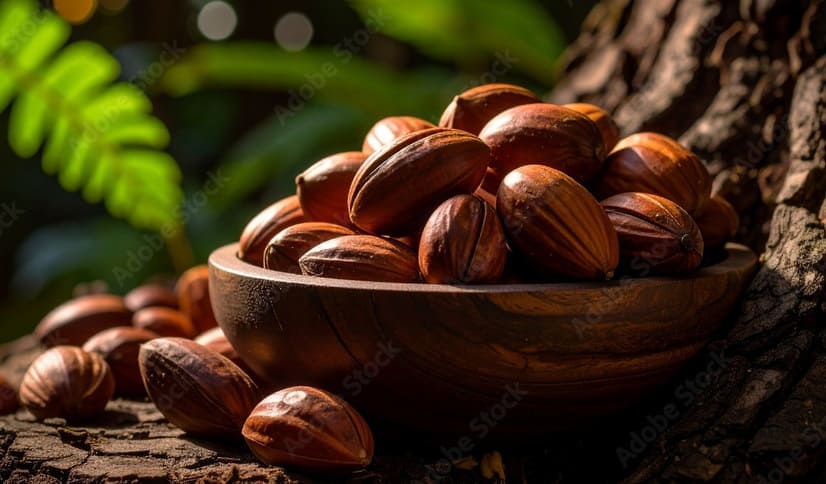
Have you ever tasted a nut so buttery, smooth, and rich that you question everything you knew about nuts? That’s exactly what happens when you discover Pili Nuts. Often called the King of Nuts, Pili Nuts are one of nature’s most nutrient-dense snacks, yet many people around the world are still unaware of their benefits. Grown mainly in the rich volcanic soil of the Philippines, these nuts are not just delicious but also packed with energy-boosting nutrients, healthy fats, and antioxidants.
In this guide, we’ll dive into everything you need to know about Pili Nuts: their nutritional value, science-backed benefits, risks, how to eat them, and whether they’re right for you.
What Are Pili Nuts?
Pili Nuts (scientifically known as Canarium ovatum) are seeds from the fruit of Pili trees — tall evergreen trees native to Southeast Asia, especially the Philippines. The fruit contains a hard shell inside which lies a soft, buttery kernel: the famous Pili nut.
Unlike almonds or cashews, Pili nuts have:
- A smooth and creamy texture, almost like a mix of macadamia and Brazil nuts
- A mild, slightly earthy taste that pairs well with both sweet and savory dishes
- An incredibly high amount of healthy fats and essential nutrients
But what truly makes them special is their amazing nutritional density. A small handful can provide long-lasting energy and essential vitamins the body needs daily.
Nutrition Facts of Pili Nuts
Here’s what you get approximately from a 28 g (1 oz) serving of raw Pili Nuts:
| Nutrient | Amount |
|---|---|
| Calories | ~200 to 220 kcal |
| Total Fat | ~22 g |
| Saturated Fat | ~8 g |
| Protein | ~3 g |
| Carbohydrates | ~1 g |
| Fiber | ~1 g |
| Magnesium | ~80 mg |
| Phosphorus | ~160 mg |
| Zinc | ~1 mg |
| Vitamin E | ~0.6 mg |
| Omega-9 Fatty Acids | High |
| Omega-6 Fatty Acids | Moderate |
These values may vary slightly depending on brand and processing method.
Key takeaway: These nuts are a high-fat, low-carb powerhouse, making them a perfect choice for ketogenic, paleo, and low-carb diets.
20 Proven Health Benefits of Pili Nuts
Here are the biggest reasons health lovers can’t stop talking about Pili Nuts.
- Boosts Energy Levels: Rich in healthy fats, they provide slow-release energy that keeps you full and active for hours.
- Perfect for Keto and Low-Carb Diets: Extremely low in carbs but high in fat, making them ideal for maintaining ketosis.
- Supports Brain Health: Monounsaturated fats nourish brain cells and improve cognitive function.
- Strengthens Bones and Teeth: High magnesium and phosphorus support stronger bones and overall dental health.
- Improves Skin Health: Vitamin E and antioxidants protect skin from aging and environmental damage.
- Helps Reduce Inflammation: Healthy fats fight inflammatory responses in the body.
- Supports Heart Health: Omega-9 fats help regulate cholesterol and improve heart function.
- Aids in Digestion: Fiber content improves gut movement and prevents constipation.
- Promotes Better Mood: Magnesium supports neurotransmitter balance, helping reduce stress and anxiety.
- Supports Immune Function: Zinc boosts immunity and helps the body fight infections.
- Improves Sleep Quality: Magnesium relaxes muscles and promotes deeper sleep.
- Supports Healthy Weight Management: Keeps you full for longer, reducing unhealthy snacking.
- Promotes Blood Sugar Control: Very low in carbohydrates and supports insulin balance.
- Improves Muscle Performance and Recovery: Magnesium plays a crucial role in muscle function and strength.
- Promotes Liver Health: Healthy fats and antioxidants help detoxify the liver.
- Enhances Nutrient Absorption: Healthy fats help the absorption of fat-soluble vitamins like A, D, E, and K.
- Boosts Metabolism: Helps the body efficiently convert food into energy.
- Supports Reproductive Health: Zinc can improve fertility and hormones.
- Good for Vegan and Dairy-Free Diets: A plant-based source of nutrients often missing in vegan diets.
- May Lower Risk of Chronic Diseases: Antioxidants help reduce cell damage and prevent long-term illnesses.
10 Side Effects of Pili Nuts
Although highly nutritious, excessive intake or allergies can cause issues. Here are some possible side effects:
- Weight Gain due to high calories if eaten in large amounts
- Digestive Discomfort like gas or bloating when overeaten
- Nut Allergies may cause reactions in sensitive individuals
- Acne Breakouts in people sensitive to high-fat foods
- Kidney Stress if consumed excessively due to phosphorus content
- Diarrhea from overconsumption of fats
- Potential for Choking Hazard for toddlers
- Interaction with Certain Medications (especially magnesium-related)
- Possible Rancidity if stored improperly
- May Trigger Gallbladder Issues in people with gallbladder disorders
Tip: Enjoy them in moderation to avoid side effects.
How to Eat Pili Nuts?
Pili Nuts are incredibly versatile. Here are popular ways to enjoy them:
- Eat them raw as a healthy snack
- Lightly roasted for a crispier bite
- Add them to granola, yogurt, or salads
- Use in keto baking like cookies or bars
- Blend into a Pili nut butter
- Sprinkle on smoothies or desserts
- Use in trail mix with seeds and berries
Their natural creaminess also makes them a great dairy butter alternative.
Tips for Consuming Pili Nuts
- Start with small servings if you’re new to high-fat foods
- Choose unsalted or lightly salted versions to avoid excess sodium
- Pair them with fruits or leafy greens for better nutrient balance
- Avoid heavily processed or flavored varieties
- Drink enough water to help digestion
Other Uses of Pili Nuts
Beyond snacking, Pili nuts have some other amazing uses:
- Oil extraction for cooking and skincare
- Cosmetic use in moisturizers and anti-aging creams
- Milk alternative for dairy-free diets
- Used in traditional Filipino sweets and chocolates
The entire fruit, including the pulp and shell, is also used in some products, making it a zero-waste superfood.
How Much Pili Nuts Can You Eat in a Day?
A recommended daily serving is:
1 ounce (around 10–12 nuts per day)
This ensures you get the benefits while avoiding excessive calories.
Pili Nuts Dosage
If you’re consuming them for specific health goals:
| Purpose | Recommended Intake |
|---|---|
| Energy boost | A small handful (10-12 nuts) |
| Keto diet support | 1–2 servings a day |
| Magnesium support | 1 serving daily |
Always adjust according to your calorie needs and lifestyle.
Best Time to Eat Pili Nuts
Some ideal times to enjoy Pili nuts include:
- Morning for all-day energy
- Pre-workout for sustained stamina
- As a mid-day snack to beat hunger slumps
- Before bed (in small quantities) for magnesium-boosted sleep
Who Should Eat Pili Nuts?
They are especially helpful for:
- People on keto, paleo, or low-carb diets
- Students and office workers needing brain fuel
- Athletes needing natural energy
- People with magnesium deficiency
- Vegans and vegetarians needing healthy fats and minerals
Who Should Not Eat Pili Nuts?
Avoid or limit intake if you:
- Have nut allergies
- Are trying to lose weight and struggle with portion control
- Have severe kidney disease
- Have gallbladder problems (high fats may worsen symptoms)
- Are on high-magnesium medications (consult a doctor first)
- Are feeding toddlers under 3 (choking risk)
How to Store Pili Nuts?
Because nuts are rich in fats, they can go rancid if not stored properly.
Here’s how to keep them fresh:
- Store in an airtight container
- Keep in a cool, dry place
- Refrigerate to extend shelf life
- Freeze for long-term storage (up to a year)
- Avoid direct sunlight and moisture
Smell or taste changes mean it’s time to throw them away.
Precautions and Interactions
While nuts are safe for most people, keep these precautions in mind:
- If you have a known nut allergy, avoid completely
- Monitor portion size to prevent excessive calorie intake
- People with diabetes should track carb intake from flavored or sweetened versions
- If pregnant or breastfeeding, consult a doctor for personalized advice
- If you’re on medication for heart or kidney conditions, ask your physician before regular consumption
FAQ’s
What do Pili Nuts taste like?
Pili nuts have a rich, buttery, and creamy flavor, similar to a mix of macadamia and Brazil nuts. They melt in your mouth and have a smooth texture that sets them apart from other nuts.
Are Pili Nuts good for you?
Yes, nuts are extremely nutritious. They are packed with healthy fats, magnesium, antioxidants, and other essential nutrients that support heart health, brain function, energy levels, and strong bones.
Can children eat Pili Nuts?
Yes, but with caution. Children can safely enjoy nuts if they are not allergic to nuts and the nuts are given in a small, age-appropriate size to avoid choking.
Can pregnant women eat Pili Nuts?
Generally, yes. Pili nuts provide important nutrients like magnesium and healthy fats. However, pregnant women should consult their doctor if they have any dietary restrictions or nut allergies.
Are Pili Nuts keto friendly?
Absolutely. Pili nuts are one of the best nuts for keto because they are very low in carbs and extremely high in healthy fats.
Do Pili Nuts cause weight gain?
Only if eaten in excess. Pili are calorie-dense, so sticking to the recommended serving size is important for weight control.
Are Pili Nuts safe for people with nut allergies?
No, people with nut allergies should avoid nuts, as they may cause allergic reactions.
Can I eat Pili Nuts every day?
Yes, you can enjoy them daily in moderation as part of a balanced diet. Regular consumption supports energy, heart health, and better nutrient intake.
Are Pili Nuts suitable for diabetics?
Yes. Since they are low in carbohydrates, they help maintain stable blood sugar levels. Still, flavored varieties with added sugar should be avoided.
How can I include Pili Nuts in meals?
You can eat them raw, roasted, in salads, smoothies, baked foods, nut butter, or as a topping on desserts and cereals.
Can Pili Nuts be eaten raw?
Yes, Pili nuts can definitely be eaten raw. In fact, raw nuts offer the purest buttery taste and retain all their natural nutrients. However, many people lightly roast them to enhance flavor and make the texture slightly crispier.
Why are Pili Nuts so expensive?
Nuts are considered expensive because they are difficult and labor-intensive to harvest. The shell is extremely hard to crack, and most production is still done by hand in the Philippines. Additionally, the trees only grow in specific volcanic soil regions, making Pili nuts rare and less accessible compared to almonds or cashews.
What is the English name for Pili Nuts?
Pili nuts are already known by their English name: Pili nuts. The word “Pili” comes from the Filipino language, and there is no separate English translation for it. They are sometimes referred to scientifically as Canarium ovatum nuts, but “Pili nuts” is the universally recognized name in English.
Also Read: