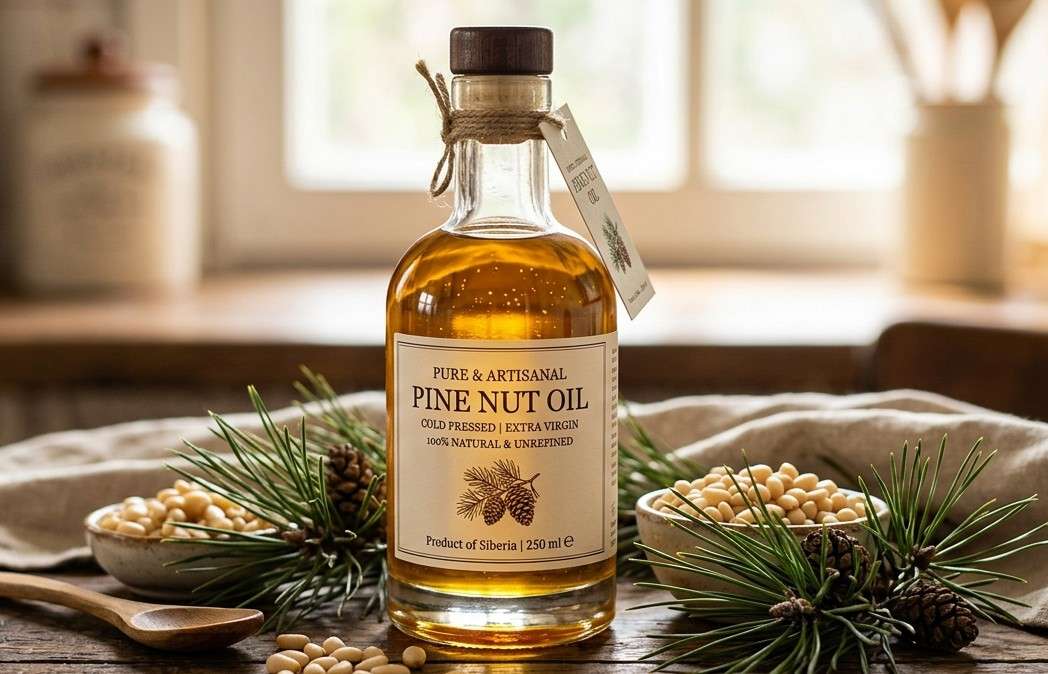
Pine nut oil is one of the most underrated yet nutritionally rich plant oils available today. Extracted from the tiny edible seeds of pine trees, this golden oil has been valued for centuries in traditional medicine, culinary traditions, and natural skincare. With its delicate nutty aroma and impressive fatty acid profile, pine nut oil is increasingly gaining attention as a functional health oil.
In this guide, we will explore everything you need to know about pine nut oil — from its nutritional composition and science-backed health benefits to its side effects, dosage, usage tips, and precautions.
What is Pine Nut Oil?
Pine nut oil is a plant-based oil extracted from pine nuts, which are the edible seeds of various species of pine trees, especially Siberian pine (Pinus sibirica) and Korean pine (Pinus koraiensis). The oil is typically obtained through cold-press extraction to preserve its nutrients.
This oil is light golden in color and has a mild, slightly sweet, nutty taste. It is rich in essential fatty acids, antioxidants, phytosterols, and vitamin E. Traditionally, pine nut oil has been used in Siberian, Korean, Chinese, and Mediterranean cuisines and herbal medicine.
It is commonly used for:
- Supporting heart health
- Managing appetite
- Improving skin and hair health
- Supporting digestive function
- Boosting immunity
Nutrition Facts of Pine Nut Oil
| Nutrient | Amount (Per 1 Tablespoon – 14g) |
|---|---|
| Calories | 120 kcal |
| Total Fat | 14 g |
| Saturated Fat | 1.4 g |
| Monounsaturated Fat | 5.5 g |
| Polyunsaturated Fat | 6.8 g |
| Omega-6 Fatty Acids | 6–7 g |
| Pinolenic Acid | 1–2 g |
| Vitamin E | 2–3 mg |
| Phytosterols | Present |
| Carbohydrates | 0 g |
| Protein | 0 g |
| Fiber | 0 g |
Note: Nutritional values may vary depending on pine species and processing method.
20 Proven Benefits of Pine Nut Oil
- Supports Heart Health: Oil contains monounsaturated fats and phytosterols that help reduce bad cholesterol and support cardiovascular function.
- Improves Cholesterol Levels: The oil may help lower LDL cholesterol while maintaining healthy HDL levels due to its unique fatty acid composition.
- Rich in Pinolenic Acid: Pinolenic acid may reduce inflammation and promote metabolic balance.
- Helps with Appetite Control: Pine nuts oil stimulates satiety hormones like CCK and GLP-1, helping reduce overeating.
- Supports Weight Management: By promoting fullness, pine nut oil may aid in controlled calorie intake.
- Reduces Inflammation: Its omega-6 fatty acids and antioxidants help reduce inflammatory responses in the body.
- Boosts Immune Function: Vitamin E and plant sterols help strengthen immune defenses.
- Improves Skin Health: Oil nourishes skin, improves elasticity, and reduces dryness.
- Promotes Hair Growth: The essential fatty acids nourish hair follicles and improve scalp health.
- Supports Brain Health: Healthy fats support cognitive function and neural communication.
- Enhances Energy Levels: Its calorie-dense healthy fats provide sustained energy.
- Improves Digestive Health: Pine nut oil may support smoother digestion and reduce mild gastrointestinal discomfort.
- Supports Hormonal Balance: Essential fats assist in hormone production and regulation.
- Protects Against Oxidative Stress: Vitamin E acts as a powerful antioxidant.
- Supports Joint Health: Anti-inflammatory compounds may help reduce joint stiffness.
- Improves Blood Circulation: Healthy fats help maintain flexible blood vessels and improved circulation.
- Supports Liver Health: Traditional medicine suggests pine nut oil helps protect liver cells.
- Promotes Healthy Aging: Antioxidants combat free radicals responsible for premature aging.
- May Help Regulate Blood Sugar: Healthy fats slow carbohydrate absorption and may stabilize glucose levels.
- Improves Overall Nutrient Absorption: Fat-soluble vitamins like A, D, E, and K absorb better when consumed with healthy oils like oil.
10 Side Effects of Pine Nut Oil
While pine nut oil is generally safe when consumed in moderation, excessive use or sensitivity may lead to side effects.
- Allergic Reactions: Individuals allergic to pine nuts or tree nuts may experience itching, swelling, or breathing difficulty.
- Pine Mouth Syndrome: Some people experience a temporary metallic or bitter taste after consuming pine products.
- Digestive Discomfort: Overconsumption may cause nausea, bloating, or diarrhea.
- High Calorie Intake: Excess use may contribute to weight gain due to its calorie density.
- Blood Thinning Effect: It may mildly affect blood clotting in sensitive individuals.
- Low Blood Pressure Risk: High intake could potentially lower blood pressure excessively.
- Skin Irritation (Topical Use): Direct application without dilution may cause irritation in sensitive skin.
- Oxidation Risk: Rancid oil can cause digestive upset and oxidative stress.
- Interaction with Medications: It may interact with blood thinners or cholesterol medications.
- Hormonal Effects: Excessive intake of fatty acids may influence hormonal balance in rare cases.
How to Use Pine Nut Oil?
Pine nut oil is versatile and can be used both internally and externally.
Culinary Uses:
- Drizzle over salads as a finishing oil
- Add to smoothies for a nutritional boost
- Mix into yogurt or oatmeal
- Use in cold dishes and dressings
Topical Uses:
- Apply as a facial oil
- Use for body massage
- Add to hair masks
- Mix with essential oils for aromatherapy
Note: Oil is best used raw and not for high-heat cooking.
Other Uses of Pine Nut Oil
- Used in traditional Siberian medicine
- Ingredient in natural skincare products
- Massage therapy oil
- Herbal formulations for digestive health
- Aromatherapy carrier oil
Tips for Consuming Pine Nut Oil
- Always choose cold-pressed, unrefined oil.
- Start with small amounts to test tolerance.
- Store in a cool, dark place.
- Avoid heating to high temperatures.
- Check for allergies before first use.
How to Take Pine Nut Oil?
You can take oil in the following ways:
- 1 teaspoon directly before meals
- Mixed in smoothies
- Added to salads or soups
- As softgel supplements (as per label instructions)
How to Make Pine Nut Oil at Home?
Homemade pine nut oil is possible but yields are low.
Steps:
- Lightly toast pine nuts (optional, improves flavor).
- Blend pine nuts in a high-speed blender until creamy.
- Transfer to cheesecloth and squeeze to extract oil.
- Store extracted oil in a glass bottle.
Cold pressing is ideal but requires special equipment for higher yield.
How Much Pine Nut Oil Can You Use Per Day?
For general health:
- 1–2 teaspoons per day is sufficient.
For appetite control:
- 1 teaspoon 30 minutes before meals may help.
Avoid exceeding 1 tablespoon daily unless guided by a healthcare professional.
Pine Nut Oil Dosage
- Adults: 1–2 teaspoons daily
- Supplements: Follow product label (usually 1000–3000 mg per day)
- Topical: Apply a few drops as needed
Best Time to Use Pine Nut Oil
- For appetite control: 20–30 minutes before meals
- For general wellness: With breakfast or lunch
- For skin use: After shower on damp skin
- For hair: Before shampooing as a treatment
Who Should Use Pine Nut Oil?
- Individuals with mild cholesterol concerns
- Those seeking natural appetite control
- People looking for plant-based healthy fats
- Individuals with dry skin or scalp
- Adults looking for antioxidant support
Who Should Not Use Pine Nut Oil?
- Individuals allergic to pine nuts or tree nuts
- People on blood-thinning medication without medical advice
- Those with severe digestive sensitivity
- Individuals with known nut allergies
- Infants without pediatric guidance
How to Store Pine Nut Oil?
- Store in a dark glass bottle
- Keep in a cool, dry place
- Refrigerate after opening
- Use within 3–6 months
- Discard if it smells rancid or bitter
Precautions and Interactions
- Consult a doctor before use if pregnant or breastfeeding.
- Avoid combining with anticoagulant medications without medical advice.
- Do not exceed recommended dosage.
- Perform patch test before topical use.
- Monitor for allergic symptoms during first use.
Final Thoughts
Pine nut oil is a nutrient-dense, versatile oil with impressive health-promoting properties. From supporting heart health and appetite control to nourishing skin and hair, it offers multiple benefits when used wisely. However, like all oils, moderation is key. By understanding the correct dosage, potential side effects, and proper storage methods, you can safely incorporate oil into your wellness routine.
FAQ’s
What is pine nut oil good for?
Oil is mainly used for supporting heart health, managing appetite, improving skin and hair health, and providing antioxidant protection due to its rich fatty acid and vitamin E content.
Can pine nut oil help with weight loss?
Oil may support weight management by promoting feelings of fullness and reducing appetite, especially when taken before meals.
Is pine nut oil safe to consume daily?
Yes, oil is generally safe when consumed in moderation, typically 1–2 teaspoons per day for most adults.
Does pine nut oil lower cholesterol?
Oil may help reduce LDL (bad) cholesterol levels due to its monounsaturated fats and phytosterols.
Can pine nut oil cause allergies?
Yes, individuals who are allergic to pine nuts or other tree nuts may experience allergic reactions and should avoid it.
Is pine nut oil good for hair growth?
Oil contains essential fatty acids and vitamin E that nourish the scalp and may promote healthier hair growth.
Can diabetics use pine nut oil?
Oil may help stabilize blood sugar levels when used in moderation, but individuals with diabetes should consult their healthcare provider before regular use.
Can pine nut oil be used for cooking?
Oil is best used as a finishing oil in salads and cold dishes, as high heat may destroy its delicate nutrients.
How long does pine nut oil last after opening?
When stored properly in a cool, dark place or refrigerated, oil typically lasts 3–6 months after opening.
Is pine nut oil safe during pregnancy?
Pregnant or breastfeeding women should consult a healthcare professional before using oil regularly.
How long does it take for Pine Nut Oil to work?
Appetite effects may appear within 30–60 minutes, while heart and skin benefits may take a few weeks of regular use.
Is Pine Nut Oil safe for children?
It may be safe in small food amounts, but consult a pediatrician, especially if there is a nut allergy risk.
Is pine nut oil good for skin?
Yes, it moisturizes, improves elasticity, and protects skin due to its vitamin E and healthy fats.
Also Read: