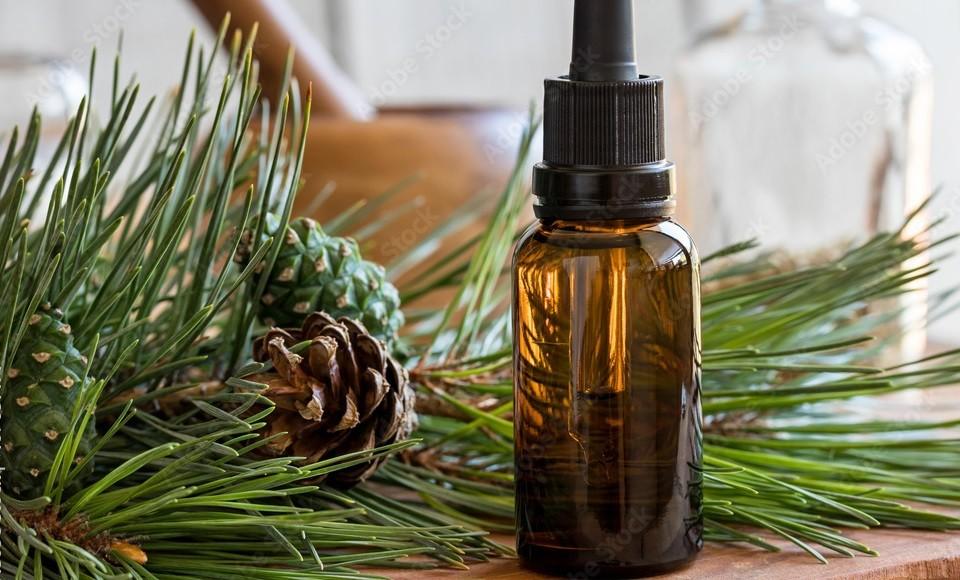
Pine oil has a fresh, forest-like aroma that instantly reminds many people of mountain air, evergreen trees, and traditional remedies passed down through generations. Extracted from the needles, twigs, or wood of pine trees, this essential oil has been used for centuries in natural medicine, household cleaning, and personal care. Today, pine oil continues to attract attention for its wide range of potential health benefits, antimicrobial properties, and refreshing scent. In this guide, we will explore everything you need to know about pine oil, from what it is and what it contains to how to use it safely and effectively.
What Is Pine Oil?
Pine oil is a natural essential oil obtained mainly through steam distillation of pine needles, pine twigs, or sometimes the wood of various pine tree species such as Pinus sylvestris (Scots pine). It has a thin consistency and a sharp, woody, and slightly sweet aroma that feels clean and energizing.
Traditionally, pine oil has been valued for its cleansing, antiseptic, and respiratory-supporting properties. In many cultures, pine-based preparations were used to ease coughs, soothe sore muscles, disinfect wounds, and freshen indoor spaces. Even today, pine oil is a common ingredient in natural cleaning products, aromatherapy blends, and massage oils.
Components of Pine Oil
The benefits of pine oil come from its rich composition of natural chemical compounds. These compounds work together to give pine oil its therapeutic and aromatic properties.
| Component | Description |
|---|---|
| Alpha-Pinene | Known for anti-inflammatory and bronchodilator properties |
| Beta-Pinene | Supports respiratory health and may reduce microbial growth |
| Limonene | Offers antioxidant and mood-lifting effects |
| Bornyl Acetate | Contributes to the calming and pain-relieving action |
| Camphene | Helps improve circulation and reduce inflammation |
| Terpineol | Known for antibacterial and antifungal properties |
| Myrcene | May help relax muscles and reduce discomfort |
20 Proven Benefits of Pine Oil
1. Supports Respiratory Health
Oil is widely used to help clear nasal passages and ease breathing. Its natural compounds may help loosen mucus, making it useful during colds, coughs, and seasonal congestion.
2. Acts as a Natural Decongestant
When inhaled through steam or diffusers, pine oil can create a cooling sensation that helps open airways and promote easier breathing.
3. Has Antimicrobial Properties
Oil may help fight bacteria, fungi, and certain viruses, which is why it is commonly used in disinfectants and surface cleaners.
4. Reduces Inflammation
The anti-inflammatory nature of pine oil may help reduce swelling, redness, and discomfort when applied topically in diluted form.
5. Relieves Muscle and Joint Pain
Massage blends containing oil are often used to soothe sore muscles, stiff joints, and body aches after physical activity.
6. Boosts Mental Alertness
The fresh aroma of pine oil may help improve focus, alertness, and mental clarity, making it useful during work or study.
7. Helps Reduce Stress and Fatigue
In aromatherapy, oil is believed to promote emotional balance and reduce feelings of exhaustion and mental overload.
8. Supports Immune Health
By helping the body fight microbes and reduce inflammation, pine oil may indirectly support immune function.
9. Promotes Better Circulation
Oil may stimulate blood flow when massaged into the skin, which can help warm the body and ease stiffness.
10. Helps With Skin Cleansing
Due to its antibacterial nature, pine oil is sometimes used in diluted skincare preparations for acne-prone or oily skin.
11. May Help Ease Sinus Pressure
Steam inhalation with oil may provide relief from sinus heaviness and pressure.
12. Acts as a Natural Deodorizer
Its strong, clean scent helps neutralize unpleasant odors in homes, bathrooms, and kitchens.
13. Supports Healthy Scalp
Diluted pine oil may help reduce dandruff and scalp irritation when added to hair oils or shampoos.
14. Helps Reduce Mental Fog
The invigorating aroma can be helpful for people who feel mentally sluggish or unfocused.
15. Aids in Relaxation After Physical Strain
Warm baths with oil may help relax tired muscles and calm the nervous system.
16. May Help Reduce Minor Skin Infections
When used properly, pine oil’s antimicrobial effects may help protect small cuts or insect bites.
17. Encourages Deep Breathing
Its forest-like aroma often promotes slower, deeper breathing, which can help relax the body.
18. Helps Clean Indoor Air
Diffusing pine oil may help freshen indoor air and create a cleaner-smelling environment.
19. Supports Seasonal Wellness
Many people turn to oil during seasonal changes to support respiratory comfort and overall well-being.
20. Enhances Massage Therapy Experience
Oil adds warmth and depth to massage blends, making the experience more soothing and therapeutic.
10 Side Effects of Pine Oil
1. Skin Irritation
Undiluted oil can cause redness, itching, or burning when applied directly to the skin.
2. Allergic Reactions
Some individuals may experience allergic reactions such as rashes or swelling.
3. Respiratory Sensitivity
Strong inhalation may irritate the lungs in people with asthma or sensitive airways.
4. Nausea
Ingesting pine oil or inhaling excessive amounts may cause nausea.
5. Headaches
Overuse in diffusers can sometimes trigger headaches.
6. Toxic if Ingested Improperly
Oil should never be consumed unless under professional guidance.
7. Eye Irritation
Contact with eyes can cause severe irritation and discomfort.
8. Sensitivity in Children
Children may react more strongly to pine oil.
9. Worsening of Skin Conditions
Certain skin conditions may worsen if oil is used without proper dilution.
10. Interaction With Medications
Oil may interfere with certain medications when used excessively.
How to Use Pine Oil?
Pine oil can be used in several ways depending on your purpose—aromatherapy, topical application, household cleaning, or traditional remedies. The key is proper dilution and mindful usage.
Aromatherapy Use
One of the safest and most popular ways to use pine oil is through aromatherapy. Add 3–5 drops of oil to a diffuser filled with water. As it disperses into the air, the aroma can help create a feeling of freshness, mental clarity, and calm breathing. This method is often preferred by people who enjoy the scent without wanting direct skin contact. It’s especially useful during seasonal changes or when indoor air feels stale.
Topical Application
Oil should never be applied directly to the skin in its undiluted form. Always mix it with a carrier oil such as coconut oil, almond oil, or olive oil. A safe dilution is typically 1–2 drops of pine oil per teaspoon of carrier oil.
Once diluted, it can be gently massaged onto areas such as:
- Sore muscles
- Joints
- Chest area (for aromatic comfort)
- Feet
Always perform a patch test before applying it more broadly.
Steam Inhalation
For aromatic steam use, add 1–2 drops of oil to a bowl of hot water. Lean over the bowl, cover your head with a towel, and inhale the steam for a few minutes. This method is commonly used for nasal comfort and relaxation. Avoid getting too close to the steam to prevent irritation.
Other Uses of Pine Oil
Pine oil’s versatility goes beyond personal care. Its natural cleansing properties make it useful in everyday household and lifestyle applications.
Natural Household Cleaner
Oil is widely used in homemade cleaning solutions. Mix a few drops with warm water and vinegar to clean floors, tiles, and countertops. It leaves surfaces smelling fresh while helping remove grease and grime.
Air Freshener
Add pine oil to a spray bottle filled with water and a small amount of alcohol. Use it as a natural room spray to refresh indoor spaces.
Laundry Freshener
A few drops of oil added to laundry water can help neutralize odors and leave clothes smelling clean and forest-fresh.
Insect Repellent
The strong scent of pine oil is disliked by many insects. It can be diluted and sprayed around entry points or outdoor areas to help deter pests.
Tips for Consuming Pine Oil
Oil is not commonly recommended for internal consumption unless specifically labeled as food-grade and guided by a qualified professional. Many pine oils sold commercially are intended only for external or aromatic use.
If internal use is ever considered:
- Only use food-grade oil
- Follow professional guidance strictly
- Never exceed recommended doses
For most people, external and aromatic uses provide ample benefits without the risks associated with ingestion.
How to Take Pine Oil?
If oil is used internally under expert supervision, it is usually diluted heavily and taken in extremely small quantities. However, this practice is not suitable for self-experimentation.
Safer alternatives include:
- Aromatherapy
- Topical application with carrier oils
- Environmental use such as cleaning or air diffusion
Always prioritize safety over experimentation.
How to Make Pine Oil at Home?
Making pine oil at home can be a rewarding process if done carefully and with proper plant identification.
Ingredients Needed:
- Fresh pine needles (from an edible pine species)
- Carrier oil (olive oil or coconut oil)
- Clean glass jar
- Fine strainer or cheesecloth
Step-by-Step Process:
- Thoroughly wash and dry the pine needles.
- Chop them into small pieces to release their natural oils.
- Fill a clean glass jar halfway with chopped needles.
- Pour the carrier oil over the needles until fully submerged.
- Seal the jar tightly and place it in a warm, sunny spot for 4–6 weeks.
- Shake the jar gently every few days.
- After infusion, strain out the plant material.
- Store the infused pine oil in a dark glass bottle.
Homemade oil is generally milder than essential oil and is best suited for topical or household use.
How Much Pine Oil Can You Use Per Day?
The amount of oil you can use per day depends on the method of application.
- Aromatherapy: 3–5 drops per diffuser session, once or twice daily
- Topical use: 1–2 drops diluted per application, up to two times daily
- Household use: As needed in diluted cleaning solutions
Using more does not increase benefits and may increase the risk of irritation.
Best Time to Use Pine Oil
The best time to use oil depends on your intention.
- Morning: Diffusing oil in the morning may help promote alertness and a fresh start to the day.
- After Physical Activity: Diluted pine oil can be massaged onto tired muscles after exercise.
- Evening: Light diffusion in the evening can help create a calm and grounded environment.
Avoid strong diffusion right before sleep if the scent feels stimulating to you.
Who Should Use Pine Oil?
Oil may be suitable for:
- Adults seeking natural aromatic freshness
- Individuals who enjoy forest-like scents
- People looking for natural cleaning alternatives
- Those interested in traditional plant-based remedies
When used responsibly, oil can be a helpful addition to daily routines.
Who Should Not Use Pine Oil?
Oil may not be suitable for everyone.
- Pregnant or breastfeeding women should avoid use unless approved by a healthcare provider
- Children should not use pine oil without professional guidance
- Individuals with sensitive skin or respiratory conditions should exercise caution
- People allergic to pine or related plants should avoid it entirely
Listening to your body’s response is crucial.
How to Store Pine Oil?
Proper storage helps preserve pine oil’s quality and potency.
- Store in a dark glass bottle
- Keep away from direct sunlight and heat
- Ensure the cap is tightly closed
- Store out of reach of children and pets
When stored correctly, pine oil can maintain its aroma and effectiveness for an extended period.
Precautions and Interactions
Oil is potent and should be used with care.
General Precautions
- Never apply undiluted pine oil to the skin
- Avoid contact with eyes and mucous membranes
- Do not ingest unless explicitly advised by a professional
Possible Interactions
Oil may interact with:
- Certain medications when inhaled in large amounts
- Pre-existing respiratory conditions
- Other strong essential oils when mixed improperly
If you are under medical treatment or managing a chronic condition, consult a qualified healthcare professional before using this oil.
FAQ’s
What is pine oil used for?
Oil is commonly used for respiratory support, muscle and joint relief, aromatherapy, and household cleaning. Its antimicrobial properties also make it useful for disinfecting surfaces and freshening indoor air.
Is pine oil safe for daily use?
Oil can be used daily in small, diluted amounts for aromatherapy or topical application. However, overuse or applying it undiluted may cause skin or respiratory irritation.
Can pine oil be applied directly to the skin?
No, oil should always be diluted with a carrier oil before applying to the skin. Direct application may cause irritation, redness, or burning.
Can pine oil be ingested?
Oil should not be ingested unless specifically recommended by a qualified healthcare professional. Improper ingestion can be toxic and harmful.
Is pine oil good for cough and cold?
Yes, oil is often used in steam inhalation and diffusers to help relieve nasal congestion, cough, and cold symptoms by supporting easier breathing.
Can children use pine oil?
Oil is generally not recommended for young children. If used, it should only be under medical guidance and in very low, well-diluted amounts.
Is pine oil safe during pregnancy?
Pregnant and breastfeeding women should avoid using oil unless advised by a healthcare provider, as its strong compounds may not be suitable during this time.
What does pine oil smell like?
Oil has a strong, fresh, woody aroma that resembles evergreen forests. It is often described as clean, crisp, and energizing.
How long does pine oil take to work?
The effects of oil, especially in aromatherapy or steam inhalation, can be felt within minutes. Topical benefits may take longer with regular use.
Can pine oil cause allergies?
Yes, some people may be allergic to oil. It is important to perform a patch test before use to check for any adverse skin reactions.
What is pine oil good for?
Oil is good for supporting respiratory health, relieving muscle and joint pain, freshening indoor air, and promoting mental alertness through aromatherapy. It is also widely used for its antimicrobial properties in natural cleaning and disinfecting products.
What is pine oil made of?
Oil is made from the needles, twigs, or wood of pine trees, most commonly through steam distillation. It contains natural compounds such as alpha-pinene, beta-pinene, limonene, bornyl acetate, and terpineol, which give it its therapeutic and aromatic properties.
Is pine oil anti-fungal?
Yes, oil has natural antifungal properties. Its active compounds may help inhibit the growth of certain fungi, which is why oil is often used in household cleaners, foot care products, and natural remedies for fungal concerns when properly diluted.
Also Read: