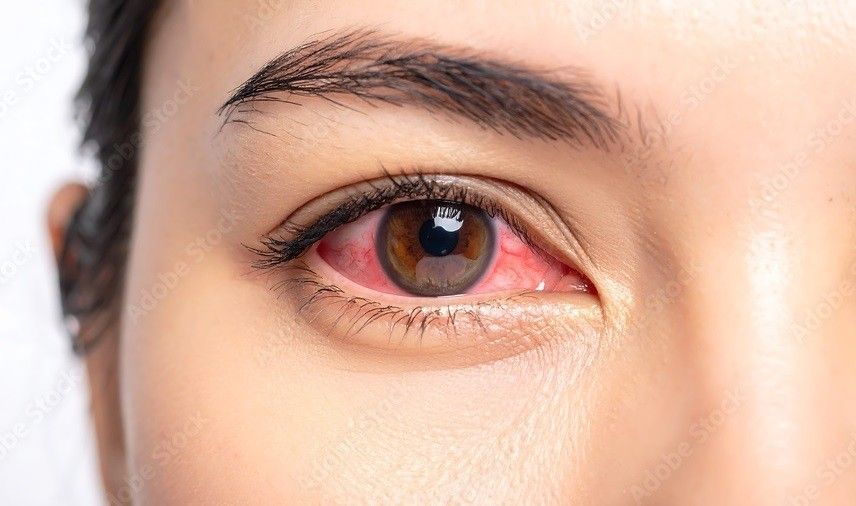
Pink eye, medically known as Conjunctivitis, is one of the most common eye conditions affecting both children and adults. Although it is often mild and temporary, it can cause significant discomfort, redness, and irritation. In some cases, pink eye spreads easily, especially in schools, offices, and households. This guide explores everything you need to know about pink eye: what it is, its causes, types, symptoms, treatment options, home remedies, prevention strategies, and when to seek medical care.
What Is Pink Eye?
Pink eye refers to inflammation or infection of the conjunctiva, the thin, transparent membrane that lines the inner surface of the eyelids and covers the white part of the eye. When this membrane becomes irritated or infected, the tiny blood vessels within it swell and become more visible, giving the eye a pink or reddish appearance. Pink eye can affect one or both eyes. While it is usually not serious, some forms can be highly contagious or linked to underlying health conditions.
Anatomy of the Eye and Why Pink Eye Happens
The conjunctiva plays a protective role. It keeps the eye moist and helps prevent foreign particles from entering. When bacteria, viruses, allergens, or irritants come into contact with the eye, the immune system responds with inflammation. This reaction causes redness, swelling, tearing, and sometimes discharge. Inflammation is the body’s natural defense mechanism, but in the case of pink eye, it leads to uncomfortable symptoms.
Types of Pink Eye
There are several types of pink eye, each with different causes and treatment approaches.
1. Viral Conjunctivitis
Viral conjunctivitis is the most common form. It is often caused by the same viruses responsible for the common cold, such as adenoviruses.
Characteristics:
- Watery discharge
- Redness
- Itching or burning sensation
- Often begins in one eye and spreads to the other
- May be accompanied by cold symptoms
Viral pink eye is highly contagious and spreads easily through contact with infected surfaces or respiratory droplets.
2. Bacterial Conjunctivitis
This type is caused by bacteria such as Staphylococcus aureus or Streptococcus pneumoniae.
Characteristics:
- Thick yellow or green discharge
- Eyelids stuck together, especially in the morning
- Redness and swelling
- Usually affects one eye first
Bacterial conjunctivitis is also contagious and may require antibiotic treatment.
3. Allergic Conjunctivitis
Allergic pink eye occurs when the eyes react to allergens such as pollen, dust mites, pet dander, or mold.
Characteristics:
- Intense itching
- Watery discharge
- Swollen eyelids
- Often affects both eyes
- Associated with sneezing and nasal congestion
Unlike viral and bacterial forms, allergic conjunctivitis is not contagious.
4. Irritant Conjunctivitis
This form results from exposure to chemicals, smoke, chlorine in swimming pools, or foreign objects in the eye.
Characteristics:
- Burning sensation
- Redness
- Excessive tearing
- Temporary discomfort
Once the irritant is removed, symptoms usually improve quickly.
Common Causes of Pink Eye
Pink eye can develop due to various triggers:
- Viral infections
- Bacterial infections
- Allergens such as pollen and pet dander
- Chemical exposure
- Contact lens misuse
- Blocked tear ducts in newborns
- Poor hygiene
Understanding the cause is essential for proper treatment.
Symptoms of Pink Eye
Symptoms may vary depending on the type, but common signs include:
- Redness in one or both eyes
- Itchy or burning sensation
- Gritty feeling, like sand in the eye
- Excessive tearing
- Discharge (watery, white, yellow, or green)
- Swollen eyelids
- Sensitivity to light
- Crusting around the eyelashes
In severe cases, blurred vision may occur temporarily due to discharge.
How Pink Eye Spreads?
Viral and bacterial pink eye spread through:
- Direct contact with infected eye secretions
- Touching contaminated surfaces
- Sharing towels, pillows, cosmetics, or eye drops
- Respiratory droplets from coughing or sneezing
Children are especially vulnerable because they frequently touch their eyes and share items.
Allergic and irritant forms do not spread from person to person.
Pink Eye in Children
Pink eye is common in school-aged children. Outbreaks can occur rapidly in classrooms and daycare centers.
Symptoms in children may include:
- Frequent eye rubbing
- Fussiness due to discomfort
- Sensitivity to light
- Sticky eyelids in the morning
Parents should keep infected children at home if the infection is contagious and follow medical advice regarding return to school.
Pink Eye in Adults
Adults can also develop pink eye, particularly if they:
- Work in close-contact environments
- Use contact lenses improperly
- Have seasonal allergies
- Experience frequent colds
In adults, allergic conjunctivitis is especially common during pollen seasons.
Diagnosis of Pink Eye
Most cases are diagnosed based on symptoms and physical examination. A healthcare provider may:
- Examine the eye with a light
- Ask about recent illnesses or allergen exposure
- Take a sample of discharge (in rare or severe cases)
Laboratory tests are rarely needed unless symptoms are severe or do not improve.
Treatment of Pink Eye
Treatment depends on the underlying cause.
Viral Pink Eye Treatment
- Usually clears on its own within 7–14 days
- Artificial tears for comfort
- Cold compresses
- Good hygiene to prevent spread
Antibiotics do not work against viruses.
Bacterial Pink Eye Treatment
- Antibiotic eye drops or ointments
- Warm compresses
- Cleaning discharge gently with a clean cloth
Symptoms often improve within a few days of starting antibiotics.
Allergic Pink Eye Treatment
- Antihistamine eye drops
- Oral allergy medications
- Avoidance of allergens
- Cold compresses
Irritant Pink Eye Treatment
- Rinsing the eyes with clean water or saline
- Avoiding further exposure to irritants
Home Remedies for Symptom Relief
While medical treatment may be necessary, certain home care measures can ease discomfort:
- Apply a clean, cold compress for itching and swelling.
- Use warm compresses for bacterial discharge.
- Wash hands frequently.
- Avoid wearing contact lenses until fully healed.
- Replace old eye makeup.
- Use clean pillowcases and towels daily.
These steps help relieve symptoms and prevent reinfection.
How Long Does Pink Eye Last?
Duration depends on the type:
- Viral: 1–2 weeks
- Bacterial: 5–10 days with treatment
- Allergic: As long as allergen exposure continues
- Irritant: A few hours to days after removal of irritant
If symptoms persist beyond two weeks, consult a healthcare provider.
Complications of Pink Eye
Although uncommon, complications can occur, particularly if left untreated.
Possible complications include:
- Corneal inflammation
- Blurred vision
- Chronic conjunctivitis
- Spread of infection to other parts of the eye
Contact lens wearers are at higher risk of serious complications and should seek medical advice promptly.
Pink Eye vs. Other Eye Conditions
Pink eye may resemble other eye conditions such as:
- Dry eye syndrome
- Blepharitis
- Uveitis
- Keratitis
If you experience severe pain, vision changes, intense light sensitivity, or symptoms that worsen rapidly, seek medical attention immediately.
Prevention of Pink Eye
Good hygiene is the most effective way to prevent pink eye.
Essential Prevention Tips:
- Wash hands frequently with soap and water.
- Avoid touching or rubbing your eyes.
- Do not share personal items.
- Clean contact lenses properly.
- Disinfect frequently touched surfaces.
- Change pillowcases regularly.
- Avoid swimming in poorly maintained pools.
During outbreaks, extra caution is necessary in schools and workplaces.
Pink Eye and Contact Lenses
Contact lens wearers should:
- Remove lenses immediately if symptoms appear.
- Avoid wearing lenses until the infection clears.
- Replace disposable lenses and cases.
- Follow strict hygiene practices.
Improper lens care increases the risk of bacterial infection and corneal damage.
Pink Eye During Pregnancy
Pregnant women can develop pink eye like anyone else. Most treatments are safe, but always consult a healthcare provider before using medicated eye drops during pregnancy.
Pink Eye in Newborns
Newborn conjunctivitis, also known as neonatal conjunctivitis, can be serious. It may result from blocked tear ducts or infections acquired during birth.
Symptoms include:
- Swelling of eyelids
- Discharge
- Redness
Immediate medical evaluation is essential to prevent complications.
When to See a Doctor?
Seek medical attention if:
- Pain is severe
- Vision is affected
- Symptoms worsen
- You wear contact lenses
- A newborn shows signs of infection
- There is intense sensitivity to light
- Symptoms persist beyond two weeks
Early treatment can prevent complications and speed recovery.
Myths About Pink Eye
Myth 1: Pink Eye Is Always Contagious
Not true. Allergic and irritant forms are not contagious.
Myth 2: You Always Need Antibiotics
Viral conjunctivitis does not respond to antibiotics.
Myth 3: It’s Always Serious
Most cases are mild and resolve without complications.
Myth 4: You Must Stay Home for Weeks
Many people can return to normal activities once symptoms improve and proper hygiene is maintained.
Emotional and Social Impact
Though medically minor, pink eye can be socially uncomfortable due to visible redness and discharge. Children may feel embarrassed at school, and adults may worry about workplace transmission. Clear communication and proper hygiene practices help reduce stigma and anxiety.
Pink Eye and Seasonal Patterns
Allergic conjunctivitis often peaks during spring and fall due to pollen exposure. Viral conjunctivitis may increase during cold and flu seasons. Understanding seasonal trends can help in prevention and early management.
Final Thought
Pink eye, or conjunctivitis, is a common eye condition characterized by redness, irritation, and discharge. It can be caused by viruses, bacteria, allergens, or irritants. While most cases are mild and resolve within one to two weeks, some forms are highly contagious. Proper hygiene, early recognition of symptoms, and appropriate treatment are essential for recovery and preventing spread. If symptoms are severe, persistent, or accompanied by vision changes, professional medical care is necessary.
FAQ’s
Is pink eye contagious?
Viral and bacterial conjunctivitis are highly contagious and can spread through direct contact or contaminated surfaces. Allergic and irritant conjunctivitis are not contagious.
How can I tell if my pink eye is viral or bacterial?
Viral pink eye often causes watery discharge and may be accompanied by cold symptoms. Bacterial pink eye typically produces thick yellow or green discharge and crusting around the eyes. A healthcare provider can confirm the diagnosis if needed.
Do I need antibiotics for pink eye?
Antibiotics are only effective for bacterial conjunctivitis. Viral pink eye does not respond to antibiotics and usually resolves on its own.
Can pink eye go away on its own?
Yes, many cases—especially viral and mild bacterial infections—clear up without complications. Supportive care such as warm or cold compresses can help ease discomfort.
Can I go to work or school with pink eye?
If the pink eye is viral or bacterial, it is best to stay home until symptoms improve or a healthcare provider advises it is safe to return. This helps prevent spreading the infection to others.
Can I wear contact lenses if I have pink eye?
No. You should stop wearing contact lenses immediately if you develop symptoms. Resume wearing them only after the infection has completely cleared and your doctor gives approval.
Is pink eye dangerous?
Most cases are mild and not dangerous. However, severe pain, vision changes, intense light sensitivity, or symptoms that worsen should be evaluated by a healthcare professional.
How do I prevent pink eye from spreading?
Wash your hands frequently, avoid touching your eyes, do not share towels or makeup, and disinfect frequently touched surfaces.
Can pink eye affect both eyes?
Yes. It may start in one eye and spread to the other, especially in viral and allergic forms.
Can allergies cause pink eye?
Yes. Allergic conjunctivitis occurs when the eyes react to allergens like pollen, dust, or pet dander. It typically causes intense itching and affects both eyes.
How to get rid of pink eye fast?
Recovery depends on the cause of Conjunctivitis. Bacterial cases improve quickly with antibiotics, viral cases clear on their own in 1–2 weeks, and allergic pink eye improves with antihistamines and avoiding triggers.
Should I go to work with pink eye?
If it’s viral or bacterial, stay home until symptoms improve to avoid spreading it. Allergic pink eye is not contagious, so you can usually go to work.
What does pink eye look like?
It causes red or pink eyes, swelling, watery or thick discharge, and sometimes crusting on the eyelashes.
What happens if pink eye is left untreated?
Most mild cases resolve, but untreated bacterial infections may last longer and rarely cause complications.
Is pink eye painful?
It is usually uncomfortable with itching or burning, but severe pain is uncommon and should be checked by a doctor.
Also Read: