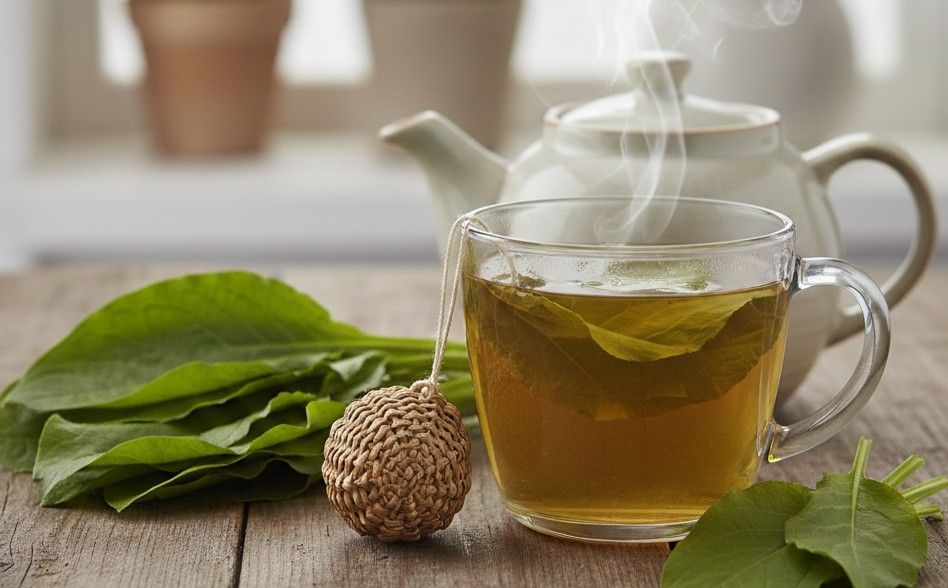
Plantain leaf tea has been used in traditional herbal practices for centuries, valued for its soothing, healing, and restorative properties. Despite its name, plantain leaf tea does not come from the banana-like plantain fruit. Instead, it is made from the leaves of the Plantago plant — most commonly broadleaf or narrowleaf plantain — a humble herb that grows abundantly in many parts of the world.
In recent years, interest in herbal wellness and natural remedies has renewed attention on plantain leaf tea. From supporting respiratory health to aiding digestion and skin healing, this herbal infusion is praised for its versatility and gentle effectiveness. While modern science is still exploring many of its benefits, existing research and traditional use provide a compelling case for incorporating this tea into a balanced lifestyle. This guide explains what plantain leaf tea is, its proven health benefits, possible side effects, preparation methods, and practical tips for safe consumption.
What is Plantain Leaf Tea?
Plantain leaf tea is an herbal infusion made by steeping dried or fresh leaves from the plantain herb (Plantago major, Plantago lanceolata, and related species) in hot water. The plant has been used historically across Europe, Asia, and Indigenous healing traditions for its soothing, anti-inflammatory, and wound-healing properties.
Unlike caffeinated teas derived from the tea plant (Camellia sinensis), plantain leaf tea is naturally caffeine-free. It has a mild, earthy flavor and is often consumed for wellness purposes rather than taste alone.
Traditionally, plantain leaves were used to:
- Soothe coughs and throat irritation
- Calm digestive discomfort
- Support skin and wound healing
- Reduce inflammation
Modern herbalists continue to recommend the tea as part of a holistic health approach, although it should not replace medical treatment when needed.
Components of Plantain Leaf Tea
Plantain leaf tea contains trace nutrients and plant compounds rather than significant calories or macronutrients. The composition varies depending on preparation and leaf quality.
| Nutrient / Compound | Approximate Presence | Potential Role |
|---|---|---|
| Calories | Very low | Minimal energy contribution |
| Vitamin A | Trace | Supports vision and immunity |
| Vitamin C | Trace | Antioxidant support |
| Calcium | Small amounts | Bone and muscle function |
| Iron | Small amounts | Oxygen transport |
| Potassium | Small amounts | Fluid balance |
| Flavonoids | Present | Antioxidant effects |
| Tannins | Present | Astringent, digestive support |
| Mucilage | Present | Soothing to tissues |
| Iridoid glycosides | Present | Anti-inflammatory properties |
Because herbal teas vary widely, these values are approximate and should be considered general guidance rather than precise measurements.
20 Proven Benefits of Plantain Leaf Tea
- Supports Respiratory Comfort: Plantain leaf tea may help soothe irritated airways and ease mild cough symptoms due to its mucilage content.
- Reduces Inflammation: The plant compounds in the tea may help calm inflammatory responses in the body.
- Provides Antioxidant Protection: Natural antioxidants present in the leaves may help protect cells from oxidative stress.
- Aids Digestive Comfort: Drinking the tea may help calm minor stomach irritation and support smoother digestion.
- Supports Gut Lining Health: Its soothing properties may help maintain the comfort of the digestive tract lining.
- Offers Antimicrobial Support: Plantain leaf compounds may help the body resist certain microbes.
- Promotes Skin Wellness: Internal consumption may support skin repair processes through plant-based nutrients.
- Encourages Wound Healing: Traditional use suggests it may support tissue recovery and healing mechanisms.
- Supports Urinary Tract Comfort: Mild diuretic effects may help maintain urinary system health.
- Assists Natural Detox Processes: The tea may support the body’s natural elimination functions.
- Soothes Throat Irritation: Warm consumption may ease dryness and throat discomfort.
- Supports Oral Health: Astringent compounds may help maintain gum and mouth health.
- Encourages Heart Wellness: Antioxidant activity may contribute to cardiovascular support.
- Supports Liver Function: Anti-inflammatory properties may indirectly support liver wellness.
- Promotes Hydration: Being caffeine-free, it serves as a gentle hydration-supporting beverage.
- May Ease Seasonal Discomfort: Some compounds may help calm mild environmental sensitivity responses.
- Supports Immune Function: Bioactive plant constituents may assist overall immune resilience.
- Encourages Relaxation: Drinking warm herbal tea may promote a calming daily routine.
- Provides Nutritional Diversity: Trace micronutrients add variety to plant-based intake.
- Supports Overall Wellness: Regular moderate use may contribute to holistic health habits.
20 Side Effects of Plantain Leaf Tea
- Allergic Reactions: Individuals sensitive to plantain plants may experience itching, swelling, or irritation.
- Digestive Upset: Excessive intake may lead to stomach discomfort or loose stools.
- Medication Interactions: Compounds in the tea may interfere with certain prescriptions.
- Blood Pressure Effects: Some individuals may notice mild changes in blood pressure levels.
- Dehydration Risk: Overuse for its diuretic properties may contribute to fluid imbalance.
- Skin Sensitivity: Combined internal and external use may trigger irritation in sensitive individuals.
- Nutrient Absorption Interference: High consumption may affect absorption of certain nutrients.
- Nausea in Sensitive Users: First-time drinkers may experience mild nausea.
- Pregnancy Uncertainty: Limited research means safety during pregnancy is not fully established.
- Breastfeeding Concerns: Insufficient data exists regarding effects during lactation.
- Headache Potential: Rare cases may involve mild headaches from overconsumption.
- Electrolyte Imbalance: Excessive intake could impact electrolyte balance.
- Kidney Stress Risk: Overuse of diuretic herbs may stress sensitive kidneys.
- Herb Misidentification Risk: Incorrect plant identification could lead to unintended effects.
- Delayed Medical Care: Relying solely on herbal remedies may postpone proper treatment.
- Overconsumption Effects: Drinking large amounts may worsen minor side effects.
- Unknown Long-Term Effects: Long-term heavy use lacks extensive clinical research.
- Interaction With Supplements: Herbal compounds may conflict with other herbal products.
- Sensitivity in Chronic Conditions: Those with underlying illnesses may react differently.
- Individual Variability: Effects vary depending on body chemistry and tolerance.
How to Make Plantain Leaf Tea?
Preparing plantain leaf tea at home is simple.
Ingredients:
- 1–2 teaspoons dried plantain leaves or a small handful of fresh leaves
- 1 cup hot water
Instructions:
- Bring water to a near boil.
- Place leaves into a cup or teapot.
- Pour hot water over the leaves.
- Cover and steep for 10–15 minutes.
- Strain and drink warm.
Optional additions include honey or lemon for flavor.
Other Uses of Plantain Leaf Tea
Beyond drinking, plantain leaf tea has practical applications.
- Used as a skin rinse for minor irritations
- Applied as a compress for soothing effects
- Added to bathwater for calming skin care
- Used as a mouth rinse for oral comfort
- Incorporated into herbal blends
Always ensure cleanliness and suitability before external use.
How Much Plantain Leaf Tea Can You Drink a Day?
- Typical herbal guidance suggests 1–3 cups daily for general wellness.
- Beginners may start with one cup to assess tolerance.
- Therapeutic amounts should be discussed with a qualified professional.
Overconsumption does not necessarily increase benefits and may increase side effects.
Tips for Consuming Plantain Leaf Tea
- Choose high-quality organic dried leaves when possible.
- Store herbs in airtight containers away from light and moisture.
- Avoid over-steeping to maintain pleasant flavor.
- Drink consistently rather than excessively.
- Combine with other gentle herbs for customized blends.
- Monitor how your body responds and adjust intake accordingly.
Best Time to Drink Plantain Leaf Tea
- Morning: Supports hydration and gentle digestive comfort.
- Afternoon: Helps soothe throat or respiratory irritation.
- Evening: Works well as a caffeine-free relaxing beverage.
- During seasonal discomfort: May provide soothing support.
Because it contains no caffeine, it can be consumed at most times of day.
Who Should Drink Plantain Leaf Tea?
Plantain leaf tea may be suitable for:
- Individuals seeking natural caffeine-free beverages
- People interested in herbal wellness routines
- Those wanting gentle respiratory or digestive support
- Adults aiming to diversify plant-based intake
- Individuals exploring traditional herbal remedies responsibly
Suitability varies by individual health status.
Who Should Not Drink Plantain Leaf Tea?
Avoid or consult a professional before use if:
- You have known plant allergies
- You are pregnant or breastfeeding
- You take prescription medications
- You have chronic health conditions
- You plan high-dose or therapeutic use
- You experience adverse reactions after consumption
Personal medical guidance is always recommended.
Precautions and Interactions
- Consult a healthcare professional before adding herbal teas to a medical regimen.
- Avoid replacing prescribed treatments with herbal remedies.
- Monitor for allergic or digestive reactions when trying for the first time.
- Use properly identified plant material to prevent misidentification risks.
- Keep herbal products out of reach of children.
- Stop use if discomfort or unusual symptoms occur.
Conclusion
Plantain leaf tea is a time-honored herbal infusion offering soothing, supportive properties valued across cultures and generations. With its mild flavor, caffeine-free profile, and range of potential wellness benefits, it serves as a gentle addition to many daily routines. While modern science continues to investigate its full potential, existing evidence and tradition highlight its usefulness for respiratory comfort, digestion, and overall well-being.
As with any herbal product, thoughtful preparation, moderate intake, and awareness of personal health conditions are essential. When used responsibly, plantain leaf tea can be a nourishing and calming component of a holistic lifestyle.
FAQ’s
What is plantain leaf tea made from?
Plantain leaf tea is made by steeping the dried or fresh leaves of the Plantago plant — typically Plantago major or Plantago lanceolata — in hot water to create an herbal infusion.
Is plantain leaf tea the same as banana plantain tea?
No, plantain leaf tea is unrelated to banana or cooking plantains; it comes from a medicinal herb called plantain weed, not the fruit plant.
Does plantain leaf tea contain caffeine?
No, plantain leaf tea is naturally caffeine-free, making it suitable for consumption at any time of day.
Can plantain leaf tea help with coughs or sore throat?
Traditionally, it has been used to soothe throat irritation and mild cough symptoms due to its mucilage content, though it should not replace medical care when needed.
How should plantain leaves be stored for tea?
Dried leaves should be kept in an airtight container away from light, heat, and moisture to preserve quality and potency.
Can plantain leaf tea be used externally?
Yes, it may be used as a skin rinse, compress, or mouth rinse in traditional practices, provided hygiene and suitability are ensured.
How long does plantain leaf tea take to work?
Herbal teas generally provide gentle support rather than immediate effects, and noticeable benefits may vary depending on individual use and consistency.
Can children drink plantain leaf tea?
It is best to consult a healthcare professional before giving herbal teas to children to ensure safety and appropriate dosage.
Is plantain leaf tea safe for long-term use?
Moderate consumption is generally considered safe, but long-term daily use should be discussed with a qualified health professional.
What does plantain leaf tea taste like?
It has a mild, earthy, slightly grassy flavor that can be enhanced with natural sweeteners or lemon.
Where does plantain leaf tea come from?
The plantain herb grows widely across Europe, Asia, and the Americas and has been used in traditional herbal systems for centuries.
Can I drink Plantain Leaf Tea every day?
Yes, most healthy adults can drink plantain leaf tea daily in moderate amounts, typically 1–3 cups per day. However, long-term regular use should be discussed with a healthcare professional, especially if you have medical conditions or take medications.
Is Plantain Leaf Tea safe for pregnant women?
There is limited scientific research on the safety of plantain leaf tea during pregnancy, so it is generally recommended that pregnant women avoid it or consult a qualified healthcare provider before consumption.
What is Plantain Leaf Tea good for?
Plantain leaf tea is commonly used to support respiratory comfort, soothe digestion, promote hydration, provide antioxidant support, and contribute to general wellness due to its soothing plant compounds.
Is plantain leaf tea good for the liver?
Plantain leaf tea contains anti-inflammatory and antioxidant compounds that may indirectly support liver wellness, but there is not enough clinical evidence to consider it a treatment for liver conditions. It should be viewed as supportive rather than therapeutic.
Also Read: